


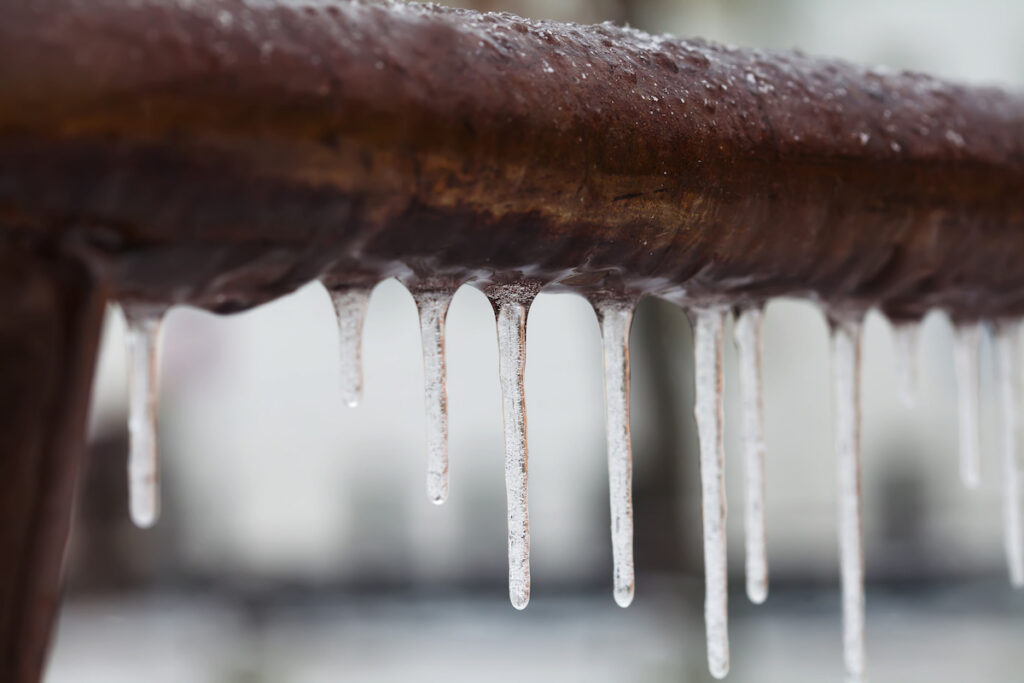
A cold snap in the Treasure Valley can turn a quiet night into a flooded kitchen by morning. When water inside a pipe freezes, it expands and builds pressure until the pipe splits, often at a joint or along a section that runs through an exterior wall, crawl space, or unheated garage. Many homeowners in Kuna and Nampa only discover the problem once temperatures rise and the ice thaws, releasing water behind walls and under floors. Knowing exactly what to do in the first hour can be the difference between a simple repair and a major rebuild.
Why Do Pipes Freeze and Burst in Kuna and Nampa Homes?
Winters in the Treasure Valley often swing between mild afternoons and overnight lows well below freezing. Those repeated freeze and thaw cycles put steady stress on plumbing, especially in areas that receive little heat. The pipes most likely to fail include:
- Crawl Space Plumbing: Supply lines running beneath the home are exposed to cold air, particularly when foundation vents stay open through winter.
- Exterior Wall Lines: Kitchen and bathroom pipes inside outside walls often sit behind thin insulation that cannot hold back a deep freeze.
- Garage and Attic Runs: Pipes passing through unheated garages, bonus rooms, or attic spaces cool down quickly after sunset.
- Hose Bibs and Irrigation Lines: Outdoor spigots and sprinkler systems left connected or undrained can freeze and crack the pipe inside the wall.
Even a small split can release a surprising amount of water in a single day. Because the leak is usually hidden, water soaks insulation, subfloors, and drywall long before anyone sees a stain or puddle.
What Should You Do in the First Hour After a Pipe Bursts?
Speed matters more than anything else once you find a burst pipe. Every minute water keeps flowing, it travels farther into building materials and raises the cost of repairs. Follow these steps right away:
- Shut Off the Main Water Supply: Locate your main shutoff valve, which is often in the basement, crawl space, garage, or near the water meter, and turn it off completely.
- Turn Off Power to Wet Areas: If water is near outlets, appliances, or light fixtures, switch off the matching breakers, but only if you can reach the panel without standing in water.
- Open Faucets to Relieve Pressure: Open cold water taps throughout the home to drain remaining water from the lines and reduce pressure on damaged sections.
- Move Belongings Out of Harm’s Way: Lift furniture, rugs, electronics, and important documents off wet floors and away from dripping ceilings.
- Document the Damage: Take photos and video of the burst pipe, standing water, and damaged items before cleanup begins so you have a clear record for your insurance claim.
- Call a Restoration Professional: Contact a team that offers water damage restoration around the clock so extraction and drying can begin quickly.
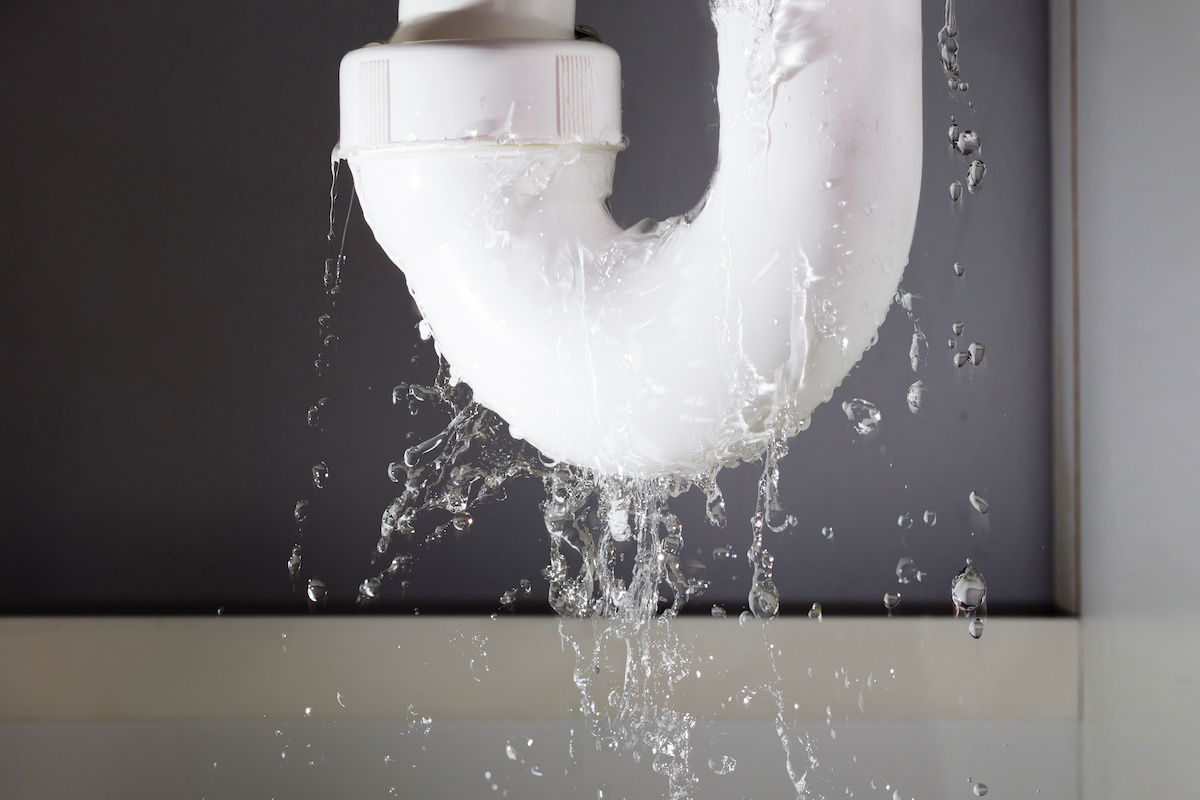
Avoid thawing frozen pipes with an open flame, and never use a household vacuum to remove standing water. Both create serious safety hazards and can make the damage worse.
How Does Hidden Moisture Cause Problems After the Leak Is Fixed?
A plumber can repair the broken pipe in an hour, but the water that escaped does not disappear with the repair. Drywall wicks moisture upward, insulation holds water like a sponge, hardwood floors begin to cup, and subfloors can stay damp for weeks. When moisture lingers in dark wall cavities and crawl spaces, mold can begin to grow within 24 to 48 hours.
Professional restoration crews use moisture meters, thermal imaging, commercial dehumidifiers, and high-velocity air movers to find and remove water you cannot see. If mold has already started, professional mold removal and remediation contains the growth and treats affected materials before spores spread to other rooms.
When Is Reconstruction Needed After Burst Pipe Damage?
Some materials can be dried and saved, while others are too damaged to keep. Drywall below the waterline, saturated insulation, swollen cabinet bases, and laminate flooring often need to be removed and replaced. Working with one company for both mitigation and property reconstruction keeps the project on one schedule and saves you from coordinating multiple contractors while your home is out of order.
How Can You Prevent Frozen Pipes This Winter?
A few simple habits greatly reduce the chance of a burst pipe during the next cold spell:
- Insulate Exposed Pipes: Wrap lines in crawl spaces, garages, and attics with foam pipe sleeves or heat tape rated for plumbing.
- Keep the Heat Steady: Leave the thermostat at 55 degrees or higher, even when you travel over the holidays.
- Let Vulnerable Faucets Drip: A slow drip on nights below freezing keeps water moving and relieves pressure in the line.
- Open Cabinet Doors: Let warm air reach kitchen and bathroom pipes on exterior walls.
- Disconnect Garden Hoses: Remove hoses, drain outdoor spigots, and blow out irrigation lines before the first hard freeze.
- Know Your Shutoff Valve: Make sure everyone in the household knows where the main valve is and how to close it.
Need Help With a Burst Pipe in Kuna or Nampa?
When a frozen pipe bursts, PuroClean of West Boise responds around the clock to extract water, dry the structure, and restore homes across Kuna, Nampa, and the greater West Boise area. Call us the moment you spot water so we can stop the damage before it spreads!