


Table of Contents
Thunderstorms can bring heavy rain, damaging winds, hail, lightning, flash flooding, and even tornadoes to Lafayette, Indiana. Homeowners can reduce storm damage by maintaining roofs and gutters, securing outdoor objects, monitoring weather alerts, and knowing what to do when water enters the home. After a storm, prioritize safety, document damage, stop additional water intrusion when possible, and contact restoration professionals promptly if significant water damage has occurred.
Why Thunderstorms Can Be Dangerous in Lafayette
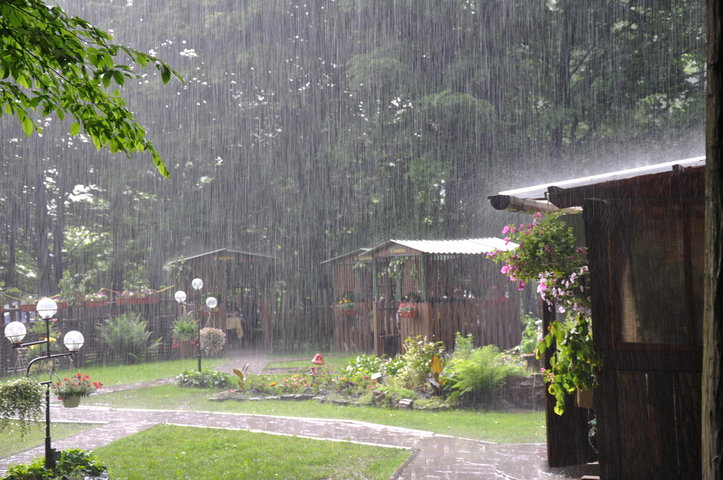
A thunderstorm is a storm that produces lightning and thunder, often accompanied by heavy rain and strong winds. When conditions intensify, severe storms may also produce large hail, damaging wind gusts, flash flooding, or tornadoes.
The National Weather Service identifies damaging winds, hail, lightning, tornadoes, and flooding as major thunderstorm hazards. In Lafayette and throughout Tippecanoe County, these conditions can develop quickly during periods of severe weather.
Understanding weather alerts can help homeowners respond appropriately:
| Alert | What It Means | What You Should Do |
|---|---|---|
| Severe Thunderstorm Watch | Severe weather is possible in the area. | Monitor forecasts and prepare to take shelter. |
| Severe Thunderstorm Warning | Severe weather has been detected or reported. | Move to a safe location immediately. |
| Tornado Warning | A tornado has been detected or strongly indicated. | Take shelter in a basement or interior room away from windows. |
The National Weather Service’s severe thunderstorm safety guidance is a useful authority homeowners can reference when preparing for dangerous weather.
How Thunderstorms Can Damage Your Lafayette Home
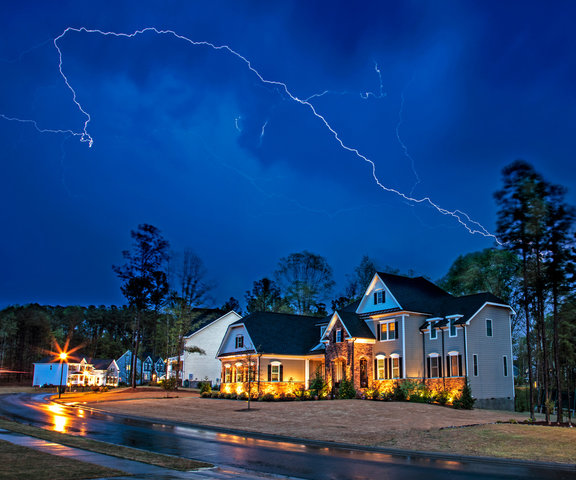
Lightning strikes can pose a fire hazard to your home.
The effects of thunderstorms are not always obvious immediately after the weather clears. Wind, rain, and hail can create small openings that allow water to enter walls, ceilings, attics, and insulation.
Roof and Exterior Damage
Strong winds may loosen or remove shingles, while hail can damage roofing materials, siding, gutters, and flashing. Even relatively small roof damage can create an entry point for rainwater.
After a storm, look for missing shingles, damaged gutters, fallen branches, ceiling stains, and moisture in the attic. Avoid climbing onto the roof yourself if conditions are unsafe.
Flooding and Water Damage
Heavy rainfall can overwhelm gutters, storm drains, and drainage systems. Water may enter basements and lower levels through foundation openings, doors, windows, or drainage backups.
Standing water should be addressed quickly. Significant flooding may require professional residential water extraction to remove water, dry affected materials, and control moisture that could lead to additional property damage or mold growth.
Wind and Structural Damage
High winds can damage siding, windows, doors, fences, and roofing materials. Falling tree limbs may also damage the roof or create openings where rain can enter.
If you notice sagging ceilings, damaged structural components, fallen trees, or unstable walls, stay away from the affected area until it can be evaluated safely.
Lightning and Electrical Damage
Lightning can cause power surges, electrical system damage, appliance failure, and fires. Surge protection can reduce some risks, but a suspected lightning strike should be taken seriously.
Do not touch damaged wiring, electrical panels, or appliances exposed to water.

Trimming trees that are close to the house can reduce the risk of roof damage.
How to Minimize Thunderstorm Damage
You cannot prevent severe weather, but routine property maintenance can reduce your home’s vulnerability.
Before storms become a problem:
- Inspect your roof regularly. Replace loose, cracked, or missing shingles and repair damaged flashing before rain can enter.
- Keep gutters and downspouts clear. Proper drainage helps move stormwater away from the roof and foundation instead of allowing it to collect around the home.
- Trim trees near the house. Remove dead or weakened branches that could fall onto your roof, windows, or vehicles during high winds.
- Secure outdoor objects. Patio furniture, grills, decorations, and other loose items can become dangerous debris during severe weather.
- Check basement drainage. Test your sump pump and consider having a battery backup available in case severe weather causes a power outage.
- Protect electronics. Surge protectors can help reduce damage from electrical surges associated with lightning.
- Review your insurance coverage. Understand how your policy handles wind, hail, water, and tornado-related losses before you need to file a claim.
What to Do After a Thunderstorm Damages Your Home
Once the storm has passed, follow these steps rather than immediately beginning cleanup.
1. Make Sure the Property Is Safe
Watch for downed electrical lines, standing water near electrical equipment, unstable ceilings, broken glass, and structural damage. If the property appears unsafe, stay outside and contact the appropriate professionals.
2. Document the Damage
Take photos and videos of damaged rooms, roofing, flooring, personal belongings, and exterior areas. Documentation can be valuable when discussing the loss with your insurance provider.
3. Prevent Additional Water Intrusion
If it is safe, take reasonable temporary measures such as placing containers beneath leaks or covering damaged areas. Avoid permanent repairs until the property has been properly assessed.
4. Contact Your Insurance Provider
Report significant damage promptly and ask what documentation is required. If you are researching tornado insurance, remember that tornado and wind damage are typically covered under many standard homeowners policies, but exact coverage, deductibles, and exclusions vary.
Flooding is different. Standard homeowners insurance generally does not cover flooding caused by rising surface water, so homeowners should review their policy and available flood insurance separately.

Reporting and documenting damage from thunderstorms is essential to maximizing your insurance claims savings.
5. Address Water Damage Quickly
Water can travel behind drywall, beneath flooring, and into insulation where it may not be immediately visible. Professional water damage restoration can include moisture detection, water removal, structural drying, dehumidification, and cleaning.
When Is Residential Water Extraction Necessary?
Professional residential water extraction is usually appropriate when there is standing water, widespread saturation, water beneath flooring, wet drywall or insulation, or moisture that cannot be removed safely with household equipment.
Restoration professionals can also use moisture detection equipment to identify hidden areas of water intrusion. Finding those areas early may help prevent deterioration of building materials and secondary damage.
Frequently Asked Questions
Q: What damage can thunderstorms cause to a house?
A: Thunderstorms can damage roofs, siding, gutters, windows, electrical systems, and trees. Heavy rainfall can also cause roof leaks, basement flooding, and hidden moisture inside walls or ceilings.
Q: What should I check after a severe thunderstorm?
A: Check the roof and exterior from the ground, inspect ceilings and walls for stains, look for basement water, and watch for fallen branches or damaged electrical components. Do not enter areas that appear structurally unsafe.
Q: Does homeowners insurance cover tornado damage?
A: Wind damage caused by tornadoes is typically covered by standard homeowners insurance policies, but coverage varies. Review your policy or speak with your insurance provider to understand your specific tornado insurance protections and deductibles.
Q: Does homeowners insurance cover flooding from thunderstorms?
A: Standard homeowners policies generally do not cover damage caused by rising floodwater. Separate flood insurance may be needed, so homeowners should review guidance from FEMA’s National Flood Insurance Program and their insurance provider.
Q: How quickly should water damage be cleaned up after a storm?
A: Water removal and drying should begin as soon as it is safe to do so. The longer building materials remain wet, the greater the risk of structural deterioration, odors, and microbial growth.
Key Takeaways
Thunderstorms can develop quickly, but preparation and a fast response can help limit damage to your Lafayette property.
- Maintain your roof, gutters, drainage systems, and nearby trees before severe weather arrives.
- Monitor National Weather Service alerts when thunderstorms are forecast.
- Stay away from electrical, structural, and flooding hazards after a storm.
- Document property damage before beginning major cleanup or repairs.
- Review flood coverage and tornado insurance provisions before you need to make a claim.
- Arrange professional residential water extraction when water has spread beyond what can be safely removed with household equipment.
- If thunderstorms cause water damage to your Lafayette home, contact PuroClean for professional water damage restoration and prompt assistance at (765) 701-4242.
Read more on the subject: