


The water damage cleanup process can feel overwhelming when your basement is wet and your floors are soaked. Knowing what happens at each step helps you make good decisions and know what to expect. Here is how PuroClean of Lakeville handles water damage cleanup for homes and businesses in Lakeville, Apple Valley, Eagan and across the south metro, from the first phone call to the final repair.
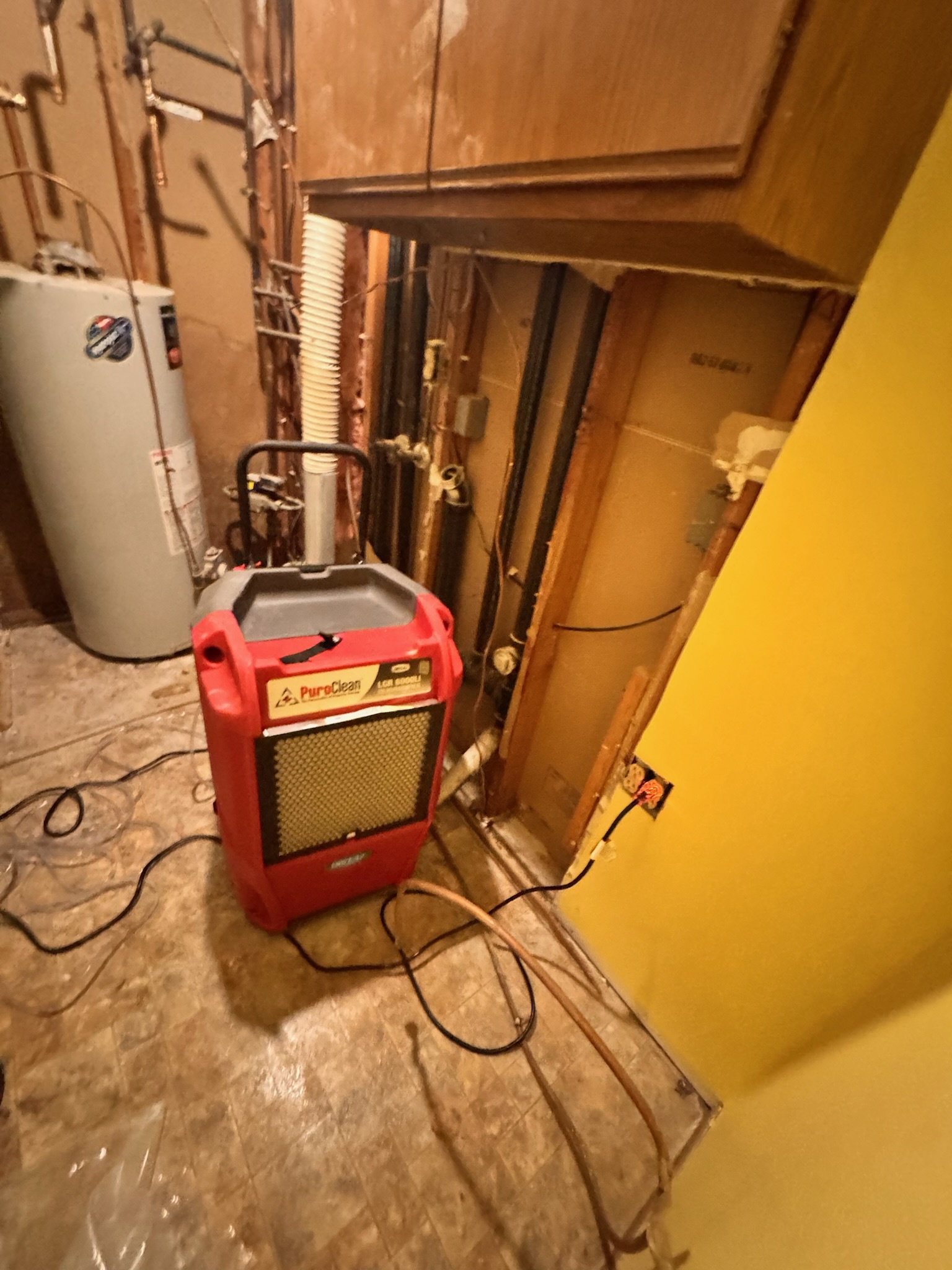
Common Causes of Water Damage
Water damage can start at any time. In south metro homes, the most common sources are:
- Burst or frozen pipes during cold snaps
- Failed sump pumps during snowmelt or heavy rain
- Water heater, washing machine, dishwasher and ice maker leaks
- Ice dams that push water into ceilings and walls
- Sewer and drain backups, which bring contaminated water
The source matters, because it decides how the water damage cleanup process is handled. Clean water from a supply line is treated differently from a sewer backup. Learn more about sewage backup causes.
Clean, Gray and Black Water
Restoration standards sort water into three categories, and each one changes the water damage cleanup process:
- Category 1 (clean water) comes from a sanitary source, like a broken supply line or an overflowing sink.
- Category 2 (gray water) has some contamination, like dishwasher or washing machine discharge.
- Category 3 (black water) is grossly contaminated, like sewage or outside floodwater.
Clean water can turn into gray or black water if it sits, which is one more reason to start quickly. Category 3 water calls for protective gear, and porous materials it touched usually have to be removed.
The Water Damage Cleanup Process, Step by Step
Step 1: Emergency Contact
We answer calls 24/7. When you call, we ask what happened, where the water is, whether it is still coming in and whether anyone is at risk. If you can, shut off the water at the main valve before we arrive.
Step 2: Inspection and Moisture Mapping
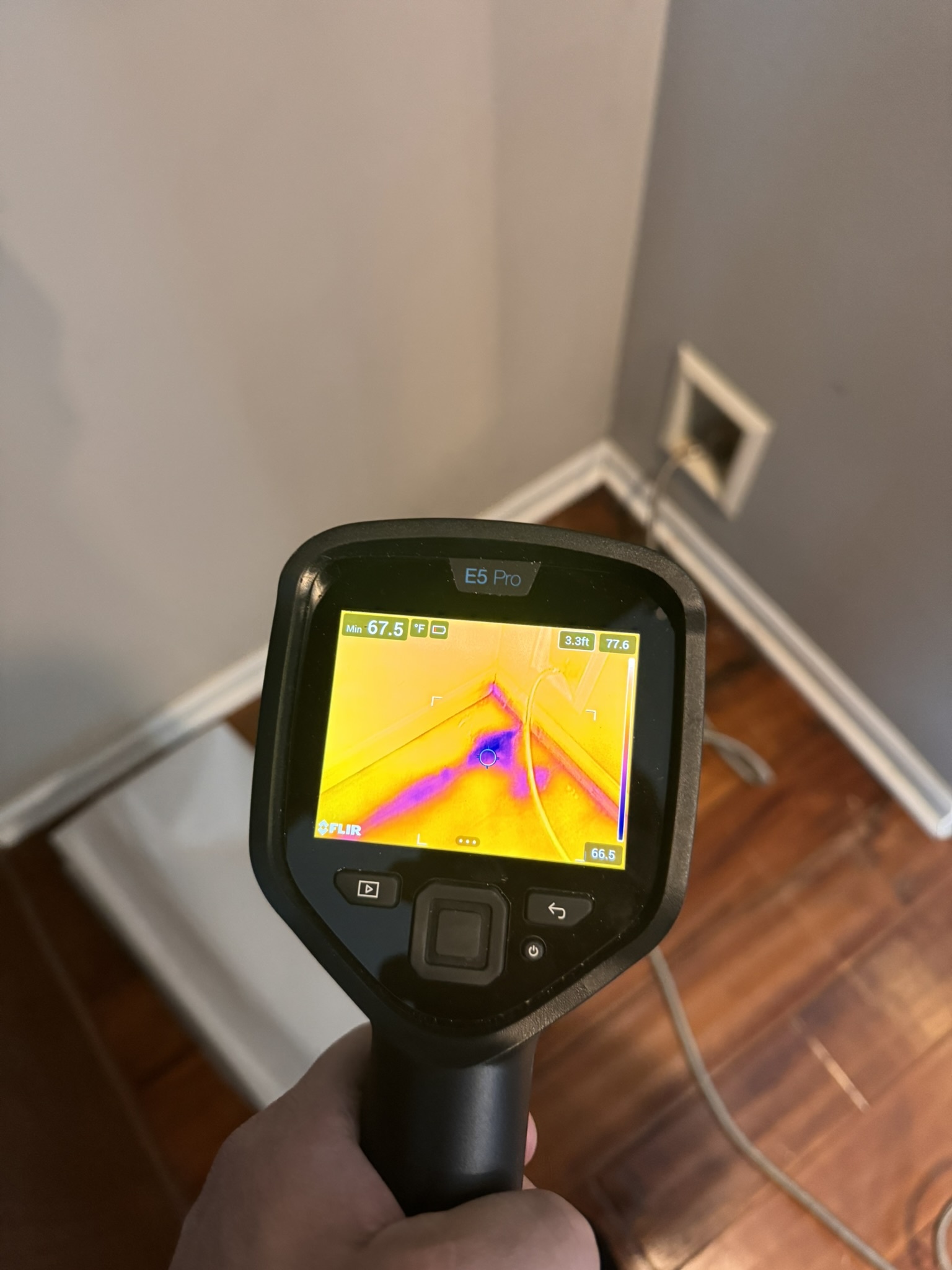
Our IICRC-certified technicians find the source, check for safety hazards and measure moisture with meters and thermal imaging. Water travels under flooring and behind walls, so mapping the wet area keeps the water damage cleanup process from missing hidden moisture.
Step 3: Water Extraction
Truck-mounted and portable extractors remove standing water from floors and carpet. The more water removed now, the shorter drying will take.
Step 4: Drying and Dehumidification
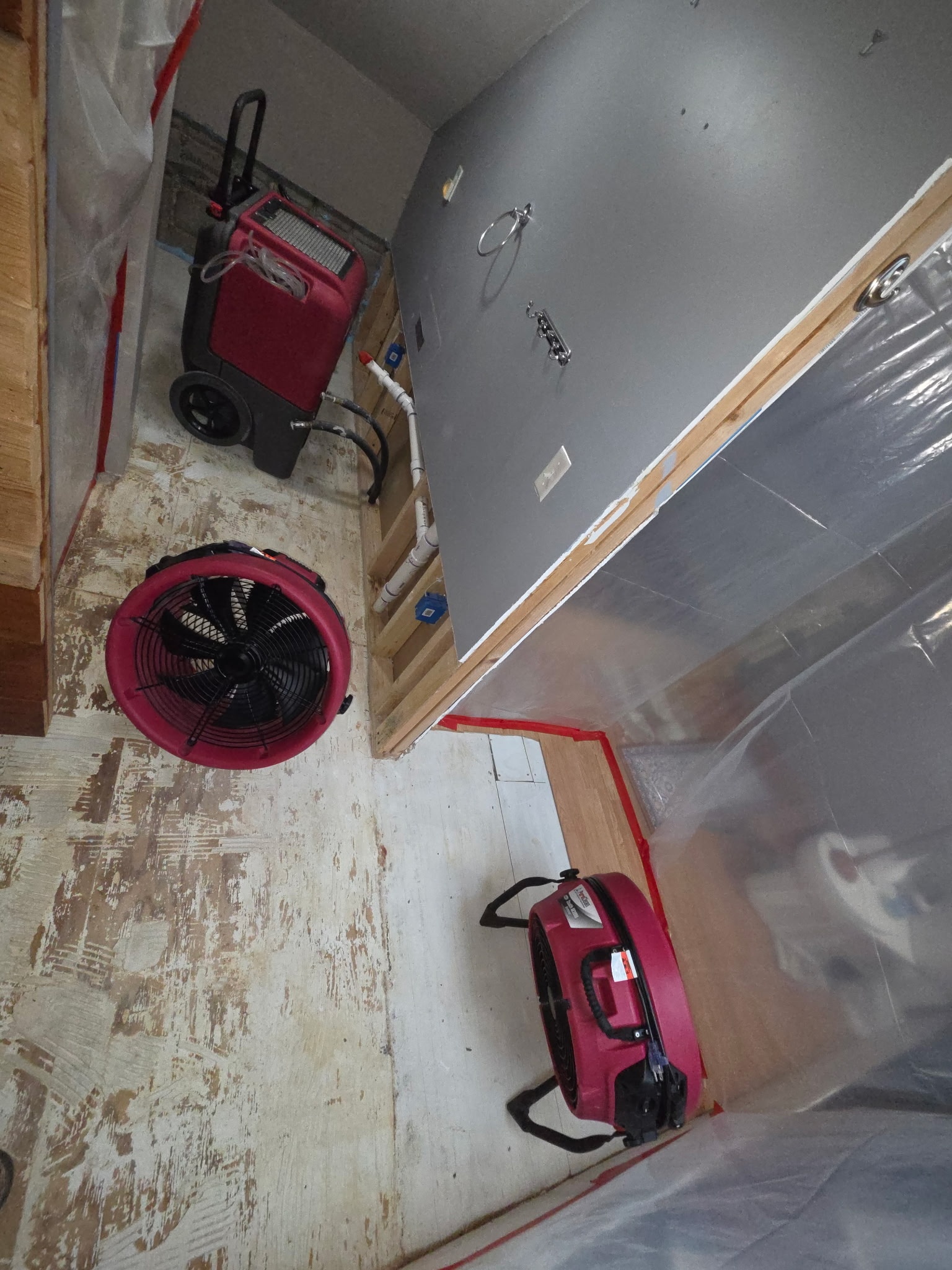
Air movers and dehumidifiers dry walls, floors, cabinets and framing. We check readings during each visit and adjust equipment until materials reach drying goals. The U.S. EPA advises drying water-damaged areas within 24 to 48 hours to help prevent mold, so this is the most time-sensitive part of the water damage cleanup process.
Step 5: Cleaning and Sanitizing
Affected surfaces are cleaned, and treated when the water was contaminated. Materials that cannot be cleaned safely, like carpet pad soaked by sewage, are removed.
Step 6: Repairs and Restoration
Once everything is dry, damaged drywall, flooring, baseboards and trim are repaired or replaced so the space can be used again.
How Long Does the Water Damage Cleanup Process Take?
Drying often takes three to five days, but it depends on how much water there was, how long it sat, what materials got wet and the humidity. Repairs come after drying, and their length depends on the scope. We give you an update at each visit so you always know where things stand.
What You Can Do While You Wait
- Shut off the water source and, if it is safe, power to wet areas from a dry spot.
- Move furniture, rugs and valuables out of the water.
- Put foil or wood blocks under furniture legs that cannot be moved.
- Take photos and video for your insurance claim.
- Call your insurance agent to report the loss and ask what your policy covers.
Avoid using a household vacuum on water, and stay out of rooms where ceilings are sagging. Keep children and pets away from wet areas, especially if the water came from a drain or sewer line. If you have to go into the space, wear rubber boots and gloves.
Signs the Job Was Done Right
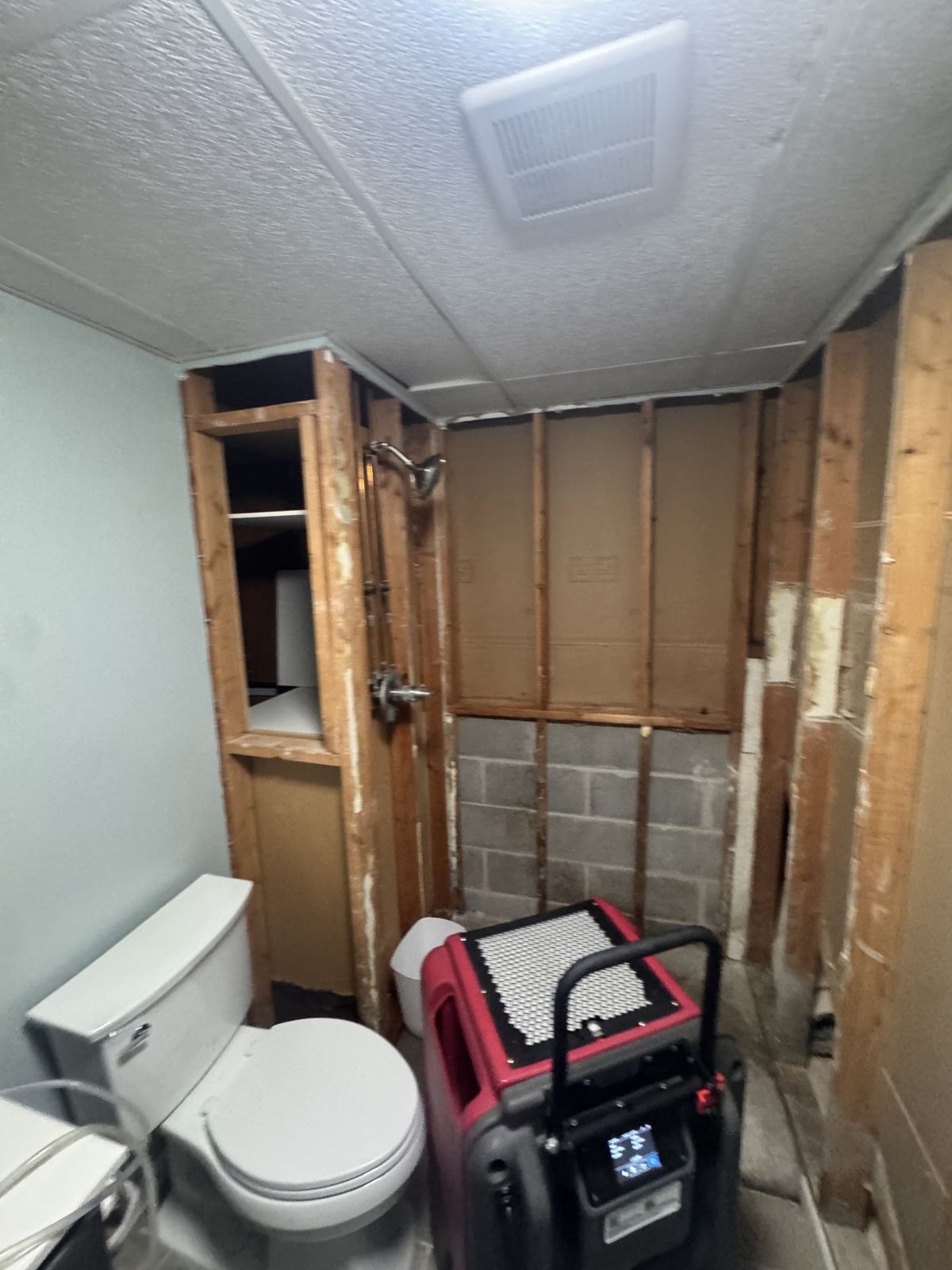
When the water damage cleanup process is finished, you should be able to tell. Materials should read dry on a moisture meter, not just feel dry. There should be no musty smell. Removed materials should be explained, and you should know what repairs come next. Ask for the drying readings if you want to see them.
Insurance and the Water Damage Cleanup Process
Coverage depends on your policy and the cause of the water. Your agent is the best source for what is covered. Flooding from outside water usually needs separate flood insurance, which FloodSmart.gov explains. During the job we take photos and moisture readings, which you can share with your adjuster. We also work with your insurance company during the claim, though your insurer decides what is covered.
Water Damage Cleanup in the South Metro
PuroClean of Lakeville provides water damage restoration across the south metro. Find local details for your city:
If mold has already started, see our mold removal service.
Frequently Asked Questions
Do I need to leave my home during the water damage cleanup process?
Usually not. Most families stay home while equipment runs, though it can be noisy. If the water was contaminated or a large part of the house is affected, staying elsewhere for a few days may be more comfortable.
Will my hardwood floors need to be replaced?
Not always. If drying starts quickly, many hardwood floors can be dried in place with specialized mats and dehumidifiers. Floors that have cupped badly, separated or soaked up contaminated water may need to be replaced. Moisture readings during the job help make that call.
Can I turn off the drying equipment at night?
Please do not. Turning it off slows drying and can extend the job. If noise is a problem, tell us and we will look at options.
What if I find mold after the water damage cleanup process?
Call us. Musty smells or spots after drying can mean moisture was missed or there was an older problem. We will check moisture levels and recommend next steps.
Call PuroClean of Lakeville 24/7
If you need help with water damage cleanup, call PuroClean of Lakeville at (952) 377-8477. We will walk you through the water damage cleanup process and get started.

