


24/7 Call or Text 651-329-5436
Water Damage Restoration in Apple Valley, MN
Water damage restoration Apple Valley MN depends on the source, because not all water is the same and the source decides how it has to be cleaned up. A burst supply line under the kitchen sink, a washing machine that overflows and a floor drain pushing up sewage are three very different jobs. PuroClean of Lakeville provides 24/7 water damage restoration in Apple Valley, MN, for all three, and this page covers how we handle each one. For our fire, mold and biohazard services in the city, visit our Apple Valley service area page.
24/7: (952) 377-8477 · 15195 Boulder Ct, Unit 50, Rosemount, MN 55068
Three Kinds of Water, Three Different Cleanups
Clean water: pipes, supply lines and water heaters
Water from a broken supply line, a leaking water heater or a cracked toilet tank starts out clean. If it’s caught quickly, carpet, wood and drywall can often be dried in place. The catch is time: clean water picks up contaminants from flooring, dust and building materials as it sits, so a fast response can mean the difference between drying and replacing.
Gray water: appliances and overflows
Dishwasher and washing machine discharge, or a sink or tub overflow, carries soap, food and other residue. Gray-water losses usually call for more cleaning and more removal of porous materials like carpet pad.
Contaminated water: sewage and floodwater
Sewage backups and outside floodwater are treated as contaminated. Porous materials they touch are generally removed, and the area is cleaned and disinfected before drying. Our technicians use protective equipment for this work.
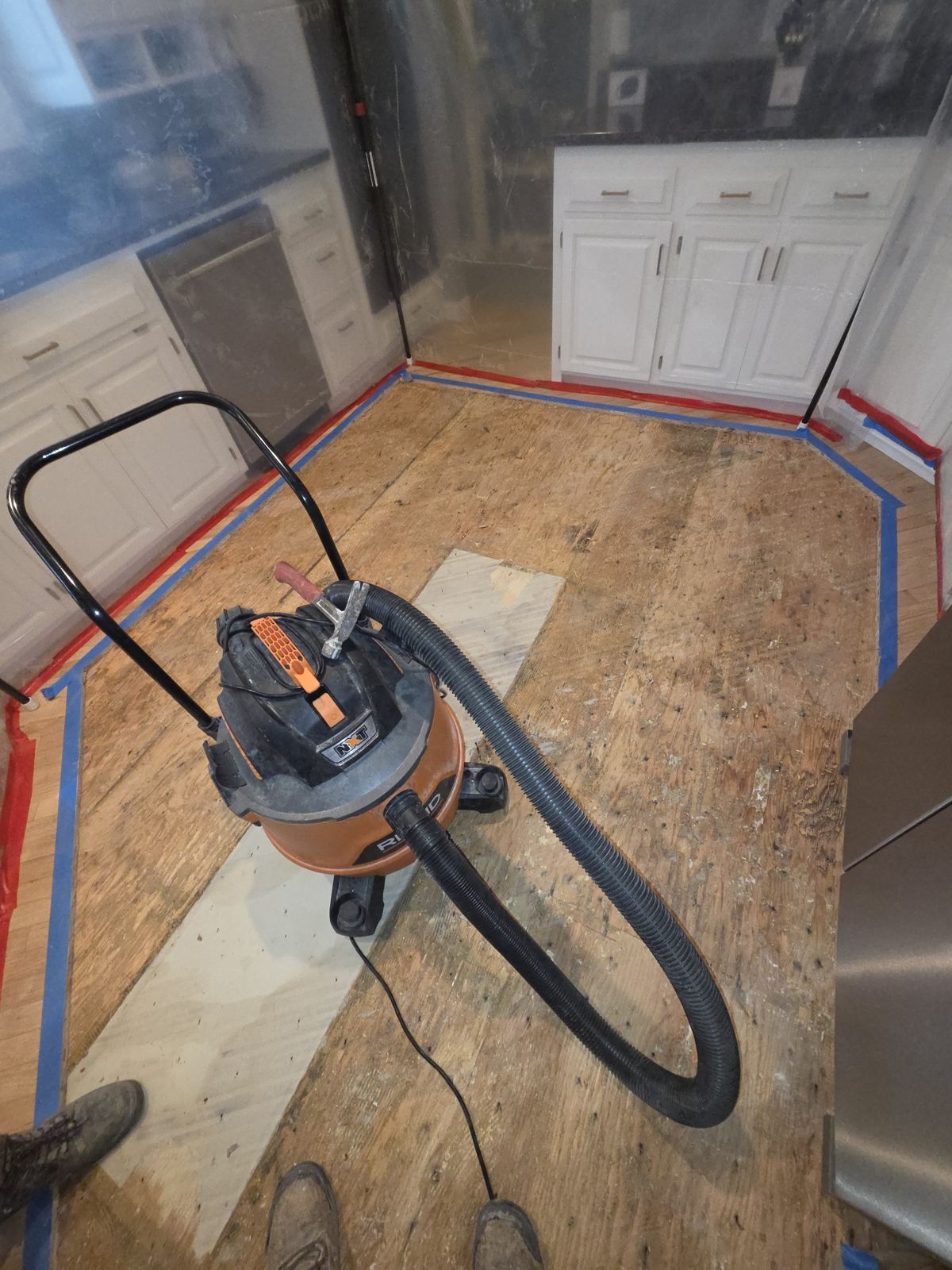
Water Damage Restoration Apple Valley MN: Sewer Backups and Who to Call
The City of Apple Valley has clear guidance on its sanitary sewer page. It suggests calling Public Works at (952) 953-2400 (weekdays, 7 a.m. to 3:30 p.m., or 911 after hours) before calling a drain cleaner, because the city will send someone to check whether the problem is in the city’s line. The property owner is responsible for blockages in the service line between the home and the city main, including tree roots, and for cleaning up damage from the backup. The city also notes that most homeowner policies exclude sewer backup damage, though many insurers offer riders for it.
If sewage is in your basement, stop running water in the house, keep kids and pets out of the area and call us. Don’t try to vacuum it up with a household shop vac.
Water Damage Restoration Apple Valley MN: Stormwater, Ponds and Wet Basements
Apple Valley has more than 300 ponds and lakes, and the city says most are connected to its stormwater system. The Minnesota DNR describes Farquar Lake’s main job as a stormwater pond for the city. That system is designed to move and hold runoff, but during a heavy storm or a quick spring melt, water around foundations can rise faster than a sump pump or drain tile can handle. Window wells that fill up and downspouts that dump next to the house add to the problem.
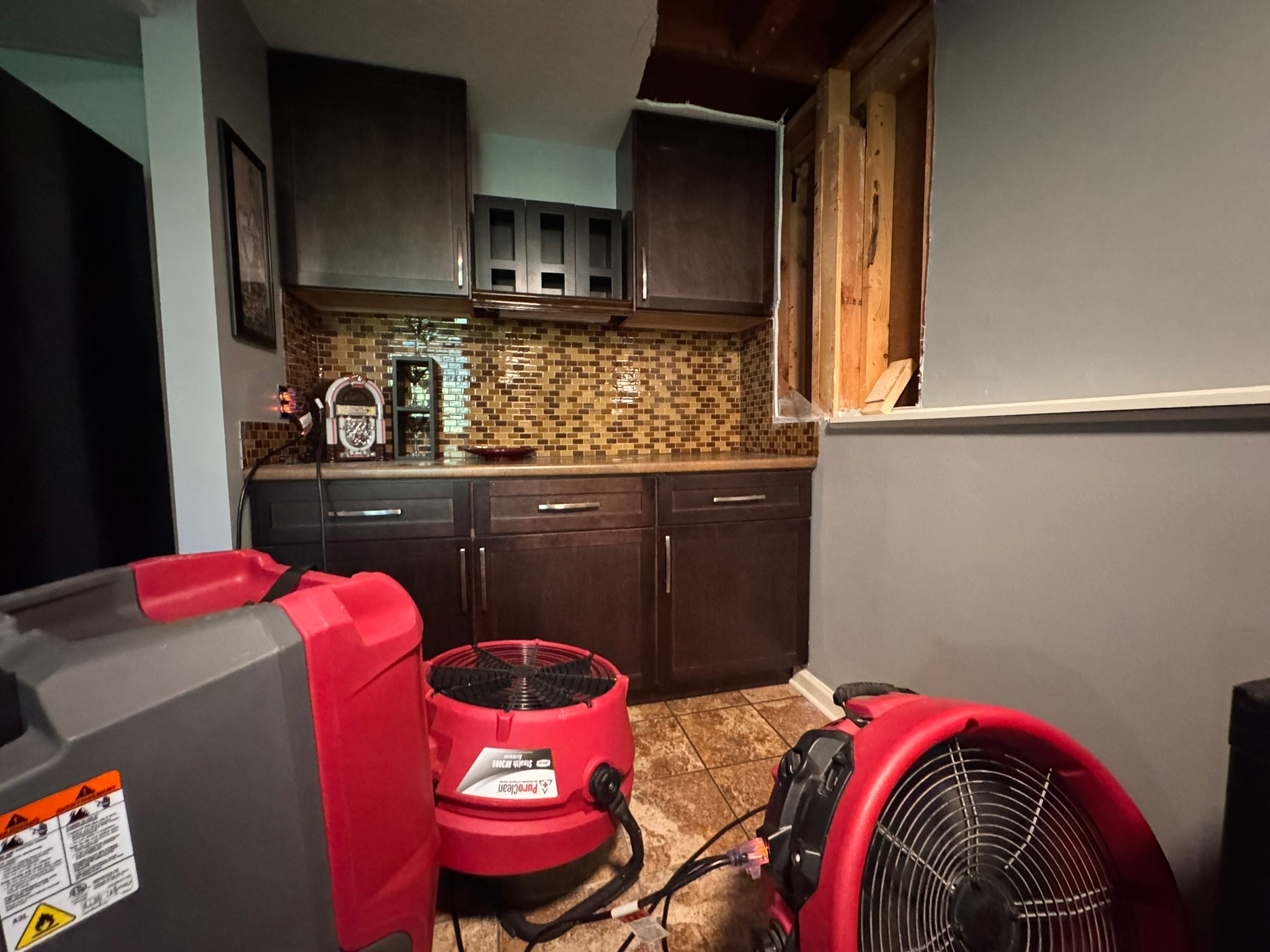
How We Handle Water Damage Restoration Apple Valley MN
- Stop and assess: confirm the source is stopped and decide which type of water we’re dealing with.
- Extract: remove standing water from floors, carpet and subfloors.
- Measure: use moisture meters and thermal imaging to find hidden wet areas.
- Remove: take out materials that can’t be dried or are contaminated, after explaining why.
- Dry: set air movers and dehumidifiers and check readings until materials are dry.
- Document: keep photos and moisture logs for your records and your adjuster.
The U.S. EPA advises drying water-damaged areas within 24 to 48 hours to prevent mold. If you find mold after a leak, see our mold removal service.
Before We Arrive
- Shut off the main water valve if a pipe or appliance is leaking.
- Turn off power to wet areas only if you can do it safely from a dry spot.
- Move rugs, electronics and photos off wet floors.
- Take photos and video for your records.
Our blog post on a flooded basement in Apple Valley has more first-step tips.
Insurance and Water Damage Restoration Apple Valley MN
Your insurance company decides coverage, and the answer often depends on the type of water and what caused it. We’ll provide photos, moisture readings and a written scope, and we can walk your adjuster through the work. Your agent can explain your policy.
Water Damage Restoration Apple Valley MN FAQ
My water heater leaked overnight. Is it too late to dry the floor?
Not necessarily. Call as soon as you find it. We’ll measure how far the water spread and what can be dried in place.
Is water from a washing machine dangerous?
It’s not sewage, but it isn’t clean either. Gray water usually means more cleaning and removing carpet pad.
Who pays to clear a sewer line blockage?
Per the City of Apple Valley, the property owner is responsible for the service line between the home and the city main. Call the city first to check whether the problem is in the main.
What should I do while I wait for help?
If it is safe, stop the source of the water, such as closing the shut-off valve for a broken supply line. Stay away from standing water near outlets, appliances and the electrical panel. Move small furniture, rugs, electronics and important papers to a dry area, and take photos or video of the damage before anything is moved or thrown away.
Can I dry a wet basement with fans and a dehumidifier myself?
Household fans and a small dehumidifier can help with a very small, clean-water spill that is caught right away. Water often travels into wall cavities, under flooring and into carpet pad where you cannot see it, so moisture can remain behind even when the surface feels dry. A moisture meter reading is the only reliable way to know when materials are dry.
What happens if wet materials are left in place?
Wet drywall, insulation and carpet pad can develop mold and odors, and the longer they stay wet the more likely they are to need replacing instead of drying. If you notice a musty smell or visible growth, see our mold removal and remediation service.
Do you work with homeowners and businesses in Apple Valley?
Yes. We respond to homes, apartments and commercial properties in Apple Valley and the surrounding south metro. Call (952) 377-8477 and tell us what happened, and we will explain the next steps.
Water Damage Restoration Apple Valley Timeline: What Each Day Looks Like
The steps above explain what we do. This section explains when. Waiting can be the hardest part, so here is a realistic picture of how water damage restoration Apple Valley households go through usually plays out. Every job is different, and moisture readings, not a set number of days, decide when drying is done.
Day 1: Emergency visit
Our IICRC-certified technicians make the area safe, confirm the source is stopped and figure out the type of water. We extract what we can, map where moisture has spread and talk through a plan with you, including anything that needs to be removed and why. Drying equipment is set up before we leave, and we’ll tell you what to expect overnight.
Days 2 to 3: Monitoring visits
We come back to re-measure the same marked spots, log the numbers and move, add or remove equipment based on what we see. If readings in one wall are dropping slower than the rest, that’s where the airflow goes. This is the part of water damage restoration Apple Valley homeowners rarely see described, and it’s where a careful job separates itself from a rushed one.
Days 3 to 5, sometimes longer: Dry standard reached
When every reading matches the dry reference for that material, the equipment comes out and you get the drying records. Hardwood, concrete, thick framing and contaminated-water losses can stretch this out. After that, repairs like drywall, trim, paint and flooring can be scheduled.
Is the water still spreading? Wet materials have a short window. The EPA advises drying them within 24 to 48 hours to help prevent mold. For water damage restoration Apple Valley, call (952) 377-8477 now, day or night.
What Moisture Readings Actually Mean
You’ll see our technicians press meters against walls and floors and write down numbers. Here’s what’s going on, in plain words.
Finding a “dry reference”
Every material holds a little moisture normally, and good water damage restoration Apple Valley starts from that fact. So before we decide something is wet, we take a reading on the same material in an unaffected part of your home, like a bedroom wall upstairs. That becomes the target. A basement wall is dry when its reading matches that reference, not when it feels dry to the touch.
Mapping the wet zone
We take readings in a grid moving outward from the source until we hit dry material on every side, then mark the edge on a sketch and in photos. Water often travels farther than people expect, under a wall into the next room or along the slab beneath carpet. Thermal imaging can help spot cool, damp areas, but it only points the way. The meter confirms it.
Why the air matters too
As materials dry, water moves into the air. If that humid air isn’t removed, it settles back into drywall, wood and contents. That’s why dehumidifiers run alongside air movers, and why we track the room’s humidity as well as the materials. Getting that balance right is the science behind water damage restoration Apple Valley families can count on. For more on why fast drying matters, see the EPA’s guide to mold, moisture and your home.
Common Minnesota Causes Behind Water Damage Restoration Apple Valley Calls
We covered sewer backups and stormwater above. These are the other seasonal causes that show up in south metro homes year after year:
- Frozen and burst pipes: During a hard cold snap, water lines in exterior walls, garage ceilings and crawl spaces can freeze and split. The leak often doesn’t start until the pipe thaws, sometimes while you’re at work.
- Freeze-thaw damage: Months of freezing and thawing can open small cracks around foundations, window wells and slabs. Those gaps become water paths during the next heavy rain.
- Fast spring snowmelt: A big snowpack melting over frozen soil can’t soak in, so it heads for the lowest point, which is often a basement wall or window well.
- Sump pump trouble: A stuck float, a pump that’s reached the end of its life, a frozen discharge line or a power outage in a storm can all let the pit overflow.
- Ice dams: Warm attic air melts roof snow that refreezes at the eaves. Meltwater backs up under shingles and can soak insulation, stain ceilings and run down inside exterior walls.
Each one leaves a different trail, and finding it is the first step of water damage restoration Apple Valley homeowners need, so the same leak doesn’t return next season.
Your Apple Valley Water Damage Prevention Checklist
A little prevention goes a long way, and the best water damage restoration Apple Valley job is one you never need. Run through this list twice a year.
- Find and label your main water shutoff, and make sure it turns.
- Test the sump pump each spring and fall by filling the pit with a bucket of water. Ask a plumber about a battery backup or a high-water alarm.
- Keep the sump discharge line clear and draining away from the house, and check it for ice in winter.
- Clean gutters and extend downspouts so roof water lands well away from the foundation.
- Keep window wells free of leaves and snow, and consider covers for wells that fill often.
- Shut off and drain outdoor faucets before the first hard freeze.
- Keep the heat on and steady during cold snaps and trips, and open cabinets under sinks on outside walls.
- Replace washing machine hoses every few years, or switch to braided steel.
- Look under sinks and around the water heater and dishwasher for slow drips.
- After big snowfalls, watch the roof edge for ice dams, and ask a roofer about attic insulation and ventilation.
How to Help Your Home Dry During Water Damage Restoration Apple Valley Work
Once the equipment is running, a few simple habits keep drying on track:
- Leave air movers and dehumidifiers on around the clock. Turning them off at night stops drying and lets humidity build back up.
- Keep windows closed and doors to the drying area shut unless we ask otherwise, so humid outdoor air stays out.
- Keep the thermostat at a normal, comfortable setting.
- Keep kids and pets away from cords, equipment and any area we’ve closed off.
- Call us if you see new water, smell something musty or a breaker trips.
Our technicians are happy to answer questions at every visit. Understanding the process is part of good water damage restoration Apple Valley homeowners deserve.
Documenting Damage for an Insurance Claim
Your insurer decides what’s covered, and we don’t make promises about any policy, during water damage restoration Apple Valley or after. Strong records still help every conversation with your adjuster. General tips:
- Photograph wide, then close: Each room from the doorway, then the water line, the source and each damaged item. Video with narration works too.
- Write a timeline: When you found the water, when you stopped it and who you called.
- Inventory belongings: List what was damaged, with a brand, rough age and cost if you know it.
- Hold on to receipts: Plumbers, drain cleaners, supplies and any temporary lodging.
- Ask your agent early how to report the loss and what steps your policy expects to prevent more damage.
Our water damage restoration Apple Valley records, including photos, moisture logs and a written scope, are yours to share with your adjuster.
Signs It’s Time to Call for Water Damage Restoration Apple Valley
- Water reached carpet, drywall, a finished basement or a second room.
- It came from a floor drain, a sewer line or outside.
- A ceiling is stained, bulging or dripping during a thaw.
- The leak ran overnight, while you were away, or you can’t tell for how long.
- Trim is swelling, floors are cupping or a musty smell is showing up.
If it’s borderline, call and describe what you see. An early call about water damage restoration Apple Valley can save materials that would otherwise be replaced. If mold is part of the picture, our mold removal in Apple Valley page explains how we handle it.
Call for water damage help: (952) 377-8477
Nearby South Metro Cities We Serve
Beyond water damage restoration Apple Valley, we help neighbors across the south metro. See our pages for restoration services in Eagan, water damage restoration in Rosemount and water damage restoration in Farmington.
More Water Damage Restoration Apple Valley Questions
How long does drying usually take?
Many water damage restoration Apple Valley jobs take a few days of drying. Dense materials, large areas and contaminated water can take longer. We end drying when readings confirm materials are dry.
Do I need to be home for monitoring visits?
Someone needs to let us in, but you don’t have to stay for the whole visit. We’ll set visit times with you and explain the readings each time.
Should I move furniture back once the carpet looks dry?
Wait until we confirm the floor and pad are dry. Carpet surfaces dry first, and putting furniture back too early can trap moisture underneath and leave stains.
Call for 24/7 Water Damage Help in Apple Valley
Call (952) 377-8477 any time, or send us a message. See our full water damage restoration service for more details.
Other Damage After the Water in Apple Valley?
Many house fires leave water damage behind from firefighting, and water that sits for a day or two can lead to mold. If you’re dealing with smoke or soot in Apple Valley, see our fire and smoke damage restoration in Apple Valley page, or call (952) 377-8477 any time, 24/7, for a free estimate.

