


24/7 Call or Text 651-329-5436
Fire and Smoke Damage Restoration St. Paul MN for Century-Old Homes and Multi-Unit Buildings
Fire and smoke damage restoration St. Paul MN from PuroClean of Lakeville handles the full aftermath of a fire: board-up, soot cleaning, smoke odor removal, drying and repairs. Our IICRC-certified team works carefully in older buildings and gives free estimates. We are based in the Lakeville area and serve the entire south metro, and we also serve St. Paul. Our main fire and smoke damage restoration page explains our approach.
Need help after a fire in St. Paul? Our IICRC-certified team answers (952) 377-8477 24/7, and every estimate is free.
A Fire Department as Old as the City’s Neighborhoods
The Saint Paul Fire Department traces its first station to a house built around 1870 on Saint Peter Street. Its newest, Station 3, reopened in December 2025 after a full remodel, 15 years after it closed as an active fire station.
Much of the housing those crews protect is nearly as old. When a fire is out, the work of fire and smoke damage restoration St. Paul MN in these buildings starts: securing openings, cleaning soot from plaster and woodwork, removing odor from old materials and drying water that ran through floors.
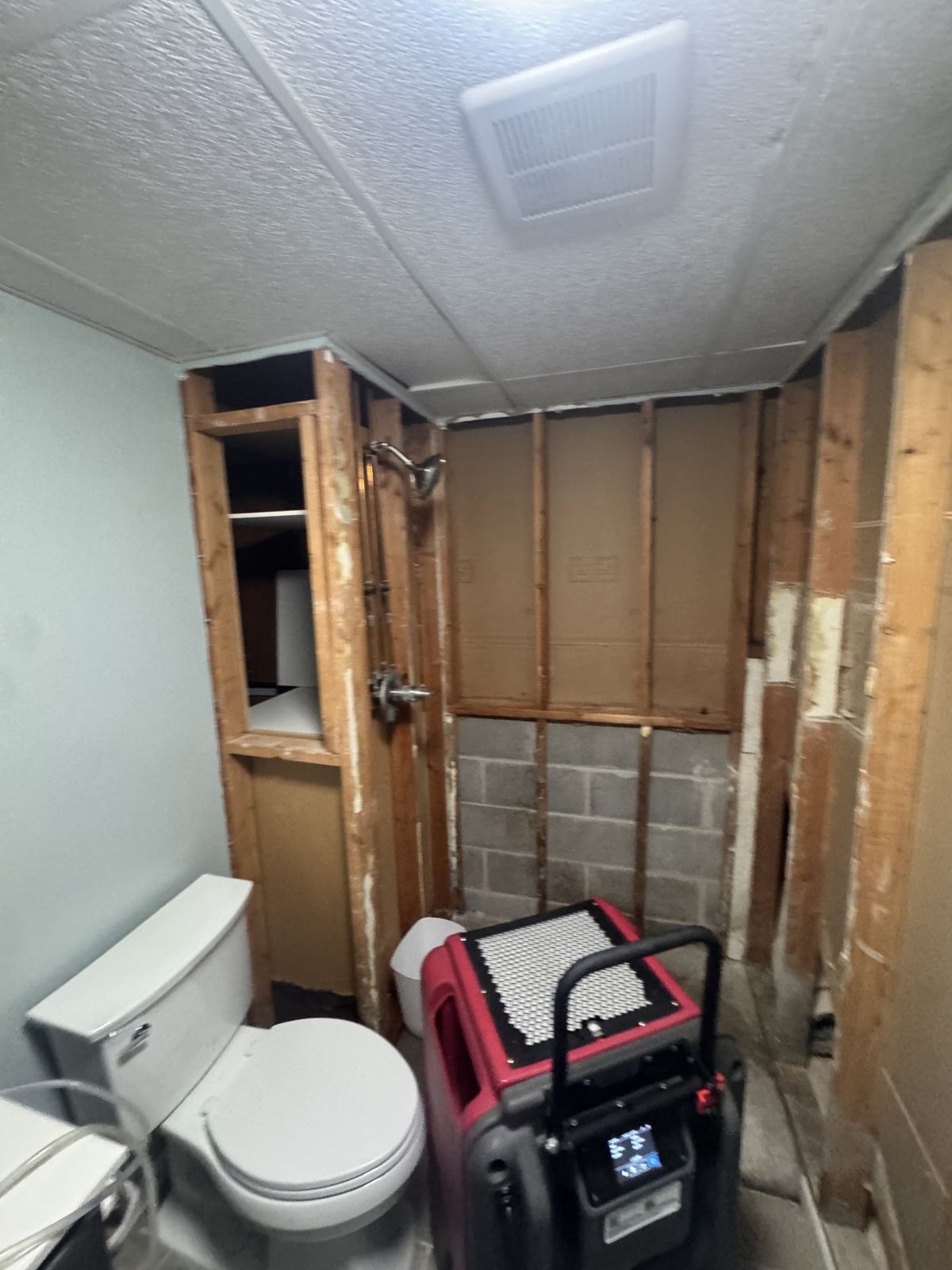
Fire and Smoke Damage Restoration St. Paul MN in Homes Built Before 1930
The city’s comprehensive plan housing chapter reports a median housing age of 69 years, and 57 percent of single-family, duplex and triplex buildings were built before 1930. Foursquares, Victorians, bungalows and two- and three-unit buildings line many streets.
Older homes bring specific challenges. Plaster and old woodwork are worth saving and need gentle cleaning. Open wall cavities and old attic spaces can let smoke travel between floors. Wiring may have been updated in stages over decades. During fire and smoke damage restoration St. Paul MN we test residue before cleaning so original finishes are not damaged, and we look inside cavities where readings or odor point.
Duplexes and Triplexes: Smoke Between Units
Two- and three-unit buildings are a big part of St. Paul. Stacked kitchens put the most common fire source, cooking, directly above or below a neighbor. The Minnesota State Fire Marshal reports that cooking caused 38 percent of residential fires statewide in 2024.
A kitchen fire on one floor can push smoke up the stairwell and into the unit above, while firefighting water drips into the unit below. For owners and landlords, fire and smoke damage restoration St. Paul MN needs separate documentation for each unit. We record readings and photos, contain the work and keep tenants informed.
Owners, Tenants and Alarm Requirements
Minnesota Statutes section 299F.51 requires a carbon monoxide alarm within 10 feet of each sleeping room in every dwelling unit, and makes owners of multifamily units responsible for providing and installing them. Repairs after a fire are a natural time to confirm alarms are in place.
NFPA recommends smoke alarms in every bedroom, outside each sleeping area and on every level, interconnected so one sets off all of them. In older buildings with plaster walls, that can take planning. We can coordinate that work with the rest of the reconstruction.
Where Smoke Hides in Older St. Paul Buildings
Plaster and lath walls
Plaster cleans well, but smoke can work into cracks and the lath behind it. Odor that returns after cleaning often points to a cavity.
Shared stairwells and halls
In duplexes and triplexes, smoke from one unit collects in common stairs and halls, and those surfaces need cleaning too.
Attics and knee walls
Old attics with loose insulation hold smoke odor. Knee-wall spaces on upper floors are easy to overlook.
Basements with shared utilities
Shared basements hold furnaces, water heaters and storage for several households, and they often catch firefighting water.
First Steps for St. Paul Property Owners
The U.S. Fire Administration lists the basics: make sure the fire department says the building is safe, contact your insurance company, let police know if the property will be empty and keep every receipt. If you rent, tell your landlord. Our job begins after that: we secure the structure, start drying and give you a written scope for fire and smoke damage restoration St. Paul MN.
How Smoke Travels Through a Building
Flames may stay in one room, but smoke does not. Hot smoke rises, spreads across ceilings and pushes into any opening it finds: stairways, closets, outlets, attic hatches and ductwork. As it cools, it leaves soot on surfaces and odor in fabrics, carpet, insulation and wood. The U.S. Fire Administration notes that belongings untouched by flames may still be ruined by smoke. That is why fire and smoke damage restoration St. Paul MN covers the whole building, not just the burned room.
Firefighting Water and Mold Risk
Wet materials left behind after a fire are a mold risk, especially in a closed-up building in summer. We treat firefighting water as part of fire and smoke damage restoration St. Paul MN from the first visit: extraction, drying and readings until materials are dry. The U.S. Fire Administration cautions that soot and dirty water may contain things that could make you sick, so we wear protective gear. See our St. Paul water damage restoration and St. Paul mold remediation pages for more.
Board-Up Services in St. Paul
Board-up is more than plywood. We cover openings, tarp damaged roof areas and secure entry points so wind and snow do not add water damage on top of fire damage. The U.S. Fire Administration explains that firefighters may break windows and cut roof openings to slow the fire and clear smoke, so most fire scenes need some securing. Board-up is usually the first visible step of fire and smoke damage restoration St. Paul MN.
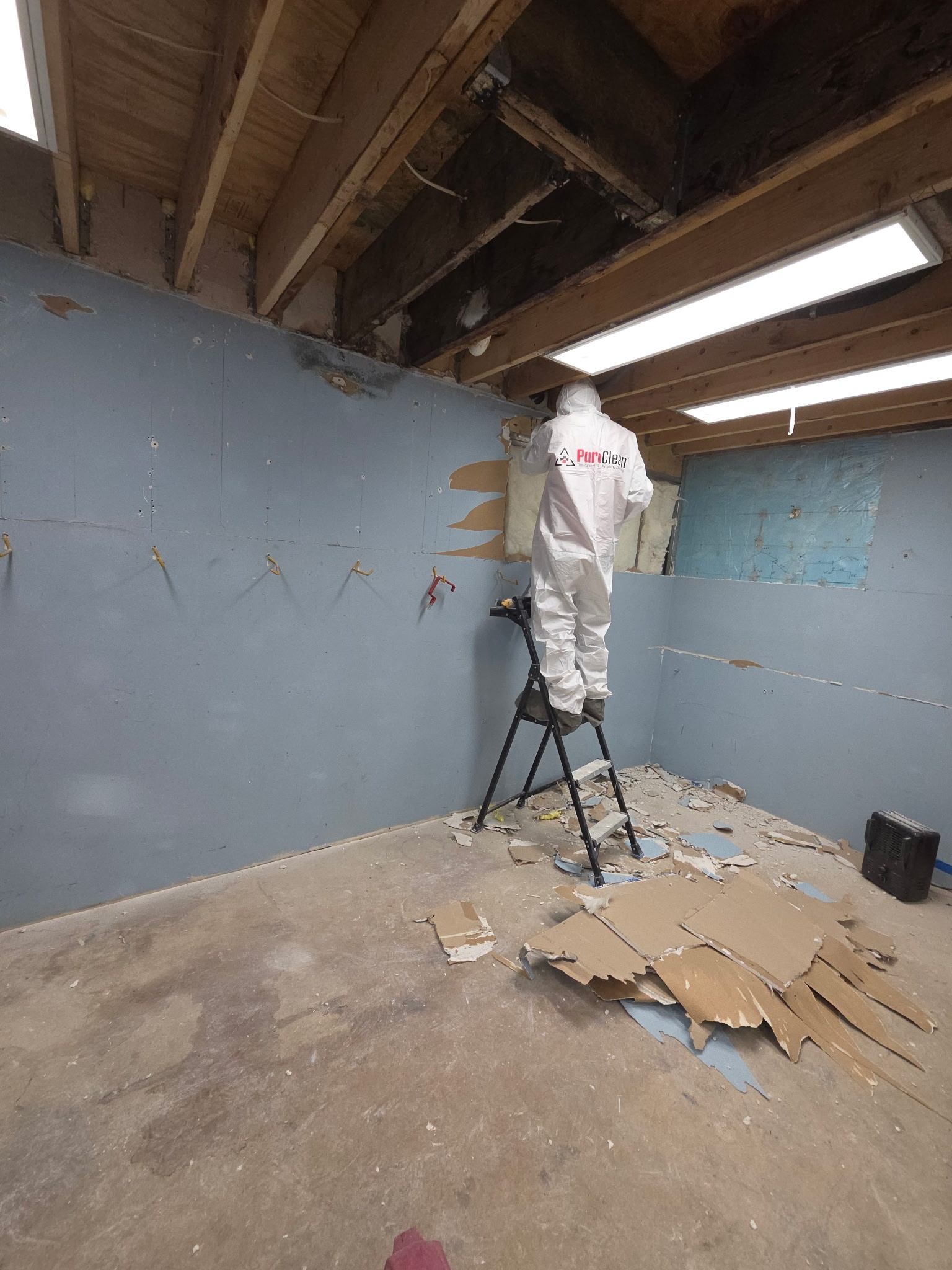
Smoke Odor Removal in St. Paul
Painting over smoke smell does not work for long; the odor bleeds through. Our process is clean, remove, seal only when needed, then deodorize. Air scrubbers with HEPA filters run during cleaning, and we use fogging, hydroxyl or ozone treatment when appropriate for the space. We also handle odor that is not from a fire, including tobacco smoke, using the same approach. Odor work is a standard step in fire and smoke damage restoration St. Paul MN.
Cleaning the Air Handling System
Your heating and cooling system connects every room, so it can carry smoke to all of them. We check whether the system ran during the fire, inspect the ducts and blower and clean what needs it. Once the building is clean, a fresh filter helps keep the air that way. We include the system in fire and smoke damage restoration St. Paul MN whenever smoke reached it.
What Happens to Your Belongings
Moving belongings out protects them from further soot and from the dust of demolition and repairs. Our team packs, labels and inventories contents, then cleans them with methods suited to each material. When the rooms are restored, items come back. Anything beyond saving is recorded with photos so your adjuster has a full list. Pack-out keeps fire and smoke damage restoration St. Paul MN moving while your belongings are protected.
How Fire and Smoke Damage Restoration St. Paul MN Works, Step by Step
Assessment
We meet you at the property, look at every affected room and give you a free estimate and a written scope.
Board-up and protection
Openings are covered, the roof is tarped if needed and clean areas are protected.
Water removal and drying
Firefighting water is extracted, and drying equipment runs until readings show materials are dry.
Soot cleaning and odor removal
Surfaces are cleaned with methods matched to the residue, contents are cleaned or packed out and deodorization follows.
Reconstruction
One team handles repairs, so the property is finished, not just cleaned.
Breathing Easier After a Fire
According to EPA, the fine particles in smoke can get into the eyes and respiratory system, indoors or out. EPA advises avoiding breathing smoke when you can. During fire and smoke damage restoration St. Paul MN, we contain the work area, run HEPA air scrubbers and remove residue rather than masking it, so indoor air improves as the job moves forward.
Why Soot Cleanup Is Not a DIY Job
Wiping soot with a wet rag usually smears it deeper into paint and drywall, and household cleaners can set stains. Running the furnace can spread residue through the ducts. The U.S. Fire Administration cautions that soot and dirty water may contain things that could make you sick. It is best to wait for testing and the right cleaning method, and to check with your insurer before paying for cleanup yourself. A professional assessment is the first step in fire and smoke damage restoration St. Paul MN.
Kitchen Fire Cleanup
Many fire calls start on a stovetop. The Minnesota State Fire Marshal reports cooking as the leading known cause of residential fires, 38 percent of the total in 2024. NFPA notes that ranges and cooktops account for over half of home cooking fires. Even when the fire department finds only a small fire, smoke from burned food can spread through the house and settle into fabrics. Smoke from food is often what fire and smoke damage restoration St. Paul MN spends the most time on.
Electrical Fires in Minnesota Homes
The Minnesota State Fire Marshal reports that electrical malfunction was the second-most common known cause of residential fires in 2024, ahead of heating for the second year in a row. Electrical fires often burn plastic insulation and housings, which leave sharp-smelling residue that spreads through a room. Fire and smoke damage restoration St. Paul MN after an electrical fire includes cleaning that residue and removing damaged materials so a licensed electrician can make repairs.
Space Heaters, Furnaces and Fireplaces
Fireplace and chimney fires are a small share of heating fires, but NFPA says they cause nearly one-fifth of the property damage from heating fires. Wood stoves and fireplaces need yearly inspection and cleaning, as the U.S. Fire Administration recommends. A chimney fire can push smoke and soot through an entire house even when flames stay in the flue. After a chimney fire, fire and smoke damage restoration St. Paul MN focuses on the rooms the soot reached.
Candles and Holiday Fire Risks
NFPA reports that more than half of home candle fires start when something that can burn, such as furniture, bedding, curtains or decorations, is too close to the candle, and that Christmas is the peak day for candle fires. NFPA recommends keeping candles at least 12 inches from anything that can burn. If a candle fire happens, fire and smoke damage restoration St. Paul MN cleans the soot it leaves on walls and ceilings.
Air Quality Alert Days in St. Paul
Air quality alerts for wildfire smoke are more common than they used to be. The Minnesota Pollution Control Agency recorded 52 alert days in 2023, a state record. EPA advises portable air cleaners that do not produce ozone and well-fitted HVAC filters during smoke events. Those steps protect indoor air. If smoke residue builds up anyway, it is cleaned the same way as residue from a small house fire. We clean that residue with the same tools we use for fire and smoke damage restoration St. Paul MN.
Smoke Alarms and CO Alarms
NFPA reports that working smoke alarms cut the risk of dying in a home fire in half, and that you may have as little as two minutes to escape once an alarm sounds. It recommends alarms in every bedroom, outside sleeping areas and on every level, tested monthly and replaced every 10 years. Minnesota law also requires a carbon monoxide alarm within 10 feet of each sleeping room. Prevention comes first; fire and smoke damage restoration St. Paul MN is for when it is needed.
Commercial Fire Damage Services
St. Paul’s storefronts, downtown offices, warehouses and apartment buildings all need a plan for smoke and soot.
For property managers and business owners, we provide board-up, soot cleaning, odor removal, water removal and rebuilding under one team. We document each affected unit or suite and help restore operations quickly. Every commercial fire and smoke damage restoration St. Paul MN job includes documentation for insurers.
Fire Claims and Documentation
Good records make a fire claim easier. We photograph every affected room, inventory contents and keep notes on what was removed and why. We bill insurance directly when your insurer allows it. Coverage is always the insurer’s decision, and we never promise what a policy will pay for. Documentation is built into our fire and smoke damage restoration St. Paul MN process.
Keeping Records After a Fire
Photos taken before cleanup are valuable. We photograph every affected area and item, and the U.S. Fire Administration recommends keeping receipts and contacting your insurance company early. That record follows the job from board-up to the end of fire and smoke damage restoration St. Paul MN.
Fire Safety Checklist for St. Paul Homes and Rentals
- Keep a CO alarm within 10 feet of every sleeping room, as state law requires.
- Test smoke alarms monthly (NFPA).
- Stay in the kitchen while frying, grilling, boiling or broiling (NFPA).
- Have chimneys and fireplaces inspected every year (USFA).
- Keep space heaters 3 feet from anything that can burn.
- Landlords: confirm alarms in each unit at every turnover.
Typical Timelines
Board-up and water removal usually happen first. Soot cleaning and deodorization follow, then repairs and reconstruction. The total time depends on damage, materials and approvals. We explain each stage at the start and keep you posted, so you know what to expect. Clear stages make fire and smoke damage restoration St. Paul MN easier to plan around.
When Is the Home Ready?
A home is ready when it is clean, dry, odor-free and repaired. We check moisture readings, look in closets, cabinets and the attic for leftover residue and run the HVAC system to confirm it does not bring back smell. That final check is the last step of fire and smoke damage restoration St. Paul MN.
More Ways We Help St. Paul Property Owners
Along with fire and smoke work, our team provides water damage restoration, mold removal and remediation, biohazard cleanup and commercial restoration services. Our residential restoration services page lists everything we do for homes. Each service works alongside fire and smoke damage restoration St. Paul MN when needed.
Why Work With Us
We answer the phone 24/7, arrive on-site quickly and give free estimates. Our IICRC-certified team uses the latest technology, and we bill insurance directly. That is the standard for our fire and smoke damage restoration St. Paul MN.
Other Communities Near St. Paul
We also serve Mendota Heights, Woodbury, Inver Grove Heights and Cottage Grove. See every city on our service areas page.
Fire and Smoke Damage Restoration St. Paul MN FAQ
Can you save original woodwork and plaster after a fire?
Often, yes. We test soot first and use gentle methods on original finishes. Badly burned materials may need replacement, and we explain each decision before work starts.
Who handles cleanup in a duplex after a fire in the other unit?
Usually the building owner and their insurer coordinate it, and tenants may have their own renters coverage for belongings. We document each unit separately so everyone has clear records.
Can smoke-damaged clothing be saved?
Often, yes. Many fabrics can be cleaned and deodorized professionally. Avoid washing heavily smoked clothes in hot water before they are assessed, because heat can set odor and stains.
Do you handle the water from firefighting?
Yes. We extract water, dry the structure and monitor moisture readings, the same way we handle other water losses. That helps prevent mold.
Do you clean ducts after a fire?
Yes. When smoke reached the HVAC system, we inspect it, replace filters and clean the ducts so the system does not spread odor.
Is it safe to stay in my home after a small fire?
It depends on the damage. The U.S. Fire Administration says to follow the fire department’s guidance on whether a home is safe to enter. Even a small fire can leave soot and odor throughout the house, so ask the fire department and get an assessment before deciding.
Talk to Our Team
Questions about fire or smoke damage? Call (952) 377-8477 or reach us here. We are ready for fire and smoke damage restoration St. Paul MN calls any time.

