


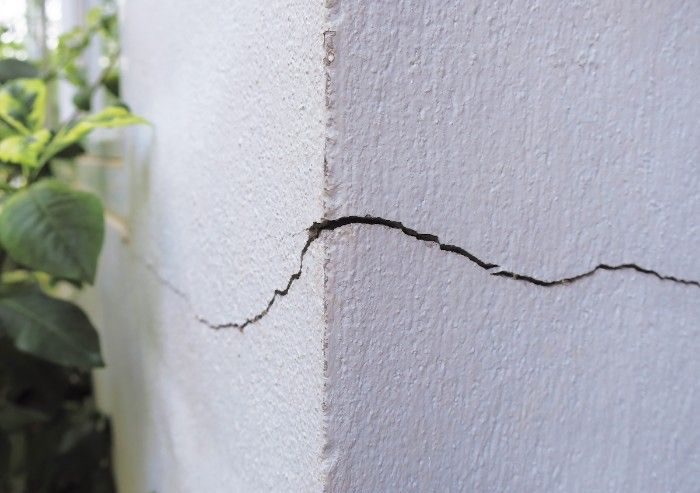
Foundation water damage starts small: a damp corner, a hairline crack, a little water near the floor drain after a storm. Left alone, water near your foundation can lead to basement flooding, mold and weakened building materials. Here is what causes it, the warning signs to watch for in south metro Minnesota homes, how insurance usually looks at it, and what to do right now.
What Causes Foundation Water Damage?
Most foundation water damage comes from water that collects around the house and has nowhere to go but in. Common causes include:
- Clogged gutters and short downspouts that dump roof water right next to the foundation.
- Grading that slopes toward the house instead of away from it.
- Heavy rain and spring snowmelt, especially when the ground is still frozen and cannot absorb water.
- Cracks in foundation walls or floors that let water seep through.
- Overflowing window wells without covers or working drains.
- A failed or overwhelmed sump pump during a storm or power outage.
In Minnesota, freeze-thaw cycles add stress. Water that gets into small cracks can freeze, expand and widen them over time. Late fall is a good time to check, because a few minutes with the gutters and downspouts now can prevent a wet basement during the spring thaw. Older homes with block foundations and newer homes with poured walls can both have problems, so it pays to look no matter when your house was built.
5 Warning Signs of Foundation Water Damage
- Damp or wet spots on basement walls or floors, especially after rain.
- White, chalky residue (efflorescence) on concrete or block walls, a sign that water has moved through.
- Cracks that grow or new cracks in walls or floors.
- A musty smell in the basement or crawl space.
- Peeling paint, warped paneling or damp carpet along exterior walls.
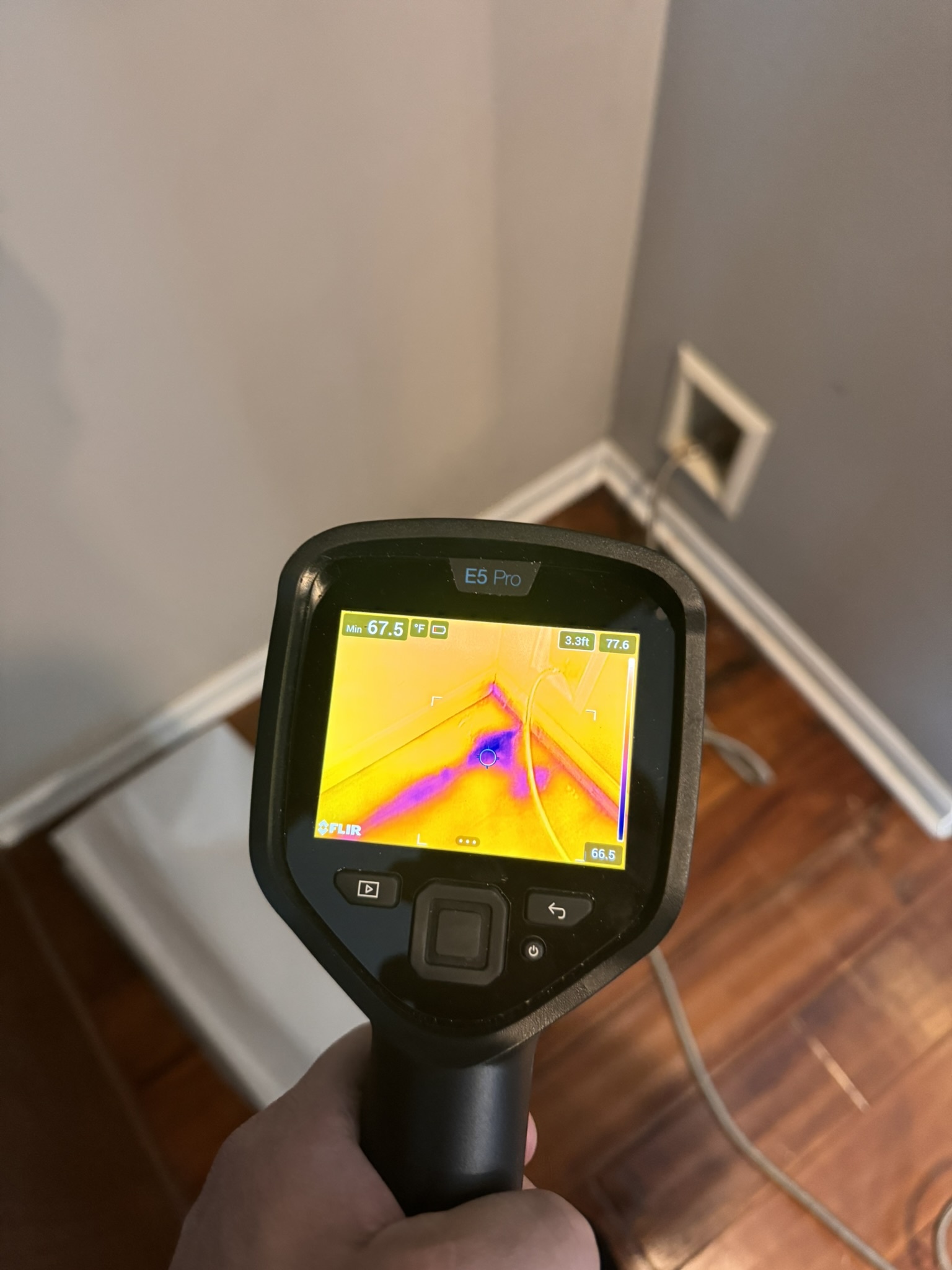
If you notice any of these, it is worth having moisture levels checked. Our IICRC-certified technicians use moisture meters and thermal imaging to see how far the water has traveled behind finishes.
Is Foundation Water Damage Covered by Insurance?
Coverage depends on your policy and on where the water came from. Every policy is different, so your insurance agent is the right person to ask. In general:
- Sudden, accidental events, such as a burst pipe, are often treated differently from gradual problems.
- Groundwater seepage over time, poor drainage or lack of maintenance are commonly excluded.
- Sewer or drain backup often requires a separate endorsement.
- Flooding from outside water usually requires flood insurance. FloodSmart.gov explains what flood policies cover.
Whatever your coverage, good documentation helps. We take photos and moisture readings as we work, and you can share them with your adjuster. We also work with your insurance company during the claim, though your insurer decides what is covered. You can also read our post on common restoration insurance claims in Minnesota.
What to Do About Foundation Water Damage Right Now
Some steps cost nothing and take a few minutes. Start with these:
- Walk around the house after the next rain and look for standing water near the foundation.
- Clear gutters and extend downspouts so water lands at least several feet from the house.
- Check your sump pump by pouring a bucket of water into the pit to make sure it turns on.
- Look at window wells for leaves, debris and standing water.
- Mark any cracks with a pencil and date so you can tell if they grow.
- Move valuables off the basement floor if you have had water before.
For more prevention ideas, see our 7 tips to keep water out of your basement.
When Water Is Already Inside
If water has already come into the basement, act quickly. The U.S. EPA recommends drying water-damaged areas within 24 to 48 hours to help prevent mold. Shut off power to wet areas only if you can do it from a dry spot, take photos, and call a restoration company.
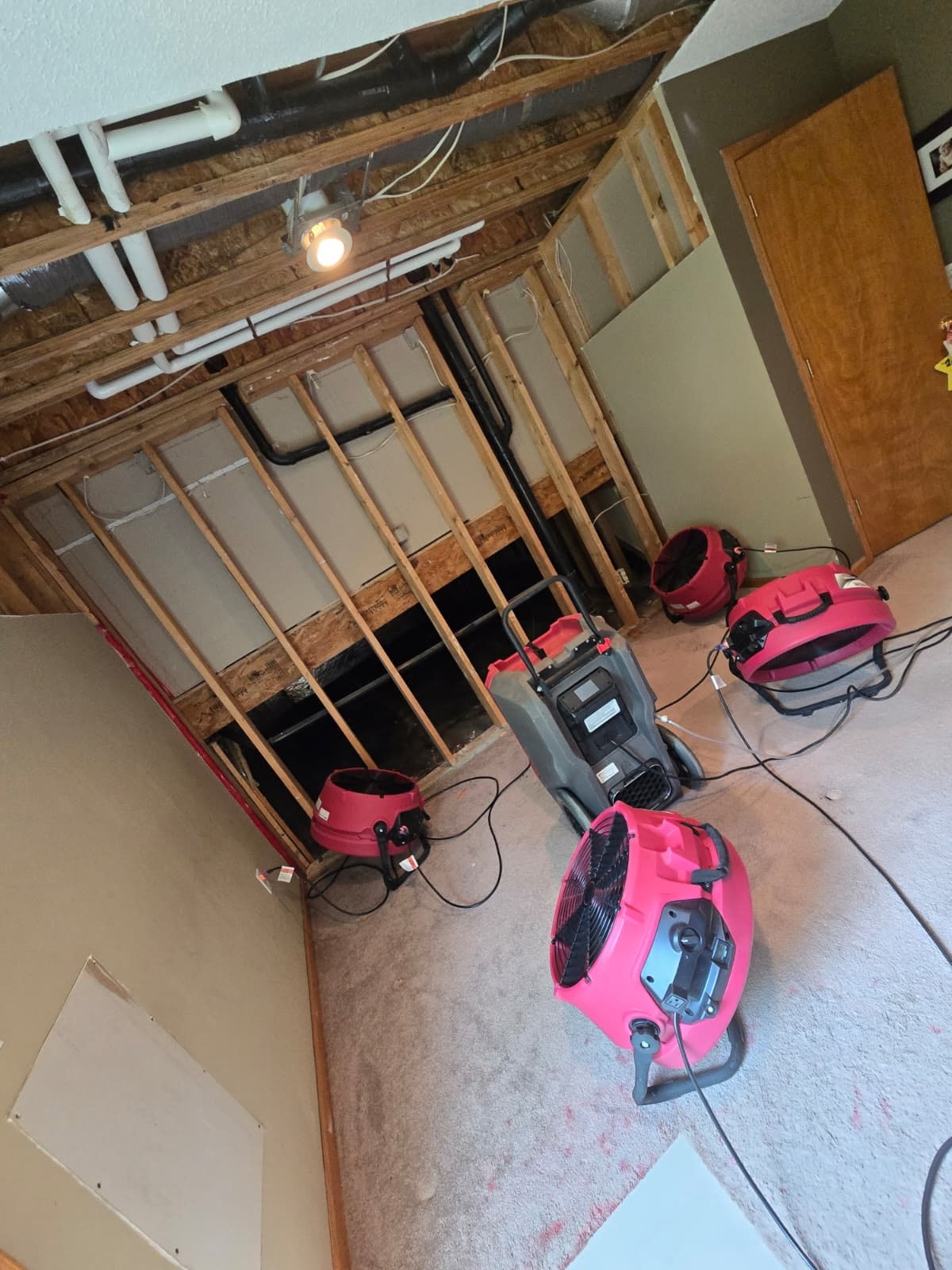
Our water damage restoration team removes standing water, dries the structure with air movers and dehumidifiers, and checks readings until materials are dry. If mold has started, our mold remediation team can contain and remove it. Repairing the foundation itself is work for a foundation contractor or structural engineer. We handle the water, drying and cleanup.
Why Finished Basements Need Extra Care
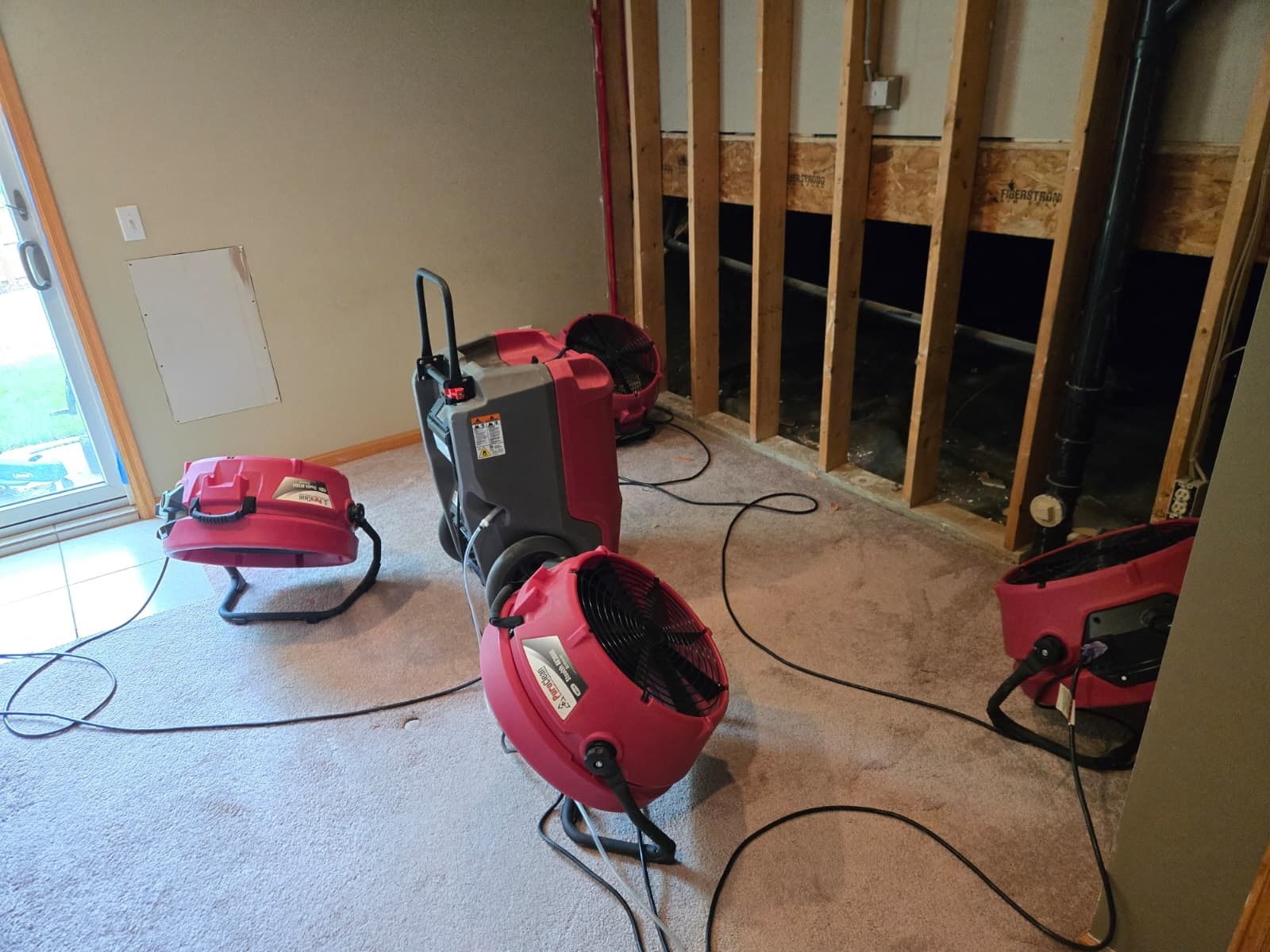
Many south metro homes have finished basements with carpet, drywall, built-ins and storage. That makes water harder to spot and harder to dry. Carpet pad soaks up water like a sponge. Drywall wicks moisture upward. Insulation behind the wall can stay wet long after the surface feels dry.
That is why we measure instead of guessing. Readings tell us which materials can be dried in place and which, like soaked pad or wet insulation, usually need to be removed. Keeping what can be saved and removing only what cannot keeps the repair smaller.
How Long Does Drying Take?
Many basements take three to five days of drying, but it depends on how much water came in, what got wet and the humidity. We check readings each visit and remove equipment once materials reach drying goals. Fixing the outside cause, like a downspout or grading problem, keeps the same foundation water damage from coming back next season.
Foundation Water Damage Help in the South Metro
PuroClean of Lakeville helps homeowners deal with foundation water damage across the south metro, including Lakeville, Apple Valley, Eagan, Burnsville, Rosemount, Farmington, Prior Lake and Savage.
Frequently Asked Questions
Is foundation water damage serious?
It can be. A small amount of seepage may be a drainage fix, but repeated water can lead to mold, damaged finishes and, over time, structural problems. Have it checked before it gets worse.
Should I call a restoration company or a foundation contractor?
Often both. A restoration company handles the water already inside: extraction, drying, mold prevention and cleanup. A foundation contractor or structural engineer evaluates and repairs cracks, settling or waterproofing. If water is coming in now, start with drying, because wet materials can grow mold within a couple of days.
Can I fix foundation water damage myself?
Drainage fixes like gutters, downspout extensions and grading are often DIY projects. Water that has soaked into drywall, carpet or framing needs professional drying, and cracks that are growing should be looked at by a foundation professional.
Call PuroClean of Lakeville
If you are seeing signs of foundation water damage or water is already in your basement, call PuroClean of Lakeville 24/7 at (952) 377-8477.