 PuroClean of Lakeville
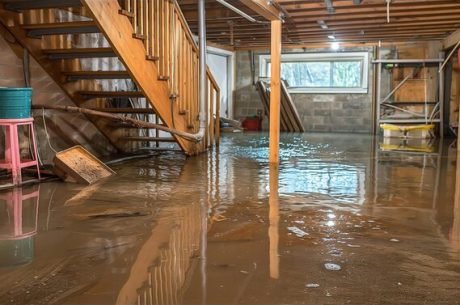
 Flooding can cause significant damage to homes and businesses, and preventing it from outside water sources is crucial. Whether you live in Lakeville, Apple Valley, Burnsville, Prior Lake, Eagan, Rosemount, or any of the high-value cities across Iowa and Wisconsin such as West Des Moines, Cedar Rapids, Davenport, Madison, and Waukesha, taking proactive steps to prevent flooding can save you from costly repairs and water damage restoration services. Here’s how you can safeguard your property.
1. Proper Drainage System Maintenance
Ensuring that your property has a functional and clear drainage system is essential to preventing water from accumulating near your home. Clean gutters, downspouts, and drainage pipes regularly to keep debris from blocking water flow.
Key Areas to Focus On:
- Gutters and Downspouts: Make sure gutters are free of leaves and debris. Extend downspouts away from your home’s foundation to direct water flow further away.
- French Drains: Install or maintain French drains around your property to redirect water and prevent it from pooling around your foundation.
- Sump Pumps: Install or maintain a sump pump to prevent basement flooding. Regularly test it to ensure it’s working properly during heavy rain.
2. Grade Your Yard Away from Your Foundation
The ground around your house should slope away from the foundation to prevent water from flowing toward your home. This grading helps water naturally move away from your home and prevents flooding near your basement or foundation.
How to Grade:
- Backfill Low Areas: If you have low areas near your home, backfill with soil to create a slope that moves water away from your property.
- Ensure Proper Landscaping: Choose plants and bushes that won’t obstruct water flow and ensure the landscaping supports proper drainage.
3. Seal Cracks and Gaps in Your Foundation
Water can easily seep into your home through cracks in the foundation. Inspect your home’s foundation for any visible cracks and seal them properly to prevent water intrusion.
How to Seal Cracks:
- Foundation Sealer: Use a high-quality waterproof sealant for visible cracks. For larger cracks, consult a professional to ensure the correct sealing method.
- Check Window Wells: Ensure that window wells are properly sealed and that there is no standing water inside. Install window well covers to prevent debris and rainwater from entering.
4. Install Flood Barriers and Backflow Valves
Flood barriers and backflow valves can help prevent water from entering your home during heavy rainfall or storms. These measures are especially beneficial in areas with frequent flooding like Madison, Wisconsin, and Cedar Rapids, Iowa.
Flood Barriers:
- Portable Barriers: Install temporary flood barriers when heavy rain is expected, especially around doorways and windows.
- Permanent Barriers: Consider installing permanent barriers such as berms or walls to keep water away from your foundation.
Backflow Valves:
- Sewer Backup Prevention: Install a backflow valve in your sewer line to prevent sewage from backing up into your home during heavy rain or flooding.
5. Maintain Landscaping to Redirect Water
Landscaping can help with flood prevention if done correctly. Create areas on your property where water can be directed away from the house.
Tips for Effective Landscaping:
- Rain Gardens: Plant a rain garden with native plants that absorb water and prevent it from flowing toward your home.
- Berms and Swales: Create berms or swales in your yard to channel water away from your home. This will direct water to a designated runoff area.
6. Install a Waterproof Membrane
Installing a waterproof membrane around your home’s foundation can help create an additional barrier against water intrusion. This is particularly useful in flood-prone areas like West Des Moines, Iowa, and Waukesha, Wisconsin.
How It Works:
- Membrane Installation: A waterproof membrane is typically applied to the exterior of your home’s foundation. This can help prevent moisture from seeping into your basement or crawlspace during heavy rain.
7.
Consider Professional Floodproofing Solutions
For those who live in areas with frequent or severe flooding, professional floodproofing solutions may be necessary. This could include elevating your home, installing flood vents, or installing a sump pump system with battery backup.
When to Call a Professional:
- Severe Flood Zones: If your property is in a severe flood zone, consider elevating your home or seeking professional advice on floodproofing techniques.
- Flood Damage: If you experience water intrusion or flooding despite preventive measures, contact a professional restoration company like PuroClean for assistance.
8.
Monitor the Weather and Flood Alerts
Stay informed about weather conditions that could cause flooding in your area. In regions like Lakeville, Minnesota, and Rosemount, Minnesota, heavy rains and storms can cause flash flooding, so monitoring local weather alerts is essential.
How to Monitor:
- Weather Apps: Use a weather app to receive notifications about upcoming storms or flood warnings in your area.
- NOAA Weather Radio: Invest in a NOAA weather radio for real-time updates about weather conditions and flood warnings.
Conclusion
Preventing flooding in your home from outside water involves proper planning and maintenance. By keeping your gutters clean, grading your yard, sealing foundation cracks, and using flood barriers, you can reduce the risk of water damage and flooding. If you live in cities like Burnsville, Minnesota, Davenport, Iowa, or Madison, Wisconsin, which are prone to severe weather and flooding, consider taking additional precautions to protect your property. For professional flood prevention and water damage restoration, contact PuroClean of Lakeville—serving the Twin Cities and surrounding areas, including West Des Moines, Cedar Rapids, Davenport, Madison, and Waukesha.
This blog is optimized for SEO, mentioning key cities in the Twin Cities, Iowa, and Wisconsin, and using flood-related terms to boost visibility in search engines.

 PuroClean of Lakeville