


Knowing what to do in a flood protects your family first and your home second. Floods in Minnesota come from heavy rain, spring snowmelt, rising rivers and creeks, or a broken pipe inside the house. This guide walks through what to do before, during and after a flood, with advice from the IICRC-certified team at PuroClean of Lakeville, serving Lakeville, Apple Valley, Eagan and the south metro.

What to Do in a Flood: Before the Water Rises
The best time to learn what to do in a flood is before one happens. Preparation takes an afternoon and pays off when the forecast turns bad:
- Sign up for alerts. Turn on emergency alerts on your phone and follow the National Weather Service Twin Cities office for watches and warnings.
- Know your shutoffs. Find your main water valve and electrical panel now, while the floor is dry.
- Test your sump pump. Pour a bucket of water into the pit and make sure it turns on. A battery backup helps during storms that knock out power.
- Move valuables up. Store important papers, photos and keepsakes off the basement floor in waterproof bins.
- Build a kit. Water, food, flashlights, batteries, medications, phone chargers and copies of insurance documents. Ready.gov has a full flood checklist.
What to Do in a Flood While It Is Happening
When flooding starts, safety comes first. Property can be dried and repaired. People cannot be replaced.
- Stay informed. Follow local weather updates and instructions from officials. If you are told to evacuate, go.
- Move to higher ground. If water is rising around you, go to the highest safe level of the building. Avoid closed attics where you could be trapped.
- Avoid electrical hazards. Do not touch electrical equipment or cords while standing in water. Shut off power at the breaker only if you can reach it from a dry spot.
- Never walk or drive through floodwater. Water can be deeper and faster than it looks. The National Weather Service puts it simply: Turn Around, Don’t Drown.
What to Do After the Flood
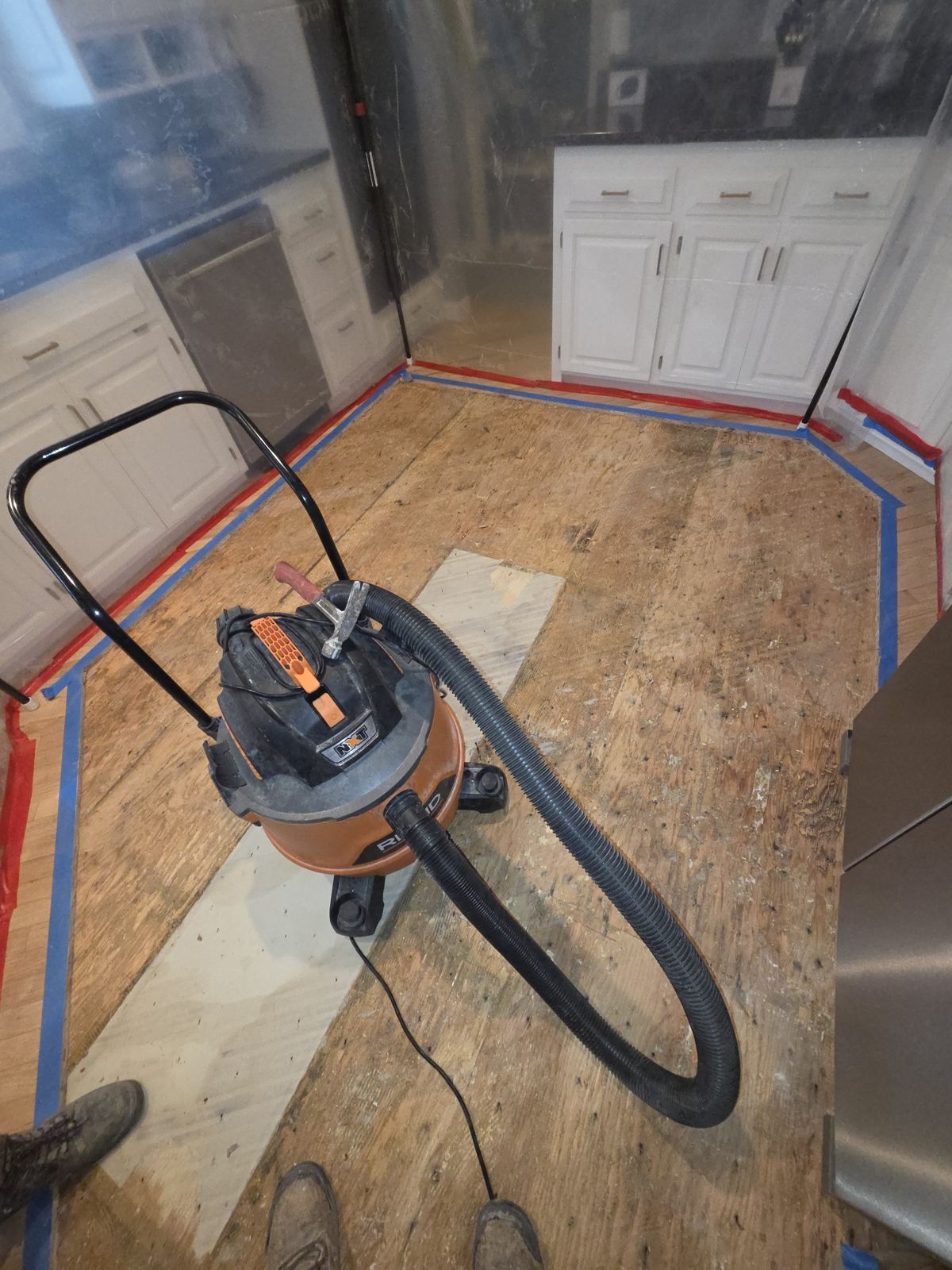
Knowing what to do in a flood does not end when the rain stops. Once the water stops rising and it is safe to go back in, the clock starts on cleanup:
- Check for structural damage. Look for sagging ceilings, cracked walls or shifted floors. If something looks unsafe, stay out and have it inspected.
- Document everything. Take photos and video of the water, the damage and damaged belongings before you move or throw anything out.
- Call your insurance agent. Report the loss and ask what your policy covers. Flood damage from outside water usually requires flood insurance, which FloodSmart.gov explains.
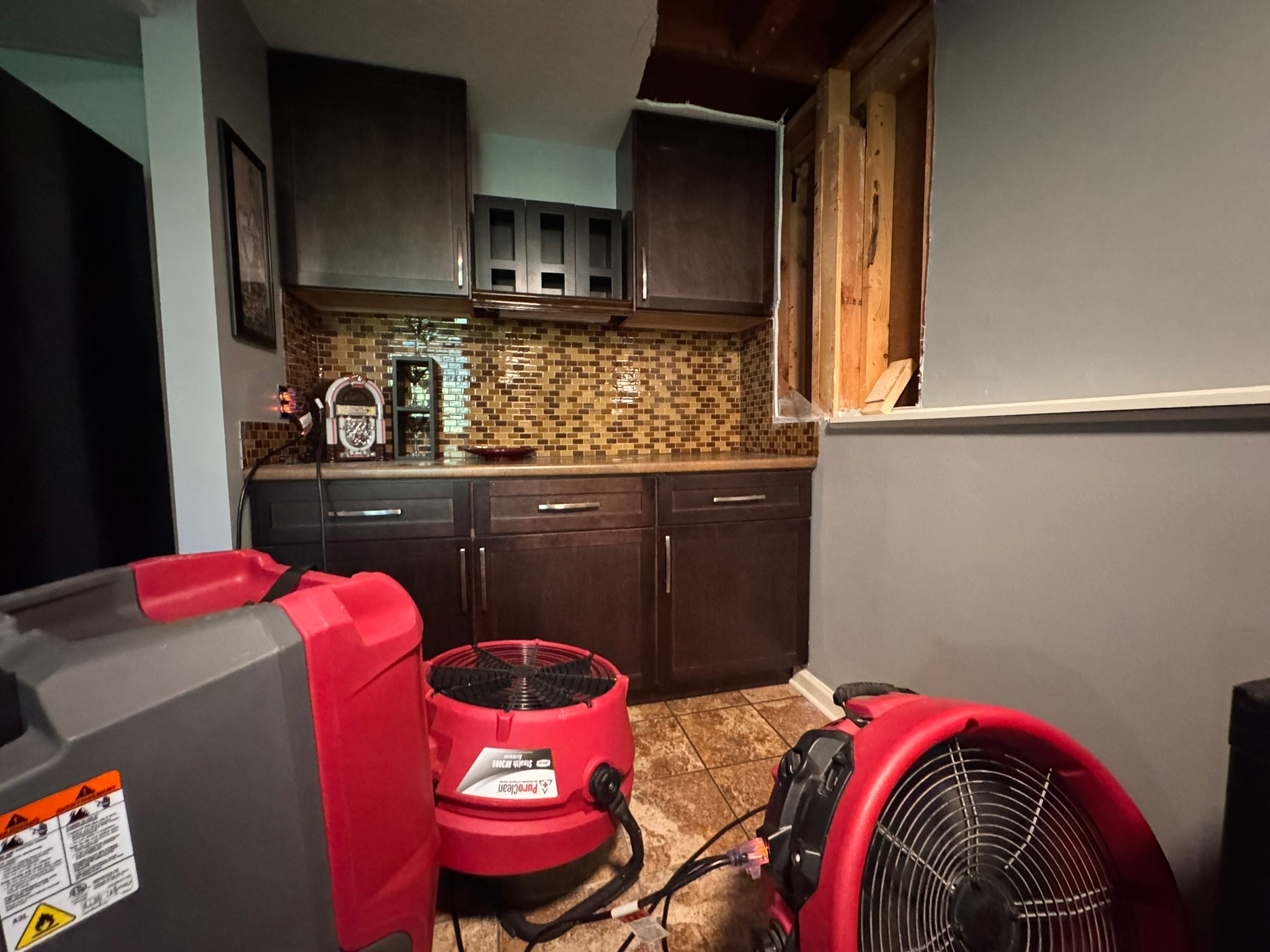
- Start drying fast. Mold can begin to grow within 24 to 48 hours, according to the U.S. EPA. Open windows if the air outside is drier, and run fans and dehumidifiers if it is safe to use electricity.
- Treat floodwater as contaminated. Outside floodwater and sewer backups can carry bacteria. Wear gloves and boots, and keep kids and pets away.
- Watch for mold. Check basements, closets and the bottom of walls for musty smells and spots.
What to Do in a Flood at Your Business
Businesses need a plan too. Make sure employees know what to do in a flood: where to go, who shuts off utilities and how you will reach each other. Keep inventory and records off the floor in storage rooms and basements, back up important files off-site, and keep a list of vendors you would call. After the water goes down, document damage before cleanup starts, just as you would at home. Our commercial restoration services help south metro businesses get back to work.
Common Mistakes After a Flood
Even people who know what to do in a flood can slip up during cleanup. Avoid these:
- Waiting to see if it dries on its own. Wet drywall, carpet pad and insulation rarely dry fully without equipment.
- Using household fans only. They move air but do not pull moisture out the way dehumidifiers do.
- Throwing things away before documenting them. Photos first, then cleanup.
- Running a gas generator indoors or in a garage. Carbon monoxide can build up fast. Keep generators outside and away from windows.
- Skipping protective gear. Gloves, boots and eye protection matter when the water came from outside or a sewer.
How PuroClean of Lakeville Helps After a Flood
Part of knowing what to do in a flood is knowing who to call. Once your family is safe, our team handles the cleanup. Here is what we do:
- Water removal and extraction with truck-mounted and portable equipment.
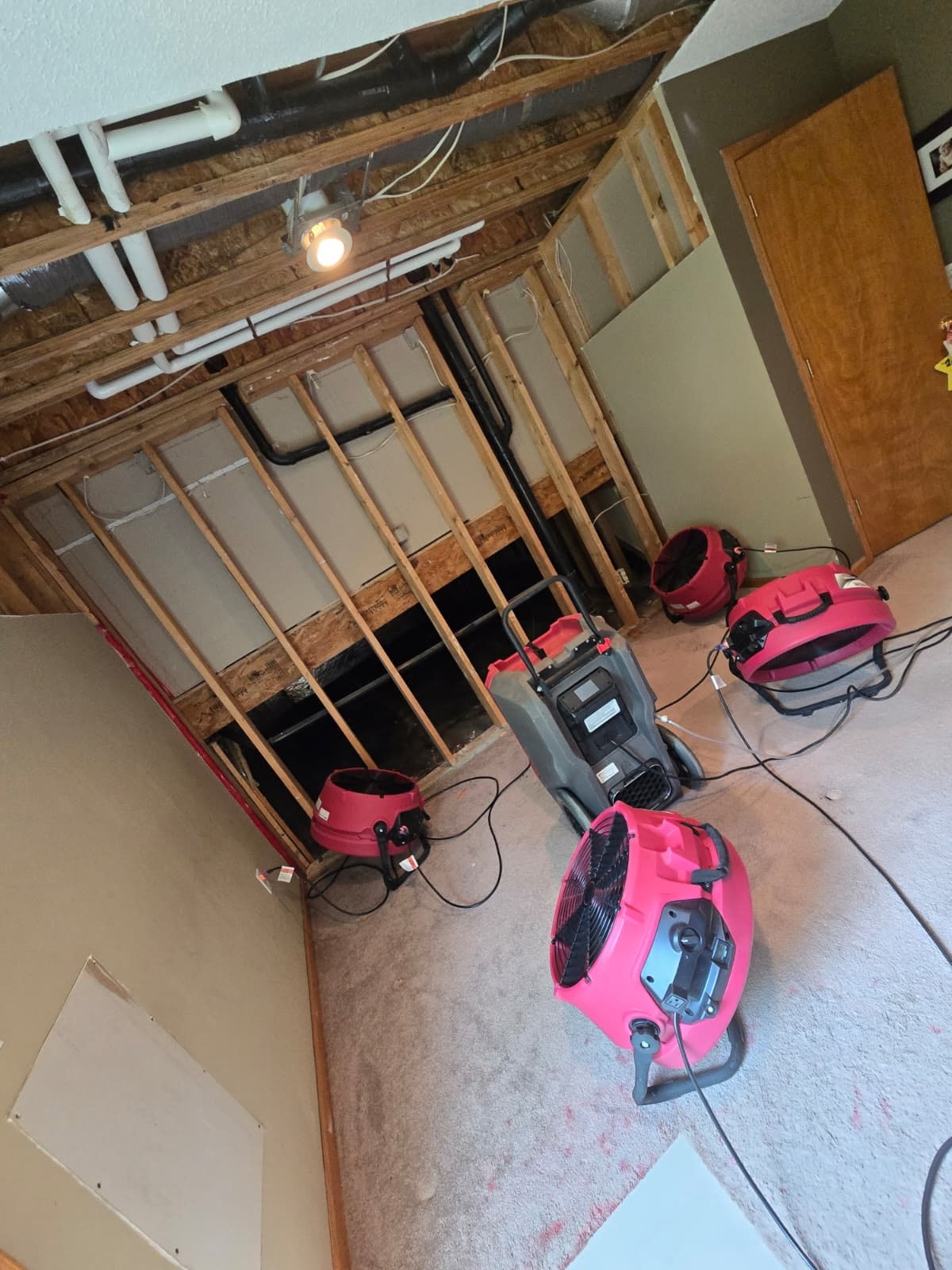
- Structural drying with air movers and dehumidifiers, checked with moisture meters until materials are dry.
- Cleaning and sanitizing of surfaces touched by contaminated water.
- Mold remediation if mold has started to grow.
- Repairs to drywall, flooring and trim once the structure is dry.
Learn more about our water damage restoration process. If the flooding came from a sewer line, see our biohazard cleanup service.
Why Choose PuroClean of Lakeville?
- 24/7 availability. Floods do not wait for business hours, and we answer calls around the clock.
- IICRC-certified technicians trained in water damage restoration and mold remediation.
- Locally owned and operated from our office in Rosemount, with the support of the national PuroClean network.
- Clear documentation. We take photos and moisture readings as we work, which you can share with your insurance adjuster. We work with your insurance company during the claim.
Flood Cleanup Across the South Metro
We help homeowners and businesses who need to know what to do in a flood across Lakeville, Apple Valley, Eagan, Burnsville, Rosemount, Farmington, Prior Lake and Savage. To lower your risk next time, read our tips for preventing flooding in your home.
Frequently Asked Questions
What to do in a flood if you have a finished basement?
Stay out of standing water near outlets, move what you can upstairs, document the damage and get drying started quickly. Carpet pad and drywall soak up water and usually need professional drying or removal.
Should I stay home during a flood?
Follow instructions from local officials. If you are told to evacuate, leave. If you stay, move to the highest safe level and keep your phone charged.
Who do I call after a flood?
Call 911 for any emergency. Then call your insurance agent and a restoration company to start extraction and drying.
Live near a river? Our local pages explain what to do in a flood for river towns, including Shakopee, Hastings, Chaska and Stillwater.
Savage residents can read about the 1965 and 2024 Minnesota River crests on our water damage restoration in Savage page.
Call PuroClean of Lakeville 24/7
Now you know what to do in a flood. If water is already in your home, call PuroClean of Lakeville at (952) 377-8477 and we will help you take the next step.