


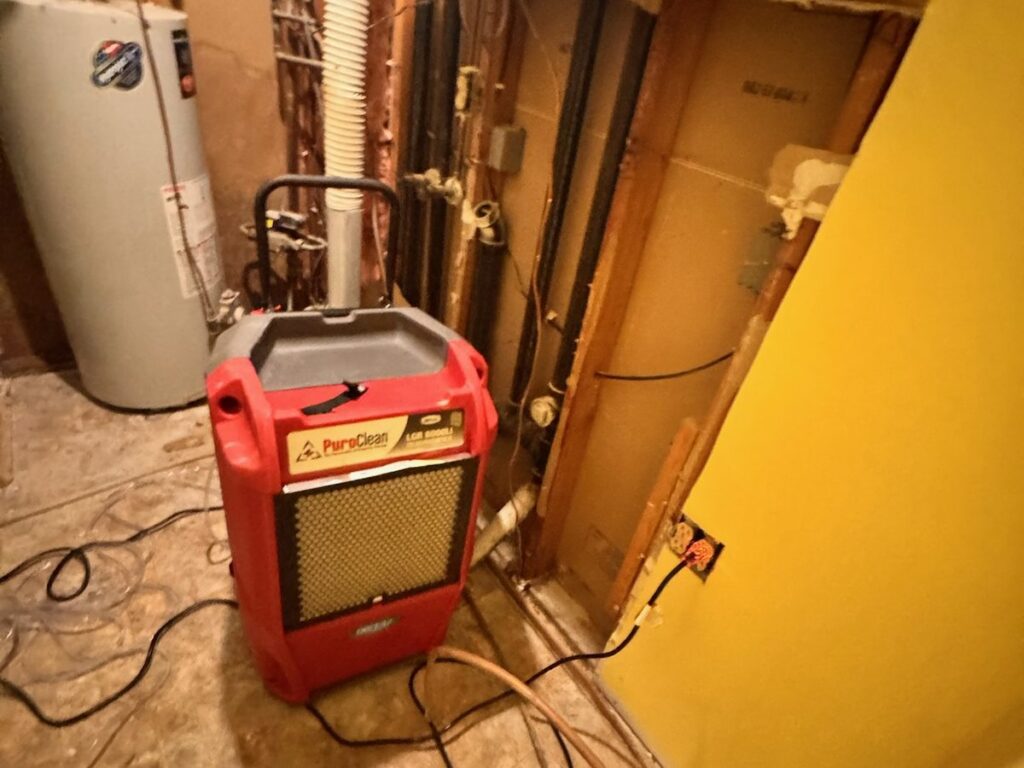
Thanksgiving week in Apple Valley means a full house, a full oven, and a sink that never seems to empty. It also means more fats, grease, and paper going down the drains than at almost any other time of year. If a floor drain gurgles, a basement toilet backs up, or dark water appears near the water heater, this guide walks you through sewage backup cleanup in Apple Valley: what to do in the first hour, who to call first, and how to stay safe.
A Cold, Dry Thanksgiving Week: Why Drains Take the Hit
The National Weather Service Twin Cities office expects a cold start to the week, with highs in the upper 20s to near 30 across much of the area today and lows in the low to mid teens tonight. The NWS forecast for Apple Valley calls for a high near 31 today, about 34 Tuesday and 37 Wednesday, then a mostly sunny Thanksgiving with a high near 39. No winter weather advisories are in effect for the metro right now.
Quiet weather is good news for travel, but it means the biggest risk in many homes this week is indoors. Holiday cooking produces turkey drippings, gravy, butter, and cooking oil. The Metropolitan Council warns that grease poured down a sink sticks to wipes and paper in sewer pipes, forming “fatbergs” that can clog pipes and cause sewage backups into homes. Add extra guests, extra showers, and extra laundry, and a partly clogged line can reach its limit fast.
Why Sewage Backups Happen in Apple Valley Homes
According to the City of Apple Valley, sanitary sewer blockages are typically caused by roots, grease, and items that should never be flushed, such as disposable wipes, paper towels, feminine hygiene products, and washing machine lint. Tree roots can work into cracks and joints in older service lines, and grease and soap residue build up over time. For more background, see our earlier article on the common causes of sewage backup.
Because the lowest drain in the house is usually a basement floor drain, that’s where sewage tends to show up first, often near the water heater, furnace, or laundry area.
Sewage Backup Cleanup in Apple Valley: The First Hour
- Stop using water. Don’t flush toilets, run the dishwasher, or do laundry. Every gallon you send down the drain has nowhere to go but back up.
- Keep people and pets away. Close off the area, especially from kids. Sewage can carry bacteria and viruses.
- Watch for electrical hazards. Don’t walk into standing water near outlets, cords, or appliances. If water may be touching wiring, stay out and call a licensed electrician or your utility.
- Call the city before a drain company. Apple Valley advises calling Public Works at (952) 953-2400 (Monday to Friday, 7 a.m. to 3:30 p.m.), or 911 after hours, so a utilities crew can check whether the blockage is in the city’s main. That call could save you an unnecessary drain-cleaning charge.
- Take photos and video of the water, the drain, and damaged items before anything is moved. The Minnesota Department of Health notes that pictures help with insurance claims.
- Call a restoration professional for the cleanup itself, especially if sewage reached carpet, drywall, or finished areas.
Safety First: Why Sewage Is Different From Clean Water
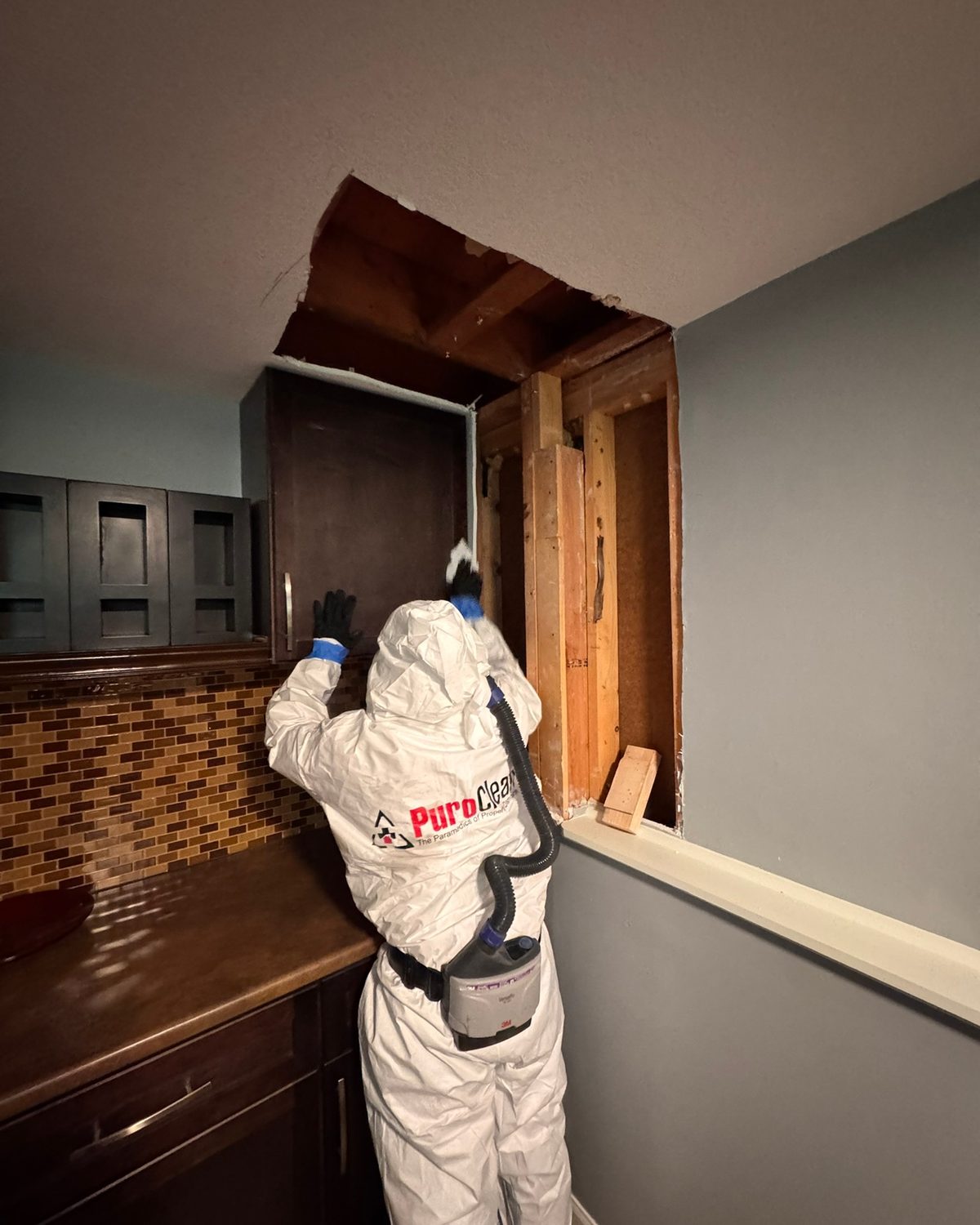
A leak from a supply line and a backup from a sewer line are not the same job. The IICRC S500 water damage standard treats sewage as Category 3, or “grossly contaminated,” water. That’s why the Minnesota Department of Health recommends an N-95 respirator, rubber boots, rubber gloves, long sleeves and pants, and eye goggles when cleaning up after flooding, and advises throwing away porous items that touched the water, including wallboard, insulation, carpeting, seat cushions, and mattresses.
People with lung conditions or weakened immune systems may be more vulnerable to contaminants, so they should stay away from the cleanup. If the backup is small, limited to a bare concrete floor, and you have the right protective gear, MDH guidance explains how to scrub, rinse, and disinfect hard surfaces. For anything larger, or anything that soaked into finished materials, it’s safer to bring in a team trained for it.
Time Matters: Drying Within 24 to 48 Hours
Once the sewage is removed, the drying clock is running. The EPA advises drying water-damaged materials within 24 to 48 hours to prevent mold growth. Drywall wicks water upward, carpet pad holds it, and the bottom plates of finished basement walls can stay wet long after the floor looks dry. Our biohazard cleanup team removes contaminated materials, cleans and disinfects affected areas, and uses moisture meters, extraction equipment, air movers, and dehumidifiers to dry the structure, documenting each step as we go.
Before Guests Arrive: A Quick Prevention Checklist
- Pour cooled grease and drippings into a can or jar and put it in the trash, not the sink.
- Scrape plates and pans into the trash before rinsing.
- Keep a trash can in every bathroom so guests don’t flush wipes or paper towels. The Metropolitan Council says even wipes labeled “flushable” don’t break down.
- Spread out laundry and dishwasher loads over the holiday weekend.
- Know where your floor drain is and keep boxes and stored items up off the floor nearby.
- If your home has older trees near the sewer line or a history of slow drains, schedule a sewer line cleaning before the holidays.
Insurance Tips for a Sewage Backup
The City of Apple Valley points out that most homeowner policies exclude sewer backup damage, though many insurers sell a sewer backup rider. Only your insurer can tell you what your policy covers. A few steps help either way:
- Call your insurance agent early and ask what they need from you.
- Write down when the backup started and what you’ve done since.
- Keep photos, video, and any damaged items until your adjuster says otherwise.
- Save receipts for drain cleaning, plumbing, and anything you buy to protect the home.
We work with insurance companies every day. We document each job with photos, moisture readings, and a written scope you can share with your adjuster, and we can bill your insurance company directly. Coverage decisions are always up to your insurer.
Sewage Backup Cleanup FAQ
Can I just mop it up and use bleach?
For a small backup on bare concrete, with proper protective gear, MDH guidance covers cleaning, rinsing, and disinfecting hard surfaces. Carpet, drywall, and other porous materials that touched sewage generally need to be removed, which is where professional help makes sense.
Who fixes the pipe, and who cleans the house?
In Apple Valley, the property owner is responsible for clearing blockages in the service line between the home and the city main, and for cleaning up any damage. A plumber or drain company clears the line. A restoration company handles the cleanup and drying.
Do you serve Apple Valley?
Yes. PuroClean of Lakeville serves Apple Valley and the entire Twin Cities south metro. Learn more about our water damage restoration in Apple Valley and our restoration services in Apple Valley.
Sewage in Your Basement? Call PuroClean of Lakeville 24/7
You don’t have to figure this out alone, even on a holiday. A quick call is the easiest first step. Our licensed and insured team of IICRC-certified technicians answers 24/7, arrives on-site quickly, and gives you a free estimate. Call (952) 377-8477 any time, day or night, or request a free estimate online.