


Table of Contents
The rainy season can cause serious water damage when heavy rain overwhelms gutters, drains, roofs, foundations, basements, and plumbing systems. Homeowners and business owners in Lanham, MD can reduce risk by inspecting the property before storms, correcting drainage problems, maintaining sump pumps, sealing exterior openings, and responding quickly to leaks or flooding. Early prevention is much easier than dealing with structural damage, mold growth, or emergency restoration.
What Makes the Rainy Season Dangerous for Properties?
The rainy season is dangerous because repeated or heavy rainfall can expose weak points in a building. Water may enter through roof damage, foundation cracks, clogged gutters, poor grading, sewer backups, or worn exterior seals.
A single storm can cause visible flooding, but repeated moisture can be just as harmful. Over time, water intrusion can weaken materials, damage insulation, stain walls and ceilings, and create conditions for mold growth.
In areas like Lanham, MD, where storms can bring heavy rain and wind, property owners should treat seasonal maintenance as part of their water damage prevention plan.
How Heavy Rain Causes Water Damage
Water damage happens when unwanted moisture enters a building and affects materials such as drywall, flooring, insulation, framing, roofing, or foundation components. Heavy rain can cause damage from above, below, and around the property.

Basement Flooding
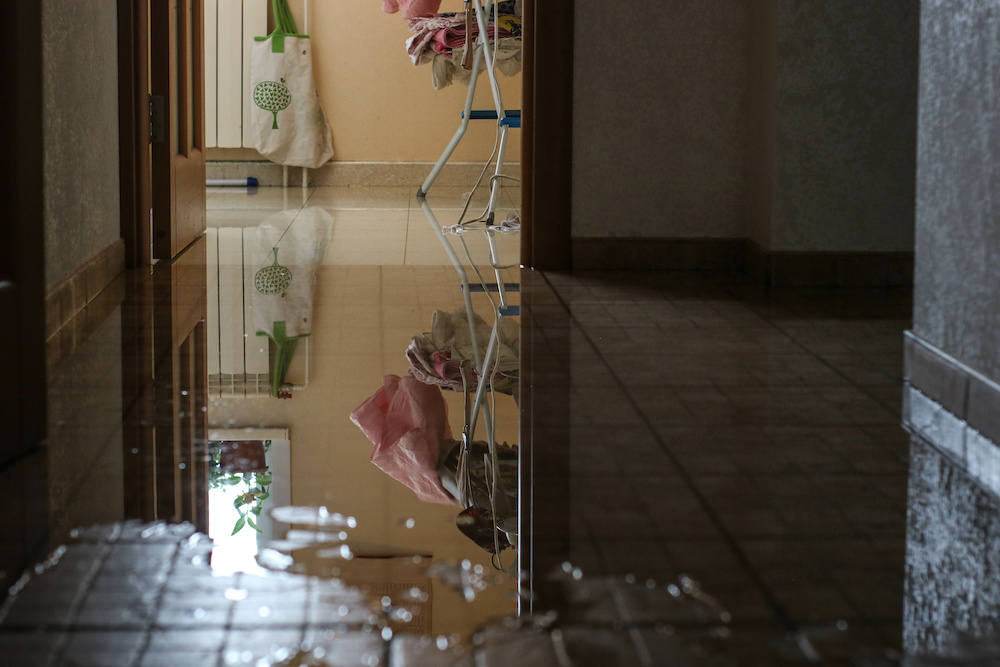
Basements are especially vulnerable during heavy rain. When soil around the foundation becomes saturated, water pressure can push moisture through concrete floors, cinderblock walls, cracks, or gaps around utility lines.
A working sump pump, clear stairwell drains, and proper exterior grading can help lower the risk of basement flooding. If a basement already smells damp or shows water stains after storms, it may need inspection before the next major rainfall.
Foundation Cracks and Drainage Problems
Rainwater should move away from the building, not collect around the foundation. If downspouts are too short or the ground slopes toward the structure, water can sit near the base of the property and increase pressure on foundation walls.
Over time, this can worsen small cracks and allow more moisture to enter. Foundation-related storm damage is often gradual, which is why routine inspections are important.
Roof Leaks and Gutter Issues
A roof does not need a major hole to leak. Missing shingles, damaged flashing, clogged gutters, or worn seals around vents and skylights can allow rainwater to enter the attic or upper walls.
Gutters also play a major role. When they are clogged or poorly installed, water can back up onto the roof or spill beside the foundation. Both problems increase the chance of rain damage inside the home or business.
Siding, Windows, and Exterior Seals
Water can enter through loose siding, cracked caulking, worn window seals, and gaps around exterior vents. These entry points may be small, but repeated rain can drive moisture behind walls.
Once water gets behind siding or trim, it may damage sheathing, insulation, and interior finishes. Mold can also develop if the area remains damp.
Sewer Backup and Drain Overflow
Heavy rain can overwhelm local sewer and drainage systems. When this happens, water or sewage may back up through floor drains, toilets, sinks, or basement plumbing fixtures.
A sewer backup can create both water damage and contamination concerns. Homes and businesses with lower-level drains may benefit from check valves or backflow prevention devices installed by a qualified professional.
Rainy Season Property Risk Table
| Risk Area | How Rain Causes Damage | What to Check |
|---|---|---|
| Roof | Water enters through damaged shingles, flashing, or vents | Missing shingles, attic stains, roof age, loose flashing |
| Gutters | Overflow sends water toward the roofline or foundation | Clogs, sagging sections, short downspouts |
| Foundation | Saturated soil pushes water through cracks or porous materials | Cracks, pooling water, damp basement walls |
| Basement | Water enters through floors, walls, drains, or stairwells | Sump pump, drains, stored items, moisture signs |
| Windows and doors | Failed seals allow wind-driven rain inside | Cracked caulking, gaps, soft trim |
| Sewer lines | Heavy rain overloads systems and causes backups | Floor drains, prior backups, backflow protection |
How to Protect Your Property During the Rainy Season
Preventing water damage starts before the storm arrives. A simple inspection can help identify problems that may become expensive during repeated heavy rain.
1. Inspect the Exterior Twice a Year
Walk around the property before and after the rainy season. Look for loose shingles, damaged siding, cracked caulking, clogged gutters, and areas where water collects near the foundation.
Small repairs should not be delayed. A minor exterior gap can become a major leak when rain continues for several days.
2. Keep Gutters and Downspouts Clear
Gutters should move water away from the roof and foundation. If they are blocked, water may overflow and enter areas where it can damage the structure.
Downspouts should direct water several feet away from the property. If water pools near the foundation, extensions or drainage improvements may be needed.
3. Check Windows, Doors, Vents, and Chimneys
Rain often enters through weak seals around exterior openings. Check caulking around windows, doors, skylights, plumbing vents, and chimneys.
A chimney cap can also help prevent rainwater from entering the chimney. If flashing or sealants are cracked or loose, repairs should be made before heavy rain becomes frequent.
4. Test the Sump Pump
If your property has a sump pump, test it before storm season. A sump pump that fails during a storm can allow water to rise quickly in the basement.
Pour water into the sump pit to confirm the pump turns on and removes water properly. A battery backup is also helpful because storms can cause power outages.
5. Protect Stored Items in the Basement
Basement storage should be kept off the floor whenever possible. Use shelves, plastic bins, or pallets to reduce the risk of damage if minor flooding occurs.
This is especially important for paper records, boxes, electronics, furniture, and seasonal items. Even a small amount of standing water can ruin belongings and create mold risk.
Warning Signs of Water Damage After Heavy Rain
After heavy rain, inspect the property for signs of moisture. Some damage is obvious, but hidden leaks may only show through stains, odors, or material changes.
Common warning signs include damp smells, ceiling stains, bubbling paint, soft drywall, warped floors, mold growth, rust, or water pooling near walls. If these signs appear, the source should be addressed quickly to prevent additional water damage and mold issues.
What to Do If Rain Causes Water Damage
If rainwater enters your home or business, act quickly. Stop the source if possible, avoid unsafe electrical areas, and move dry items away from wet materials.
For larger leaks, basement flooding, sewer backup, or soaked building materials, contact a professional restoration company. Water can travel behind walls, under flooring, and into insulation, even when the surface looks dry.
PuroClean helps property owners in Lanham, MD with water removal, drying, cleanup, and restoration after storm-related damage.
FAQs About Rainy Season Water Damage
What damage can the rainy season cause?
The rainy season can cause roof leaks, basement flooding, foundation damage, sewer backup, mold growth, and interior water damage. The risk increases when gutters, drains, roofs, or exterior seals are not properly maintained.
How can I prevent water damage during heavy rain?
Clean gutters, extend downspouts, test your sump pump, inspect your roof, seal exterior gaps, and make sure water drains away from the foundation. These steps help reduce the chance of water entering your home or business.
Why does my basement flood when it rains?
Basements often flood because water collects around the foundation, enters through cracks, overwhelms drains, or rises through the sump pit. Poor grading, clogged gutters, and failed sump pumps are common causes.
Can water damage lead to mold?
Yes. Moisture can support mold growth when wet materials are not dried quickly and properly. Drywall, carpet, insulation, wood, and stored items are especially vulnerable after leaks or flooding.
When should I call a water damage restoration company?
Call a restoration company if water enters the building, materials remain wet, mold appears, or the source of moisture is unclear. Professional drying helps reduce hidden moisture and secondary damage.
Call PuroClean for Water Damage Restoration in Lanham, MD
The rainy season can create serious problems for homes and businesses, but quick action can reduce the damage. If your property has suffered storm-related water damage, PuroClean in Lanham, MD is ready to help.
Call PuroClean today at (301) 277-2755 for professional water damage restoration, cleanup, and drying services in Lanham, MD and the surrounding areas.
Key Takeaways
- For water damage restoration in Lanham, MD, contact PuroClean at (301) 277-2755.
- The rainy season can expose weak points in roofs, gutters, foundations, basements, and plumbing systems.
- Heavy rain can lead to water damage, mold growth, sewer backup, and structural problems.
- Clean gutters and extended downspouts help move water away from the property.
- Sump pumps should be tested before heavy storms arrive.
- Exterior seals around windows, doors, vents, skylights, and chimneys should be inspected regularly.
- Basement items should be stored off the floor to reduce damage risk.
Read also about: