


Table of Contents
A recent fire damage mitigation project in Upper Marlboro, MD highlights how specialized smoke and odor mitigation techniques can prepare the home for reconstruction after a devastating fire. PuroClean helped homeowners recover after an unusual fire damaged their deck, roof, and attic, using advanced ice blasting and odor sealing to eliminate smoke contamination, remove persistent odors, and prepare the property for the rebuilding phase.
A Unique Fire Damage Mitigation Project in Upper Marlboro, MD

Not all fire damage claims start the same way.
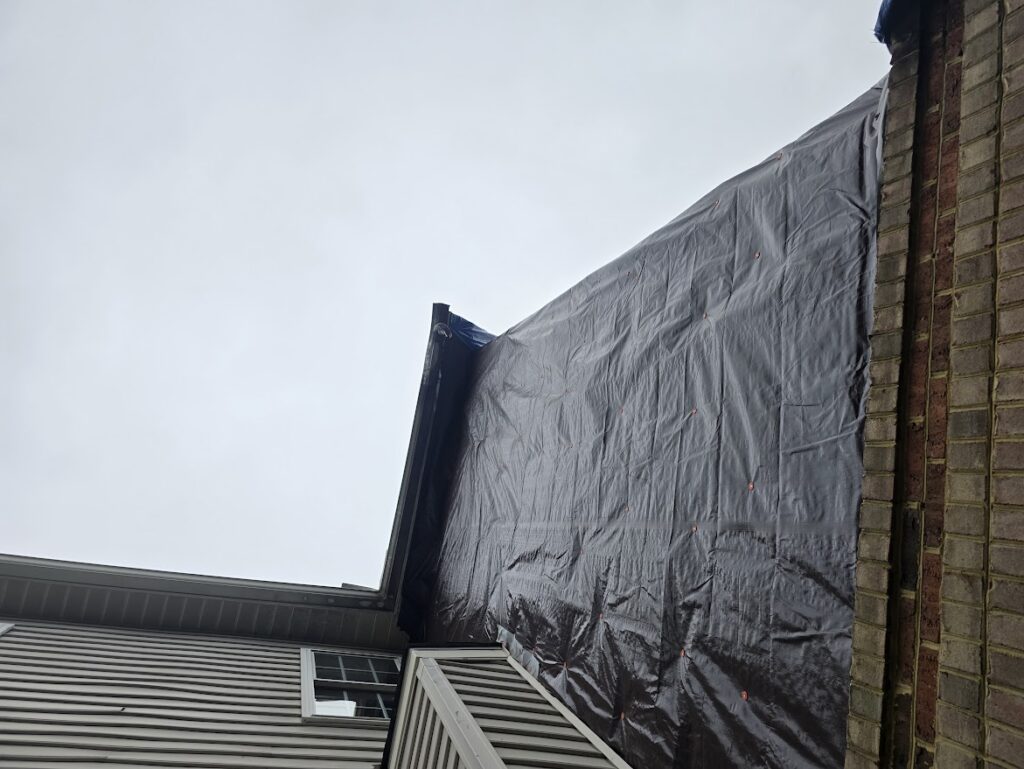
In this case, homeowners in Upper Marlboro experienced a devastating house fire that damaged the rear of their property, including the back deck, roof structure, and attic. After investigating the incident, the fire marshal was unable to determine a definitive cause of loss. Evidence suggested the fire may have been triggered by a falling object from the sky, potentially a meteor or similar debris.
The homeowners, who operate a small business with a GSA contract, selected PuroClean because of our own government contracting experience and proven reputation for handling complex fire damage mitigation and emergency response projects.
What Is Fire Damage Mitigation?
Fire damage mitigation is the emergency response phase that takes place after a fire to stabilize the property, remove contamination, eliminate smoke odors, and prepare the structure for repairs.
At PuroClean, our focus is on mitigation—not reconstruction. Our goal is to return the property to a clean, safe, and odor-free condition so the owner’s contractor can move forward with rebuilding and repairs.
Fire damage mitigation typically includes:
- Emergency damage assessment – Identifying safety concerns and evaluating the extent of fire, smoke, soot, and water damage.
- Selective demolition – Removing fire-damaged materials while preserving unaffected portions of the structure whenever possible.
- Smoke and soot cleanup – Cleaning contaminated surfaces and removing smoke residue throughout the affected areas.
- Odor mitigation – Eliminating smoke odors at their source using specialized cleaning and sealing techniques.
- Structural drying when needed – Addressing moisture left behind by firefighting efforts or restoration activities.
- Reconstruction preparation – Leaving the property clean, stable, and ready for the owner’s contractor to complete repairs and rebuilding.
The purpose of mitigation is to address both visible damage and hidden smoke contamination that can impact indoor air quality, comfort, and long-term property value. By completing this critical first phase properly, homeowners can move into reconstruction with confidence that the property is clean, odor-free, and ready for the next stage of recovery.
The Challenge: Smoke Damage and Persistent Odors in the Attic
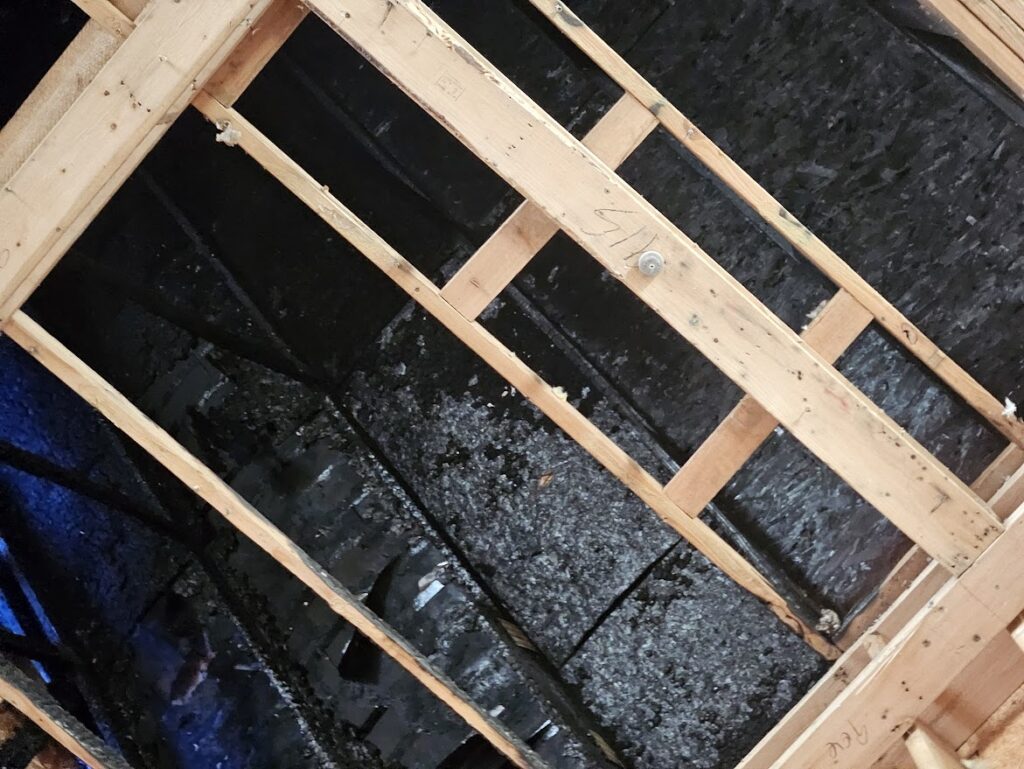
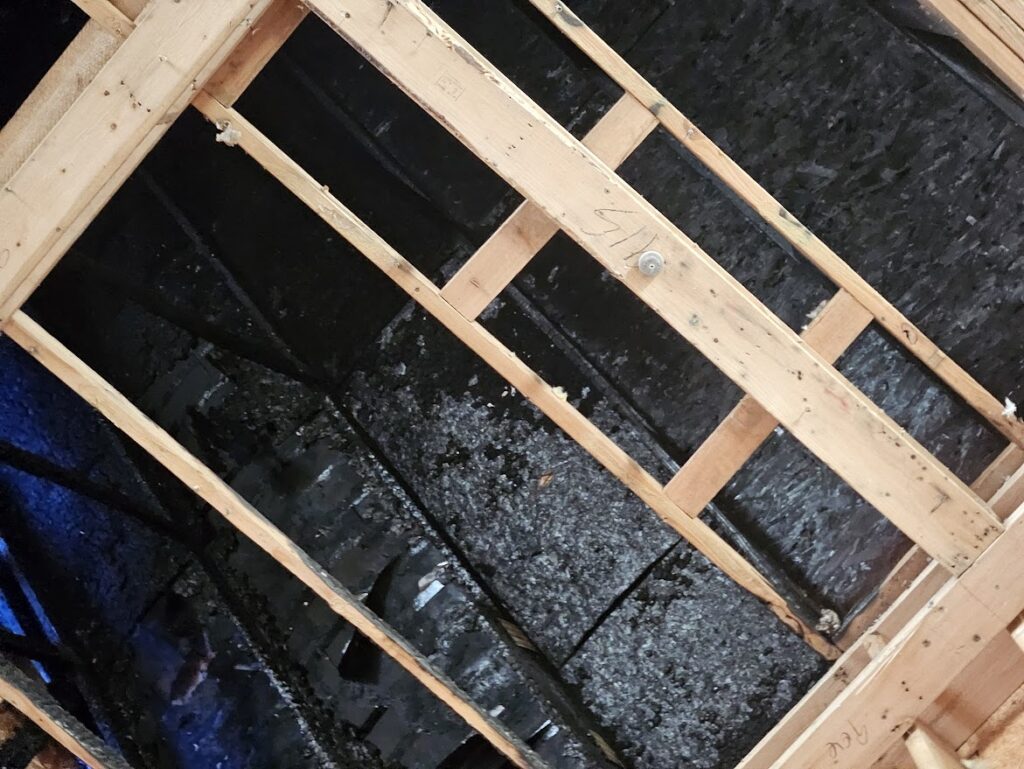
While the exterior fire damage was significant, the biggest challenge was inside the attic.
Smoke had spread throughout the attic space, contaminating:
- Structural framing
- Roof sheathing
- Insulation-adjacent surfaces
- Hard-to-reach cavities
Even when visible soot is removed, smoke particles can remain embedded in porous materials. These particles continue releasing odors for months or years if not properly treated.
For upscale homes, unresolved smoke odor can become a major concern during future property sales and inspections.

How PuroClean Removed Smoke Odors Using Ice Blasting
Step 1: Selective Demolition
The first step involved carefully removing fire-damaged materials while preserving unaffected portions of the home.
Selective demolition allows mitigation professionals to:
- Reduce overall rebuilding costs
- Preserve salvageable materials
- Access hidden smoke damage
- Prepare surfaces for deep cleaning


Step 2: Ice Blasting the Attic Structure
One of the most effective tools for smoke remediation is ice blasting.
Ice blasting uses compressed air to propel dry ice particles onto contaminated surfaces. As the dry ice impacts the surface, it lifts soot, smoke residue, and contaminants without introducing water or harsh chemicals.
Benefits of ice blasting include:
- Non-abrasive cleaning
- No secondary water damage
- Effective soot removal
- Access to difficult attic framing areas
- Reduced cleanup time
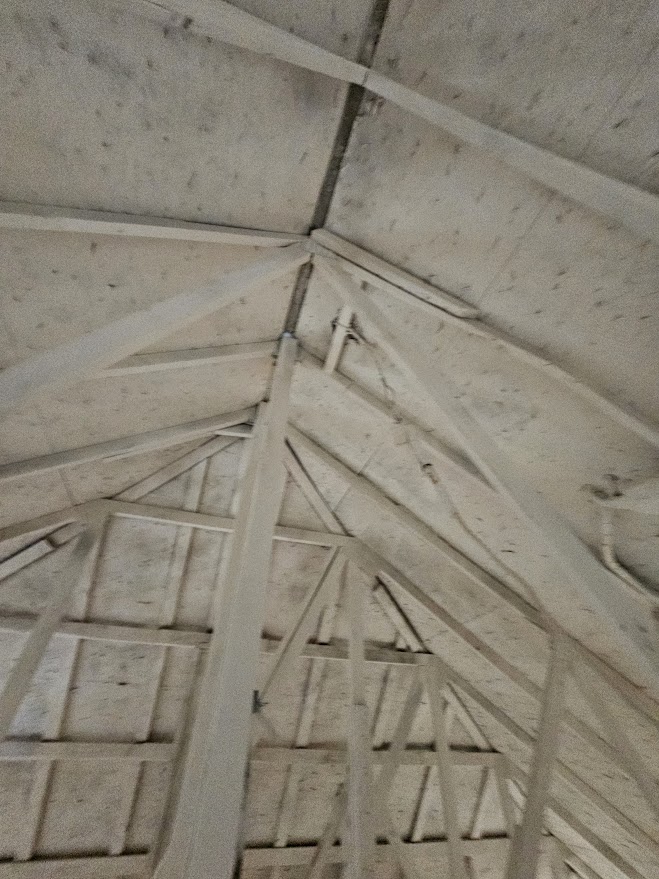
For this project, ice blasting removed smoke residue and soot from attic framing and roof sheathing, leaving the structure clean and ready for the next phase of recovery.


Step 3: Odor Sealing and Encapsulation
After cleaning was complete, specialized odor-sealing products were applied.
These sealants help:
- Lock in remaining microscopic odor particles
- Prevent future odor migration
- Improve long-term indoor air quality
- Support future resale value
By combining ice blasting with professional odor sealing, the attic was left clean, odor-free, and ready for reconstruction.


Why Complete Odor Mitigation Matters
Many homeowners focus on visible fire damage while overlooking smoke odors.
However, lingering odors can:
- Reduce property value – Persistent smoke odors can make a home less attractive to buyers and appraisers.
- Impact indoor comfort – Even faint smoke smells can affect day-to-day living and overall air quality.
- Create concerns during home inspections – Odors may raise questions about whether smoke damage was fully addressed.
- Affect future buyers – Prospective buyers may view lingering odors as a sign of hidden damage.
- Signal unresolved contamination – Smoke odors often indicate that soot particles remain within building materials.
Proper odor mitigation addresses the root cause rather than simply masking smells with deodorizing products.
This project demonstrates how advanced mitigation techniques can eliminate both visual and olfactory evidence of fire damage.
The Outcome
The homeowners were extremely pleased with the results.
Following fire mitigation and odor remediation:
- Smoke contamination was successfully addressed – Contaminated surfaces were thoroughly cleaned and treated to remove smoke residue throughout the affected areas.
- The attic was prepared for reconstruction – Ice blasting removed soot and smoke staining from the attic framing and roof sheathing, leaving the structure clean and ready for the next phase of recovery.
- Odors were eliminated – Professional odor mitigation and sealing techniques removed the source of lingering smoke odors rather than simply masking them.
- The home’s condition and appearance were preserved – Mitigation work was completed with careful attention to detail, helping protect the property’s overall appearance and long-term condition.
- Future resale concerns were minimized – By addressing both visible and hidden smoke contamination, the mitigation process helped protect the home’s long-term marketability and value.
Most importantly, the homeowners regained confidence that the smoke damage had been properly mitigated and that the property was ready for the rebuilding phase.

Fire Damage Mitigation in Lanham, Upper Marlboro, and Nearby Maryland Communities
When fire damage occurs, fast action is critical.
PuroClean provides professional fire damage mitigation services throughout Lanham, Upper Marlboro, and surrounding Maryland communities. From emergency mitigation to smoke odor removal and structural cleaning, our team uses industry-proven mitigation techniques to stabilize properties, remove smoke contamination, and prepare homes for reconstruction.
If your property has experienced fire, smoke, or odor damage, contact PuroClean at (301) 277-2755 for a professional assessment and mitigation plan.
Frequently Asked Questions
How do you remove smoke odor from an attic?
Professional smoke odor removal often involves deep cleaning methods such as ice blasting, followed by odor-sealing products that prevent residual smoke particles from releasing odors over time.
What is ice blasting for fire damage mitigation?
Ice blasting uses compressed air and dry ice particles to remove soot, smoke residue, and contaminants from structural surfaces without using water or harsh chemicals.
Can smoke odors come back after cleaning?
They can if the source of the odor is not fully removed or sealed. Proper smoke remediation addresses both contamination and residual odor particles.
Does smoke damage affect home value?
Yes. Lingering smoke odors, visible soot staining, and incomplete mitigation can negatively impact property value and buyer confidence.
How soon should fire damage cleanup begin?
Cleanup should begin as soon as the property is deemed safe. Prompt mitigation helps reduce secondary damage, odor penetration, and restoration costs.
Key Takeaways
- Fire damage mitigation involves more than addressing visible fire damage.
- Smoke contamination in attics can cause long-term odor problems.
- Ice blasting is highly effective for cleaning smoke-damaged framing and sheathing.
- Odor sealing helps prevent future odor migration.
- Selective demolition can preserve unaffected portions of a home.
- Proper mitigation protects indoor air quality and property value.
- Fast professional response leads to better mitigation outcomes.