


Table of Contents
Hot weather safety tips help protect your home, family, pets, and property when temperatures rise. During extreme heat, keep indoor spaces cool, limit outdoor activity during peak hours, stay hydrated, watch for heat illness, and prepare your home for storms, power outages, humidity, and mold. In Lanham, MD, where summer heat can come with heavy rain and high humidity, prevention is key to staying safe and reducing property damage.
What Are Hot Weather Safety Tips?
Hot weather safety tips are practical steps that help reduce health risks and property problems during periods of high heat. They include cooling your home, protecting vulnerable family members, preparing your yard, reducing moisture, and knowing when heat becomes dangerous.
Extreme heat can increase the risk of heat exhaustion, heat stroke, dehydration, power outages, and indoor air quality problems. For homes in Lanham, MD, hot weather can also create ideal conditions for humidity-related damage, mold growth, and storm-related water intrusion.
Hot Weather Safety Tips for Keeping Your Home Cool
Keeping your home cool is one of the most important parts of summer home safety. A cooler indoor environment helps protect children, seniors, pets, and anyone with health conditions that may worsen in extreme heat.
Block Direct Sunlight
Close blinds, curtains, or reflective window coverings on sun-facing windows during the hottest part of the day. Direct sunlight can quickly raise indoor temperatures, especially in rooms with large windows or poor insulation.
Exterior shade can also help. Awnings, shade cloths, trees, and shrubs can reduce heat exposure around windows, patios, and entryways.
Improve Airflow
Open windows during early morning or late evening when outdoor temperatures are lower. If possible, create cross-ventilation by opening windows on opposite sides of the home.
Use fans to move air, but remember that fans do not lower room temperature. According to public health guidance, fans may be less effective when indoor temperatures become extremely high, so air conditioning or access to a cooler location may be needed during severe heat.
Reduce Indoor Heat Sources
Ovens, stoves, incandescent lights, and electronics can raise indoor temperatures. During hot afternoons, choose cold meals, microwave cooking, or outdoor grilling when safe.
Turn off unused electronics and lights. Small changes can reduce heat buildup and lower energy use.
How to Prepare for Power Outages During Extreme Heat
Heat waves can place heavy demand on electrical systems. A power outage during hot weather can become dangerous quickly, especially for seniors, children, pets, and people who rely on medical devices.
Prepare your home by keeping flashlights, batteries, a battery-powered radio, and portable chargers available. Store drinking water and non-perishable food in an easy-to-reach location.
Freezing water bottles ahead of time can help keep refrigerators or coolers cold during a short outage. If your home becomes too hot, have a plan to go to a cooling center, library, shopping center, or another safe air-conditioned space.
Yard and Outdoor Hot Weather Safety Tips
Your yard also needs attention during high heat. Outdoor safety includes protecting people from heat illness, reducing storm risks, and limiting damage from heavy rain or wind.
Plan Outdoor Work Carefully
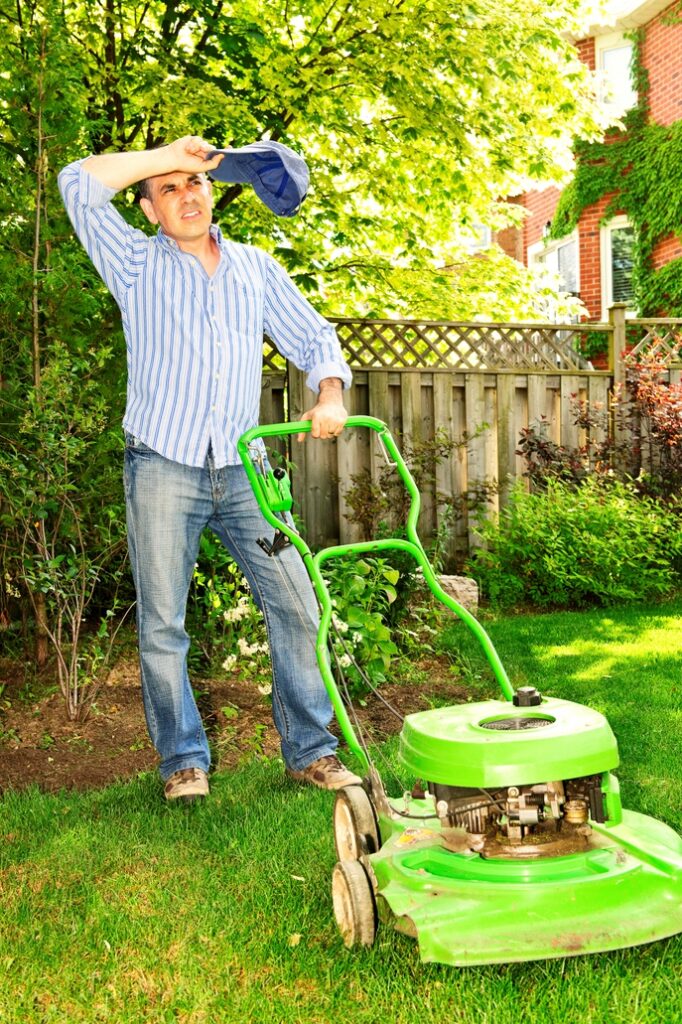
Avoid mowing, gardening, exercising, or doing heavy outdoor work during the hottest part of the day. Early morning and evening are safer times for outdoor tasks.
Drink water before, during, and after outdoor activity. Take frequent breaks in the shade and stop immediately if you feel dizzy, weak, nauseated, or overheated.
Create Shade Around Your Property
Shade makes outdoor spaces safer and more comfortable. Umbrellas, pergolas, pop-up tents, shade sails, and covered patios can help lower heat exposure.
Trees and shrubs can also provide long-term cooling benefits. When planted strategically, they can help shade windows, patios, and outdoor seating areas.
Prepare for Summer Storms
Hot weather can be followed by sudden summer storms. Trim dead branches, remove weak limbs, secure outdoor furniture, and clean gutters so rainwater can drain properly.
Good drainage helps reduce the risk of water collecting around your foundation. This is especially important in areas that experience heavy rain after long periods of heat and humidity.
Heat Safety for Families
Heat safety for families means making sure everyone in the home has access to water, shade, rest, and a cool place to recover. Some people are more vulnerable to heat than others, including older adults, young children, people with chronic medical conditions, and those who work outdoors.
Stay Hydrated
Drink water consistently throughout the day, even if you are not thirsty. Avoid relying on sugary, caffeinated, or alcoholic drinks during extreme heat because they may not hydrate the body as effectively.
Keep water available in the car, outdoors, and near work areas. Encourage children and older relatives to drink regularly.
Dress for the Heat
Wear lightweight, loose-fitting, light-colored clothing. When outside, use sunscreen, sunglasses, and a wide-brimmed hat to reduce sun exposure.
If clothing becomes soaked with sweat, take a break in a cooler place. Heat stress can build quickly when the body cannot cool itself.
Know the Warning Signs of Heat Illness
Heat exhaustion can include heavy sweating, weakness, dizziness, headache, nausea, and cool or clammy skin. Move the person to a cooler area, offer water, and help them rest.
Heat stroke is more serious and requires emergency help. Warning signs may include confusion, fainting, very high body temperature, rapid pulse, or loss of consciousness. Call emergency services if heat stroke is suspected.
Pet Safety During Hot Weather
Pets are also vulnerable to extreme heat. Never leave pets inside parked vehicles, even for a short time. Temperatures inside a vehicle can rise quickly and become life-threatening.
Give pets constant access to fresh water and shade. Walk dogs during cooler parts of the day and avoid hot pavement, which can burn their paws.
If a pet is panting heavily, drooling, weak, vomiting, or unable to walk normally, move them to a cooler area and contact a veterinarian.
Hot Weather Home Risks: Heat, Humidity, and Storm Damage
Hot weather does not only affect comfort. It can also increase the risk of property damage, especially when high humidity, storms, and poor ventilation are involved.
| Risk | What Can Happen | Prevention Step |
|---|---|---|
| High indoor humidity | Mold growth, musty odors, poor air quality | Use dehumidifiers and ventilation |
| Heavy summer rain | Water intrusion, basement leaks, roof leaks | Clean gutters and check drainage |
| Power outages | Loss of cooling and food spoilage | Keep supplies and backup plans ready |
| Storm winds | Fallen limbs and exterior damage | Trim weak branches and secure outdoor items |
| Heat buildup indoors | Unsafe living conditions | Block sunlight and use cooling options |
Moisture and Mold Control During Hot Weather
High heat and humidity can create conditions for mold growth. Mold can develop when moisture remains on surfaces, inside walls, under flooring, or in poorly ventilated spaces.
Use bathroom and kitchen exhaust fans, repair leaks quickly, and keep indoor humidity under control. A dehumidifier can help in basements, crawl spaces, and rooms that feel damp.
If you notice musty odors, visible mold, or moisture after a storm, it may be time to call a professional. PuroClean can help with water damage restoration and mold-related property concerns in Lanham, MD.
Step-by-Step Summer Safety Checklist
Start by checking your cooling system before extreme heat arrives. Replace filters, test air conditioning, and make sure vents are not blocked.
Next, inspect your windows, doors, gutters, downspouts, and exterior drainage. These areas help control both indoor temperature and stormwater flow.
Then, prepare an emergency kit with water, flashlights, batteries, medications, chargers, and basic supplies. Finally, make a plan to check on elderly relatives, neighbors, and anyone who may need extra help during a heat wave.
FAQs About Hot Weather Safety
How can I keep my house cool during hot weather?
Close blinds during the hottest part of the day, use air conditioning when available, improve airflow during cooler hours, and reduce indoor heat from cooking and electronics. Exterior shade can also help reduce heat entering your home.
What should I do during an extreme heat warning?
Stay indoors in a cool place, drink water often, avoid strenuous outdoor activity, and check on vulnerable family members or neighbors. If your home becomes too hot, go to a cooling center or another air-conditioned location.
How do I protect my yard during hot weather?
Water plants during cooler hours, create shaded areas, trim weak branches, and secure outdoor furniture before storms. Clean gutters and keep drainage paths clear to help prevent water damage during sudden rain.
Can hot weather cause mold in my home?
Hot weather can contribute to mold when high humidity or water intrusion is present. Mold needs moisture to grow, so controlling humidity, ventilating damp areas, and fixing leaks quickly are important.
When should I call PuroClean after summer weather damage?
Call PuroClean if your home has water intrusion, storm damage, mold concerns, or lingering moisture after heavy rain or humidity. Fast action can help reduce further damage and protect your property.
Call PuroClean for Summer Storm and Water Damage Help in Lanham, MD
Following hot weather safety tips can help protect your home, yard, family, and pets during the summer. However, extreme heat, high humidity, sudden storms, and heavy rain can still cause property damage.
If your Lanham, MD home is affected by water intrusion, storm damage, moisture, or mold concerns, PuroClean is ready to help. Our team provides professional restoration services to help you recover quickly and safely.
Contact PuroClean today at (301) 277-2755 for water damage restoration, storm cleanup, and mold remediation support in Lanham, MD.
Final Summary
- Hot weather safety tips help protect your family, pets, home, and yard during extreme summer conditions.
- Keep your home cooler by blocking sunlight, improving airflow, and reducing indoor heat sources.
- Prepare for power outages with water, batteries, flashlights, chargers, and a cooling plan.
- Avoid outdoor work during peak heat and take frequent shaded breaks.
- Watch for signs of heat exhaustion and heat stroke, especially in vulnerable people.
- High humidity and summer storms can increase the risk of water damage and mold.
- Call PuroClean for storm, water, or mold restoration services in Lanham, MD.
Read also about: