


Table of Contents
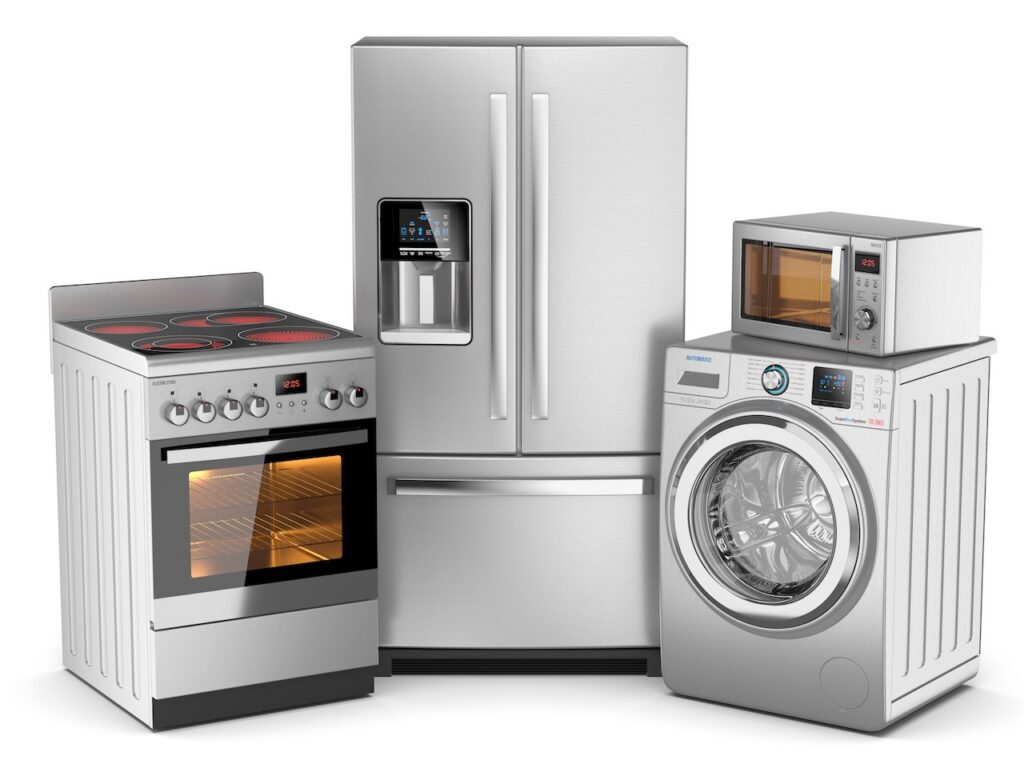
Stainless steel appliances are the centerpiece of most modern kitchens. They’re sleek, durable, and timeless—but also magnets for fingerprints, streaks, and smudges. Knowing how to clean stainless steel appliances properly keeps your kitchen spotless and extends the life of your investment.
If you’re a homeowner in Lanham, MD, maintaining your appliances in top shape is especially important, as humidity and hard water can contribute to stains and discoloration over time. With the right tools and techniques, you can restore that mirror-like shine and protect your stainless steel surfaces from damage.
Why Stainless Steel Needs Special Care
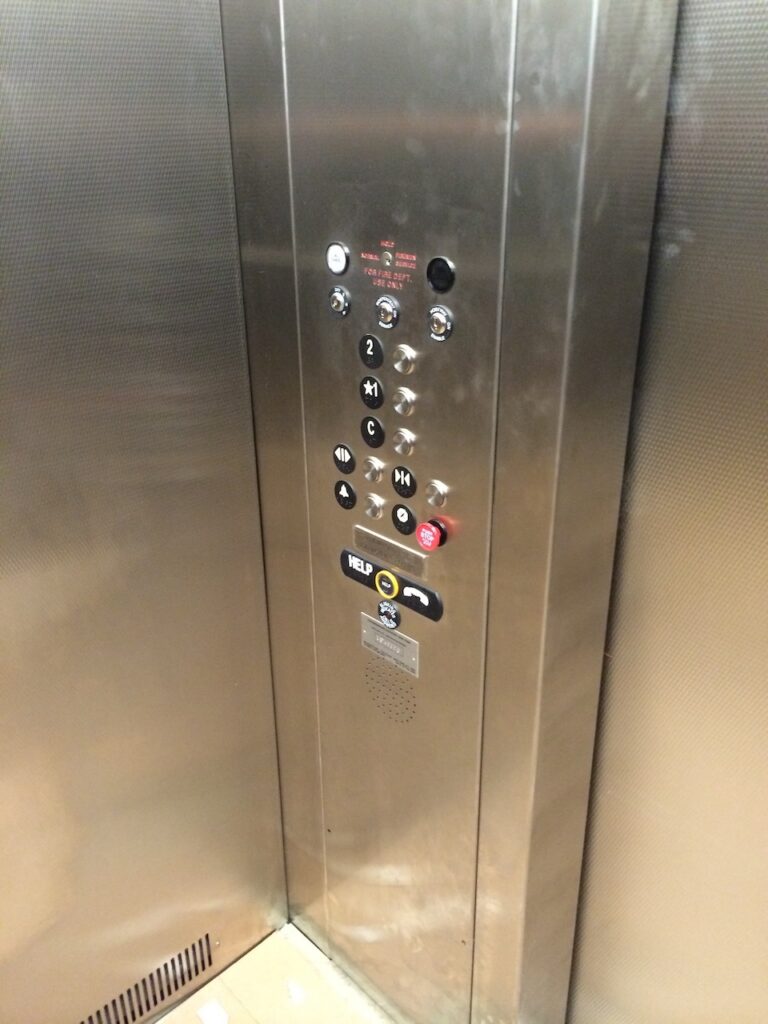
As seen with this elevator, stainless steel can easily smudge and look like a mess.
Stainless steel is prized for its strength and corrosion resistance, but its polished surface shows every fingerprint, splash, and streak. Common Lanham-area factors—like humid weather, hard water, and frequent kitchen use—can accelerate buildup or water spotting if surfaces aren’t maintained regularly.
The material’s smooth texture also means that dirt and oil are more noticeable under light. Thankfully, proper cleaning not only restores shine but also protects against corrosion and keeps your kitchen looking brand new.
Step-by-Step: How to Clean Stainless Steel Appliances
Cleaning stainless steel doesn’t require expensive tools—just the right approach and consistent care. Here’s a complete, step-by-step process you can use for any stainless steel appliance in your Lanham home.
1. Gather Your Supplies
Before getting started, make sure you have:
- Two microfiber cloths: One for cleaning and one for polishing.
- Warm water and mild dish soap: A gentle combination that removes grease and residue without scratching.
- White vinegar: A natural degreaser that cuts through grime and disinfects.
- Olive oil or mineral oil: For polishing and protection.
- Spray bottle: To evenly apply cleaning solutions.
Optional: A commercial stainless steel cleaner for tough stains or professional-grade shine.
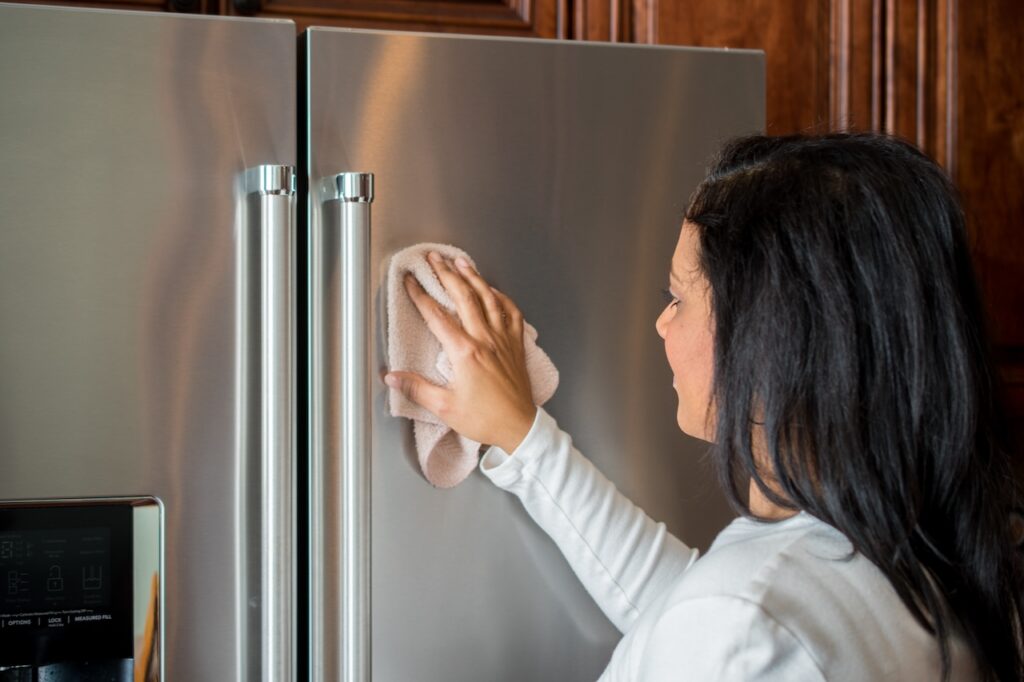
Stainless steel appliances are easy to clean and normally require a simple wipe-down.
2. Start with Daily Maintenance
For everyday upkeep, all you need is a damp microfiber cloth. Wipe down surfaces once a day—or whenever you notice smudges—to remove fingerprints and dust.
If your appliance has stubborn marks, mix a few drops of mild dish soap into warm water, dampen the cloth, and wipe with gentle, consistent strokes. Always follow the direction of the grain—the faint lines running across the surface—to prevent streaks.
Avoid using paper towels, as they can leave lint or micro-scratches on the steel’s finish.
3. Deep Cleaning with Vinegar and Oil
For a deeper clean that restores shine, follow these steps once a week or as needed:
- Spray white vinegar directly on the surface. Let it sit for 30 seconds. Vinegar naturally breaks down grease and kills bacteria.
- Wipe with a clean microfiber cloth, again moving along the grain. The vinegar smell will fade as it dries.
- Once clean, apply a few drops of olive oil to another cloth and buff the surface. This gives your appliances a protective sheen that repels fingerprints and water spots.
This simple two-step method keeps your stainless steel appliances gleaming without any harsh chemicals.
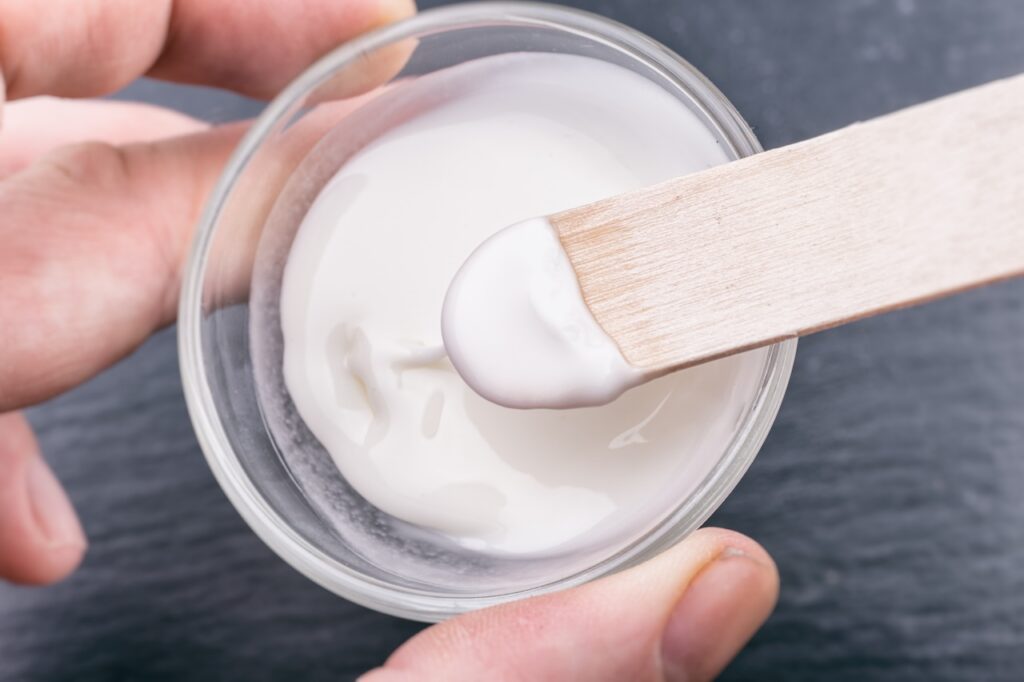
Baking soda paste is helpful for getting the tough stains out.
4. Removing Stubborn Stains or Water Spots
Over time, you might notice streaks, discoloration, or water stains—especially if your home has hard water, common in Prince George’s County. Here’s how to handle them safely:
- Baking soda paste: Mix baking soda with a bit of water until it forms a thick paste. Apply it to stains, let it sit for 10–15 minutes, and gently rub with a soft cloth. Rinse and dry.
- Distilled water rinse: If tap water leaves mineral deposits, use distilled water for rinsing.
- Commercial stainless steel cleaner: For tough discoloration, choose a product specifically labeled for stainless steel. Follow the manufacturer’s instructions carefully.
Never use steel wool, scouring pads, or abrasive powders—these can permanently scratch the surface and remove protective coatings.
Tips for Keeping Stainless Steel Appliances Shiny
Maintaining stainless steel appliances doesn’t end with cleaning—it’s about prevention. Here are a few pro tips to keep your appliances shining:
- Wipe with the grain: Always clean and polish along the grain, not against it. This reduces streaks and helps the cleaner absorb evenly.
- Use distilled water: Lanham’s tap water can contain minerals that cause spotting. Distilled water prevents cloudy streaks and buildup.
- Regular maintenance: Add stainless steel cleaning to your weekly routine to avoid buildup. Quick daily wipes make deep cleaning easier.
- Avoid harsh chemicals: Skip ammonia, bleach, and chlorine-based cleaners—they corrode and dull stainless steel finishes.
- Buff after cleaning: Finish with a dry microfiber cloth to remove moisture and add a smooth shine.
By following these steps, you’ll extend the lifespan of your stainless steel appliances and keep them looking as good as the day they were installed.
Common Mistakes to Avoid When Cleaning Stainless Steel
Even the smallest cleaning missteps can gradually dull the finish of your stainless steel appliances or cause lasting surface damage. To keep your kitchen looking polished and professional, make sure to avoid these common mistakes:
- Using abrasive tools: It might be tempting to grab a steel wool pad or a rough sponge for tough stains, but these can scratch and permanently damage the surface. Stainless steel has a delicate brushed finish that can easily lose its smooth look if scraped. Always use soft microfiber cloths or non-abrasive sponges to preserve the appliance’s shine.
- Cleaning in circular motions: Wiping in circles can cause uneven polishing marks and streaks that catch the light, making your appliance look patchy instead of clean. Stainless steel surfaces have a visible grain—tiny lines that run in one direction. Always clean and buff along the grain, not against it, to achieve a consistent, streak-free finish.
- Skipping the dry step: Leaving moisture or cleaner residue on your appliance can lead to water spots, streaks, and even corrosion over time—especially in humid environments like Lanham, MD. After cleaning, always follow up with a dry microfiber cloth to remove all traces of water and ensure a spotless, polished surface.
- Spraying cleaner directly: Spraying cleaning solutions directly onto the surface can cause oversaturation and uneven streaking. The liquid may drip into seams or electronic components, potentially causing damage. Instead, spray the cleaner onto your cloth first, then apply it to the appliance in gentle, controlled motions. This method provides better coverage and reduces the risk of buildup.
When to Call a Professional
Sometimes, stains, rust spots, or corrosion may be too advanced for at-home methods—especially if caused by water damage or prolonged neglect. That’s when professional help makes a difference.
At PuroClean Restoration Services of Lanham, MD, our trained technicians handle deep cleaning and restoration after water, fire, or smoke damage. If moisture or soot has affected your appliances, we use specialized equipment to restore both appearance and safety.
Our experts can also assess potential mold or moisture buildup behind appliances—an issue common in humid Maryland summers—and take steps to prevent future problems. Call (301) 277-2755 for professional home restoration and cleanup services.
FAQs About Cleaning Stainless Steel Appliances
1. What’s the best cleaner for stainless steel?
A mix of white vinegar and olive oil works best for natural cleaning and shine. For faster results, you can use a commercial stainless steel cleaner made specifically for appliances.
2. Can I use Windex or glass cleaner on stainless steel?
Avoid regular glass cleaners containing ammonia. Instead, choose ammonia-free products labeled safe for stainless steel.
3. How often should I clean my stainless steel appliances?
Light cleaning should be done daily or weekly, with a deeper clean once a month depending on use.
4. Why does my stainless steel look streaky after cleaning?
Streaks occur when wiping against the grain or leaving moisture behind. Always buff with a dry microfiber cloth after cleaning.
5. Can stainless steel rust or corrode?
Yes—especially in humid environments like Maryland. Regular cleaning and drying prevent moisture buildup that can cause corrosion.
Summary
- Clean stainless steel with vinegar, mild soap, and microfiber cloths.
- Always wipe with the grain to avoid streaks and scratches.
- Use olive oil or commercial cleaners for long-lasting shine.
- Avoid harsh chemicals like bleach and ammonia.
- Contact PuroClean Lanham for expert property cleaning and restoration services.
Check out more topics in our blog: