


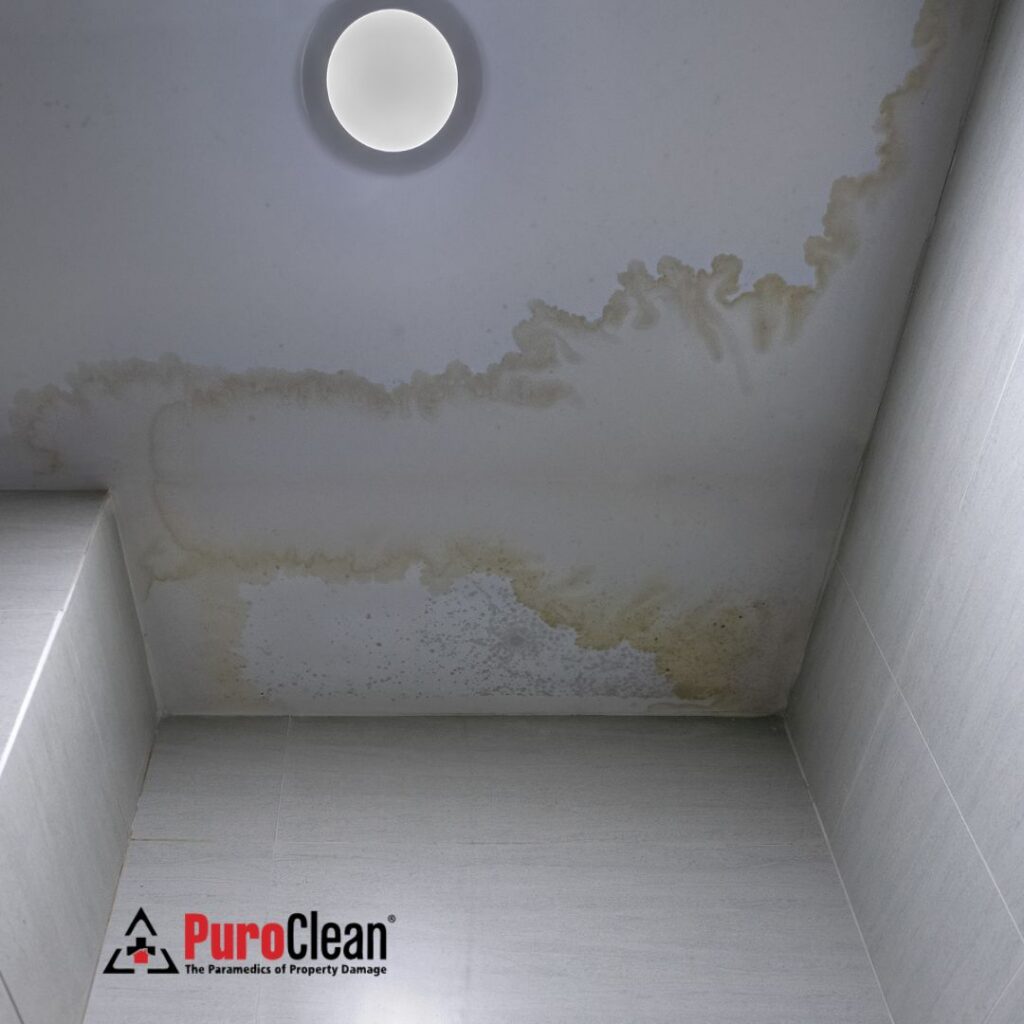
Becoming a homeowner in Lawrenceville is a milestone worth celebrating. But amidst the joy of unpacking boxes and decorating rooms, discovering water stains on ceilings, walls, or floors can be a cause for concern. While some homeowners may dismiss them as cosmetic flaws, water stains often signal something more serious—such as a roof leak, plumbing issue, or hidden water damage.
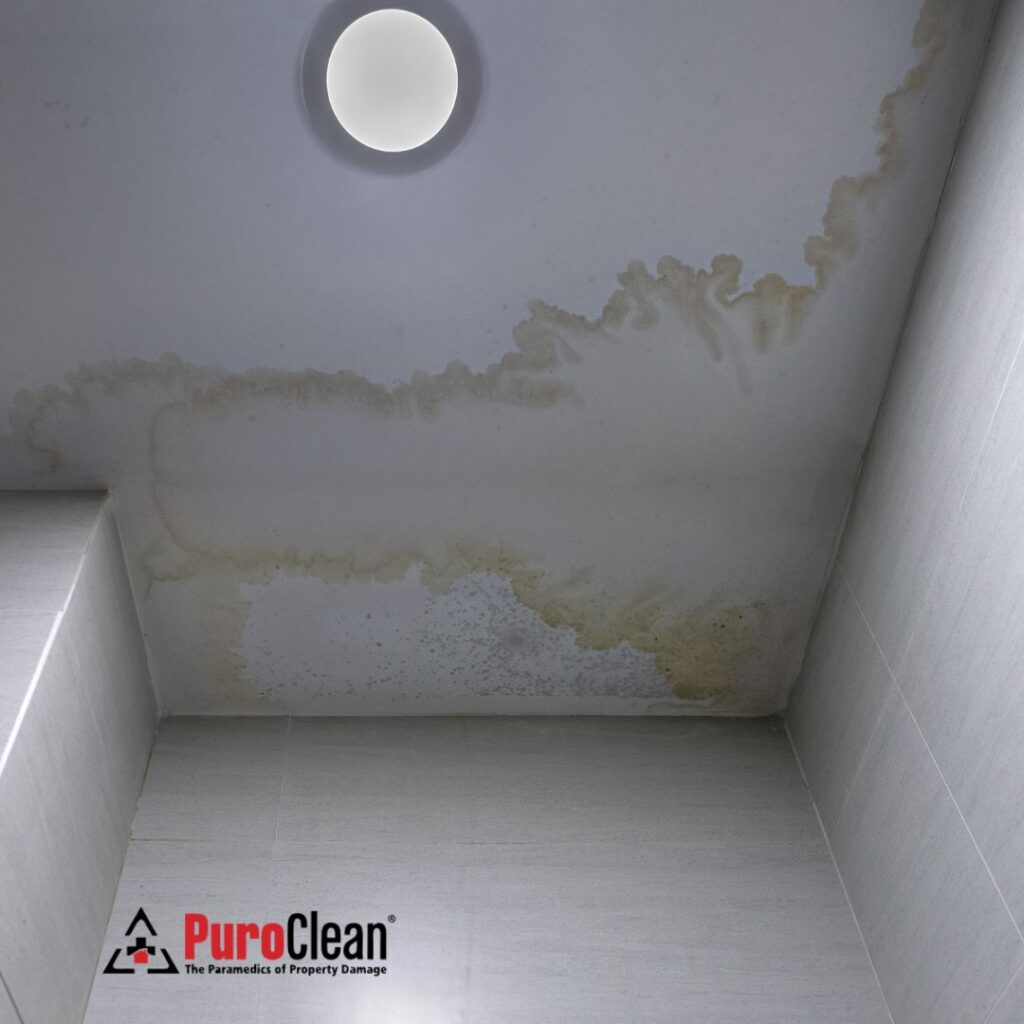
Ignoring them can lead to mold growth, structural deterioration, and costly repairs. That’s why it’s important to understand what these stains mean and how to respond.
Table of Contents
This guide walks you step by step through what to do when you notice water stains in your new Lawrenceville home—from identifying the problem to preventing future damage.
1. Identify Where the Stain Is Located
The first step is understanding where the stain appears, as its location gives important clues about the source of the problem.
- Ceilings: Often indicate roof leaks, upstairs bathroom plumbing issues, or attic condensation. For example, during one of Lawrenceville’s summer thunderstorms, rain may seep through damaged shingles and cause a water mark on your bedroom ceiling.
- Walls: These stains could mean leaky pipes behind drywall, faulty window seals letting in rain, or water intrusion from poorly sealed siding. If the stain is near a window, Georgia’s frequent downpours could be the culprit.
- Floors & Baseboards: Moisture from slab leaks, broken appliances, or minor flooding can seep into flooring. For homes with crawl spaces (common in Lawrenceville), stains around baseboards may signal rising dampness.
👉 Pro Tip for Lawrenceville homeowners: Since the region experiences heavy rainfall and humid summers, stains on ceilings and in basements are especially common. Don’t assume it’s harmless—get it checked.
2. Assess the Size, Shape, and Color of the Stain
Not all water stains are created equal. Their appearance provides valuable insight into whether the damage is old, active, or recurring.
- Yellow or light brown rings: Typically older damage that may have dried but was never repaired.
- Dark or spreading stains: A sign of an active leak that is still ongoing.
- Gray or black spots: Could indicate mold growth accompanying the stain.
- Bulging, bubbling, or sagging areas: Suggest trapped moisture behind drywall or plaster.
👉 Quick check: Shine a flashlight across the surface at an angle. If you see bubbling paint or soft drywall, there’s active moisture inside.
3. Look for Secondary Warning Signs of Moisture
Water stains rarely exist in isolation. Look for other red flags that confirm hidden water damage:
- Musty odors: A damp, earthy smell often points to mold growth behind walls.
- Peeling paint or wallpaper: Moisture weakens adhesives, causing surfaces to lift.
- Warped wood floors or baseboards: Expansion due to water absorption.
- Condensation buildup: Excess indoor humidity, especially in crawl spaces or attics, can contribute.
👉 Lawrenceville insight: Many homes in Gwinnett County are built on crawl spaces, which are prone to excess moisture and humidity. A damp crawl space can easily create stains on floors above.
4. Determine If the Leak Is Active or Old
Before you call for help, try to figure out if the water source is still active:
- During rainstorms: If stains expand or darken, it’s likely a roofing or window issue.
- When plumbing is in use: Running sinks, flushing toilets, or taking showers may worsen stains if the leak is pipe-related.
- Observation over time: If the stain grows larger or new spots appear, water is still entering your home.
⚠️ Warning: Even if stains appear dry, it doesn’t mean the problem is solved. Hidden leaks can remain active behind walls for weeks before showing surface signs.
5. Document the Stain for Records and Insurance
Take clear, dated photos of the stains from multiple angles. Keep a written log noting:
- When you first noticed the stain.
- How it changes during rainfall or plumbing use.
- Any odors or signs of mold.
This documentation can be critical if you need to file a home warranty claim, insurance claim, or if repairs uncover extensive hidden damage.
6. Contact a Professional for Inspection
While it may be tempting to “wait and see” or simply paint over the stain, this is a risky approach. Professional inspections are essential to uncovering the true extent of water damage.
At PuroClean of Lawrenceville, we use advanced technology such as:
- Infrared cameras: Detect moisture behind walls and ceilings invisible to the naked eye.
- Moisture meters: Measure the exact level of dampness in building materials.
- Air quality testing: Identify mold spores in the air that may be spreading unnoticed.
By addressing the root cause early, you’ll avoid bigger repairs later.
7. Repair the Source Before Restoring the Surface
Stains should never just be covered with paint or wallpaper. The underlying problem must be fixed first, otherwise the damage will keep returning.
Depending on the cause, repairs may include:
- Roof repairs or replacement → Fixing missing shingles, flashing, or sealing leaks.
- Plumbing repairs → Replacing leaking pipes, tightening connections, or upgrading old fixtures.
- Foundation and exterior sealing → Protecting basements and crawl spaces from stormwater intrusion.
- Drywall removal and replacement → Removing damaged sections, drying out structures, then repainting.
👉 Homeowner tip: Always confirm repairs are complete before scheduling cosmetic restoration.
8. Prevent Future Water Stains with Proactive Maintenance
The best way to handle water stains is to prevent them in the first place. Here’s a homeowner maintenance checklist:
- Roof care: Schedule annual inspections and check after severe Georgia storms.
- Plumbing checks: Inspect under sinks, around appliances, and inside crawl spaces for leaks.
- Basement & crawl space protection: Install sump pumps, vapor barriers, or dehumidifiers where needed.
- Gutter cleaning: Ensure rainwater drains away from your foundation.
- Seal openings: Caulk windows and doors to prevent rain intrusion.
- HVAC care: Maintain air conditioning systems to control indoor humidity.
Small preventive steps can save thousands in restoration costs.
FAQ: Water Stains in Your Home
Q: Can I just paint over a water stain?
A: No. Painting only hides the mark temporarily. Without repairing the source of water intrusion, the stain—and the problem—will return.
Q: Do water stains always mean mold is present?
A: Not always, but any moisture increases the risk. Mold can begin forming within 24–48 hours of water exposure.
Q: Will my homeowner’s insurance cover water damage?
A: Coverage depends on the cause. Insurance usually covers sudden, accidental events (like burst pipes) but not gradual leaks or poor maintenance.
Q: Should I worry about small stains?
A: Yes. Even minor stains can indicate larger hidden leaks. Early intervention prevents escalation.
Q: How do I know if the damage is old or new?
A: Dark, spreading stains usually indicate active leaks, while faded, yellow stains may be older. A professional inspection provides certainty.
Q: How fast should I call for help?
A: Immediately. The longer water damage is left untreated, the more it spreads. Mold, rot, and structural issues can develop quickly.
Final Thoughts
For new homeowners in Lawrenceville, water stains are more than an unsightly nuisance—they’re a warning sign. Acting quickly helps protect your investment, health, and peace of mind.
At PuroClean of Lawrenceville, we specialize in:
- Locating hidden water sources.
- Drying and restoring damaged areas.
- Preventing future moisture problems.
Whether it’s a fresh stain after a Georgia storm or lingering water stains from an old leak, we’re here to help.
📞 Call PuroClean of Lawrenceville today for fast, professional inspection and restoration services. Protect your new home before a small stain becomes a big problem.