 PuroClean of Lawrenceville
The holiday season in Lawrenceville is a time of warm gatherings, festive cooking, and family traditions—yet it’s also when homes and commercial spaces experience a sharp increase in preventable property damage. From overloaded kitchens and plumbing systems to candles, holiday lights, heating equipment, and overnight guests, the risks naturally increase during this busy season.
Your Complete Seasonal Blueprint for Preventing Water, Fire, Mold, and Property Damage This Holiday Season
This Holiday Home Safety & Restoration Guide for Lawrenceville gives homeowners, renters, property managers, and local businesses a comprehensive, proactive approach to preventing property damage—from water intrusions to fire hazards and mold risks. Whether you’re preparing for Thanksgiving, Christmas, Hanukkah, New Year’s events, or winter travel, this guide shows exactly how to keep your property protected.
Table of Contents
Why Holiday Property Damage Spikes in Lawrenceville
While the holiday season is joyful, it also brings a unique combination of high-risk behaviors and weather-related hazards. According to national trends and local service patterns, Lawrenceville typically sees increased calls for:
- Kitchen fires and cooking-related incidents
- Turkey fryer accidents
- Frozen or burst pipes after temperature drops
- Plumbing backups from guest overload
- Water damage from appliance failure
- Sewage backups due to grease buildup
- Fireplace or space heater issues
- Electrical fires from holiday lighting
- Mold growth caused by humidity, leaks, or hidden moisture
- Biohazard cleanup after gatherings or incidents
Understanding why these incidents happen—and how to prevent them—is the foundation of a safer holiday season.
Preventing Holiday Fire Damage in Lawrenceville
The #1 Cause of Holiday House Fires: Cooking
Holiday cooking is joyful, but it can turn dangerous quickly. Lawrenceville kitchens become hotspots for fire damage during Thanksgiving and Christmas, especially when multiple dishes, distractions, and guests combine.
Cooking Safety Tips
- Never leave food unattended on the stove. Even stepping away “for a minute” can allow oil or pots to overheat and ignite. Stay close and stay alert.
- Keep flammable items away from heat sources. Paper towels, napkins, oven mitts, and plastic packaging can catch fire if too close to a burner or oven.
- Clean up grease buildup frequently. Grease on stovetops and range hoods increases fire risk because it can ignite if temperatures spike.
- Use timers for each dish you’re cooking. Multiple dishes mean more distractions—timers help you manage everything safely and on time.
- Keep a working fire extinguisher accessible. Ensure everyone knows where it is and that it’s not expired. Class K extinguishers are best for kitchens.
- Avoid wearing loose clothing while cooking. Fabric that drapes can accidentally come into contact with open flames.

What to Do If a Small Cooking Fire Starts
- For grease fires: smother with a lid—never use water.
- For oven fires: keep the oven closed and turn it off.
- If flames rise or spread quickly, evacuate and call 911.
Early action limits the damage, but if the fire causes smoke, soot, or odor contamination, professional fire restoration becomes necessary.
Turkey Fryer Safety for Lawrenceville Homeowners
Deep-frying turkeys is popular across Gwinnett County, but it’s also one of the leading holiday fire risks.
Safe Outdoor Frying Practices
- Always fry outdoors on a flat, level surface. Uneven ground can cause pots to tip, spilling hot oil.
- Keep fryers far from your home or garage. This prevents accidental spread if a flare-up occurs.
- Ensure your turkey is completely thawed. Ice and oil don’t mix—rapid boiling can cause spills or flare-ups.
- Use heat-resistant gloves, goggles, and protective clothing. Hot oil can splash during lower-in or lift-out moments.
- Maintain a “no-entry zone” for kids and pets. Create a clear perimeter to avoid accidents.
- Check oil levels before heating. Too much oil causes overflow when you lower the turkey.
If a turkey-frying mishap results in fire damage, smoke spread, or soot staining, contact a professional immediately.
1.3. Holiday Décor & Electrical Fire Prevention
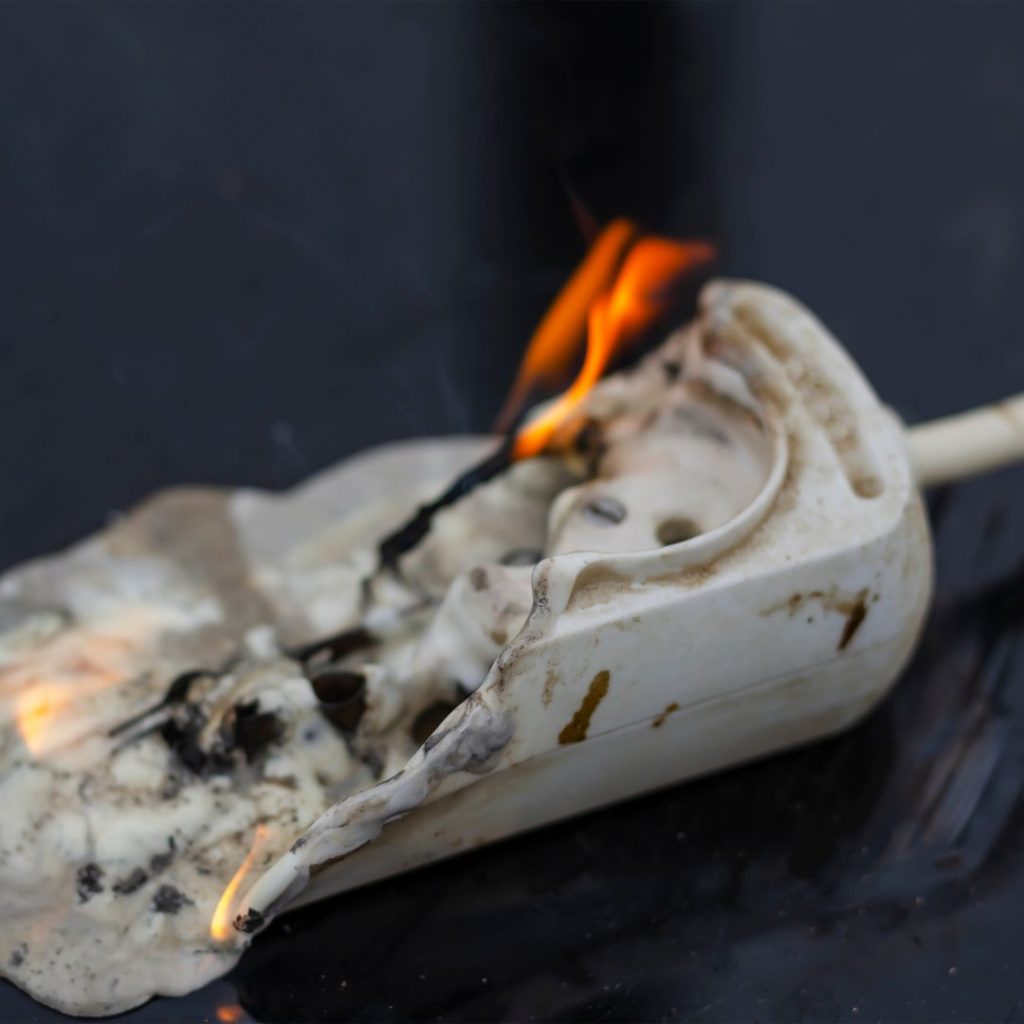
Holiday lighting adds beauty but poorly maintained or overloaded circuits can spark fires.
Safety Tips for Holiday Lighting
- Inspect lights for cracks or frayed wires. Damaged bulbs or wiring can spark and ignite nearby décor.
- Use outdoor-rated cords for exterior decorations. Indoor cords can overheat or degrade faster outdoors.
- Avoid overloading outlets or power strips. Too many lights on one circuit can cause electrical failures.
- Always turn off holiday lights at night. This reduces the risk of overheating or electrical faults.
- Keep Christmas trees hydrated. Dry trees increase fire risk because they ignite more easily.
- Use LED lights instead of older incandescent ones. LED bulbs produce less heat and are more energy-efficient.
In property management settings, such as apartments and condos, post seasonal notices about safe décor and electrical use.
1.4. Heating Equipment Safety
Fireplaces and space heaters peak in use during holiday evenings.
Preventing Heating-Related Fires
- Maintain a safe distance for space heaters. A 3-foot clearance reduces accidental ignition of fabrics or décor.
- Avoid extension cords with heaters. These cords can overheat, especially with high-wattage appliances.
- Schedule annual chimney cleanings. Soot and debris buildup can restrict airflow or cause chimney fires.
- Use fireplace screens or glass doors. They block embers from popping into the room.
- Never leave heaters running overnight. Unattended heating devices increase fire risk.
If a heating-related fire occurs, specialists can remove smoke odor, restore damaged surfaces, and clear air contamination.
Preventing Water Damage During the Holiday Season
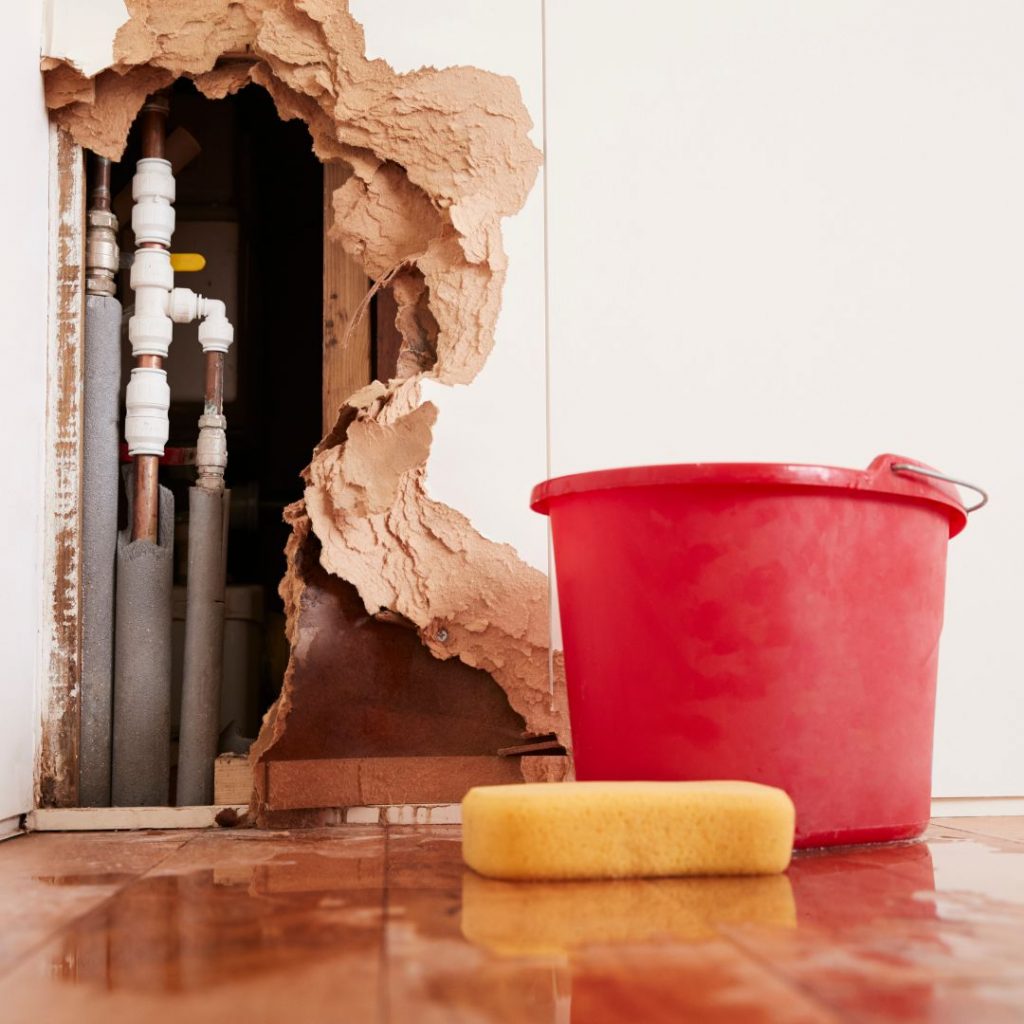
Water damage is one of the most expensive and disruptive problems Lawrenceville homeowners face during the holidays, especially during cold snaps or extended travel periods.
Protecting Your Plumbing During Cold Weather
Temperatures in Lawrenceville may drop unexpectedly during November–January. Frozen pipes are a major seasonal threat.
How to Prevent Frozen Pipes
- Insulate pipes in attics, crawlspaces, and garages. These areas get colder faster and are common freeze points.
- Let faucets drip during freezing nights. Moving water prevents pipes from freezing solid.
- Keep your thermostat above 55°F—always. Even when leaving the house, warmth keeps pipes functioning.
- Open cabinet doors under sinks. Warm air from your home helps prevent those pipes from freezing.
- Locate your main water shutoff valve in advance. Quick access minimizes damage during emergencies.
If a pipe bursts, turn off the water immediately and call local water damage professionals for extraction and structural drying.
Guest Overload & Holiday Plumbing Strain
Homes in Lawrenceville see significant plumbing pressure with holiday guests.
High-Risk Areas
- Toilets
- Showers
- Garbage disposals
- Dishwashers
- Washing machines
How to Avoid Plumbing Emergencies
- Space out showers and hot water usage. This ensures your water heater doesn’t get overwhelmed.
- Post “flushable items only” reminders in guest bathrooms. Visitors may flush wipes or products that clog plumbing.
- Provide visible trash bins in every bathroom. Guests are more likely to dispose of items properly.
- Avoid dumping grease, fats, or food scraps down the kitchen drain. These solidify in pipes and cause blockages.
- Use sink strainers. These catch debris before it enters your drainage system.
If drainage backs up or water floods flooring, fast intervention prevents mold growth.
2.3. Preventing Kitchen Floods and Appliance Leaks
Overworked dishwashers, refrigerators, and washing machines often fail during the holidays.
Safety Checklist
- Inspect water lines behind refrigerators and washing machines. Cracked hoses can leak under heavy holiday usage.
- Tighten loose connections on dishwashers. They’re often used more during gatherings and can loosen over time.
- Clear the dishwasher filter before big loads. Food debris can block drainage and cause flooding.
- Don’t overload laundry or dishwasher cycles. Extra weight strains the motor and increases leak potential.
- Dry spills immediately to prevent slippery surfaces. Wet floors also trap moisture under flooring.
Regular inspections reduce holiday water emergencies dramatically.
2.4. Protecting Your Home While Traveling
Whether leaving for a weekend or an extended holiday trip:
Before You Travel
- Shut off the water supply if you’re gone for more than a day. This eliminates the biggest source of water damage.
- Clean gutters and exterior drains. Leaves and debris cause water to back up into your home.
- Unplug appliances to prevent electrical issues. Power surges are more common during storms.
- Check windows and doors for tight seals. Prevents rain or pests from entering.
- Set HVAC to maintain indoor temperature. This stops pipes from freezing or humidity levels from rising.
- Install leak detectors or smart sensors. Early alerts can prevent expensive property losses.
A small leak can turn into a disaster when left unattended during holiday travel.
Mold Prevention During the Holidays
Moisture from cooking, guests, leaks, and temperature changes can create an environment where mold thrives, especially in closed indoor spaces typical during winter in Lawrenceville.
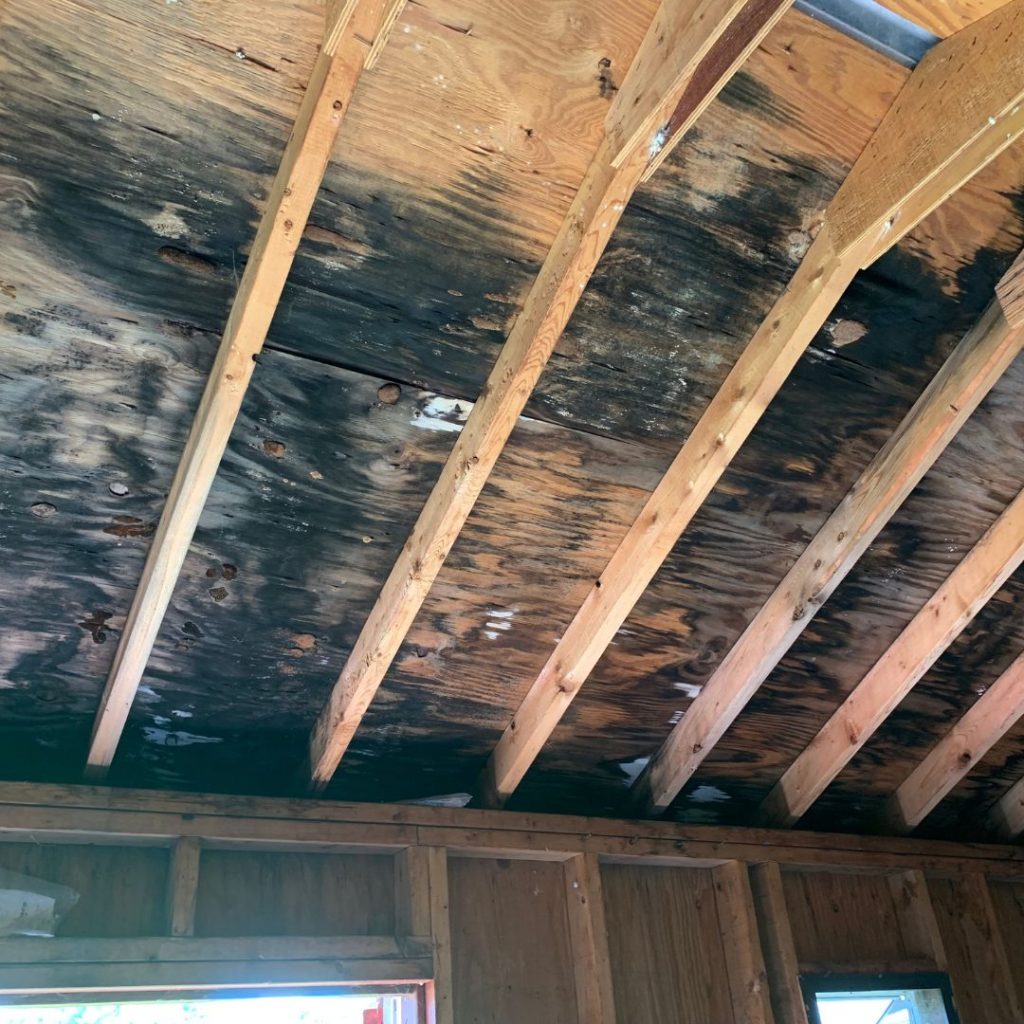
3.1. Why Mold Growth Spikes During the Holidays
Factors include:
- Extra cooking increases indoor humidity. Steam can accumulate without proper ventilation.
- More showers from guests raise moisture levels. Bathrooms without ventilation fans become humid quickly.
- Plumbing strain creates hidden leaks. Even slow drips encourage mold growth.
- Closed windows trap warm, moist air inside homes. Winter sealing reduces ventilation.
- Water damage that isn’t dried properly becomes a mold hotspot. Mold can begin forming within 24–48 hours in damp conditions.
3.2. How to Prevent Holiday Mold Problems
- Use exhaust fans in kitchens and bathrooms. Ventilation removes humid air at the source.
- Run dehumidifiers in basements and high-moisture areas. Keeps humidity stable during winter gatherings.
- Monitor indoor humidity with a simple meter. Keeping levels under 50% reduces mold risk.
- Dry spills and wet materials quickly. Moisture underneath flooring and rugs is a hidden risk.
- Inspect seldom-used areas for musty odors. Early detection prevents larger issues.
If mold appears, avoid DIY removal—professionals safely contain and remediate the affected areas.
Preventing Biohazard Risks During Holiday Events
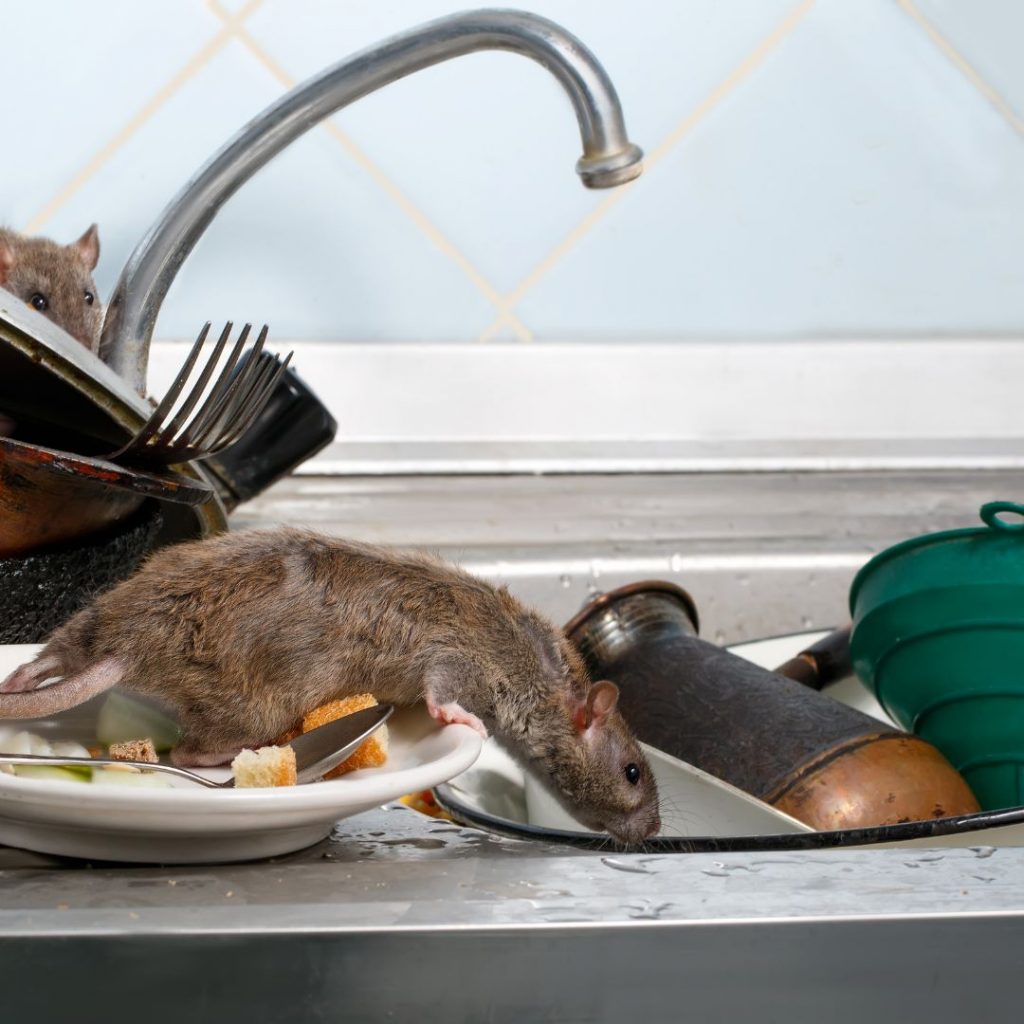
Biohazard cleanup might sound extreme, but during the holidays, properties sometimes encounter:
- Waste overflow
- Sewage backups
- Food-related contamination
- Illness-related incidents during gatherings
How to Keep Your Property Sanitary
- Keep disinfectants available for high-touch surfaces. Kitchen counters, doorknobs, and bathrooms need frequent cleaning during gatherings.
- Empty trash bins before they overflow. Overfilled bins increase odors and sanitation issues.
- Use sink strainers in the kitchen. They prevent food particles from entering the drain and causing backups.
- If sewage backup occurs, avoid the area. It requires specialized cleaning for health and safety reasons.
- Wear gloves when cleaning large spills or food waste. Protects against contamination from harmful bacteria.
Because biohazards involve viruses or bacteria, safe cleanup requires certified technicians.
Safety Tips for Lawrenceville Property Managers & Businesses
Multi-family properties, retail stores, restaurants, and offices face increased risks during the holiday season.
5.1. Rental Units & Short-Term Rentals
Holiday travelers increase occupancy in Airbnb and rental units around Gwinnett County.
Provide Tenants With a Holiday Safety Checklist
- Encourage safe candle usage. Suggest flameless candles as alternatives.
- Remind guests not to overload outlets. Holiday lighting increases electrical use.
- Provide clear trash disposal instructions. Helps avoid plumbing or sanitation issues.
- Post water shutoff instructions. This decreases flood damage during emergencies.
- Supply a list of emergency contacts. Tenants act faster when issues arise
This reduces liability and emergency repair calls.
Commercial Spaces & Holiday Closures
When businesses close for several days:
Before Closing
- Unplug sensitive electronics to avoid surges. Electronics are expensive and sensitive to power fluctuations.
- Check fire alarms and sprinklers to ensure functionality. System failures can lead to devastating losses.
- Shut off unnecessary water sources. Prevents leaks and water damage during closure.
- Clear gutters and entry drains around the building. Heavy rainfall can lead to flooding or interior leaks.
- Set HVAC to prevent the interior from getting too cold. Protects pipes and reduces moisture buildup.
Proactive commercial property safety reduces downtime and financial loss.
What to Do if Damage Happens: Emergency Steps
Despite the best prevention, emergencies still occur. The faster action is taken, the less costly and disruptive the damage.
6.1. If You Experience Water Damage
- Shut off water immediately. This stops additional damage.
- Turn off electricity in affected areas. Prevents accidents in wet spaces.
- Move valuable items to a dry location. Stops further property loss.
- Call a restoration team for extraction and drying. Fast response minimizes long-term damage.
Avoid fans or heat if mold is suspected this can spread contamination.
6.2. If You Experience Fire or Smoke Damage
- Ensure safety and call 911 if needed. Immediate danger always takes priority.
- Avoid touching soot-covered surfaces. Oils from hands can worsen staining.
- Do not attempt to clean walls or fabrics. Specialized equipment is required to prevent damage.
- Contact a fire restoration team for assessment. They will handle cleanup and odor removal.
6.3. If You Suspect Mold
- Avoid disturbing suspected mold growth. Moving it can spread spores.
- Do not spray bleach. It doesn’t remove mold from porous materials.
- Call certified mold remediation professionals. They isolate, remove, and restore safely.
6.4. If Sewage or Biohazards Occur
- Evacuate affected areas immediately. Protects people from harmful bacteria.
- Avoid DIY cleanup. Improper handling increases health risks.
- Call trained biohazard technicians. They ensure safe cleanup and disposal.
Biohazards require specialized handling and equipment.
The Complete Holiday Home Safety Checklist for Lawrenceville
This quick, printable checklist summarizes essential actions for homeowners, renters, and property managers.
Holiday Safety Checklist
Kitchen & Cooking
- Ensure all appliances are working properly.
- Keep a fire extinguisher within reach and make sure everyone knows how to use it.
- Keep handles of pots turned inward to avoid accidental spills.
- Assign someone to kitchen duty if multiple dishes are cooking.
Plumbing & Water
- Inspect pipes for any signs of wear or leaks.
- Test your water shutoff valve to ensure it works when needed.
- Clean gutters and downspouts to prevent overflow.
- Run water occasionally in seldom-used bathrooms to maintain flow.
Heating & Electrical
- Replace old extension cords and avoid daisy-chaining power strips.
- Vacuum around heating vents to remove dust buildup.
- Keep combustible materials far from fireplaces.
- Test all smoke detectors and replace batteries.
Travel Protection
- Secure outdoor items that could blow around in high winds.
- Notify a trusted neighbor you’re traveling.
- Keep exterior lights on timers.
- Double-check locks on all entry points.
Mold Prevention
- Wipe down damp surfaces after showers or spills.
- Ensure bathroom fans vent to the outside.
- Repair leaks immediately.
- Increase airflow by opening doors between rooms
Biohazard Avoidance
- Store food at safe temperatures to prevent spoilage.
- Clean kitchen prep areas frequently.
- Keep trash bags tied securely.
- Wash hands after handling raw foods.
Final Thoughts: A Safer, Happier Holiday Season in Lawrenceville
The holidays should be memorable for all the right reasons—laughter, traditions, and quality time with the people you cherish. By following the safety measures outlined in this Holiday Home Safety & Restoration Guide for Lawrenceville, you greatly reduce your risk of water damage, fire hazards, mold growth, plumbing issues, and property-related emergencies.
Proactive maintenance combined with quick action during an emergency ensures your home or business remains safe, comfortable, and protected throughout the season.


 PuroClean of Lawrenceville