 PuroClean of Lawrenceville
A flooded basement is one of the most stressful problems a homeowner can face. Whether caused by heavy rainfall, a burst pipe, or a sump pump failure, standing water in the basement can quickly turn into a serious structural issue. Beyond the immediate mess and inconvenience, basement flooding can damage the foundation of your home, weaken structural materials, and create the perfect conditions for mold growth.
Many homeowners initially attempt to remove the water themselves using wet vacuums or household fans. While this may seem like a quick fix, DIY cleanup often leaves behind hidden moisture that continues to damage your home long after the water is gone. Professional basement flood cleanup ensures that water is fully removed, the structure is thoroughly dried, and the foundation is protected from long-term damage.
Understanding why professional restoration matters can help homeowners respond quickly and avoid costly repairs.
Table of Contents
What Causes Basement Flooding in Homes?
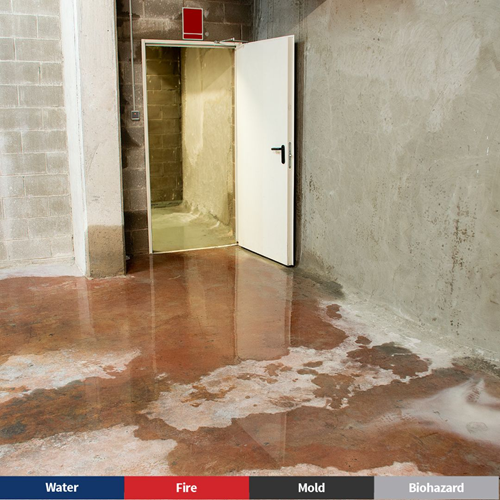
Basements are particularly vulnerable to water intrusion because they sit below ground level, where hydrostatic pressure from surrounding soil pushes water toward the foundation. When drainage systems fail or excess water accumulates, basements often become the first place flooding occurs.
Heavy Rain and Poor Drainage
Severe storms can overwhelm drainage systems around a home. When gutters, downspouts, or yard grading fail to direct water away from the foundation, water can seep through cracks or gaps in basement walls and floors.
Foundation Cracks
Over time, small cracks can develop in concrete foundations due to settling or soil movement. These cracks allow groundwater to seep into the basement during storms or when the soil becomes saturated.
Sump Pump Failure
Sump pumps are designed to remove water from basement drainage systems. When they malfunction during heavy rainfall or power outages, water can quickly accumulate and flood the basement.
Burst or Leaking Pipes
Plumbing failures are another common cause of basement flooding. A burst pipe or leaking water line can release large volumes of water within minutes.
Sewer Backups
In some cases, municipal sewer systems can become overloaded during storms, forcing contaminated water back into homes through basement drains.
Understanding the source of basement flooding is critical for determining the right cleanup and restoration approach.
How Basement Flooding Damages Your Home’s Foundation
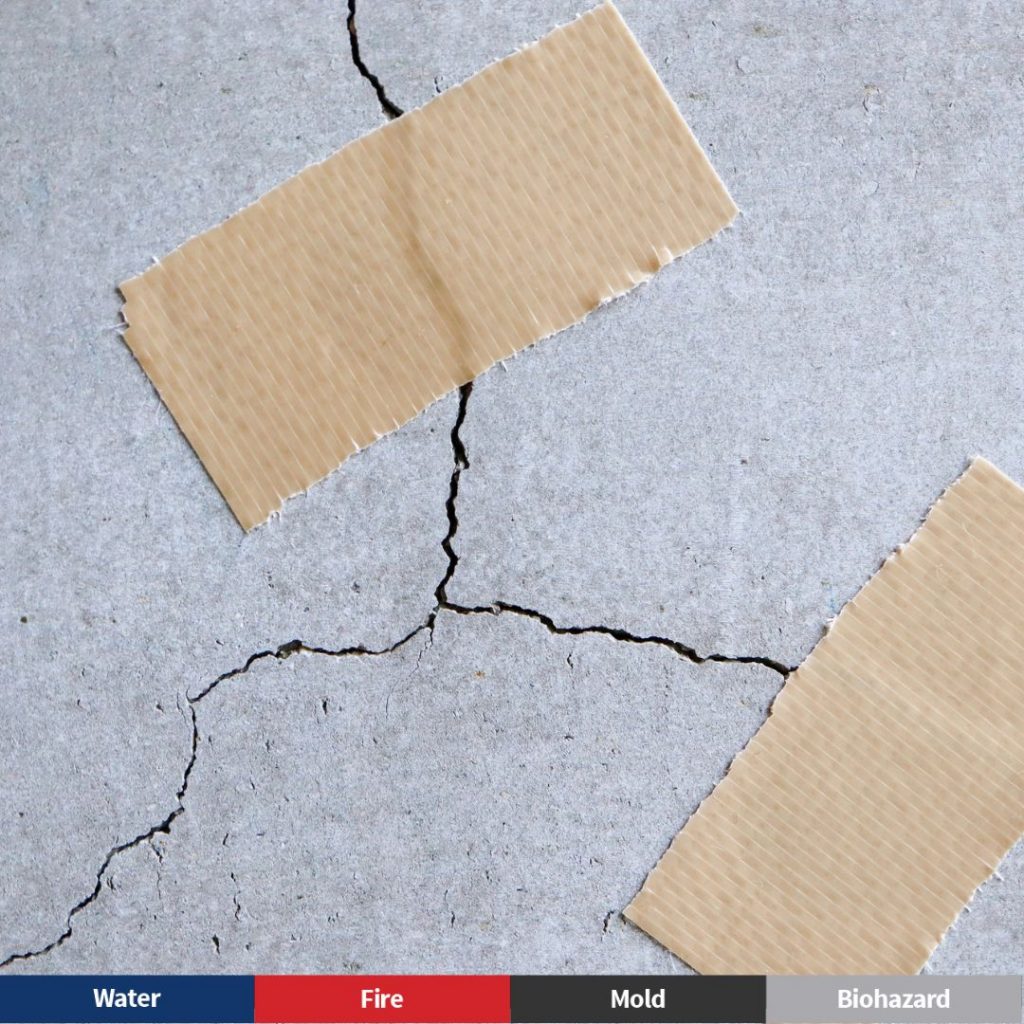
Water in the basement does more than damage flooring and personal belongings. Prolonged exposure to moisture can compromise the structural integrity of your home’s foundation.
Hydrostatic Pressure on Foundation Walls
When the soil surrounding a home becomes saturated, water pressure builds against the foundation walls. This pressure forces water through cracks, joints, and porous concrete surfaces. Over time, hydrostatic pressure can cause cracks to widen and allow more water to enter the basement.
Structural Weakening
Concrete and masonry materials may appear solid, but they are porous. Prolonged exposure to water can weaken these materials, causing deterioration and structural instability. If flooding continues untreated, the foundation may begin to shift or crack.
Mold Growth and Material Deterioration
Basements often contain wood framing, drywall, insulation, and flooring materials. These materials absorb moisture quickly and can begin developing mold within 24 to 48 hours after flooding occurs. Mold growth not only damages building materials but also creates potential health concerns for occupants.
Soil Instability Around the Foundation
Flooding can also affect the soil surrounding the home. Excess moisture can cause soil expansion or erosion, which may lead to foundation movement or uneven settling.
For these reasons, basement flood cleanup must be handled quickly and thoroughly to prevent long-term structural damage.
Why DIY Basement Flood Cleanup Can Make the Problem Worse
Many homeowners try to handle basement flooding themselves using mops, shop vacuums, and fans. While these methods may remove visible water, they rarely address the underlying moisture trapped within building materials.
Hidden Moisture Behind Walls and Under Floors
Water easily seeps into drywall, insulation, and subfloor materials. Without professional moisture detection equipment, it is nearly impossible to identify and dry these hidden areas. Trapped moisture can lead to mold growth and structural deterioration.
Inadequate Drying Equipment
Professional restoration companies use industrial-grade air movers, dehumidifiers, and water extraction equipment designed to remove large volumes of moisture quickly. Household fans and dehumidifiers are not powerful enough to dry structural materials effectively.
Mold and Contamination Risks
Floodwater may contain bacteria, sewage, chemicals, or debris. Without proper protective equipment and sanitation procedures, homeowners may be exposed to harmful contaminants during cleanup.
Electrical and Safety Hazards
Standing water in a basement can create serious electrical risks, especially when water reaches outlets, appliances, or wiring. Restoration professionals are trained to handle these hazards safely.
Because of these risks, professional basement flood cleanup is often the safest and most effective option.
How Professional Basement Flood Cleanup Protects Your Foundation
Hiring a professional restoration company ensures that flooding is addressed quickly and thoroughly. Restoration specialists follow a structured process designed to remove water, dry the structure, and prevent further damage.
Rapid Water Extraction
Professional crews use powerful pumps and extraction equipment to remove standing water from the basement. Fast water removal reduces the amount of moisture absorbed by building materials.
Advanced Moisture Detection
Restoration technicians use moisture meters and thermal imaging technology to locate hidden moisture behind walls, under flooring, and within structural components. This step ensures that no damp areas are overlooked.
Structural Drying and Dehumidification
Industrial air movers and commercial dehumidifiers are used to dry the basement environment and structural materials. Proper drying prevents mold growth and protects the integrity of the foundation.
Sanitization and Mold Prevention
Antimicrobial treatments may be applied to affected areas to eliminate bacteria and inhibit mold growth. This step is especially important when floodwater contains contaminants.
Structural Inspection
Restoration professionals also evaluate the condition of foundation walls, flooring, and framing materials. Early detection of structural damage helps prevent costly repairs later.
This comprehensive approach ensures that the basement is not only dry but also safe and structurally sound.
The Professional Basement Flood Cleanup Process
Most professional restoration companies follow a structured process to ensure effective water damage mitigation.
Step 1: Emergency Inspection and Assessment
Technicians assess the source of flooding, determine the extent of water damage, and create a restoration plan.
Step 2: Water Removal and Extraction
High-powered pumps and extraction units remove standing water from the basement.
Step 3: Moisture Detection and Mapping
Moisture meters and infrared technology are used to locate hidden water.
Step 4: Structural Drying and Dehumidification
Industrial drying equipment removes moisture from walls, floors, and structural materials.
Step 5: Cleaning and Sanitization
Contaminated surfaces are cleaned and disinfected to prevent bacterial growth.
Step 6: Restoration and Repairs
Damaged materials such as drywall, flooring, or insulation may be repaired or replaced to restore the space.
Acting quickly during the first 24 hours after flooding greatly increases the chances of preventing serious structural damage.
Signs You Need Professional Basement Flood Cleanup Immediately
Some signs of water damage may appear obvious, while others develop gradually. Homeowners should seek professional assistance if they notice:
- Standing water in the basement
- Damp or discolored walls and flooring
- Musty odors indicating moisture buildup
- Visible mold growth
- Warped wood or damaged drywall
- Water stains along foundation walls
Ignoring these warning signs can allow damage to worsen over time.
How Fast Basement Flood Cleanup Prevents Long-Term Damage
Quick action can significantly reduce the impact of basement flooding. Professional cleanup helps:
- Prevent foundation cracks caused by water pressure
- Stop mold growth before it spreads
- Protect structural framing and flooring materials
- Reduce repair costs by limiting damage
In many cases, early intervention can mean the difference between simple drying and major structural repairs.
Tips to Prevent Basement Flooding in the Future
While not all flooding can be prevented, homeowners can reduce their risk by taking proactive steps.
- Regularly inspect and maintain sump pumps
- Clean gutters and downspouts to improve drainage
- Ensure yard grading directs water away from the home
- Seal foundation cracks and gaps
- Install basement drainage systems if necessary
Routine maintenance helps protect the foundation and minimize the likelihood of future flooding.
Protect Your Home with Professional Basement Flood Cleanup
Basement flooding can quickly escalate from a minor inconvenience into a serious structural problem. Water that is not properly removed can damage foundations, weaken building materials, and create long-term mold issues.
Professional basement flood cleanup ensures that water is extracted quickly, hidden moisture is detected, and structural materials are thoroughly dried. By addressing the problem early, homeowners can protect their foundation, prevent mold growth, and avoid costly repairs.
If your basement has flooded, acting quickly is essential. Contact a professional water damage restoration company to assess the damage and begin the cleanup process before the situation becomes more severe.


 PuroClean of Lawrenceville