 PuroClean of Lawrenceville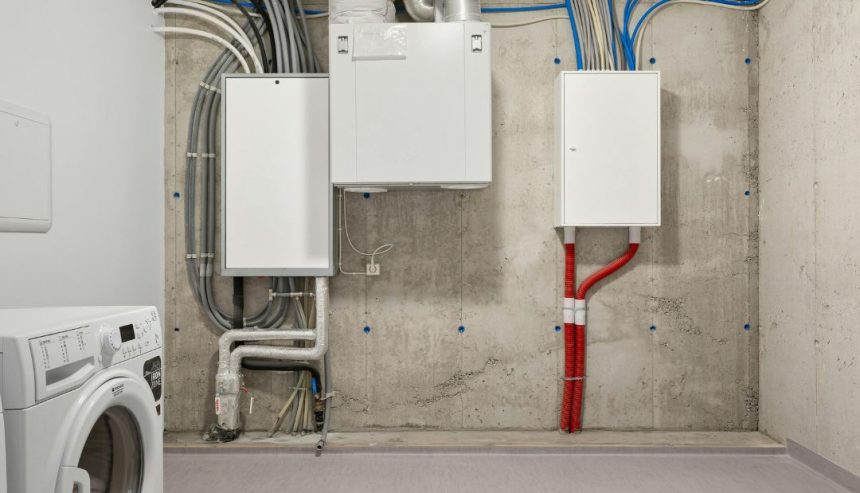
Introduction: Why Basement Humidity Matters in Lawrenceville
Lawrenceville, GA is a beautiful and historic city in Gwinnett County, with homes ranging from brand-new builds in growing neighborhoods to charming older houses near the town square. While these homes offer comfort and value, there’s one common challenge Lawrenceville homeowners face: Basement Humidity, keeping their basements dry and healthy in Georgia’s humid climate.

Georgia summers are known for their heavy rains, thunderstorms, and sticky humidity levels that can soar above 80%. Even in fall and spring, when temperatures are milder, humidity and rainfall can easily seep into basements. Add to this the clay-rich soil around Lawrenceville, which retains water and increases hydrostatic pressure against foundations, and you’ve got the perfect environment for damp, humid basements.
That’s why experts stress the importance of maintaining the right humidity level in your basement. Too much moisture leads to mold, musty odors, and structural issues, while too little can cause dryness and discomfort. The sweet spot? Between 30% and 50% relative humidity (RH)—with 45% being the ideal balance.
This guide will take a deep dive into what that means, why it’s so important in Lawrenceville, signs of trouble, and practical solutions every homeowner can use to keep basements safe, dry, and comfortable.
Table of Contents
1. What Is the Recommended Humidity Level for a Basement?
The ideal humidity level for a basement is 30%–50% RH, with 45% as the target. But why this range?
- Below 30% RH: The air becomes too dry. Wood flooring and beams can crack, furniture may warp, and occupants may experience dry skin, irritated sinuses, and worsened allergies.
- Between 30% and 50% RH: This range is comfortable for humans and safe for homes. It prevents mold growth, keeps pests away, and maintains structural integrity.
- Above 60% RH: This is the danger zone. Mold thrives at 60% RH and higher. Musty odors, visible mold spots, and moisture stains are common indicators that your basement is too humid.
Because basements are below ground, they naturally have a higher risk of excess humidity compared to other areas of a home. In Lawrenceville, where summer humidity regularly pushes 70%–90%, basements without moisture control can easily exceed safe limits.
2. Why Basement Humidity Matters in Lawrenceville
Basement humidity is not just about comfort—it’s a matter of health, safety, and property value.
- Mold Growth Risks: Mold is one of the most common biohazards in humid climates like Lawrenceville’s. If RH levels remain above 60%, mold spores spread quickly on walls, carpets, insulation, and even furniture stored in the basement. Mold exposure can cause allergy flare-ups, asthma, and other respiratory issues.
- Structural Damage: Excess moisture weakens wood beams, causes drywall to crumble, and creates cracks in foundations. Over time, this undermines the safety of the entire house.
- Musty Odors & Indoor Air Quality: Damp basements produce that “old basement smell,” which seeps upstairs and lowers overall air quality in your home.
- Pest Infestations: Termites, cockroaches, and silverfish are drawn to moist environments. High humidity makes your basement an open invitation.
- Energy Efficiency: Humid air feels warmer, making your HVAC system work harder. Controlling basement humidity can lower utility bills in Lawrenceville’s hot summers.
3. Signs Your Basement Humidity Is Too High
Not sure if your basement is in trouble? Look out for these red flags:
- Musty Smell – A clear indicator of mold and mildew.
- Condensation – Water droplets on basement windows, walls, or pipes.
- Visible Mold Growth – Black, green, or white fuzzy spots on walls or flooring.
- Peeling Paint/Wallpaper – Dampness pushes moisture behind surfaces.
- Rust – Tools, appliances, or shelving stored in the basement begin corroding.
- Warped Wood or Floors – Excess moisture affects beams and flooring above the basement.
- Health Symptoms – Increased coughing, sneezing, or asthma attacks indoors.
If you notice one or more of these signs, your basement’s humidity is almost certainly above the recommended range.
4. The Dangers of Ignoring High Humidity in Lawrenceville Basements
Humidity isn’t just an inconvenience. In Lawrenceville’s climate, ignoring it can lead to serious consequences:
a) Mold and Mildew Outbreaks
Mold loves Lawrenceville’s warm, moist environment. Once it starts, it spreads fast and can affect entire HVAC systems. Mold spores irritate lungs, trigger allergies, and cause long-term health problems.
b) Foundation and Structural Damage
Excess moisture leads to hydrostatic pressure against your basement walls. Over time, cracks form, letting in even more water. Wooden supports may also rot, weakening your home’s stability.
c) Property Damage & Odors
Furniture, carpeting, and stored belongings are ruined by high humidity. Even after drying, musty odors can linger and lower your home’s livability.
d) Pest Problems
Cockroaches, termites, and rodents are attracted to moist spaces. A damp basement can easily become an infestation zone.
e) Lower Resale Value
When it comes time to sell, evidence of mold, water damage, or high humidity can discourage buyers or reduce your asking price.
5. Causes of High Basement Humidity in Lawrenceville
Several factors contribute to basement humidity problems in Lawrenceville homes:
- Heavy Rain & Storms: Georgia storms dump large amounts of rain, overwhelming gutters and foundation drainage.
- Clay Soil: The red clay common in Gwinnett County holds water, which seeps into basements.
- Aging Plumbing: Leaky pipes in older Lawrenceville homes raise humidity.
- Poor Ventilation: Without airflow, trapped moisture lingers.
- Appliances: Washers, dryers, and water heaters often contribute to humidity when installed in basements.
6. How to Measure Humidity in Your Basement
Before fixing a problem, you need to measure it:
- Hygrometers – Small, inexpensive devices that display humidity percentages.
- Smart Humidity Monitors – Wi-Fi devices that send alerts to your phone.
- Professional Moisture Meters – Used by restoration companies to detect hidden water in walls, flooring, and air.
Checking regularly helps catch problems early before they cause damage.
7. Solutions to Control Basement Humidity in Lawrenceville
a) Dehumidifiers
The best tool for Lawrenceville homeowners.
- Portable Dehumidifiers: Work well for small basements.
- Whole-House Units: Connect to your HVAC system for consistent results.
b) Improve Drainage
- Keep gutters clean.
- Extend downspouts 6–10 feet from the foundation.
- Install French drains for water-prone yards.
c) Waterproofing
- Seal foundation cracks.
- Apply vapor barriers to walls.
- Install sump pumps with battery backup to handle storm flooding.
d) Insulation & Ventilation
- Insulate basement walls and cold-water pipes to reduce condensation.
- Add exhaust fans or tie into HVAC for better airflow.
8. Seasonal Basement Humidity Tips for Lawrenceville
- Spring – Check sump pumps and drainage before storm season.
- Summer – Run dehumidifiers daily to combat extreme Georgia humidity.
- Fall – Seal basement cracks before cold, wet weather.
- Winter – Monitor for dryness caused by heating systems.
9. When to Call a Professional in Lawrenceville
DIY fixes are fine for mild cases, but call a professional like PuroClean of Lawrenceville if:
- You see recurring mold growth.
- Flooding follows every heavy rain.
- Odors remain even after cleaning.
- You’re selling your home and need inspection-ready results.
PuroClean offers:
- Advanced moisture detection
- Professional drying and dehumidification
- Mold remediation
- Waterproofing assistance
- Full water damage restoration
10. Preventing Basement Humidity Long-Term
- Inspect plumbing yearly.
- Store valuables in sealed plastic bins.
- Run a dehumidifier year-round.
- Maintain gutters and drains regularly.
- Monitor humidity monthly with a hygrometer.
Conclusion: Keep Your Basement Safe and Dry
The recommended humidity level for basements is 30%–50%, ideally 45%. In Lawrenceville, GA, high humidity is a year-round challenge, but with the right tools, seasonal maintenance, and help from PuroClean of Lawrenceville, you can protect your home’s structure, your family’s health, and your property value.
Call to Action
👉 Concerned about basement humidity, mold, or water damage in Lawrenceville, Grayson, Suwanee, or anywhere in Gwinnett County? Call PuroClean of Lawrenceville today at (770) 810-5499 for expert basement moisture control and water damage restoration. Available 24/7 for emergencies.


 PuroClean of Lawrenceville