 PuroClean of Lawrenceville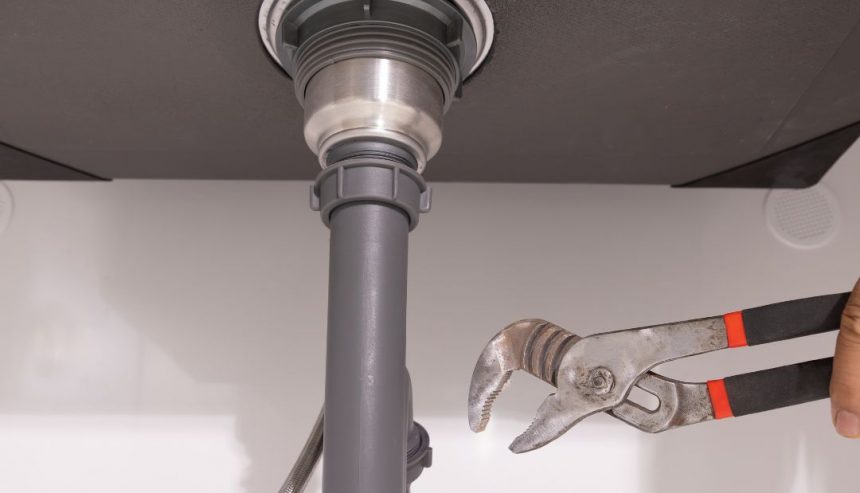
Clogged drains are among the most common and most underestimated home maintenance challenges. At first, they may seem harmless: a sink draining a little slower than usual, a faint gurgle in the shower drain, or a lingering smell near the kitchen sink. But left unresolved, clogged drains can become a major issue, leading to repeated backups, indoor flooding, sewage odors, or even structural water damage.
Table of Contents
The key to protecting your home is knowing when a clogged drain is an easy DIY task and when it’s a sign of a deeper plumbing or drainage problem that requires a specialist. In this guide, we break down everything homeowners need to know, from simple fixes to serious red flags.

Why Drains Clog in the First Place
Before diving into solutions, it helps to understand why drains clog. Most blockages in the home are caused by a slow buildup of everyday materials that stick to the inner lining of pipes. Over time, these materials form thick layers that restrict water flow. Common culprits include:
- Hair and soap scum in showers and bathroom sinks
- Grease, fat, and food particles in kitchen drains
- Flushable wipes, paper towels, and hygiene items in toilets
- Leaves, dirt, and debris in outdoor drains
- Tree roots infiltrating underground pipes
- Sediment buildup in older drainage systems
Some of these are easy to resolve on your own. Others require professional intervention to prevent long-term damage.
When It’s a Simple, Do-It-Yourself Fix
Many clogged drains are minor issues you can handle without professional tools or training. These are typically small blockages near the surface of the drain that haven’t traveled deeper into the plumbing system.
1. Bathroom Drains With Hair & Soap Buildup
Bathroom drains are the most frequently clogged because they collect hair, shampoo residue, shaving products, and soap scum. The symptoms are usually obvious:
- Slow-draining water
- Standing water around your feet in the shower
- Visible hair caught near the drain cover
DIY Fix:
Use a plastic drain snake or hair removal tool. These inexpensive devices can pull clumps of hair from the drain within minutes. A mixture of baking soda and vinegar followed by hot water can also help clear minor buildup.
2. Kitchen Sink Clogs From Grease and Food Waste
Kitchen sinks suffer from a unique type of blockage caused by cooking oil, grease, and starchy foods. Even small amounts of grease can solidify inside pipes.
DIY Fix:
Try flushing the drain with boiling water, dish soap, and vinegar. A sink plunger can also help dislodge soft blockages. Avoid chemical drain cleaners while tempting, they can corrode pipes and create bigger problems over time.
3. Toilet Clogs From Paper Buildup
Most toilet blockages are caused by too much paper, non-flushable wipes, or hygiene products.
DIY Fix:
A plunger works in most cases. For recurring, simple blockages, enzyme-based cleaners can break down organic debris without damaging pipes.
4. Outdoor Drain Grates Blocked by Debris
Yard drains and driveway drains often clog after storms or during fall when leaves accumulate.
DIY Fix:
Removing leaves, mud, and debris from the drain opening usually restores proper flow quickly.
5. Minor Odors or Sluggish Drains
If your drain occasionally slows down or has a mild smell that goes away after cleaning, it’s usually normal.
DIY Fix:
Clean the P-trap, rinse with hot water regularly, and schedule seasonal maintenance.
If the clog resolves and doesn’t return, it was likely a simple issue. But if symptoms return within days or weeks, it’s a sign of a deeper plumbing concern.
When You Need a Drainage Specialist
Some drainage problems signal something far more serious than a simple clog. These require specialized tools, experience, and diagnostic methods to properly repair. Ignoring them can lead to costly water damage, foundation issues, or even sewage exposure.
Here are the major red flags that indicate you need a drainage specialist:
1. Multiple Drains Backing Up at the Same Tim
If water backs up in the shower when you flush the toilet—or the kitchen sink overflows when the washing machine runs—your main sewer line is likely blocked.
This is a job only a professional should handle.
Main sewer line issues are caused by:
- Tree root intrusion
- Collapsed pipes
- Years of grease buildup
- Foreign objects lodged deep inside
Drainage specialists use video pipe inspections to locate the blockage and hydro-jetting to clear it safely.
2. Recurring Clogged Drains That Keep Coming Back
If you’ve tried all the usual solutions and the drain clogs again within days or weeks, something deeper is wrong.
Chronic Clogged Drains can be caused by:
- Pipe corrosion
- Improper pipe slope
- Root intrusion
- A full or damaged sewer line
- A failing septic system
Only a specialist can identify and fix the underlying issue.
3. Standing Water Outdoors or in the Basement
If water repeatedly pools in your yard, near your home’s foundation, or in the basement, your property has drainage system failures, not just clogged drains.
A drainage expert may recommend:
- French drains
- Channel drains
- Sump pump installation
- Downspout extensions
- Crawlspace drainage systems
- Yard regrading
These prevent long-term damage to soil, retaining walls, and foundations.
4. Strong Sewage Odors
A foul smell coming from drains or your yard is more than an inconvenience—it indicates a serious plumbing issue.
Common causes:
- Broken sewer lines
- Vent pipe blockages
- Sewer gas escaping through loose fittings
- Septic overflow
Professional diagnostics are required immediately.
5. Water Damage, Mold, or Hidden Moisture
Clogged drains don’t just inconvenience you, it can damage your floors, ceilings, walls, and belongings.
Signs that the clog has escalated:
- Water stains
- Bubbling paint
- Buckling floors
- Wet drywall
- Mold growth
- Musty odors
A drainage specialist can fix the plumbing issue, while a restoration company handles drying, mold prevention, and repairs.
How Drainage Specialists Fix Complex Problems
Professional specialists use advanced tools and methods that homeowners don’t have access to:
Video Pipe Inspection
A small camera is run through the pipes to identify blockages, tree roots, cracks, or collapsed sections.
Hydro-Jetting
Powerful jets of water clean the inside of pipes, removing grease, scale, and buildup.
Mechanical Augers
Long-distance augers can remove deep clogs that home tools can’t reach.
Drain Line Replacement or Repair
If pipes have collapsed or roots have caused structural damage, specialists replace or repair the section.
Outdoor Drainage Solutions
Depending on your yard and soil type, solutions may include:
- French drains
- Catch basins
- Trench drains
- Downspout rerouting
- Yard grading
These reduce flooding risk and improve water flow away from the home.
How to Prevent Clogged Drains Before They Start
Prevention is always better and cheaper than emergency repairs. These habits help keep your drains healthy:
- Install drain screens in bathrooms and kitchens
- Never pour grease or oil down the sink
- Rinse drains with hot water weekly
- Clean outdoor drains every season
- Keep gutters and downspouts clear
- Only flush toilet paper
- Schedule annual inspections for older homes
- Avoid planting large trees near sewer lines
A little maintenance goes a long way toward preventing clogged drains and ultimately, costly repairs. Clogged drains range from simple household annoyances to major plumbing system failures. While many blockages can be solved with basic tools and home remedies, others are clear signs you need a drainage specialist.
Knowing the difference is essential.
Minor clogs can be handled at home but recurring, widespread, smelly, or water-related issues require professional attention.
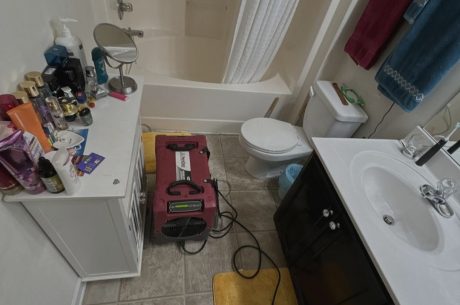
If water damage has already occurred due to clogged drains, sewer backup, or outdoor drainage failure, contact your local water damage restoration experts for fast, reliable cleanup.

 PuroClean of Lawrenceville