 PuroClean of Lawrenceville
Buying a new home is one of the biggest investments you’ll ever make. For many people in Lawrenceville and across Gwinnett County, it’s both exciting and overwhelming. Between paperwork, inspections, and moving in, it’s easy to get swept up in the process. But here’s the truth: not all issues reveal themselves immediately.
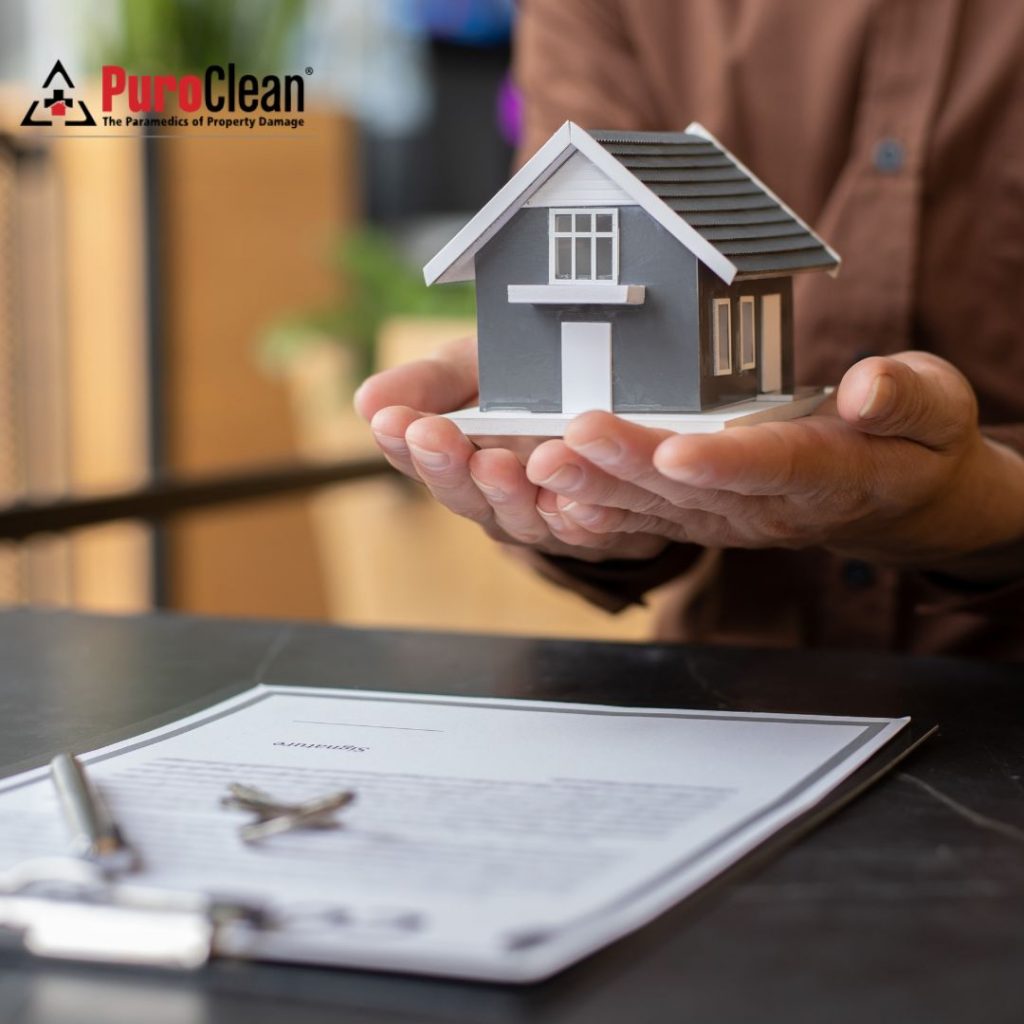
Sometimes, the “dream home” you move into hides serious problems—ones that can cost thousands of dollars if ignored. That’s why knowing how to spot red flags early is crucial for protecting your investment and your family’s safety.
This guide breaks down the most common warning signs new homeowners should look for and how to address them before it’s too late.
Table of Contents
1. Water Stains and Moisture Problems
Why it matters: Water stains on ceilings, walls, or floors may seem minor, but they’re often the first clue of hidden leaks, plumbing problems, or roof damage. Left untreated, water issues can lead to mold growth, structural damage, and poor indoor air quality.
What to look for:
- Yellow or brown stains on ceilings or walls.
- Bubbling paint, peeling wallpaper, or warped flooring.
- Musty odors in basements or crawl spaces.
- Damp carpet or soft spots in wood flooring.
Pro tip for Lawrenceville homeowners: Heavy Georgia rains and high humidity mean basements and crawl spaces are especially vulnerable. In Hempstead, coastal storms and high groundwater often cause similar risks.
👉 What to do: If you see any signs of water damage, call in a professional restoration company like PuroClean for an inspection. Advanced tools like infrared cameras and moisture meters can detect hidden leaks before they become disasters.
2. Mold and Mildew
Why it matters: Mold isn’t just unsightly—it can trigger allergies, worsen asthma, and lower indoor air quality. Mold often develops where there’s hidden water damage.
What to look for:
- Black, green, or white patches on walls, ceilings, or baseboards.
- Persistent musty odor even after cleaning.
- Discoloration or staining around HVAC vents.
- Frequent condensation on windows.
Pro tip: Mold can start growing within 24–48 hours of water exposure. Don’t wait for an inspection for your new home to confirm—trust your nose and eyes.
👉 What to do: Schedule a mold inspection and remediation service if you spot or smell mold. A professional team can safely remove it and prevent regrowth.
3. Electrical Issues
Why it matters: Faulty wiring is one of the leading causes of house fires. In older homes, outdated systems may not be equipped to handle modern appliances and electronics.
What to look for:
- Flickering or dimming lights.
- Burning smell near outlets or switches.
- Warm outlets or sparking plugs.
- Circuit breakers that trip often.
👉 What to do: Hire a licensed electrician to inspect your new home’s wiring. If you notice unusual activity after moving in, don’t ignore it—it could be a fire hazard.
4. Plumbing Problems
Why it matters: Leaks, clogged drains, and outdated plumbing can lead to water damage, mold growth, and expensive repairs.
What to look for:
- Low water pressure.
- Noisy pipes (knocking or rattling).
- Stains under sinks or around toilets.
- Slow drains or frequent backups.
Pro tip for new homeowners: Run faucets, flush toilets, and check water heaters immediately after moving in. Small issues can snowball into major plumbing emergencies if ignored.
👉 What to do: Contact a plumber or restoration company if you suspect hidden leaks. Companies like PuroClean can handle both water extraction and cleanup if a problem escalates.
5. Foundation and Structural Concerns
Why it matters: Structural issues threaten both the safety and value of your new home. Small cracks may be harmless, but large ones can indicate foundation problems.
What to look for:
- Cracks in walls wider than 1/8 inch.
- Uneven floors or sagging ceilings.
- Sticking doors and windows.
- Water pooling around the foundation after rain.
👉 What to do: Schedule a foundation inspection if you see multiple warning signs. Address drainage issues to prevent further water damage.
6. Roof Damage
Why it matters: The roof is your new home’s first defense against the elements. A compromised roof can cause water intrusion, insulation damage, and mold.
What to look for:
- Missing, curled, or cracked shingles.
- Stains on ceilings after rain.
- Sagging rooflines.
- Gutter clogs or shingle granules in downspouts.
Pro tip for Lawrenceville homeowners: After summer thunderstorms or hail, inspect your roof for damage. In Hempstead, coastal winds and heavy rain pose similar risks.
👉 What to do: Have your roof inspected annually and after major storms. A small repair today can save thousands tomorrow.
7. HVAC and Indoor Air Quality
Why it matters: A poorly maintained HVAC system can cause high energy bills, poor indoor comfort, and mold growth inside ducts.
What to look for:
- Uneven heating or cooling in rooms.
- Dust buildup around vents.
- Strange odors when running the system.
- Excessive indoor humidity.
👉 What to do: Schedule an HVAC tune-up and change filters regularly. For lingering odors or mold concerns, ask for an indoor air quality assessment.
8. Pests and Infestations
Why it matters: Termites, rodents, and other pests can cause structural damage and health risks.
What to look for:
- Droppings in cabinets or basements.
- Wood that sounds hollow when tapped.
- Small piles of sawdust (a sign of termites).
- Scratching noises in walls or ceilings.
👉 What to do: Schedule a pest inspection if you see signs of infestation in your new home. Prevention is always cheaper than repairs.
9. Exterior Red Flags
Why it matters: Problems outside your home can lead to issues inside.
What to look for:
- Poor grading that causes water to pool near the foundation.
- Cracked sidewalks or driveways.
- Damaged siding or gaps around windows.
- Clogged gutters and downspouts.
👉 What to do: Maintain landscaping, seal openings, and direct water away from the home.
10. Red Flags During and After Storms
Why it matters: Georgia storms (or coastal storms in New York) can quickly reveal vulnerabilities in your new home.
What to look for:
- Leaks after heavy rain.
- Flooding in basements or crawl spaces.
- Wind-driven roof damage.
- Power surges or outages.
👉 What to do: Keep a storm emergency plan and know which restoration company to call for 24/7 response.
FAQ: Red Flags in a New Home
Q: Shouldn’t the home inspection catch all of this?
A: Inspections cover a lot, but not everything—especially hidden leaks or mold behind walls. Stay alert even after moving in.
Q: How soon should I act if I find a problem?
A: Immediately. Delaying can make repairs costlier and cause health risks.
Q: Who do I call if I suspect hidden water damage?
A: A restoration company like PuroClean can detect, remove, and repair water damage quickly.
Q: Is mold always visible?
A: No. Often mold grows inside walls, ceilings, or HVAC systems before it appears on the surface.
Final Thoughts
Moving into a new home should be a joyful experience, not a stressful one. By learning to spot red flags early, you can protect your investment, keep your family safe, and avoid expensive surprises.
At PuroClean, we help new homeowners in Lawrenceville and surrounding areas (and Hempstead, NY for our Long Island clients) with:
- Water damage inspections and cleanup
- Mold remediation
- Fire and smoke restoration
- Property sanitization and restoration
📞 Call PuroClean of Lawrenceville for fast, reliable service. Your dream home deserves to stay that way. Let us help you keep it safe.

 PuroClean of Lawrenceville