 PuroClean of Lawrenceville
A septic smell in your house can be more than just unpleasant—it’s often a warning sign that something is wrong with your plumbing or septic system. For homeowners in Lawrenceville, GA, ignoring these odors can result in bigger, costlier problems like septic backups, water damage, or even health risks.
In this guide, we’ll cover the most common causes of septic smells indoors, how to spot them, and when to call a professional for help.
Table of Contents

Why Septic Smells Happen
Septic Smells come from sewer gases, which are byproducts of waste breaking down in your septic tank or sewer system. These gases include methane, ammonia, and hydrogen sulfide, all of which can be hazardous in large amounts. Your plumbing system is designed to keep these gases sealed off and vented safely outside.
When something goes wrong—like a dry drain, clogged vent, or full septic tank—the gases may leak into your home, creating the smell of rotten eggs or sewage.
1. Dry P-Traps
One of the simplest reasons for septic smells indoors is a dry P-trap.
The P-trap is the U-shaped pipe located beneath sinks, showers, and floor drains. It holds a small amount of water that acts as a barrier, preventing sewer gases from entering your home. If a drain hasn’t been used for weeks, that water can evaporate.
Signs to Look For:
- Odor strongest near unused guest bathrooms, basements, or laundry drains
- Smell appears after hot, dry weather when evaporation is faster
Fix: Run water down every drain in your home regularly. For drains that aren’t used often, add a few drops of mineral oil after filling with water—it slows evaporation and keeps the trap sealed longer.
2. Full Septic Tank
If your septic tank hasn’t been pumped in years, it can overflow or back up. This allows gases to escape into your home through drains and toilets.
Typical Signs:
- Strong smells near bathrooms or drains
- Gurgling sounds when flushing toilets
- Multiple slow drains throughout the house
- Sewage backup in tubs or sinks
Prevention: Septic tanks in Lawrenceville should generally be pumped every 3–5 years, depending on family size and water usage. Larger households or homes with older systems may need pumping more often.
3. Blocked or Clogged Vent Pipes
Your plumbing system includes vent pipes that extend through your roof. These vents allow sewer gases to escape outside while keeping air pressure balanced inside the system. If the vent is blocked by leaves, ice, animal nests, or debris, gases may be forced back into your home.
Signs of a Blocked Vent Pipe:
- Odors appear in multiple rooms, not just one drain
- Stronger smell during or after rainfall
- Gurgling toilets or sinks when draining
Fix: Have a plumber inspect the vent stack. Clearing the blockage usually restores normal airflow. Homeowners should also keep their roof clear of debris to prevent future clogs.
4. Damaged or Leaking Pipes
Cracked, loose, or poorly sealed pipes can allow septic gases to escape indoors. Even small leaks in sewer lines beneath sinks or behind walls can cause persistent odors.
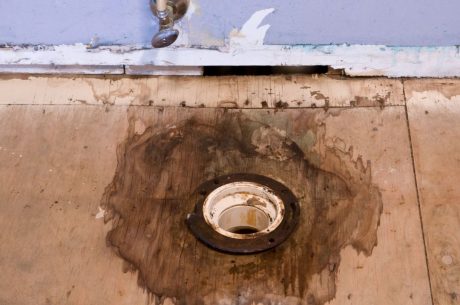
One common issue is a damaged wax ring under the toilet, which breaks the seal between the toilet and drain line.
How to Identify:
- Odor strongest in one specific bathroom
- Smell near the base of the toilet
- Visible leaks, water damage, or staining under sinks or floors
Fix: Reseal or replace the toilet wax ring and repair any cracked pipes. These repairs are best handled by a licensed plumber.
5. Septic System Failure
If your entire septic system is failing, the smells won’t stay confined to drains—they may spread throughout your home and yard.
Warning Signs of a Failing Septic System:
- Sewage odor inside and outside the home
- Soggy ground or standing water in the drain field
- Multiple slow or clogged drains
- Frequent sewage backups
Fix: Septic system failure is a serious issue that requires immediate professional attention. A restoration company like PuroClean of Lawrenceville can help mitigate the damage while septic specialists repair or replace the system.
6. Improperly Sealed Toilets
Sometimes the issue is as simple as an improperly sealed toilet. If the toilet wasn’t installed correctly or the seal has deteriorated, gases from the sewer line can seep into your bathroom.
Symptoms:
- Odor noticeable only in one bathroom
- Smell strongest near the floor around the toilet base
Solution: Replace the wax ring or reseal the toilet. This is usually a quick and inexpensive repair.
Are Septic Smells Dangerous?
Yes—septic odors are more than a nuisance. The gases may contain hydrogen sulfide and methane, which are harmful in high concentrations. Prolonged exposure can cause headaches, dizziness, nausea, and in severe cases, respiratory issues.
If you smell septic odors indoors and can’t quickly identify the cause, it’s best to call a professional.
Tips for Preventing Septic Odors in Your Home
- Schedule regular septic tank pumping (every 3–5 years).
- Use water regularly in all drains to keep P-traps filled.
- Install a dehumidifier in basements or crawl spaces to prevent excess moisture.
- Inspect toilets and drains for leaks or weak seals.
- Keep roof vents clear of leaves and debris.
- Avoid flushing non-biodegradable items (like wipes or grease) that can clog your system.
Professional Help in Lawrenceville
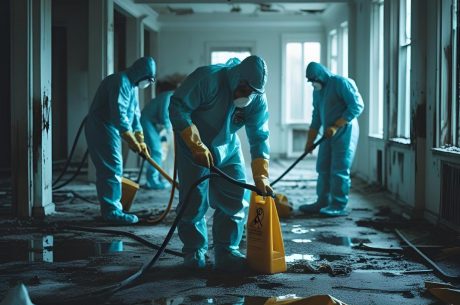
A septic smell is often a sign of a deeper issue that needs professional attention. At PuroClean of Lawrenceville, we specialize in property damage restoration and odor removal, including sewage backups, water damage, and mold remediation.
Our certified technicians can:
- Inspect for water or sewage leaks
- Remove hazardous waste safely
- Eliminate odors using advanced deodorization equipment
- Restore damaged areas of your home
We work 24/7 to help Lawrenceville homeowners restore safety and comfort after septic or water-related problems.
FAQs About Septic Smells in Lawrenceville Homes
1. Why does my house smell like septic at night?
At night, lower water use and cooler temps may cause gases to linger longer indoors, making odors more noticeable.
2. Can septic smells make you sick?
Yes. Prolonged exposure to sewer gases can cause headaches, nausea, dizziness, and respiratory issues.
3. How do I know if it’s my septic tank or plumbing?
If the odor comes from multiple drains, it may be the septic system. If it’s localized, it’s likely a plumbing issue (like a trap or vent).
4. How often should I pump my septic tank?
Most Lawrenceville homeowners should pump every 3–5 years, but larger families may need it more frequently.
5. Who do I call for a septic smell in my house?
Start with a licensed plumber or septic specialist. If odors are linked to leaks, backups, or property damage, call PuroClean of Lawrenceville for emergency restoration.
Final Thoughts
A septic smell in your house should never be ignored. Whether it’s a simple dry drain or a serious septic system failure, identifying the source quickly is key to protecting both your home and your health.
👉 If you notice persistent septic odors in your Lawrenceville home, call PuroClean of Lawrenceville today. Our team provides expert inspection, cleanup, and restoration services to eliminate odors and restore peace of mind.
📞 Available 24/7 across Lawrenceville and surrounding Gwinnett County communities.

 PuroClean of Lawrenceville