 PuroClean of Lawrenceville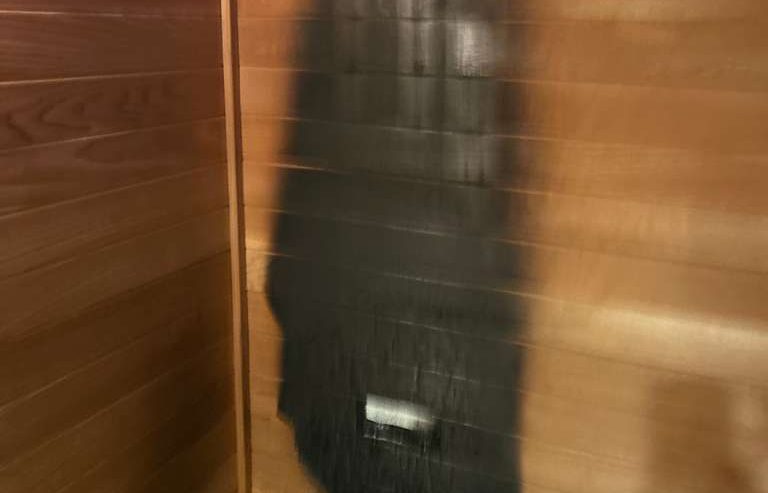
After a house fire, many homeowners focus on obvious burn damage, but two less visible problems often cause the most long-term issues: smoke odor and soot damage. Although these terms are sometimes used interchangeably, they represent distinct forms of damage that require different restoration approaches. Understanding both — and why professional restoration is critical — can help homeowners in Lawrenceville recover safely and completely.
Table of Contents
What Is Smoke Odor Damage?
Smoke odor damage comes from gases and microscopic particles released during combustion. When materials burn — whether wood, textiles, plastics, or insulation — smoke is produced and seeps deep into the structure of a home: drywall, insulation, carpets, upholstery, and even HVAC systems.
Key Characteristics of Smoke Odor Damage
- Invisible but pervasive: Smoke travels through every opening and penetrates porous materials, leaving behind a strong, lingering smell long after flames are gone.
- Chemical contamination: Smoke deposits acidic particles and volatile organic compounds (VOCs) that can corrode metal fixtures and discolor surfaces over time.
- Air quality impact: Even when the home looks clean, smoke odor particles can remain in the air and affect indoor air quality, potentially triggering respiratory irritation.
Because smoke can hide behind walls and inside ductwork, simply airing out the home isn’t enough to remove the odor — professional deodorization is typically required.
What Is Soot Damage?
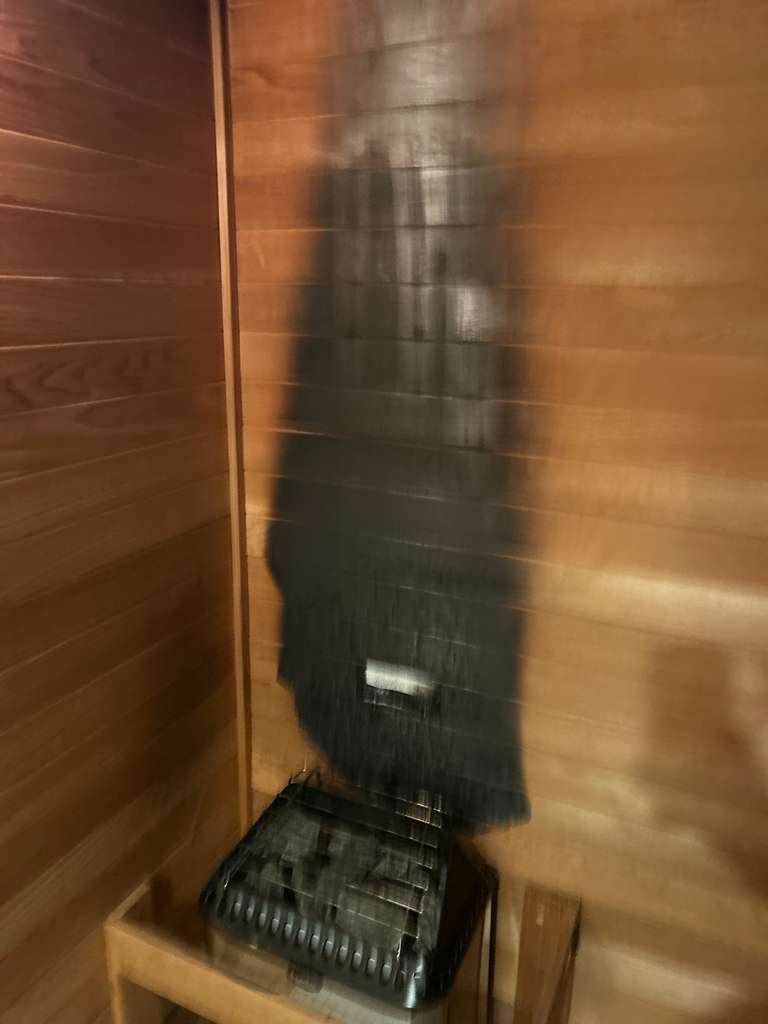
Soot damage is the visible residue left behind after incomplete combustion. It’s made up of carbon particles and often contains chemical byproducts depending on what burned. Soot can range from dry and powdery to sticky and oily based on the fire conditions and materials involved.
Key Traits of Soot Damage
- Visible residue: Soot appears as a black or gray film or powder on walls, ceilings, floors, and contents throughout the home.
- Surface staining: If not treated correctly, soot can permanently stain surfaces, fabrics, and porous materials.
- Chemical risks: Like smoke odor, soot often contains corrosive components that can damage electronics, metal fixtures, and structural materials.
Because soot texture varies — from dry and light to oily and tenacious — removal methods must be chosen carefully. Using the wrong cleaning technique can spread soot further or grind it into surfaces, making restoration harder and more expensive.
Key Differences: Smoke Odor vs. Soot Damage
| Damage Type | Primary Driver | Visibility | Major Issues |
|---|---|---|---|
| Smoke Odor | Gases & microscopic particles | Often invisible, odor only | Lingering smell, air quality impacts, corrosion |
| Soot Damage | Carbon residue from combustion | Highly visible residue | Surface staining, health risks, corrosive residue |
Smoke odor and soot are related but distinct — smoke refers to the contaminants dispersed through the air and materials, while soot refers to the solid deposits left after combustion. Both can exist even in areas that show no flame exposure.
Why Both Need Professional Restoration
1. Specialized Cleaning Techniques
Smoke odor can embed in HVAC systems, wall cavities, and porous materials — places unreachable with household cleaners. Professional restoration teams use thermal fogging, ozone treatments, hydroxyl generators, and HEPA filtration to neutralize odors at the molecular level, not just mask them.
2. Correct Soot Removal Methods
Soot comes in different forms (dry, wet, oily) and responds differently to cleaning methods. Professionals use chemical sponges, low-moisture techniques, dry vacuuming, and tailored chemical cleaners to remove soot safely without smearing or embedding residues deeper.
3. Health and Safety Considerations
Both smoke and soot contain harmful particles and VOCs that can irritate lungs and aggravate respiratory conditions. Proper protective equipment and containment methods are essential, making DIY attempts risky.
4. Full Property Assessment
Professionals don’t just treat what’s visible — they assess hidden contamination in attic spaces, ductwork, and insulation, ensuring the home is truly clean and safe for occupants.
In Summary
Smoke odor and soot damage are two sides of the same post-fire problem but affect your property in different ways:
- Smoke odor infiltrates air and materials and causes lingering smells and corrosive chemical deposits.
- Soot damage leaves visible carbon residue that can permanently stain and degrade surfaces.
Both require professional restoration techniques to ensure thorough removal, safe air quality, and preservation of your home’s interior and contents. Attempting to clean fire residues without specialized equipment and expertise can leave behind lingering odor, permanent stains, and health hazards — or even make the situation worse
 PuroClean of Lawrenceville