 PuroClean of Lawrenceville
Buying a home in Lawrenceville is one of life’s biggest milestones. The joy of moving into a new space often comes with the reality of maintaining it—and one of the most important responsibilities is protecting your home from water damage.

Water damage is the second most common cause of home insurance claims in the U.S. According to the Insurance Information Institute, it costs billions each year to repair homes affected by leaks, floods, and burst pipes. For new homeowners, the risks are especially high—small issues you overlook today could turn into costly disasters tomorrow.
This guide explains why water damage is a concern in Lawrenceville, what the most common causes are, and the practical steps you can take to prevent it. Whether your home is brand new, recently purchased, or a charming older property, these strategies will help you protect your investment.
Table of Contents
🌧️ Why Water Damage Is a Big Concern in Lawrenceville
Lawrenceville, located in the heart of Gwinnett County, experiences a mix of humid summers, occasional ice storms in winter, and heavy rainfall during storm season. These conditions create the perfect environment for water damage.
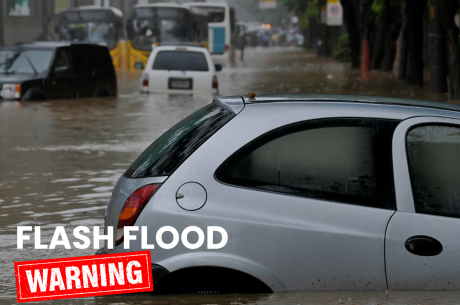
- Summer storms and flash floods: Afternoon thunderstorms are common, and when the ground becomes saturated, water can seep into basements and crawl spaces.
- High humidity: Georgia’s warm, moist air makes attics, crawl spaces, and basements prone to condensation, leading to hidden mold growth.
- Winter freezes: While winters are mild compared to northern states, sudden cold snaps can still freeze exposed pipes, leading to bursts.
- Aging infrastructure: Lawrenceville has both new developments and older neighborhoods where plumbing systems may be decades old.
- Tree-lined neighborhoods: Mature oaks and pines add charm but also drop leaves that clog gutters and may cause water to pool near foundations.
For new homeowners, understanding these local risks means you can prepare before water intrusion becomes a problem.
🚰 Common Causes of Water Damage in New Homes
Even if your home passed inspection during closing, problems can arise. Here are seven leading culprits:
- Leaky Roofs
Shingles damaged by storms or poor installation can allow rainwater to enter your attic. Once inside, it soaks insulation, damages drywall, and encourages mold growth. - Plumbing Issues
Loose pipe joints, old galvanized plumbing, or poorly installed fixtures can drip silently behind walls for months before you notice water stains. - Appliance Failures
Washing machine hoses, dishwashers, and water heater tanks are frequent sources of sudden leaks. A ruptured washing machine hose alone can release 500 gallons of water in one hour. - Poor Drainage Around the Home
Lawrenceville’s clay-heavy soil holds water instead of draining quickly. If your yard slopes toward the foundation, rainwater can collect around your home and seep inside. - Basement and Crawl Space Seepage
Heavy rain can overwhelm sump pumps or penetrate through cracks in basement walls, leaving behind standing water and musty odors. - Window and Door Leaks
Improper sealing around frames allows wind-driven rain to enter. Even small gaps cause water stains and weaken the surrounding structure. - HVAC Condensation
In Georgia’s humidity, HVAC units often produce excess condensation. Clogged condensate lines or poorly insulated ducts can drip water into ceilings and walls.
🛠️ Prevention Tips for New Homeowners
Here’s a step-by-step plan for keeping your new home safe:
1. Inspect Your Roof and Gutters
- Hire a roofer to check for missing or curling shingles.
- Look for moss, algae, or soft spots—signs of trapped moisture.
- Clean gutters at least twice a year to prevent clogs. Clogged gutters can cause water to back up and flow under shingles.
- Extend downspouts at least six feet away from your foundation.
2. Test Your Plumbing System
- Inspect under sinks, behind toilets, and around water heaters.
- Replace old rubber washing machine hoses with braided stainless steel.
- Insulate exposed pipes before winter to reduce burst risks.
- Check your water heater’s age—if it’s over 10 years old, plan to replace it before it leaks.
3. Protect Your Basement and Crawl Spaces
- Install a sump pump with a battery backup. Lawrenceville’s frequent thunderstorms often cause power outages when you need your sump pump most.
- Apply waterproof sealants to basement walls and floors.
- Use a dehumidifier in crawl spaces to maintain humidity below 50%.
4. Maintain Your Appliances
- Schedule annual maintenance for water heaters and HVAC systems.
- Check dishwashers for loose fittings under the sink.
- Move your refrigerator occasionally and inspect the ice maker line.
5. Improve Ventilation
- Use bathroom fans after every shower to reduce moisture buildup.
- Ensure your attic has proper ventilation to prevent condensation.
- Run ceiling fans to circulate air and reduce indoor humidity.
6. Monitor Your Water Bill and Meter
- A sudden spike in your bill may indicate a hidden leak.
- Turn off all water appliances, then check your meter—if it’s still moving, you likely have a leak.
🧰 Tools & Technology That Help Prevent Water Damage
Smart technology makes prevention easier:
- Smart Leak Detectors: Wi-Fi sensors placed under sinks or near appliances send alerts to your phone if moisture is detected.
- Automatic Shut-Off Valves: These connect to your plumbing system and cut off water if unusual flow is detected.
- Moisture Meters: Useful for DIY inspections of drywall and wood.
- Infrared Cameras: Detect hidden water behind walls without invasive testing.
For new homeowners, these devices provide peace of mind and early warnings.
🏡 Local Considerations for Lawrenceville Homeowners
Because of Gwinnett County’s unique environment:
- Prepare for Summer Storms: Test sump pumps before June and clear gutters before heavy rainfall.
- Address Clay Soil Drainage: Consider regrading or installing French drains to redirect water.
- HOA and Insurance Requirements: Some Lawrenceville neighborhoods require preventive measures such as sump pumps or backflow valves. Check your policy—flood coverage is often separate.
💸 The Cost of Ignoring Water Damage
Many homeowners delay fixing small leaks, but here’s what can happen:
- Mold Growth: Appears within 24–48 hours. Mold not only damages surfaces but also causes health issues like allergies and respiratory problems.
- Structural Damage: Water weakens drywall, flooring, and wooden beams, leading to costly structural repairs.
- Electrical Hazards: Water near outlets or wiring is a fire risk.
- Lower Home Value: Home inspectors flag water damage, which can reduce your property’s resale value by thousands.
💡 A $20 fix today (like replacing a washing machine hose) can prevent a $10,000 repair tomorrow.
❓ Frequently Asked Questions
Q: Do I need flood insurance in Lawrenceville?
Yes, if your home is in a flood zone. Standard homeowners’ insurance rarely covers flood damage. FEMA’s flood maps can tell you if you’re at risk.
Q: How often should I schedule professional inspections?
At least once a year for roofs, plumbing, and HVAC systems. Crawl spaces and basements may need inspections before storm season.
Q: What should I do if I find water damage?
Turn off the water supply, document the damage with photos, and call a restoration professional immediately. Quick response reduces the chance of mold and saves money.
Q: How can I reduce basement flooding risk?
Keep gutters clean, install a sump pump, and ensure landscaping slopes away from your foundation. Consider a French drain system if your property frequently pools water.
Q: Is mold always visible after water damage?
No—mold often grows behind walls, under flooring, or in HVAC systems. That’s why moisture detection tools are essential.
🔑 Final Thoughts
Owning a home in Lawrenceville is exciting, but protecting it from water damage requires ongoing effort. By following preventive steps—regular inspections, maintenance, and smart technology—you can avoid the costly, stressful repairs that water damage brings.
At PuroClean of Lawrenceville, we help new homeowners recover quickly from unexpected water issues. Our IICRC-certified team uses state-of-the-art drying equipment, infrared cameras, and moisture meters to restore your home safely and efficiently.
👉 If you ever face water damage in Lawrenceville, Duluth, Suwanee, Snellville, or anywhere in Gwinnett County, call PuroClean of Lawrenceville. We’re available 24/7 to protect your property, your health, and your peace of mind.


 PuroClean of Lawrenceville