 PuroClean of Lawrenceville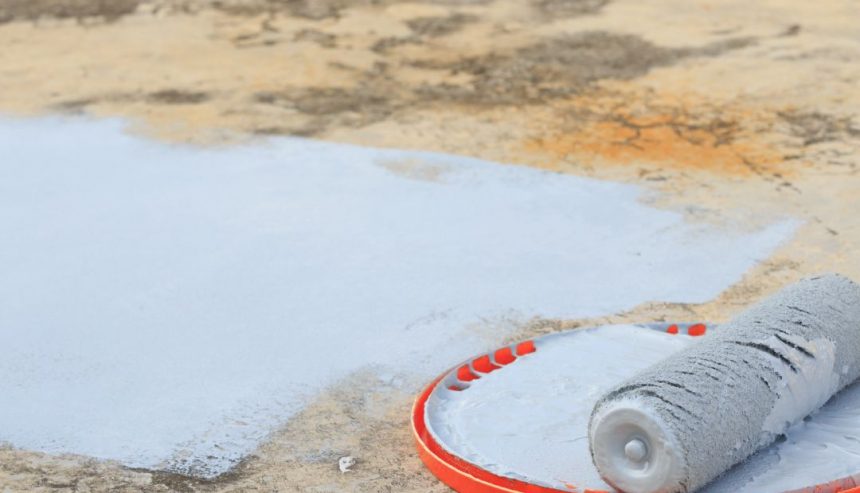
For homeowners, that moisture can cause serious and expensive problems — from mold growth and wood rot to foundation cracks and even structural instability. That’s why understanding and investing in the right waterproofing solutions is essential to protecting your home and maintaining its long-term value.
Living in Lawrenceville, Georgia, means enjoying beautiful weather most of the year — but it also means dealing with high humidity and frequent rainfall. When storms roll through Gwinnett County, the combination of saturated soil and poor drainage can lead to water seeping into basements, crawl spaces, and foundations.
In this guide, we’ll explore the best waterproofing methods for Lawrenceville homeowners, how to spot early signs of water intrusion, and why professional help from PuroClean of Lawrenceville can make all the difference.
Table of Contents
1. Why Waterproofing Solutions Matter in Lawrenceville
Lawrenceville’s climate brings a mix of humid summers, unpredictable rain, and occasional storms. Over time, these conditions put stress on your home’s foundation, especially if the surrounding soil doesn’t drain properly.
Without effective waterproofing, water can infiltrate through even the smallest cracks in your foundation walls or basement floors. Once inside, it doesn’t take long before mold begins to grow, wooden structures start to warp or rot, and indoor air quality begins to suffer.
Beyond structural issues, moisture problems can also drive up energy costs and trigger health issues — particularly for those with allergies or respiratory concerns. Simply put, waterproofing isn’t just about keeping water out — it’s about protecting your family’s comfort and safety.
2. Common Sources of Water Intrusion in Homes
Before exploring solutions, it helps to understand where water typically enters a home. Lawrenceville homeowners often face a few recurring culprits:
- Foundation cracks: Over time, soil movement and hydrostatic pressure can cause cracks in concrete walls and floors, allowing groundwater to seep in.
- Poor drainage: If your yard slopes toward your home instead of away from it, rainwater will naturally flow toward the foundation.
- Clogged gutters and downspouts: When gutters overflow, water runs down exterior walls and pools near the base of your home.
- Leaky basement windows: Window wells that fill with rainwater can leak through seals and frames.
- Crawl space moisture: In humid climates like Lawrenceville’s, unsealed crawl spaces can trap moisture and become breeding grounds for mold and pests.
Understanding where the water is coming from is the first step in determining which of our custom waterproofing solutions is right for your property.
3. Interior Waterproofing Solutions
Interior waterproofing is designed to manage water that has already entered the structure. These methods help redirect or control moisture before it causes damage.
Sealants and Coatings
One of the simplest interior solutions involves applying waterproof sealants or coatings to basement walls and floors. These products create a barrier that prevents moisture from penetrating porous concrete surfaces.
However, sealants are best for minor dampness — they won’t stop active leaks caused by foundation cracks or groundwater pressure.
Sump Pump Systems
A sump pump is essential for any Lawrenceville home with a basement or crawl space. Installed in a sump pit at the lowest point of the foundation, the pump collects excess water and discharges it safely away from the home.
For added protection, homeowners should consider a battery backup system to keep the pump running during power outages — a common occurrence during heavy storms.
Interior Drainage Systems
These systems, such as French drains or baseboard drainage channels, capture and redirect water that seeps through walls or floors. The collected water flows into the sump pump for removal.
Interior drainage is often less invasive and more affordable than exterior waterproofing, making it a popular choice for many homeowners.
Dehumidifiers and Moisture Control
Basements and crawl spaces naturally retain humidity. Installing a high-capacity dehumidifier helps keep humidity below 60%, preventing mold growth and musty odors. Many modern systems can be integrated with HVAC units for whole-home moisture control.
4. Exterior Waterproofing Solutions
While interior systems manage water inside, exterior waterproofing focuses on stopping water before it ever reaches your foundation. These are typically more permanent solutions, ideal for long-term home protection.
Proper Grading
Your yard’s slope should direct water away from the foundation. Ideally, the ground should drop about 6 inches over the first 10 feet from the house. If it slopes toward your home, water will naturally pool near the foundation walls, leading to seepage and cracks.
Gutter and Downspout Maintenance
Gutters should be cleaned regularly to prevent clogs that cause overflow. Downspouts should extend at least 6 feet away from the foundation to ensure proper drainage. Extensions or splash blocks can help redirect runoff.
Exterior Membranes and Coatings
For homes with recurring water intrusion, contractors may recommend applying an elastomeric waterproof membrane to the exterior foundation walls. This flexible coating forms a durable barrier that resists hydrostatic pressure and prevents leaks.
Drainage Tiles and French Drains
Exterior drainage tiles are perforated pipes installed around the perimeter of your foundation. These pipes collect groundwater and channel it away from your home, keeping the foundation dry. This system works especially well in areas of Lawrenceville prone to flooding or heavy rain.
5. Crawl Space Waterproofing and Encapsulation
In Lawrenceville’s humid climate, crawl spaces can easily become damp and moldy if left untreated. Over time, this trapped moisture seeps upward, affecting your home’s air quality and structure.
Vapor Barriers
Installing a heavy-duty vapor barrier on the floor and walls of your crawl space is one of the most effective ways to control ground moisture. The barrier prevents condensation and stops water vapor from rising into the home.
Encapsulation Systems
Encapsulation takes vapor barriers a step further by sealing the entire crawl space — including vents and openings — to create a controlled environment. Combined with a dehumidifier, this approach prevents mold, wood rot, and musty odors while improving overall energy efficiency.
Insulation and Drainage
Adding insulation to crawl space walls helps stabilize temperatures and reduce condensation. A sump pump or perimeter drain may also be added for homes with recurring groundwater issues.
By encapsulating your crawl space, you’re not just keeping it dry — you’re creating a healthier, more stable foundation for your entire home.
6. Signs Your Home Needs Waterproofing Help
Many homeowners don’t realize they have a moisture problem until visible damage appears. Knowing the early warning signs can help you act before repairs become expensive.
Look out for:
- Musty odors or persistent damp smells
- Visible mold or mildew growth
- Efflorescence (white, chalky residue) on concrete
- Peeling paint or bubbling drywall
- Warping or rotting wood
- Cracks in basement floors or walls
- Standing water or high humidity in crawl spaces
If you notice one or more of these signs, it’s time to schedule a professional inspection. Even small leaks can worsen quickly, especially in Georgia’s humid conditions.
7. Why Professional Help Matters
While DIY waterproofing products exist, moisture problems often go deeper than what’s visible. Professional restoration experts like PuroClean of Lawrenceville have the training, tools, and technology to identify hidden moisture and design customized solutions for your home.
Advanced Detection Tools
Our technicians use moisture meters, infrared thermal imaging cameras, and hygrometers to pinpoint hidden leaks and humidity pockets that standard inspections might miss.
Tailored Waterproofing Solutions
Every property is different — what works for one Lawrenceville home may not work for another. PuroClean designs waterproofing solutions based on your structure, soil type, and drainage patterns to ensure lasting protection.
Comprehensive Restoration Expertise
If water damage has already occurred, our team provides full mitigation, drying, and mold remediation services to restore your property safely and completely.
Insurance Coordination
We also work directly with insurance providers to streamline the claims process, helping homeowners reduce stress during an already challenging time.
8. Preventive Maintenance Tips for Lawrenceville Homeowners
In addition to professional waterproofing solutions, simple preventive steps can go a long way toward protecting your property:
- Inspect your gutters and downspouts at least twice a year.
- Regrade soil around the foundation if you notice water pooling.
- Seal any visible cracks in walls or floors promptly.
- Install window well covers to prevent rainwater from collecting.
- Run a dehumidifier during humid months.
- Schedule annual moisture inspections to catch early issues.
These proactive measures, combined with professional waterproofing, can save you thousands in potential repair costs.
9. Conclusion: Protect Your Lawrenceville Home with Confidence
Waterproofing isn’t a luxury — it’s a necessity for homeowners in Lawrenceville’s moisture-prone climate. Whether you’re battling damp basements, crawl space humidity, or foundation leaks, addressing these issues early prevents structural damage and protects your family’s health.
At PuroClean of Lawrenceville, we combine advanced technology, expert craftsmanship, and genuine care to deliver reliable waterproofing and restoration solutions. From inspections to complete waterproofing systems, our team ensures your home stays safe, dry, and comfortable — no matter the weather.
Don’t wait for water damage to strike.
Call PuroClean of Lawrenceville today for a professional moisture assessment and discover how we can help you safeguard your home for the long term.
📞 Available 24/7 for emergency response
🌐 Serving Lawrenceville, Gwinnett County, and surrounding Georgia communities

 PuroClean of Lawrenceville