 PuroClean of Layton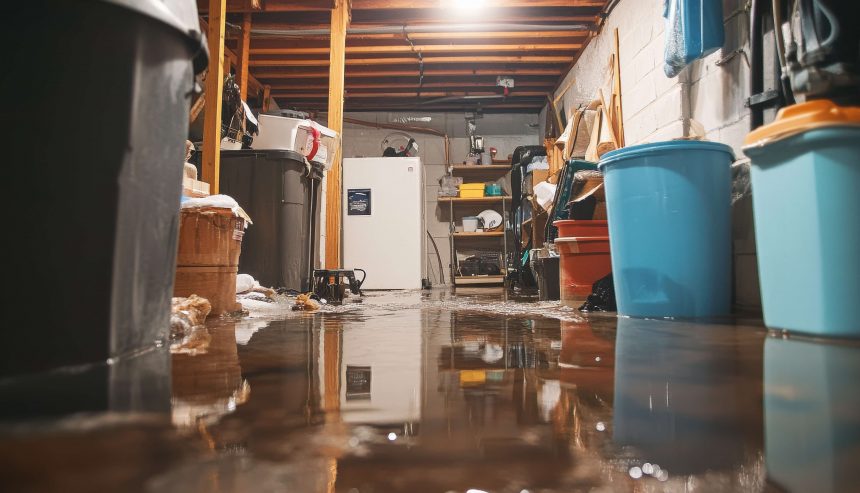
Basement flooding in Salt Lake City is more common than most homeowners realize, and the damage can be devastating. As Utah transitions from fall to winter, heavy rain, melting snow, and freezing temperatures create the perfect storm for basement leaks and water intrusion. What starts as a small puddle can quickly turn into a costly restoration project that ruins flooring, walls, and personal belongings.
At PuroClean of Layton, we’ve helped countless homeowners across Salt Lake County recover from basement flooding. This blog breaks down the leading causes of basement floods in Utah, what warning signs to look for, and how to prevent damage before winter hits.
Table of Contents
Basement Flooding in Salt Lake City: Why It’s So Common
Basement flooding in Salt Lake City often stems from a mix of weather patterns, soil conditions, and home design issues. Utah’s clay-heavy soil, combined with freeze-thaw cycles and seasonal downpours, creates ideal conditions for water to seep into basements.
According to the Federal Emergency Management Agency (FEMA), flooding is the most common natural disaster in the U.S., and even homes outside designated flood zones are at risk. In Utah, flash floods and melting snow routinely overwhelm drainage systems, leading to seepage and standing water.
Pro Tip from PuroClean Layton: Even if your property isn’t in a “flood zone,” basement flooding can still occur due to local drainage and elevation factors.
1. Poor Drainage Around the Foundation
Improper grading or clogged gutters are top contributors to basement flooding in Salt Lake City. When the soil slopes toward the home instead of away, rainwater collects around the foundation and seeps through cracks or window wells.
The Environmental Protection Agency (EPA) emphasizes maintaining clean gutters and ensuring proper slope away from foundations to prevent water accumulation.
Prevention tips:
- Extend downspouts at least six feet from your foundation.
- Regrade your yard if water pools near your home.
- Clean gutters twice a year, especially before winter.
2. Foundation Cracks and Hydrostatic Pressure
Even small cracks in a basement wall can lead to significant water intrusion. As rain or snowmelt saturates Utah’s soil, hydrostatic pressure (the force of water pushing against the foundation) increases.
Over time, this pressure forces water through cracks, joints, or porous concrete. The American Society of Home Inspectors (ASHI) notes that foundation waterproofing and proper drainage are the most effective ways to combat hydrostatic pressure.
Prevention tips:
- Seal visible cracks with hydraulic cement or epoxy injection.
- Install an interior or exterior waterproofing system.
- Consider a professional inspection if flooding recurs.
3. Failing or Overwhelmed Sump Pumps
A sump pump is a basement’s best defense, but only if it’s working correctly. Many homeowners experience basement flooding in Salt Lake City because their sump pump fails during a storm or power outage.
According to the National Flood Insurance Program (NFIP), sump pump failure is among the top causes of basement water damage claims.
Prevention tips:
- Test your sump pump every few months by pouring water into the pit.
- Install a battery backup system for power outages.
- Clean the pump and discharge line annually.
PuroClean Tip: If you hear loud noises, see rust, or notice slow drainage, your sump pump may be near failure, schedule maintenance before winter storms.
4. Heavy Rain and Melting Snow
Utah’s seasonal weather patterns make basement flooding in Salt Lake City particularly likely between October and March. Rain, combined with melting snow, can saturate the ground and overwhelm storm drains.
The National Weather Service (NWS) warns that heavy rainfall over frozen or compacted soil increases runoff, forcing water toward lower areas, like basements.
Prevention tips:
- Clear snow away from the home’s perimeter after storms.
- Install French drains to redirect surface runoff.
- Use a sump pump with an alarm for early flood detection.
5. Sewer Backup During Storms
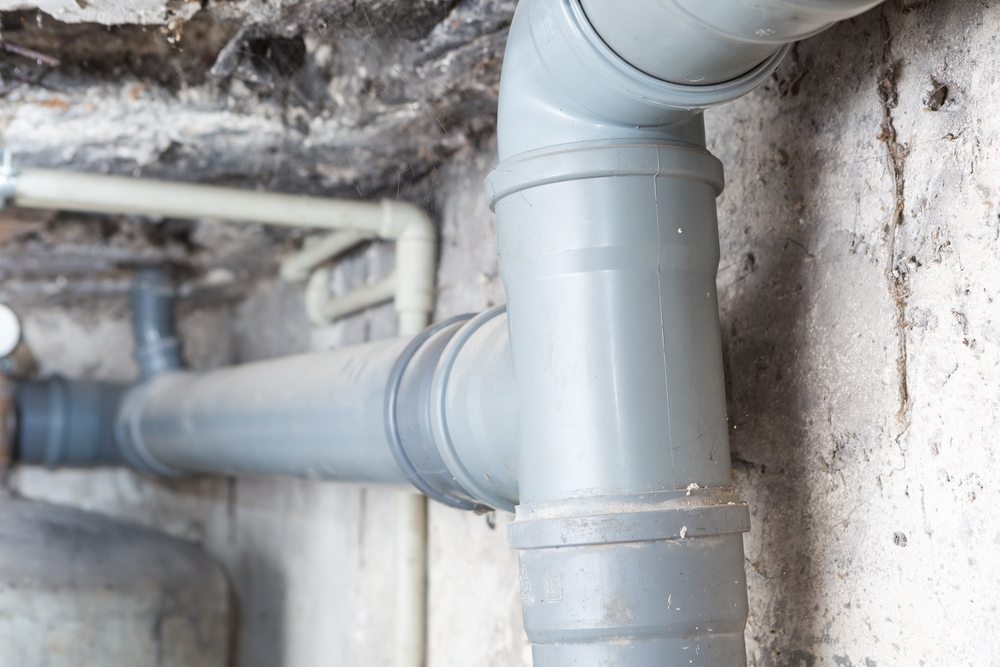
When municipal sewer systems become overwhelmed, water can flow backward into home plumbing systems, causing contaminated flooding. Sewer backups are dangerous, exposing homeowners to bacteria and toxins.
The Centers for Disease Control and Prevention (CDC) advises avoiding contact with floodwater, as it often contains harmful microorganisms.
Prevention tips:
- Install a backwater valve on your main sewer line.
- Avoid flushing or draining water during heavy storms.
- Have your sewer line inspected every few years.
If your basement flood involves sewage, PuroClean of Layton offers emergency biohazard cleanup to safely sanitize and restore your space even after basement flooding in Salt Lake City.
6. Leaky Basement Windows or Window Wells
Older homes in Salt Lake City often feature basement windows that aren’t watertight. Window wells can collect rain and snow, which then seeps through cracks in the frame.
The Department of Energy (DOE) recommends properly sealing and weatherstripping windows to reduce water intrusion and improve insulation efficiency.
Prevention tips:
- Install clear window well covers.
- Seal around windows with high-quality caulk.
- Ensure proper drainage gravel at the base of wells.
7. Plumbing Leaks or Broken Pipes
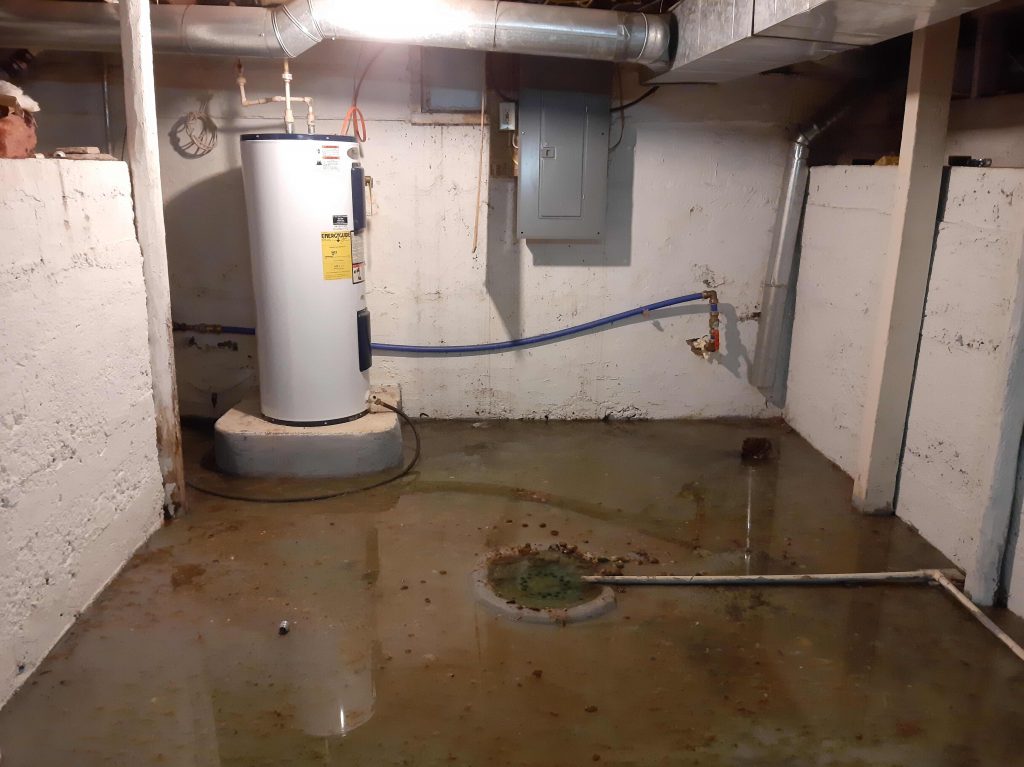
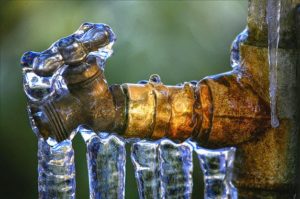
Not all basement flooding in Salt Lake City comes from outside. Internal leaks, especially from water heaters, washing machines, or burst pipes, are common causes. During Utah’s freezing winters, pipes can burst if not properly insulated.
The American Red Cross suggests wrapping pipes in insulation sleeves and keeping indoor temperatures consistent to prevent freezing.
Prevention tips:
- Insulate exposed pipes in unheated areas.
- Turn off exterior water lines before freezing temperatures.
- Check your water heater and washer connections for leaks regularly.
The Hidden Costs of Basement Flooding
Beyond visible water damage, flooding leads to costly secondary issues. According to the Insurance Information Institute (III), the average water damage claim costs more than $12,000, not including long-term mold remediation or foundation repairs.
Common hidden expenses include:
- Mold growth within 48 hours of water exposure (per the EPA)
- Electrical system corrosion
- Warped flooring and drywall replacement
- Furniture and personal property loss
PuroClean Layton Advantage: We use advanced moisture detection and drying technology to prevent long-term issues that DIY cleanup often misses.
How to Prevent Basement Flooding Before Utah’s Winter
Winter storms can cause frozen ground, ice dams, and blocked drains, all contributing to basement flooding in Salt Lake City. Here’s how to prepare:
- Inspect and maintain your sump pump before the first snow.
- Clean gutters and downspouts to prevent ice dams and water overflow.
- Seal foundation cracks before freezing temperatures cause expansion.
- Grade soil away from your foundation to improve drainage.
- Install a backup power source for pumps and dehumidifiers.
- Check window wells and ensure they’re covered.
- Schedule a professional inspection to identify weak spots.
By taking these proactive steps, you can drastically reduce your flood risk this season.
What to Do Immediately After Basement Flooding in Salt Lake City. If the worst happens, stay calm, but act fast.
Step 1: Turn off electricity and gas if it’s safe.
Step 2: Avoid contact with floodwater, especially if sewage is involved.
Step 3: Document damage with photos and videos for insurance.
Step 4: Call PuroClean of Layton for emergency water extraction.
Step 5: Contact your insurance company for coverage details.
The Institute of Inspection, Cleaning and Restoration Certification (IICRC) recommends starting professional drying within 24–48 hours to prevent mold growth and structural weakening.
Why Salt Lake City Homeowners Trust PuroClean of Layton
When it comes to basement flooding in Salt Lake City, homeowners choose PuroClean of Layton because of our fast response and trusted expertise.
We provide:
- 24/7 Emergency Response – Water damage doesn’t wait, and neither do we.
- Advanced Drying Technology – Industrial-grade dehumidifiers and moisture meters ensure total dryness.
- Mold Prevention & Remediation – Certified specialists eliminate mold before it spreads.
- Insurance Coordination – We document every step to simplify your claims process.
- Compassionate Care – We treat your home and belongings as if they were our own.
With years of local experience, we know the unique flooding risks Utah homeowners face, and how to prevent them before they cause lasting damage.
Don’t Wait for Winter to Protect Your Basement
Basement flooding in Salt Lake City is a serious threat every fall and winter. By understanding the common causes, from poor drainage to sump pump failure, you can take proactive steps to safeguard your home.
If flooding does occur, quick action is key to minimizing damage and costs. PuroClean of Layton is here 24/7 with expert restoration services, advanced drying technology, and a compassionate team ready to restore your peace of mind.
Worried about basement flooding this season? Call PuroClean of Layton today at (801) 513-2232 or visit our Website. From flood prevention to full restoration, we’re Utah’s trusted property restoration experts.

 PuroClean of Layton