


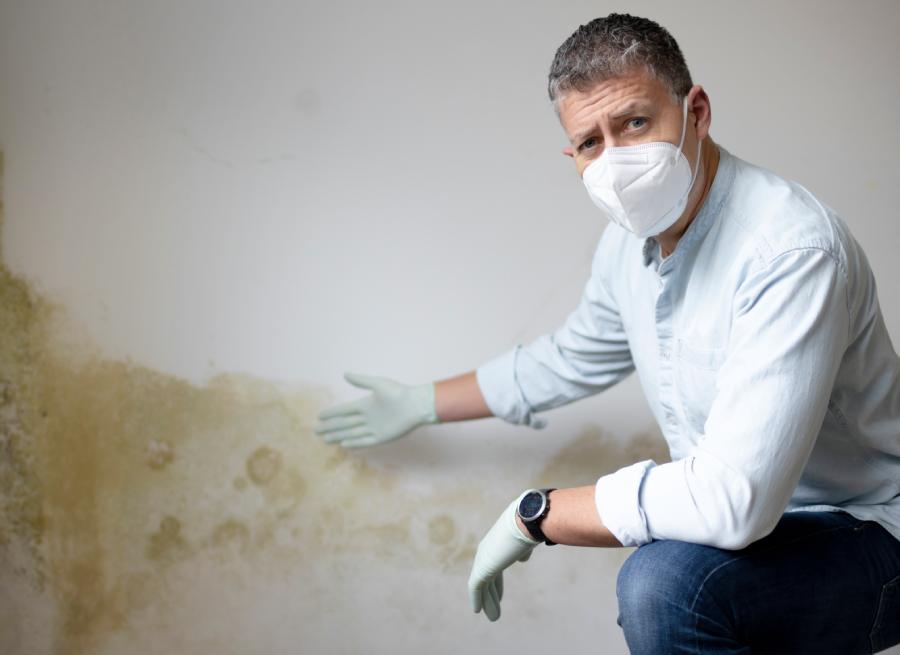
Mold is more than just an unsightly problem. Mold can be a serious threat to both your home’s integrity and your family’s health. Read below how mold can affect your health and indoor air quality. In a regions of Maryland, where humidity and moisture levels fluctuate throughout the year, mold growth can occur in basements, bathrooms, attics, or anywhere water damage has occurred. At PuroClean Emergency Restoration, we’ve seen firsthand how mold can quietly compromise indoor air quality and cause lasting health effects if left untreated. Understanding how mold affects your body and your home environment is the first step in protecting both.
The Hidden Dangers of Mold Exposure
Mold reproduces through microscopic spores that easily become airborne. When inhaled, these spores can trigger allergic reactions, irritate the respiratory system, and lead to long-term health issues. Even if you can’t see mold, you might still feel its effects. Symptoms often include sneezing, coughing, itchy eyes, sinus congestion, and throat irritation. People with asthma or weakened immune systems may experience much more severe reactions, including difficulty breathing or chronic respiratory infections.
Different types of mold release different compounds—some produce mycotoxins, which can be especially harmful in large concentrations. These toxins can enter your body through inhalation or skin contact and cause fatigue, headaches, or dizziness over time. Children and the elderly are often the most sensitive to these effects, which makes early mold removal all the more important.

How Mold Can Affect Your Health and Indoor Air Quality
Healthy indoor air should be free of allergens and pollutants. However, once mold spores become airborne, they circulate through your HVAC system, spreading to multiple rooms. This constant recirculation means even areas far from the original source can become contaminated. Over time, your home’s air quality declines, leading to what’s often referred to as “sick building syndrome.”
You might notice musty odors, lingering humidity, or an overall feeling of heaviness in the air. These are signs that your ventilation system could be harboring spores and moisture. Without professional cleaning, each time your HVAC system turns on, it can distribute spores throughout your living spaces, putting everyone at risk.
At PuroClean Emergency Restoration, our technicians use advanced air filtration and containment methods to safely remove airborne spores and restore clean, breathable air to your home.
Common Health Effects Linked to Mold
While not everyone reacts to mold in the same way, there are several common health effects associated with prolonged exposure:
- Allergic Reactions: Sneezing, watery eyes, itchy throat, and nasal congestion are early warning signs.
- Respiratory Issues: Mold spores can inflame the lungs, causing coughing, wheezing, or shortness of breath.
- Asthma Complications: Individuals with asthma often experience more frequent or severe attacks in mold-contaminated environments.
- Skin and Eye Irritation: Mold exposure can cause redness, rashes, and burning sensations in sensitive skin or eyes.
- Chronic Fatigue or Headaches: Continuous exposure to certain molds may result in persistent fatigue and difficulty concentrating.
Even if these symptoms seem mild, they can worsen over time, especially when exposure continues unnoticed.
Mold and Structural Damage Go Hand in Hand
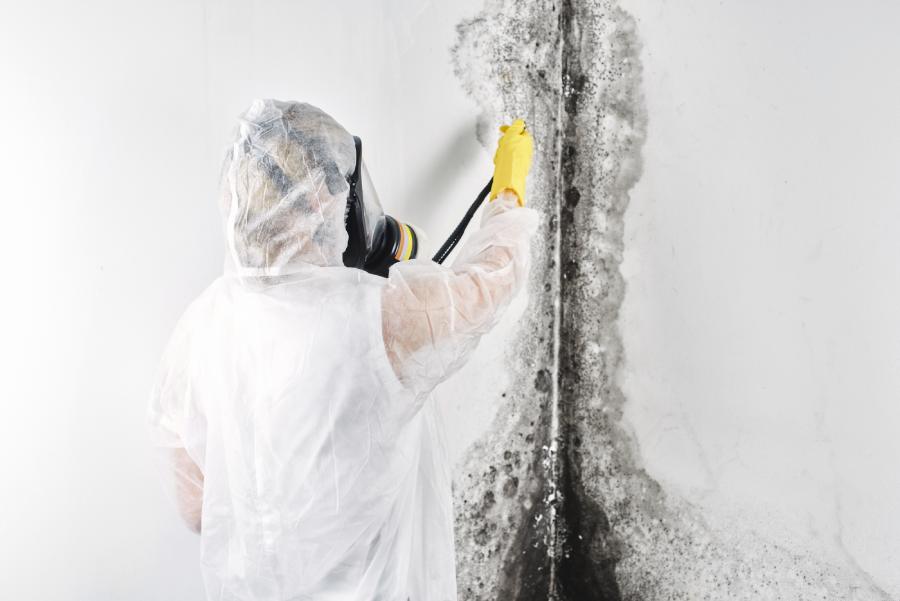
Mold thrives in damp, organic materials such as drywall, wood, carpet, and insulation—all common building materials in Maryland homes. As it grows, it breaks down these materials, weakening your home’s structural integrity. This damage not only impacts property value but also contributes to more mold spores being released into the air.
For example, a leaking pipe under a sink or in a basement may not seem serious at first, but once mold starts spreading, it can compromise framing and flooring, trapping more moisture and further degrading air quality.
Steps to Protect Your Home and Health
To minimize health risks, prevention and early action are essential. Here are several steps you can take:
- Control Humidity: Keep indoor humidity below 50%. Use dehumidifiers in basements and bathrooms, especially during Maryland’s humid summer months.
- Address Leaks Immediately: Even small roof or plumbing leaks can lead to mold growth within 24–48 hours.
- Ventilate Properly: Make sure exhaust fans in bathrooms, kitchens, and laundry rooms vent to the outside, not into attics or crawlspaces.
- Replace Contaminated Materials: Porous materials like carpets, drywall, and insulation should be replaced if they’ve been exposed to mold.
- Schedule Regular Inspections: Have professionals inspect areas prone to moisture, such as basements, attics, and crawlspaces.
Trust PuroClean Emergency Restoration for Mold Remediation
Mold doesn’t just disappear on its own. If you suspect your Linthicum Heights home has a mold issue, don’t rely on DIY cleaning methods or temporary fixes. Professional remediation is the only way to remove mold at its source and restore safe air quality.
At PuroClean Emergency Restoration, our certified team uses advanced containment systems, HEPA filtration, and thorough drying methods to eliminate mold and prevent it from returning. We don’t just clean up the visible growth—we address the root cause of the problem, ensuring your home stays dry, healthy, and safe.
Breathe Easier with PuroClean
A clean home is a healthy home. If you or your family members have been experiencing unexplained allergy symptoms or you’ve noticed a musty smell in your house, it’s time to call our IICRC certified mold restoration experts. PuroClean Emergency Restoration serves homeowners throughout Linthicum Heights, MD, offering prompt, professional mold removal services that restore both your home and your peace of mind.