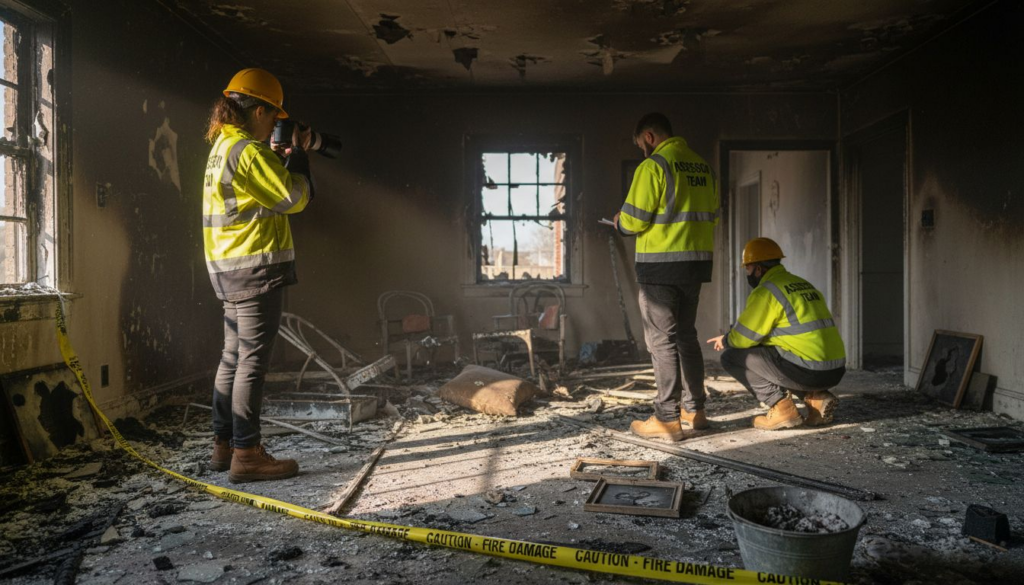


Soot is one of the most challenging things to remove when dealing with fires. Not only is soot unpleasant to look at, it can also be dangerous to humans and animals when they come in contact. In this article, we’ll answer some of the most commonly asked questions about soot damage so that you’ll know what to expect and look for in reducing soot exposure dangers.
What Is Soot Damage?
Soot damage occurs when tiny carbon particles created during incomplete combustion settle onto surfaces throughout a property. These particles are produced when materials such as wood, plastics, oil, fabrics, and other household items burn without fully combusting.
Soot contains acids, chemicals, metals, dust, and other contaminants that can stain surfaces, create strong odors, and damage materials over time. Because soot particles are extremely fine, they can easily spread through a home or business and settle into porous materials like drywall, carpet, upholstery, and wood.
What Causes Soot Damage After a Fire?
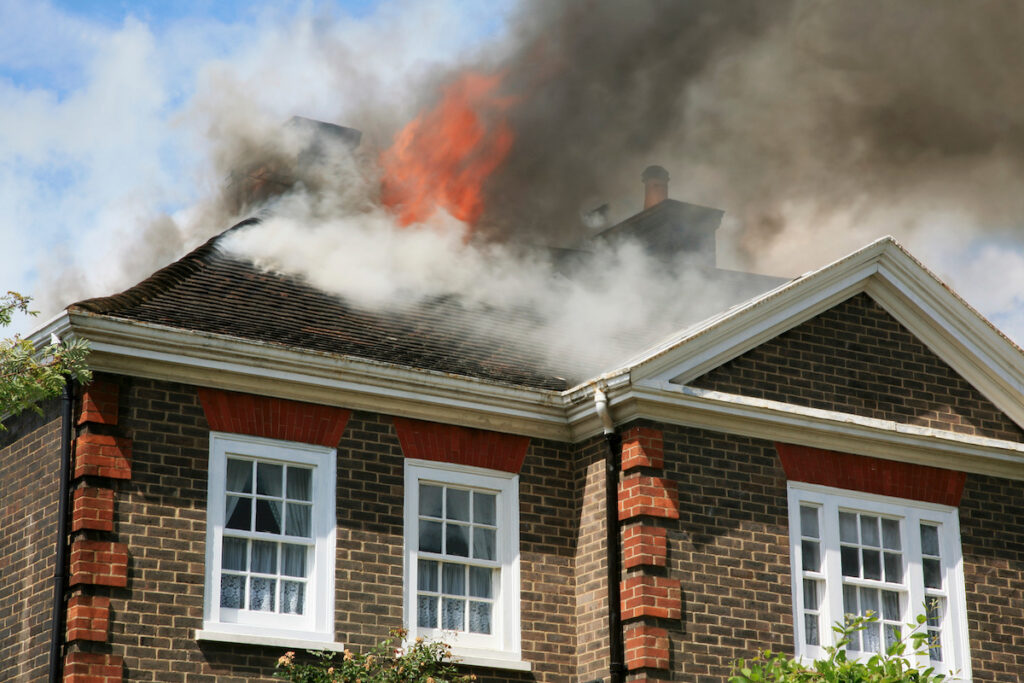
The most common cause of soot damage is a residential or commercial fire.
During a fire, incomplete combustion creates airborne soot particles that travel throughout the property. Even a small fire can distribute soot through HVAC systems, hallways, and adjoining rooms, leaving behind discoloration, residue, and persistent smoke odors.
Once soot settles, its acidic properties can begin damaging surfaces almost immediately. Walls, ceilings, electronics, furniture, appliances, and personal belongings may all suffer permanent damage if soot is not removed quickly.
Fire-related soot damage can continue to worsen long after the flames are extinguished if professional cleaning and restoration are delayed.
Where Else Can Soot Damage Occur?
While fires are the most severe source of soot contamination, soot buildup can also occur from everyday household activities, including:
Cooking Areas
Cooking oils and grease can create soot residue on walls, cabinets, and ceilings, especially when ventilation is poor.
Fireplaces
Wood-burning fireplaces naturally produce soot, which can accumulate over time if the fireplace and chimney are not regularly cleaned.
Candles
Candles made from paraffin wax can release soot particles into the air. Dark stains near candles or on ceilings may indicate soot buildup.
Furnaces and Heating Systems
Malfunctioning furnaces or “puff backs” can spread oily soot throughout a home, often affecting multiple rooms.
Walls and Ceilings
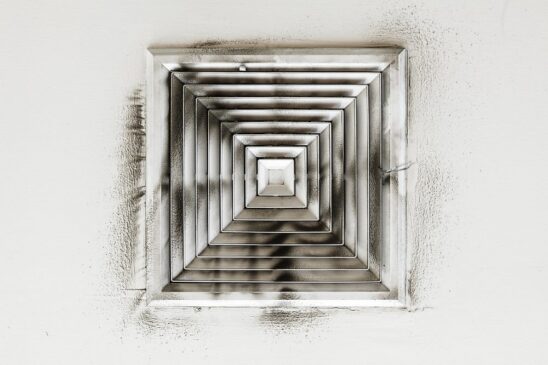
Soot commonly attaches to painted surfaces, especially areas near vents, outlets, and light switches where static electricity may attract particles.
What Are the Dangers of Soot Damage?
Soot damage should be taken seriously because soot particles can negatively impact both property and health.
These microscopic particles can enter the body through inhalation, skin contact, or eye exposure. Common symptoms associated with soot exposure include:
- Coughing
- Difficulty breathing
- Sore throat
- Eye irritation
- Headaches
- Asthma flare-ups
- Nosebleeds
Long-term exposure to soot may contribute to more serious respiratory and cardiovascular issues. Soot is considered a carcinogen, and prolonged exposure can increase health risks, particularly for children, older adults, and individuals with asthma or compromised immune systems.
In addition to health concerns, soot damage can permanently stain surfaces, corrode metals, discolor fabrics, and reduce indoor air quality if not addressed promptly.
What Should I Know About Cleaning Soot Damage?
Cleaning soot damage requires caution because improper cleaning methods can spread contaminants further and make staining worse.
Soot particles are highly absorbent and can smear easily when mixed with water. Because of this, water-based cleaning methods are often ineffective during the initial cleanup process.
When cleaning soot damage, always:
- Wear personal protective equipment (PPE), including gloves, masks, and eye protection
- Ensure the area is properly ventilated
- Avoid scrubbing soot aggressively into surfaces
- Use specialized soot-cleaning products and HEPA-filter vacuums whenever possible
Professional restoration companies may also use advanced deodorization and air purification techniques such as thermal fogging, air scrubbing, and HEPA filtration to restore indoor air quality after a fire.
How Is Soot Damage Removed?
The first step in soot removal is identifying the source and extent of the contamination. Different types of soot require different cleaning approaches depending on the materials affected.
For non-porous surfaces like glass or metal, soot may be removed using specialized cleaning solutions and microfiber cloths. Porous materials such as upholstery, drywall, carpeting, and wood often require deeper cleaning methods or replacement if the damage is severe.
A HEPA vacuum can help safely remove loose soot particles from carpets and furniture without spreading contaminants into the air.
Because soot can penetrate hidden areas and HVAC systems, professional soot remediation is often necessary to fully eliminate odors, residue, and airborne particles. Restoration professionals have the training and equipment needed to safely clean and restore fire-damaged properties.
The sooner soot damage is addressed, the greater the chance of preventing permanent staining and additional property damage.
For Professional Soot Damage Restoration, Contact PuroClean
For professional soot cleanup, smoke remediation, and fire damage restoration services, contact our IICRC certified technicians at PuroClean. As “The Paramedics of Property Damage®,” we provide rapid response services for residential and commercial property emergencies 24 hours a day, seven days a week.
Our trained restoration professionals use advanced equipment and proven techniques to remove soot damage, restore indoor air quality, and return your property to pre-loss condition as quickly as possible.
To schedule premium fire damage restoration service with your local PuroClean technicians, please call (443)973-3233.