


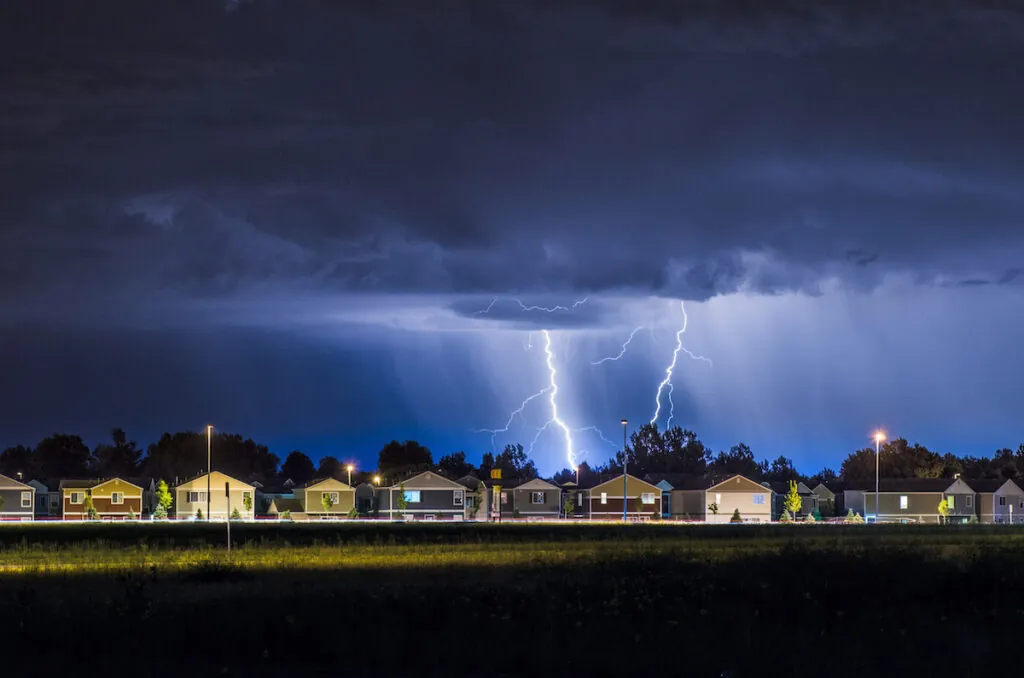
Summer storms are happening now Maryland. During periods of intense rainfall, the ground becomes saturated, storm drains can become overwhelmed, and even homes that have never experienced water issues may suddenly be at risk.
It is essential that if you live in Maryland, or are thinking about it, that you take steps to practice summer storm safety to help protect your home and your family.
Prepare Your Home Before the Storm
A little preparation can go a long way in reducing the chances of water damage.
Start by checking your gutters and downspouts. Leaves, twigs, and other debris can block water from flowing away from your roof, causing it to overflow and potentially seep into your home’s foundation or walls. Make sure downspouts direct water several feet away from your house.
Walk around your property and remove or secure outdoor furniture, grills, potted plants, and decorations that could become airborne in strong winds. If you have trees near your home, look for dead or damaged branches that could fall during a storm.
If your home has a basement, move valuable belongings, electronics, and important documents onto shelves or upper floors whenever heavy rain is expected. Even minor flooding can cause significant damage to items stored directly on the floor.
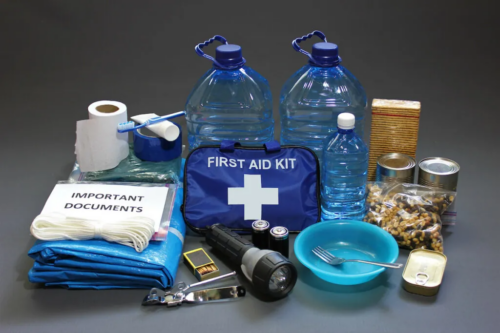
* It is a good idea to put together an emergency kit, incase the summer storms cause you to evacuate for a bit. Even if you just have no power, an emergency kit can make a big difference.
Stay Safe During Summer Storms
When summer storms happen, your safety should always come first.
Stay indoors whenever possible and avoid unnecessary travel. Heavy rain can reduce visibility and make roads slippery in just a matter of minutes. Flash flooding is especially dangerous because it can develop rapidly with little warning.
You should never attempt to drive through a flooded driveway or street. The water’s depth can be difficult to judge, and floods may hide potholes, debris, or strong currents. Even shallow moving water can cause a vehicle to lose traction.
If you experience a power outage, use flashlights instead of candles whenever possible to reduce the risk of fire. Keep your phone charged ahead of the storm and have emergency supplies, including bottled water, batteries, medications, and a first aid kit, readily available.

Check for Damage Once the Storm Has Passed
After it is safe to go outside, inspect your property carefully.
Look for missing shingles, damaged siding, clogged drains, fallen tree limbs, and signs of water entering your home. Pay close attention to your basement, crawl space, attic, and ceilings for damp spots or discoloration that may indicate a leak.
Avoid entering areas with standing water if electrical hazards may be present. If water has come into contact with electrical outlets or appliances, wait until the power has been safely disconnected before entering the affected area.
Remember that not all storm damage is immediately visible. Moisture trapped behind walls, under flooring, or inside insulation can remain hidden and create the ideal conditions for mold growth if it is not properly dried.
Don’t Wait to Address Water Damage
Many homeowners assume that once standing water is removed, the problem is solved. Unfortunately, moisture often remains in building materials long after surfaces appear dry.
Professional water damage restoration includes moisture detection, structural drying, cleaning, and monitoring to help prevent additional damage and mold growth. Acting quickly can often reduce repair costs and help restore your home more efficiently.
If your home has been affected by heavy rain, flooding, or storm-related water damage, PuroClean Emergency Restoration is ready to help. Our experienced IICRC certified team responds quickly to assess the damage, remove excess water, thoroughly dry affected areas, and begin the storm and water restoration process as soon as possible.
Summer storms are unpredictable, but preparing ahead of time and responding quickly after a storm can make a significant difference. By taking a few preventative measures and addressing water damage promptly, Maryland homeowners can better protect their homes and families throughout storm season.