


When it comes to protecting your home and your health, mold is one of those problems that can quietly grow out of sight and become a major issue before you even realize it’s there. The humid climate and frequent rain patterns in Linthicum Heights, MD, create ideal conditions for mold to thrive—especially in basements, crawlspaces, attics, and behind walls where moisture tends to accumulate. At PuroClean Emergency Restoration, we’ve seen how quickly a small leak or minor water damage can turn into a full-blown mold infestation. Understanding the warning signs can help you catch the problem early and avoid costly repairs down the road.
1. Musty or Earthy Odors
One of the most common early indicators of hidden mold is a persistent musty smell that doesn’t go away even after cleaning. Mold produces microbial volatile organic compounds (mVOCs) as it grows, which create that distinct earthy or damp odor. If you notice this smell in areas like basements, bathrooms, or around air vents, there’s a good chance mold is growing behind walls or under flooring. The odor may be stronger after running the HVAC system or following rainy weather, which stirs up spores and moisture.
2. Discoloration on Walls or Ceilings
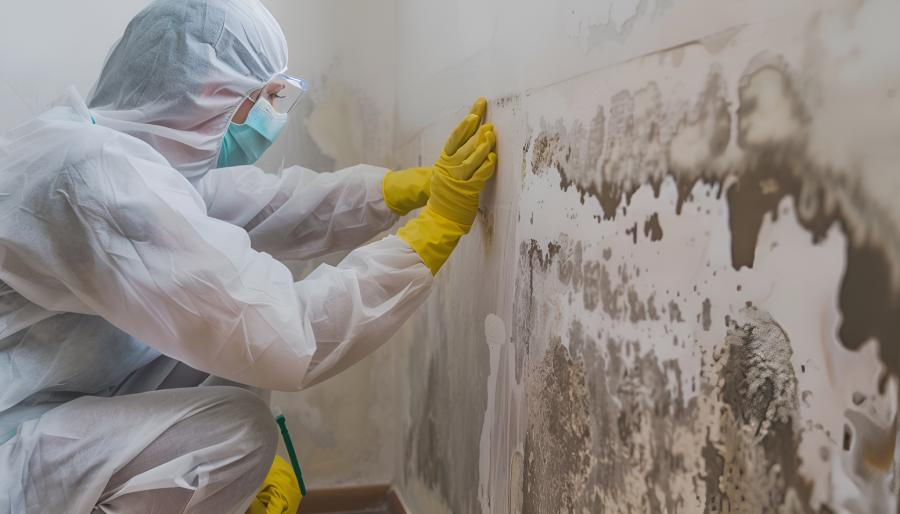
Mold often appears as irregular dark spots or patches on surfaces such as drywall, ceilings, or around windows. While it can range in color—from black and green to white or even orange—any discoloration that keeps spreading is a cause for concern. Sometimes, the wall surface may still look intact while the real issue is behind it, where moisture has been trapped for weeks or months. In Linthicum Heights homes, older insulation and aging window seals can contribute to this hidden dampness, giving mold the perfect breeding ground.
3. Persistent Allergy or Respiratory Symptoms
Mold exposure doesn’t just affect your home—it affects your health. Many homeowners first notice symptoms like sneezing, coughing, itchy eyes, and nasal congestion that seem to worsen when they’re indoors. For individuals with asthma or allergies, the effects can be even more severe. If you or your family members experience breathing difficulties that seem to improve when you’re away from home, hidden mold could be the culprit. Mold spores circulate through the air and settle in HVAC systems, spreading throughout the entire house.
4. Recent Water Damage or Leaks
If your home has recently experienced flooding, roof leaks, or plumbing issues, it’s critical to address moisture immediately. Even if the visible water has dried up, damp building materials can retain enough moisture for mold to develop within 24–48 hours. In many cases, homeowners in Linthicum Heights call us weeks after a water event, unaware that the damp drywall behind their kitchen cabinets or the insulation under their floors has already begun to grow mold. PuroClean Emergency Restoration uses advanced moisture detection tools and infrared imaging to identify these hidden moisture pockets before they become a serious problem.
5. Peeling Paint or Warped Surfaces
Mold doesn’t just stain surfaces—it can damage the structure of your home. When drywall, wood, or wallpaper absorbs moisture, it begins to expand and deteriorate. You may notice bubbling paint, soft drywall, or warped wood flooring. These are not only aesthetic issues but also signs that moisture is trapped underneath, creating the ideal conditions for mold growth.
6. Unexplained Dark Grout or Bathroom Growth
Bathrooms are notorious for mold because of their constant humidity and limited ventilation. While some surface mold on grout or caulking can be cleaned, recurring black spots or a spreading pattern on walls and ceilings could signal a deeper issue. This often means mold is growing behind tiles or within the drywall due to long-term exposure to steam and condensation.
7. Condensation and Humidity Issues
If you notice your windows fogging up regularly or see condensation forming on pipes and walls, it’s a red flag for high indoor humidity levels. In homes around Linthicum Heights, fluctuating temperatures and older HVAC systems can make it difficult to maintain proper humidity. Mold thrives in environments with humidity levels above 60%, so using a dehumidifier and ensuring proper airflow can make a big difference in prevention.
Protecting Your Home from Mold
If you’ve noticed any of these signs, it’s important not to ignore them or attempt a quick fix with store-bought cleaning products. Most household cleaners only treat the surface and don’t address the underlying contamination. At PuroClean Emergency Restoration, our certified technicians use industry-standard containment and remediation methods to safely remove mold, prevent cross-contamination, and restore your home to a safe and healthy condition. We also locate and address the source of moisture to help ensure the mold doesn’t return.
Call PuroClean Emergency Restoration in Linthicum Heights, MD
When it comes to mold, early detection is the key to protecting both your home and your health. If you suspect hidden mold in your Linthicum Heights property, don’t wait until the damage spreads. Contact PuroClean Emergency Restoration today for professional inspection and remediation services. Our team responds quickly, works efficiently, and restores your home with care and precision—so you can breathe easy again.