 PuroClean of Huntington Park LA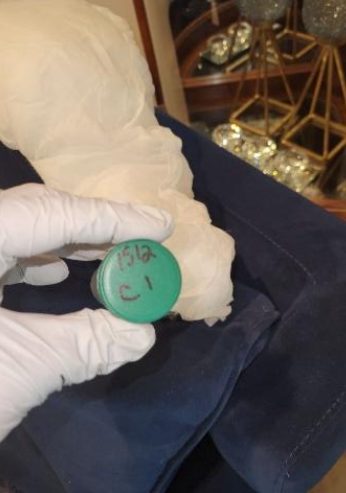
When wildfire smoke enters a home in Pasadena, Huntington Park, Altadena, Pacific Palisades Santa Monica, Bel Air, Brentwood, Glendale, Los Feliz, Sierra Madre, or Monrovia, the danger doesn’t end when the flames are extinguished.
Independent laboratory testing following the Eaton Fire and Pacific Palisades Fire revealed something far more concerning than odor or surface soot: a complex wildfire toxin burden embedded into homes exposed to Wildland-Urban Interface (WUI) fires. These fires burn not just vegetation—but vehicles, electronics, plastics, treated wood, insulation, batteries, and household chemicals, producing contaminants that persist long after evacuation orders lift.
At PuroClean of Pasadena and PuroClean of Huntington Park, our remediation protocols are the only ones in the country that are physician-directed, data-driven, and aligned with the most conservative public-health standards—not insurance shortcuts.
Below is a contaminant-by-contaminant breakdown of what post-fire testing actually shows, why it matters medically, and why choosing the right remediation partner determines whether a home is truly safe to reoccupy.
Combustion By-Products: Soot, Char, and Ash (Not Just a Cosmetic Issue)
In our experience, the testing found
Laboratory tape-lift samples confirmed widespread soot and char throughout the structure, including areas without visible residue. This is a critical red flag in WUI fires.
Why it matters
Soot from synthetic material combustion is acidic, carcinogenic, and capable of deep penetration into porous materials. Unlike wildfire ash alone, soot inside a structure strongly indicates burning plastics, foams, wiring, and furnishings.
Health risks include:
- Chronic respiratory inflammation
- Cardiovascular stress
- Long-term cancer risk
Why PuroClean is different
We do not rely on cosmetic cleaning or odor masking. Our teams use:
- Full HEPA negative-pressure containment
- Top-to-bottom particulate removal
- Structural sealing and encapsulation where indicated
This approach aligns with ANSI/IICRC S700 Fire & Smoke Restoration Standard
👉 https://iicrc.org/s700/
Heavy Metal Contamination After the Wildfires: Lead, Chromium, Zinc, Copper, Nickel, and More
What the testing found
Dust wipe samples detected elevated heavy metals, including lead exceeding current EPA zero-threshold guidance.
Why it matters
Heavy metals originate from:
- Burned paint and building materials
- Electrical wiring
- Electronics
- Vehicles and batteries
Health implications:
- Lead: Neurotoxicity (especially in children and especially in children affected by autism spectrum disorder), cardiovascular risk, severe hypertension
- Chromium & Nickel: Respiratory injury, carcinogenicity
- Zinc & Copper: Systemic inflammatory effects at elevated exposure
EPA Lead Dust Hazard Update (2024)
👉 https://www.epa.gov/lead/lead-dust-standards
Why PuroClean is different
Lead and heavy-metal remediation is not general cleaning. We perform and coordinate:
- Certified abatement protocols following IICRC, CAL/OSHA, and EPA guidelines and protocols
- Controlled removal of contaminated dust reservoirs
- Post-remediation verification (PRV) testing
Our physician oversight ensures decisions are made using health-protective thresholds, not outdated regulatory minimums. At Puroclean of Pasadena and Huntington Park we do NOT take shortcuts with wildfire smoke contamination.
Cyanide Residues: Invisible, Unforgiving, and Often Missed
What our testing experiences have found
Many homes have been found to have cyanide contamination in the ash. Even if cyanide is below laboratory detection limits, non-detect does not equal absence in WUI fires.
Why it matters
Hydrogen cyanide is released when:
- Polyurethane foam burns
- Plastics and synthetic fabrics combust
Cyanide:
- Absorbs into porous materials
- Can off-gas later under heat and humidity
- Causes headaches, dizziness, respiratory failure, and death at higher exposures
CDC – Hydrogen Cyanide Toxicity
👉 https://www.cdc.gov/niosh/ershdb/emergencyresponsecard_29750036.html
Why PuroClean of Pasadena and Huntington Park is different
We treat cyanide risk precautionarily, which means:
- High risk soft goods are considered non-salvageable
- Upholstered furniture, bedding, and rugs are removed
- Ozone and hydroxyl generators are explicitly avoided (they do not neutralize cyanide)
Volatile Organic Compounds (VOCs): Severe Indoor Air Contamination
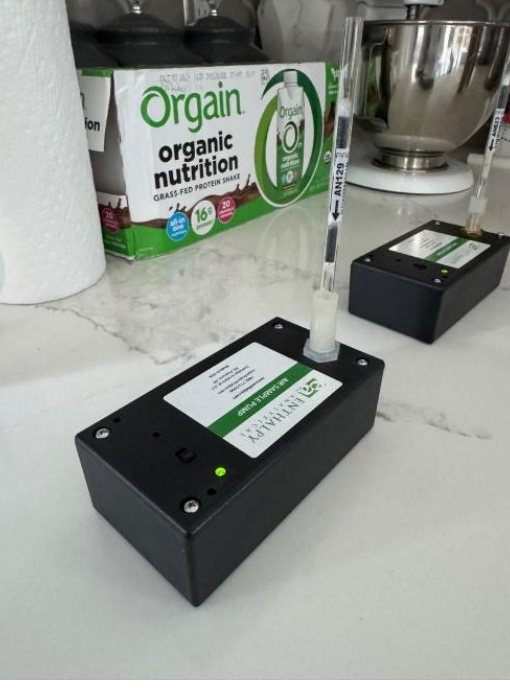
Many of the homes we have remediated thus far have had total VOC levels measured >3,000 ng/L (severe), including:
- Acetone
- Isopropanol
- Styrene
- 2-Furaldehyde (furfural)
- Acetonitrile
Why it matters
These compounds:
- Are neurotoxic and carcinogenic
- Cause headaches, nausea, dizziness, cognitive impairment
- Persist due to off-gassing from drywall, cabinetry, and contents
NIOSH VOC Exposure Overview
👉 https://www.cdc.gov/niosh/topics/indoorenv/voc.html
Why PuroClean is different
We do not stop at air scrubbing. Our process addresses:
- Source removal
- Porous material replacement
- Encapsulation to prevent re-emission
- Formal PRV air testing before clearance
Formaldehyde & Aldehydes: Known Human Carcinogens in Wildfire Ash
What the testing found
Formaldehyde concentrations were elevated post-fire in the vast majority of homes we have remediated so far.
Why it matters
Formaldehyde:
- Is released from burned wood products, foam, insulation, and textiles
- Causes airway irritation and asthma exacerbation
- Is classified as a known human carcinogen
NIOSH Formaldehyde Profile
👉 https://www.cdc.gov/niosh/topics/formaldehyde/
Why PuroClean is different
We follow physician-directed clearance targets that aim for background residential levels, not just OSHA workplace limits.
Lithium Contamination: The Battery Fire Problem No One Is Talking About
What the testing found in many homes we have remediated after the Eaton and Palisades Fire:
Lithium residues were detected above the laboratory’s limit of quantitation. View the Lithium Safety Data Sheet Here.
Why it matters
Lithium comes from:
- Burned lithium-ion batteries
- Electronics
- Electric vehicles and solar storage systems
Health concerns include:
- Renal stress
- Neurologic symptoms
- Respiratory irritation
Lithium contamination is not removable from soft goods.
Why PuroClean is different
We understand lithium as a post-fire emerging contaminant, and our remediation plans include:
- Targeted removal of affected materials
- Field team training SPECIFICALLY in lithium contamination and lithium hazards
- Surface sealing to prevent redistribution
- Documentation insurers increasingly require but most contractors cannot provide
Why Physician Leadership Changes Everything
Most restoration companies are operationally driven and care more about speed, profitability, and turnover of jobs.
PuroClean of Pasadena and PuroClean of Huntington Park are medically driven and we strive to ensure that each home is returned to a level of safety that we would want for our own families.
Our physician leadership ensures:
- Decisions prioritize human health over all other factors
- The most conservative exposure thresholds are used
- Vulnerable populations (children, elderly, immunocompromised) are explicitly considered
- Remediation scopes withstand legal, medical, and insurance scrutiny
This is why:
- Physicians refer patients to us
- Attorneys trust our documentation
- Insurers escalate complex losses to our teams
The Bottom Line: Not All Fire Cleanup Is Remediation
If your home was exposed to a WUI fire, surface cleaning is always insufficient and will put your family at risk or if you’re a landlord, open you up to liability. The data proves it.
True remediation requires:
- Laboratory-guided scope
- Industrial Hygienist oversight and independent testing
- Medical oversight
- Certified abatement
- Verification testing
- Structural sealing
That is what PuroClean of Pasadena and PuroClean of Huntington Park deliver—every time. We have an enormous amount of experience dealing with homes and commercial buildings affected by the Eaton Fire and Palisades Fire..
If you need a real answer, not reassurance, this is where the conversation starts.


 PuroClean of Huntington Park LA