


In the diverse and vibrant community of Victor Heights, nestled within the sprawling urban landscape of Los Angeles, fire safety is a critical concern for every resident. As a local business deeply rooted in this environment, PuroClean of Victor Heights understands the unique challenges faced by our neighbors. While we are often called in after the unthinkable has happened, our mission extends to proactive education that helps prevent disaster in the first place.
For most people, the shrill sound of a standard smoke alarm is an immediate and effective call to action. But what if you can’t hear that sound? For the millions of individuals who are deaf or hard of hearing, these crucial warnings can go unheard, especially while they are sleeping. This creates a significant and dangerous gap in home safety, one that can be tragically exposed in the fast-paced, urban environment of Los Angeles where every second counts.
READ ALSO: A LA Homeowner’s Guide to Recovery: What to Do and NOT Do After a House Fire in Los Angeles
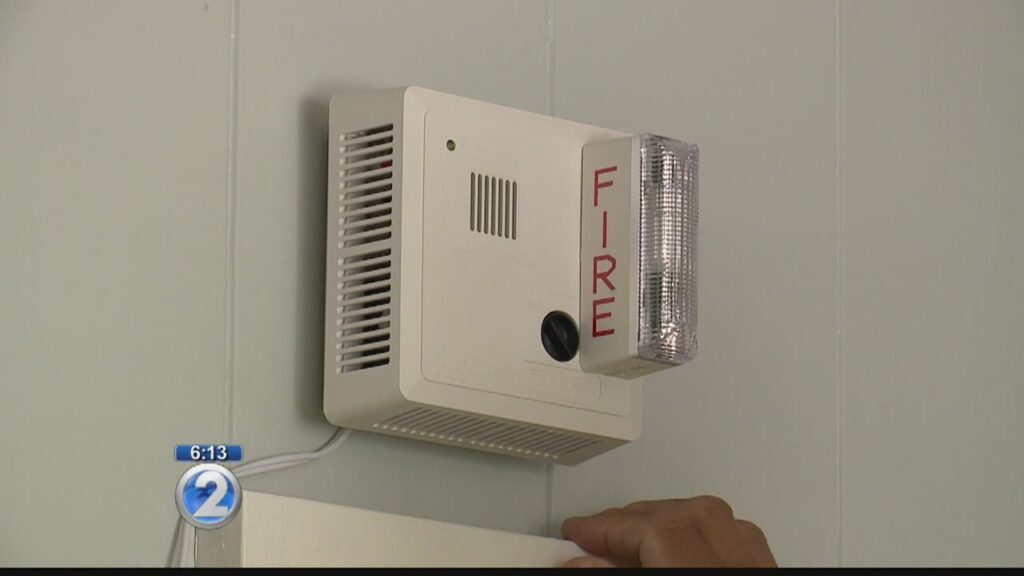
Fortunately, modern technology has provided a solution: specialized smoke alarms designed to alert individuals with hearing impairments through alternative sensory signals. These devices use bright flashing strobe lights and vibrating bed shakers to provide a crucial early warning, ensuring that everyone in the household, regardless of their hearing ability, has the chance to escape a fire. Understanding these life-saving options and taking proactive steps to install them is a fundamental part of a comprehensive home safety plan for the Victor Heights community.
Smoke alarms save lives. However, people who suffer from hearing impairment may not be able to depend on the traditional smoke alarm to alert them to a fire.
The standard high frequency smoke alarm (3 100 Hz, 85 dB at a distance of three meters) is suitable to wake most mild to moderately hard of hearing people. People who are deaf or have a severe hearing loss (cannot hear less than 85 dB) may have difficulty in hearing conventional smoke alarms and evacuation systems. It may be necessary to ensure someone is assigned to help them escape. (Journal of SHHH Australia Inc.).
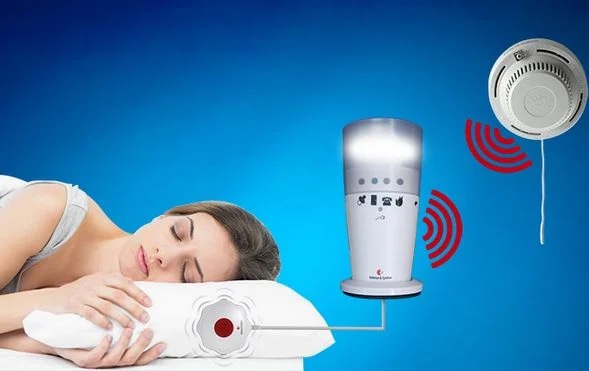
There are specialized smoke alarms available for people who are deaf or hard of hearing. These have a strobe light and/or a vibrating pad that can be placed under the pillow which activates when the smoke alarm sounds and can be interconnected with conventional audible alarms in different locations within the home. If one of the alarms senses smoke, all alarms will sound, the strobe will flash and the vibrating pad will vibrate. Bed shakers are also helpful to wake up people who are deaf or hard of hearing.
The ability to hear high-pitched sounds decreases as people age. Recent research has shown that a loud, mixed low-pitched sound is more effective for waking people of all ages than the loud high-pitched sound of a traditional smoke alarm. People who are hard of hearing may find helpful smoke alarm alert devices (called accessories) that produce a loud, mixed low-pitched sound. This equipment is activated by the sound of the smoke alarm and is usually installed next to the bed.
The Limitations of Traditional Audible Smoke Alarms
The primary function of a standard smoke alarm is to detect smoke and emit a loud, high-pitched sound designed to wake sleeping occupants and alert those who are awake to the presence of a potential fire. While effective for most people with typical hearing, these audible alarms present a significant safety gap for individuals with hearing loss.
- Inaudibility: The most obvious limitation is that individuals who are deaf or significantly hard of hearing may not be able to hear the alarm at all, particularly if they are sleeping or in another room.
- Reduced Audibility with Hearing Aids: While hearing aids can amplify sound, they are often removed at night, rendering audible alarms ineffective during sleep. Furthermore, even with hearing aids, the specific frequency and loudness of a standard smoke alarm might not be optimally detected by everyone with hearing loss.
- False Sense of Security: Relying solely on audible alarms can create a false sense of security for individuals with hearing impairments, as they may assume they will be alerted in case of a fire when, in reality, they may not receive any warning.
These limitations underscore the critical need for alternative alerting methods that can effectively reach individuals with hearing loss and provide them with the vital seconds needed to escape a fire.
Types of Specialized Smoke Alarms for Hearing Impairments
Recognizing the need for inclusive fire safety measures, manufacturers have developed several types of specialized smoke alarms that utilize visual and tactile alerts:
- Visual Smoke Alarms with Strobe Lights: These alarms function similarly to traditional smoke alarms by detecting smoke, but instead of or in addition to an audible alarm, they feature a powerful, bright strobe light that flashes rapidly when smoke is detected. The intense visual signal is designed to awaken sleeping individuals and alert those who are awake, even if they cannot hear an audible alarm. Some models also include a lower decibel audible sound to alert others in the household who may have typical hearing.
- Tactile Smoke Alarms with Bed Shakers: These alarms are specifically designed to alert sleeping individuals with hearing impairments. They consist of a smoke detector (which may also have visual and audible components) connected to a vibrating unit, or “bed shaker,” that is placed under the mattress or pillow. When smoke is detected, the bed shaker vibrates intensely, providing a tactile stimulus that can effectively wake even those with profound hearing loss.
- Combination Smoke Alarms: Many modern specialized smoke alarm systems combine both visual (strobe light) and tactile (bed shaker) alerts, often with a lower-volume audible alarm as well. These combination units offer a comprehensive approach to fire safety, ensuring that individuals with varying degrees of hearing loss are effectively alerted, regardless of whether they are awake or asleep.
- Wireless Interconnected Systems: Some specialized smoke alarm systems can be wirelessly interconnected. This means that if one alarm in the network detects smoke, all the interconnected alarms will activate, providing alerts throughout the home. This is particularly beneficial in older homes and multi-story buildings, common in our Victor Heights environment, where a fire might start on one floor but the audible alarm is not heard on another. For individuals with hearing impairments, these interconnected systems can ensure that a visual and/or tactile alert is triggered in their immediate vicinity, even if the fire originates elsewhere in the home.
READ ALSO: Understanding Fire in Los Angeles – How a Home Fire Spreads in Victor Heights, CA
Factors to Consider When Choosing and Installing Specialized Smoke Alarms
Selecting and installing the appropriate specialized smoke alarms requires careful consideration of individual needs and household circumstances. Here are some key factors to keep in mind:
- Individual Needs and Preferences: The type and severity of hearing loss will influence the most effective alerting method. Some individuals may benefit primarily from visual alerts, while others may rely more on tactile vibrations. Combination alarms offer the most comprehensive protection. Consider the individual’s sleeping habits and where they are most likely to be when an alarm might sound.
- Home Layout and Size: The size and layout of the home will determine the number of alarms needed and whether an interconnected system is advisable. Larger homes or those with multiple levels may benefit significantly from interconnected alarms to ensure alerts are received throughout the house.
- Placement: Proper placement is crucial for all smoke alarms, including specialized ones. Follow manufacturer instructions and general guidelines for smoke alarm placement:
- Install smoke alarms on every level of the home, including the basement.
- Place alarms inside and outside sleeping areas.
- Mount alarms on the ceiling or high on a wall (within 12 inches of the ceiling).
- Avoid placing alarms near kitchens or bathrooms, where steam or cooking fumes can trigger false alarms.
- For visual alarms, ensure the strobe light is positioned so it can be easily seen from sleeping areas.
- For tactile alarms, ensure the bed shaker is properly placed under the mattress or pillow for effective vibration.
- Power Source: Specialized smoke alarms can be battery-powered, hardwired, or a combination of both. Battery-powered alarms are easier to install, while hardwired alarms offer greater reliability (often with a battery backup). Consider the power source when choosing alarms and ensure they are properly maintained.
- Features and Certifications: Look for alarms that are certified by recognized testing laboratories (such as UL in the United States). Check for features such as test buttons to verify functionality and hush buttons to temporarily silence nuisance alarms.
- Local Building Codes and Regulations: It’s essential to be aware of any local building codes or regulations regarding smoke alarms, particularly for individuals with hearing impairments. In California, for example, there are specific requirements regarding the installation of visual smoke alarms in certain residential settings. Contact your local building department in Victor Heights or the Los Angeles Fire Department for information on specific requirements in your area.
Legal Requirements in California
California law has specific requirements regarding smoke alarms for individuals with hearing impairments in certain residential settings, particularly new construction and renovations of multi-family dwellings. These regulations aim to ensure that accessible fire safety measures are in place for residents with hearing loss. It is crucial for homeowners and landlords in Victor Heights to be aware of and comply with these regulations. Consulting with local building officials or fire safety professionals can provide clarity on the specific requirements applicable to your situation.
The Importance of Regular Maintenance and Testing
Like all safety devices, specialized smoke alarms require regular maintenance and testing to ensure they are functioning correctly.
- Testing: Test all smoke alarms, including visual and tactile components, at least once a month. Press the test button to verify that the audible alarm (if present), strobe light, and bed shaker (if applicable) are all working.
- Battery Replacement: For battery-powered alarms, replace the batteries at least once a year, or sooner if the low-battery warning signal sounds. A good practice is to replace batteries when you change your clocks for daylight saving time. For hardwired alarms with battery backups, check and replace the backup batteries according to the manufacturer’s instructions.
- Cleaning: Dust and debris can interfere with the proper functioning of smoke alarms. Clean alarms at least twice a year by gently vacuuming or wiping them with a damp cloth.
- Lifespan: Smoke alarms have a limited lifespan (typically around 10 years for ionization and photoelectric alarms). Replace all smoke alarms, including specialized ones, after 10 years from the date of manufacture, or sooner if they are not functioning reliably. Check the date of manufacture on the alarm.
Regular maintenance and testing are essential to ensure that your specialized smoke alarms will provide reliable and timely warnings in the event of a fire.
READ ALSO: Why Fire Remediation Companies Are Essential After Disaster
Developing an Emergency Preparedness Plan
While having properly installed and maintained smoke alarms is crucial, it’s only one part of a comprehensive fire safety plan. Individuals with hearing impairments should also develop a detailed emergency preparedness plan that includes:
- Establishing Escape Routes: Plan and practice at least two escape routes from every room in the home. Ensure that these routes are clear of obstacles and that everyone in the household knows them. Designate a meeting place outside the home where everyone can gather after escaping.
- Practicing Fire Drills: Conduct regular fire drills to practice your escape plan. This will help everyone in the household react quickly and safely in a real fire emergency. During drills, simulate different scenarios and ensure that the alerting methods of the specialized smoke alarms are effective in prompting a response.
- Having a Communication Plan: Determine how you will communicate with emergency responders if you need assistance. Consider having a cell phone readily accessible to call 911 or having a neighbor who is aware of your hearing impairment and can assist in an emergency.
- Informing First Responders: Consider registering your address with your local fire department and informing them that someone in the household has a hearing impairment. This can help first responders be aware of potential communication challenges during an emergency.
- Assistance Animals: If you have a hearing assistance animal, ensure your emergency plan includes provisions for their safe escape.
- Neighbors and Support Networks: Inform trusted neighbors about your hearing impairment and your fire safety plan. They can provide assistance in an emergency if needed.
Resources in the Victor Heights and Los Angeles Area
Several resources are available in the Victor Heights and the broader Los Angeles area to provide support and information on fire safety for individuals with hearing impairments:
- Los Angeles Fire Department (LAFD): The LAFD offers fire safety education programs and resources for all residents. Contact your local fire station or visit the LAFD website for information on smoke alarms, emergency preparedness, and community outreach programs. They may have specific resources or recommendations for individuals with hearing impairments.
- Hearing Loss Association of America (HLAA) – Los Angeles Chapter: The HLAA is a national organization with local chapters that provide support, education, and advocacy for people with hearing loss. The Los Angeles chapter can be a valuable resource for information on assistive technologies, including specialized smoke alarms, and local resources.
- Self-Help for Hard of Hearing People (SHHH): Similar to HLAA, SHHH (now operating under the HLAA umbrella) provides support and resources for individuals with hearing loss.
- Centers for Independent Living (CILs): CILs are community-based, non-profit organizations that provide a range of services to people with disabilities, including information and referral, independent living skills training, and advocacy. The CIL in your area may be able to provide information on assistive technology for fire safety.
- Assistive Technology Act Programs: These state-level programs provide information and resources on assistive technology devices and services. The program in California can offer guidance on obtaining specialized smoke alarms.
- Local Building Departments: Your local building department in Los Angeles can provide information on building codes and regulations related to smoke alarms for individuals with hearing impairments.
By taking advantage of these resources and proactively addressing fire safety needs, individuals with hearing impairments in Victor Heights can significantly enhance their safety and well-being.
Conclusion
Fire safety is a shared responsibility, and ensuring that everyone has access to effective warning systems is paramount. For individuals with hearing impairments in our urban environment, specialized smoke alarms with visual and tactile alerts are not just a convenience—they are a critical lifeline that can make the difference between a safe escape and a tragic outcome. At PuroClean of Victor Heights, we are proud to be part of a community that values the safety of all its members. We are committed to helping our neighbors prepare for and recover from emergencies, and we believe that education is the first step toward a safer home.
By understanding the limitations of traditional audible alarms, exploring the available alternatives, making informed choices about installation and maintenance, developing comprehensive emergency plans, and utilizing available community resources, we can work together to create a safer environment for all residents of Victor Heights and the greater Los Angeles area. Don’t let a silent danger put you or your loved ones at risk—take proactive steps today to ensure you can hear the warning, even when you can’t hear a sound.
At PuroClean of Victor Heights, our technicians are available 24/7 to assist with Fire remediation. We have the knowledge, skills, and state-of-the-art equipment to safely take care of the problem for you. For fast, dependable, and effective mold remediation, contact PuroClean of West Los Angeles today at (424) 454-1170. Let us help you restore your home or business to a safe, healthy condition.