 PuroClean Northwest

When it comes to hoarding, health hazards grow each passing day; swift cleanup often decides whether items are secure or discarded for good.

At each stage, our hoarding cleanup services in Seattle and Western Washington keep you and your insurance agent informed, so all know what happens next and how to recover!
As a leader in the restoration industry, PuroClean Northwest is exceptionally qualified to remediate hoarding damage.
Our state-of-the-art techniques and cleaning solutions can dramatically increase the likelihood of restoring hoarding damage without having to replace.
Hoarding is a behavioral pattern of collecting and holding onto many items, even if they seem useless, and being unable to get rid of them.
Hoarding is a clinical disorder. It is recognized as a mental health condition in the Diagnostic and Statistical Manual of Mental Disorders.
We counsel family to not be angry with those in your midst with this disorder, not be embarrassed when we arrive.
There are five stages of hoarding, each increasingly more severe. We have attended to all five stages, many times.
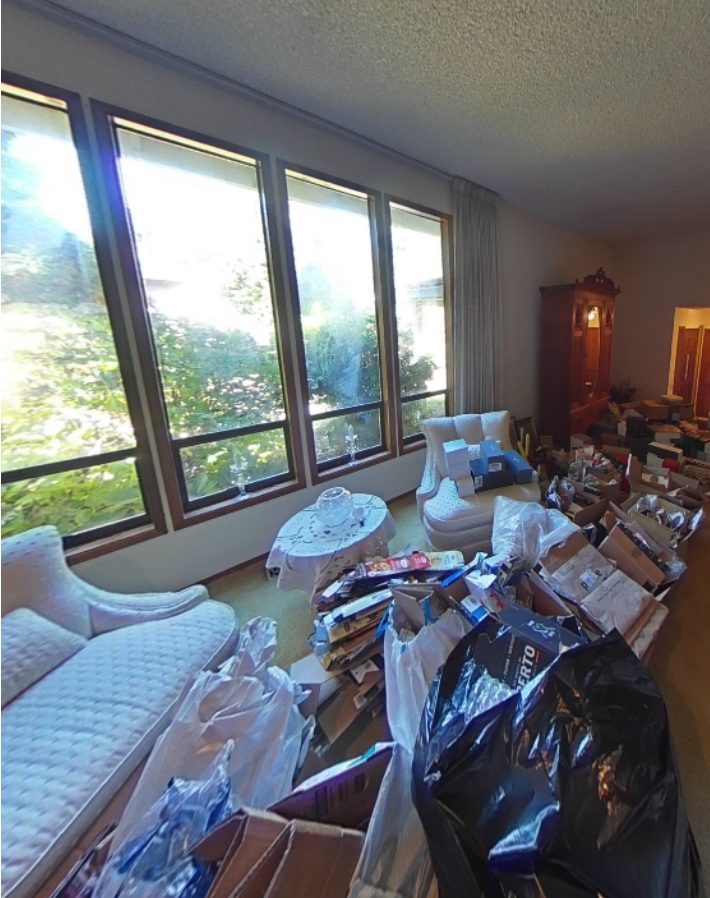

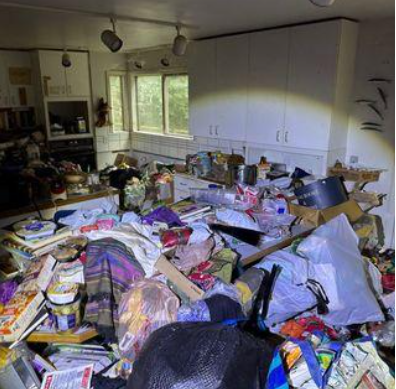
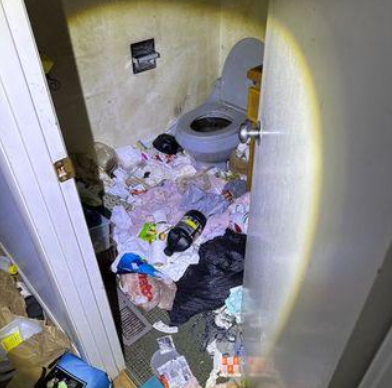

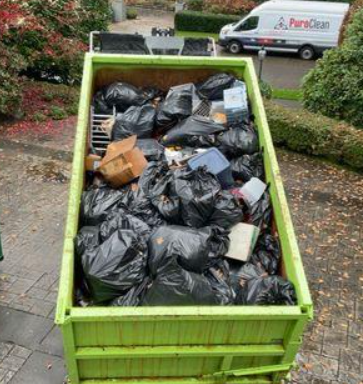
Severe hoarding, requires disinfectant fogging application. Rotting food, dead rodents, fecal matter all have to removed safely. PPE required. Multiple dumpsters. Multiple crews.
Insurance Coverage: Damage to hoarding by the homeowner or family member, or tenant, is not typically covered by homeowner’s insurance. It is damage that has occurred over a long period of time, whereas insurance covers sudden and accidental losses, like broken pipes, fires, back up systems, and such.
The exception to coverage is if the hoarding damage is a part of a covered loss, like a water loss or a fire loss. A $2,500 water loss then becomes a $25,000 water-hoarding loss, and a fire loss doubles when hoarding is involved. Trauma scenes are also where we see hoarding, especially unattended deaths. We work with you and your insurance adjuster on such assignments.
The Center for Disease Control and Prevention (CDC) requests that we all do our part to slow the spread of the coronavirus. We can do this by avoiding close contact [...]
As with any virus, the Coronavirus spreads when an infected person coughs or sneezes, and any respiratory droplets come in contact with another person. Keeping a good distance from infected [...]
Insurance policies have many variables, while Crime Scene or Biohazard cleanup is often covered, you must consult your insurance broker or agent to determine your specific coverages. [...]
Bloodborne pathogens (BBPs), as defined by the Occupational Safety and Health Administration (OSHA), means pathogenic microorganisms that are present in human blood and can cause disease in humans. These pathogens [...]
When a biohazard occurs, professionals are needed to clean and disinfect as improper treatment can spread contamination and lead to illness or life-threatening conditions. [...]

 PuroClean Northwest