


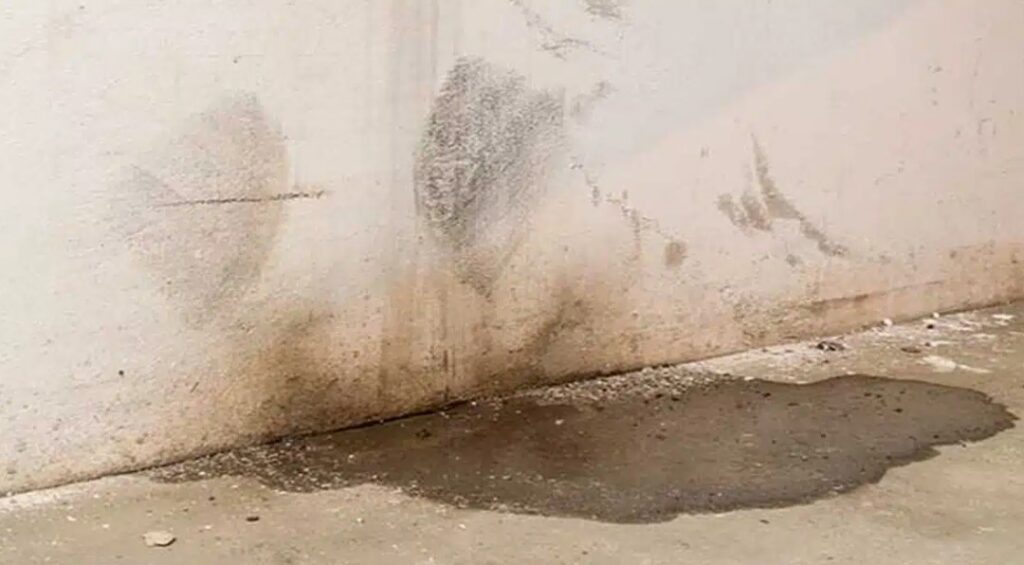
Basements are a valuable part of many homes in Marysville, WA, providing extra storage, living space, and protection from the elements. However, they are also highly susceptible to water damage due to their below-ground location. Understanding the causes of basement water damage in Marysville, WA and the solutions available can help homeowners protect their properties and avoid costly repairs.
Common Causes of Basement Water Damage
1. Heavy Rainfall and Flooding
Marysville, WA, experiences a significant amount of rainfall throughout the year. When heavy rain saturates the soil, excess water can seep into basements through cracks in the foundation or poor drainage systems.
Solution:
- Ensure gutters and downspouts are clean and direct water away from the foundation.
- Install a proper drainage system, such as a French drain, to prevent water from pooling around your home.
2. Poor Foundation Drainage
Improper grading around your home can lead to water accumulating near the foundation, eventually making its way into the basement.
Solution:
- Slope the ground away from your home’s foundation to direct water flow outward.
- Consider installing a foundation drainage system to help channel water away.
3. Cracks in the Foundation
Over time, foundations can develop cracks due to shifting soil, pressure, or natural wear and tear. These cracks provide an easy entry point for water.
Solution:
- Inspect your foundation regularly for cracks and seal them with waterproof epoxy or hydraulic cement.
- If cracks persist, consult a professional for foundation repair.
4. Poorly Sealed Basement Windows and Doors
Basement windows and doors that are not properly sealed can allow water to enter, especially during storms or flooding.
Solution:
- Use weatherproof caulking to seal gaps around windows and doors.
- Install window well covers to prevent water accumulation.
5. Plumbing Leaks
Leaks from water pipes, water heaters, or washing machines can lead to basement flooding if not detected early.
Solution:
- Inspect pipes and appliances regularly for leaks.
- Replace old or corroded plumbing fixtures before they fail.
- Install a water leak detection system to alert you of potential issues.
6. Sump Pump Failure
A sump pump is designed to remove excess water from basements, but if it fails, water can accumulate quickly.
Solution:
- Test your sump pump regularly to ensure it’s functioning properly.
- Install a battery backup system to keep the sump pump running during power outages.
Steps to Take After Basement Water Damage
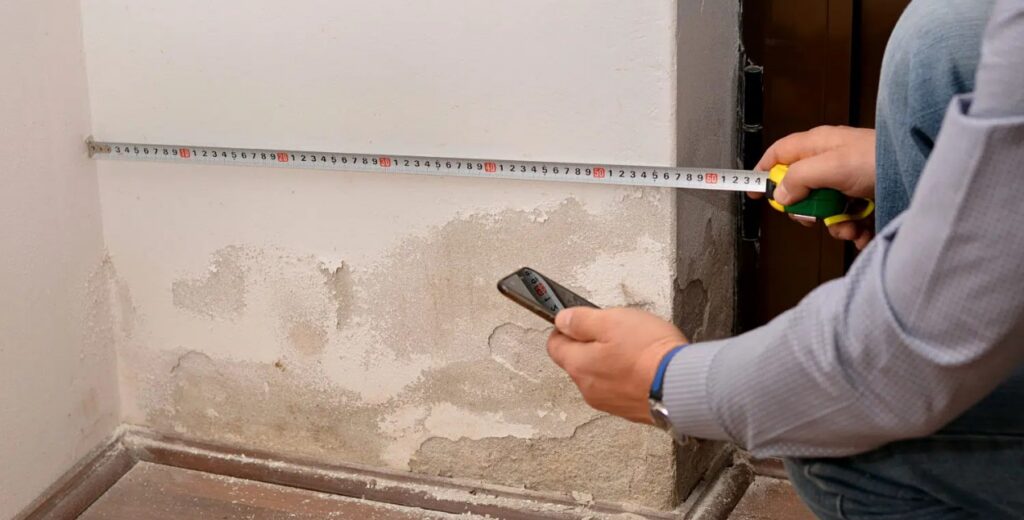
If your basement has already suffered water damage, taking quick action can minimize further damage and prevent mold growth.
1. Remove Water Immediately
The longer water sits in your basement, the more damage it can cause. Use a wet/dry vacuum, sump pump, or call a professional water removal service.
2. Dry Out the Basement
Once standing water is removed, drying the area is crucial to prevent mold and mildew.
- Use fans, dehumidifiers, and open windows to improve air circulation.
- Remove and discard water-damaged carpets, furniture, and other porous materials.
3. Clean and Disinfect
Water damage can introduce bacteria and mold into your basement. Thoroughly clean and disinfect surfaces using:
- A mixture of water and bleach to kill bacteria.
- Specialized mold-killing solutions for affected areas.
4. Inspect for Structural Damage
Check walls, floors, and ceilings for signs of warping, buckling, or cracking. If structural damage is found, consult a professional for repairs.
Preventative Measures to Avoid Future Water Damage
1. Install a Sump Pump with a Backup Battery
A sump pump is essential for keeping your basement dry. A backup battery ensures it continues working during power outages.
2. Improve Basement Waterproofing
Consider applying a waterproof sealant to your basement walls and floors to prevent water infiltration.
3. Maintain Gutters and Downspouts
Ensure gutters are free of debris and downspouts extend at least 5-10 feet away from your home.
4. Regularly Inspect Your Basement
Frequent inspections can help you catch small problems before they become major issues. Look for signs of moisture, musty odors, and water stains.
Conclusion
Basement water damage in Marysville, WA is a common issue for homeowners, but it can be managed and prevented with the right strategies. By understanding the causes and implementing effective solutions, you can protect your basement from water damage and maintain a safe, dry living space. If you experience severe basement flooding, consider contacting a professional water damage restoration service to ensure thorough cleanup and repair.