

Water damage can be a significant issue for homeowners in Marysville, WA. The Pacific Northwest is known for its rainy weather, and this moisture-rich environment can create the perfect breeding ground for mold. Mold not only damages the structural integrity of your home but also poses serious health risks, including respiratory problems and allergic reactions. Preventing mold growth after water damage is essential to maintaining a safe and healthy living environment. In this blog post, we will explore effective strategies to prevent mold growth following water damage in Marysville, WA.
Understanding Mold and Its Dangers
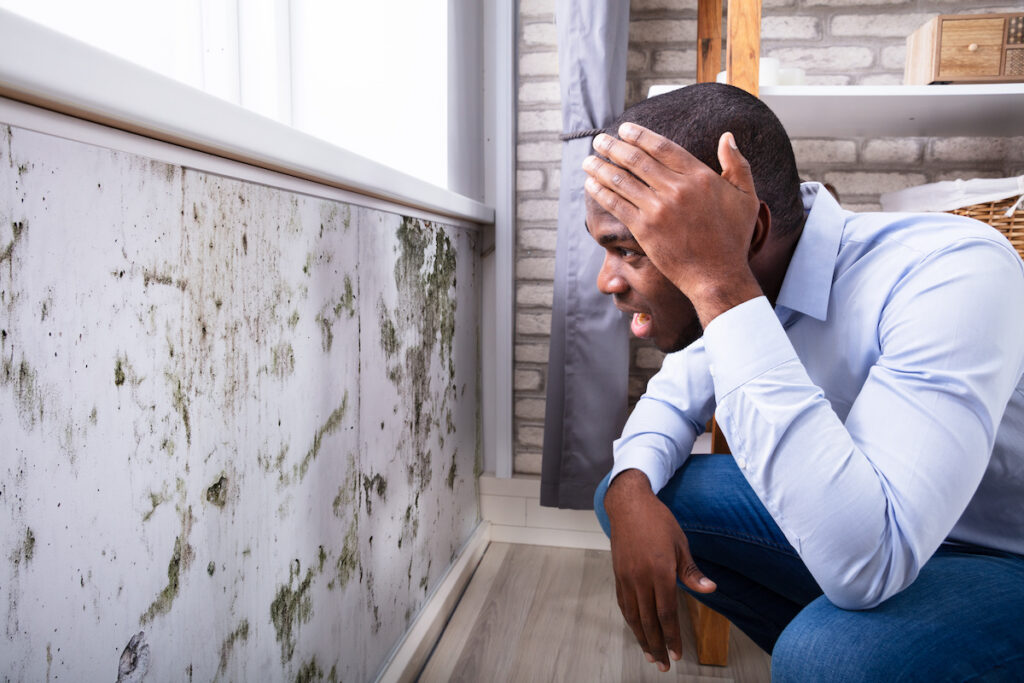
Mold is a type of fungus that thrives in damp, warm environments. It reproduces by releasing spores into the air, which can settle on surfaces and grow into new mold colonies if the conditions are favorable. Common areas for mold growth include basements, bathrooms, kitchens, and any area that has experienced water damage.
The health risks associated with mold exposure include:
- Respiratory issues such as coughing, wheezing, and shortness of breath.
- Allergic reactions include sneezing, runny nose, and itchy eyes.
- Aggravation of asthma symptoms.
- Potential for more severe reactions in individuals with compromised immune systems.
Immediate Steps to Take After Water Damage
When water damage occurs, acting quickly is crucial to conducting water damage restoration. Here are the immediate steps you should take:
- Ensure Safety First: Before entering the affected area, ensure that it is safe. Turn off the electricity to prevent electrical shocks, especially if the water has reached electrical outlets or appliances.
- Stop the Source of Water: Identify and stop the source of water to prevent further damage. This might involve shutting off the main water valve or addressing leaks from roofs or plumbing.
- Remove Standing Water: Use pumps, wet vacuums, or mops to remove standing water as quickly as possible. The longer the water sits, the greater the risk of mold growth.
- Move Furniture and Belongings: Remove furniture, rugs, and other items from the affected area to prevent them from becoming moldy. If possible, move them to a dry, well-ventilated area.
- Dry the Area Thoroughly: Use fans, dehumidifiers, and open windows to increase airflow and help dry the area. This process can take several days, so be patient and ensure thorough drying.
Detailed Drying Techniques
Drying out a water-damaged area is critical in preventing mold growth. Here are some effective techniques:
- Use Dehumidifiers: Dehumidifiers are essential for removing moisture from the air, which is crucial in preventing mold. Place dehumidifiers in the affected area and keep them running until the space is completely dry.
- Promote Air Circulation: Open windows and doors to allow fresh air to circulate. Use fans to help move air around the space. If the weather is humid, consider using air conditioning to reduce indoor humidity.
- Heat the Area: Increasing the temperature can help speed up the drying process. Use portable heaters to warm the space, but be cautious not to create a fire hazard.
- Dry Wet Items Separately: Items such as carpets, rugs, and upholstery should be removed and dried separately. Hang them outside if possible, or use specialized drying equipment.
Cleaning and Disinfecting
Once the area is dry, it’s essential to clean and disinfect to remove any potential mold spores:
- Clean Hard Surfaces: Use a mixture of water and detergent to clean hard surfaces such as walls, floors, and furniture. Scrub thoroughly to remove any dirt or debris that mold can feed on.
- Disinfect: After cleaning, use a disinfectant to kill any remaining mold spores. Common household disinfectants or a bleach solution (1 cup bleach to 1 gallon of water) can be effective. Be sure to follow safety guidelines when using bleach, such as wearing gloves and ensuring good ventilation.
- Dispose of Damaged Items: Some items, like ceiling tiles, insulation, and certain types of flooring, may need to be disposed of if they have been heavily contaminated by mold or water damage.
Preventative Measures
Preventing future mold growth involves addressing the root causes of moisture and ensuring your home remains dry:
- Improve Ventilation: Ensure that areas prone to moisture, like bathrooms and kitchens, have adequate ventilation. Use exhaust fans to remove humidity from these spaces.
- Fix Leaks Promptly: Regularly inspect your home for leaks in the roof, walls, and plumbing. Address any issues immediately to prevent water damage.
- Maintain Proper Gutters and Downspouts: Ensure that your gutters and downspouts are clean and directing water away from your home’s foundation.
- Use Mold-Resistant Products: Consider using mold-resistant drywall, insulation, and paints in areas prone to moisture.
- Control Indoor Humidity: Keep indoor humidity levels below 60% using dehumidifiers and air conditioners. Use hygrometers to monitor humidity levels.
- Regular Inspections: Schedule regular inspections of your home, especially in areas that are less visible or prone to moisture, like basements and crawl spaces.
Mold Remediation Professionals
In some cases, despite your best efforts, mold growth may still occur. When mold infestation is extensive or hidden behind walls and ceilings, it’s best to call in professional mold remediation experts. Here’s what to look for when hiring a professional:
- Certifications and Training: Ensure that the mold remediation company is certified by recognized organizations such as the Institute of Inspection, Cleaning and Restoration Certification (IICRC).
- Experience: Choose a company with extensive experience in mold remediation. Ask for references and check online reviews.
- Comprehensive Services: The company should offer comprehensive services including inspection, containment, removal, cleaning, and prevention.
- Safety Protocols: Professionals should follow strict safety protocols to protect themselves and your home from further contamination.
- Post-Remediation Testing: Ensure that the company provides post-remediation testing to confirm that all mold has been effectively removed.
Local Resources in Marysville, WA
Residents of Marysville, WA have access to various local resources that can assist in preventing and dealing with mold growth after water damage:
- City of Marysville Building Department: Provides guidelines and resources for homeowners on building codes and practices to prevent water damage and mold growth.
- Snohomish County Health Department: Offers information on mold prevention and health effects, as well as resources for finding professional help.
- Local Environmental Agencies: Organizations such as the Washington State Department of Ecology can provide additional resources and support for environmental health concerns related to mold.
Conclusion
Preventing mold growth after water damage in Marysville, WA requires prompt action, thorough drying, effective cleaning, and ongoing prevention measures. By understanding the risks and taking proactive steps, homeowners can protect their homes and health from the dangers of mold. Remember, when in doubt or when facing extensive mold growth, it’s always best to seek professional help. Mold remediation experts can ensure that your home is safe, clean, and free from harmful mold.