

Water damage in Marysville, WA can be a homeowner’s nightmare. While the immediate destruction caused by water intrusion is concerning, one of the most significant long-term risks is mold growth. Mold thrives in damp environments and can begin to grow within 24-48 hours after water exposure. Beyond structural damage, mold poses serious health risks, including respiratory issues and allergic reactions. To protect your property and well-being, it’s essential to take proactive measures to prevent mold growth after water damage.
Understand the Basics of Mold Growth
Mold is a type of fungus that reproduces through airborne spores. These spores are virtually everywhere, but they require the right conditions to grow and spread:
- Moisture: Mold needs a damp or wet environment to thrive.
- Organic Material: Mold feeds on materials like wood, drywall, insulation, and fabrics.
- Temperature: Mold grows best in warm environments, typically between 60-80°F.
Recognizing these conditions is the first step to mold prevention. After water damage, your goal is to disrupt this ideal environment for mold.
Act Quickly After Water Damage
Time is critical when dealing with water damage. The faster you respond, the lower the chances of mold growth.
- Stop the Source of Water: Identify and eliminate the source of water intrusion, whether it’s a burst pipe, roof leak, or flooding.
- Remove Standing Water: Use pumps, wet/dry vacuums, or buckets to remove standing water. Even small puddles can contribute to mold growth if left untreated.
- Dry the Area Thoroughly: Drying is the most crucial step in mold prevention. Open windows and use fans and dehumidifiers to accelerate the drying process.
Inspect and Clean Affected Areas
After drying out the area, inspect for any remaining dampness or materials that may harbor mold spores.
- Remove Damaged Materials: Items like drywall, carpeting, and insulation that have been soaked for more than 24 hours should be removed and replaced. These materials can trap moisture and encourage mold growth.
- Clean Hard Surfaces: Use a mixture of water and detergent to clean hard surfaces. Avoid bleach for porous materials, as it may not effectively kill mold spores deep within the surface.
- Dispose of Unsalvageable Items: Severely water-damaged furniture, clothing, and paper products should be discarded to prevent mold from spreading.
Control Humidity Levels
Even after visible water is removed, high humidity levels can promote mold growth. Use a hygrometer to measure indoor humidity, and aim to keep levels below 50%.
- Use Dehumidifiers: Place dehumidifiers in affected areas to reduce moisture in the air.
- Ventilate Properly: Increase airflow by opening windows, using fans, and running HVAC systems. Proper ventilation in kitchens and bathrooms is especially important.
- Monitor Problem Areas: Basements, crawlspaces, and attics are common areas for moisture accumulation. Regularly inspect and ventilate these spaces.
Address Hidden Moisture
Mold often grows in hidden areas, such as behind walls, under floors, or inside HVAC systems. If water damage was extensive, consider professional assistance to assess and address hidden moisture. Thermal imaging and moisture meters can detect dampness that isn’t visible to the naked eye.
Disinfect and Sanitize
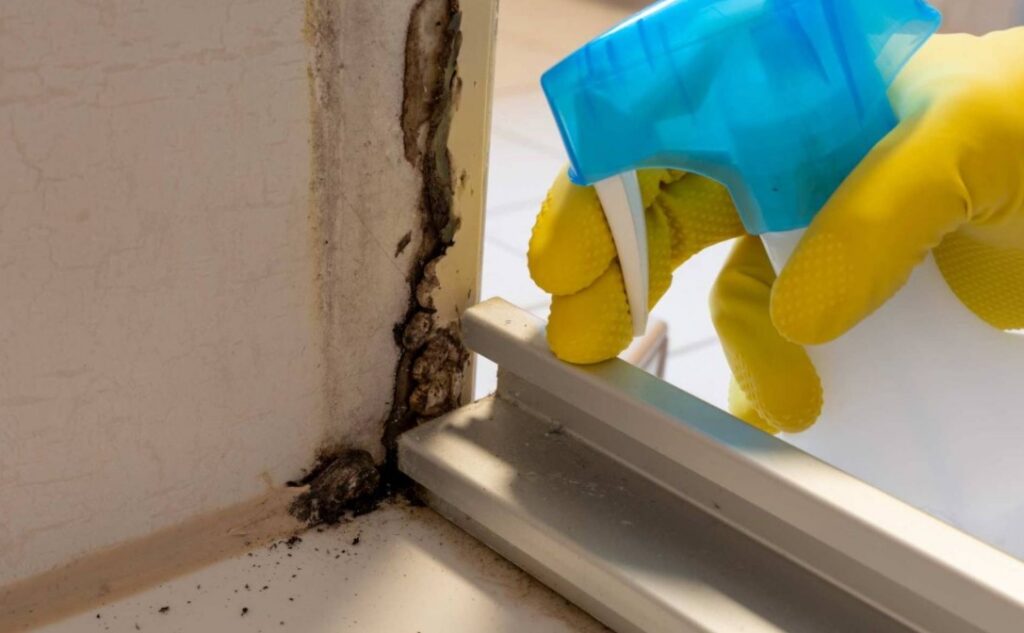
Even after drying and cleaning, it’s important to sanitize the area to eliminate any remaining mold spores. Use an EPA-approved mold-killing product or a solution of water and white vinegar. Spray and scrub all surfaces, paying close attention to corners, cracks, and crevices where mold spores can hide.
Prevent Future Water Issues
Preventing future water damage is key to avoiding mold problems in the long run. Take proactive measures to safeguard your home:
- Repair Leaks Promptly: Regularly inspect and fix plumbing, roofing, and foundation leaks.
- Improve Drainage: Ensure gutters and downspouts direct water away from your home.
- Seal Cracks: Seal gaps in windows, doors, and foundations to prevent water intrusion.
- Use Waterproof Materials: In areas prone to moisture, such as basements and bathrooms, use mold-resistant drywall, paint, and flooring.
Monitor for Signs of Mold
Even with thorough prevention, it’s essential to remain vigilant for signs of mold growth. Early detection can prevent widespread contamination:
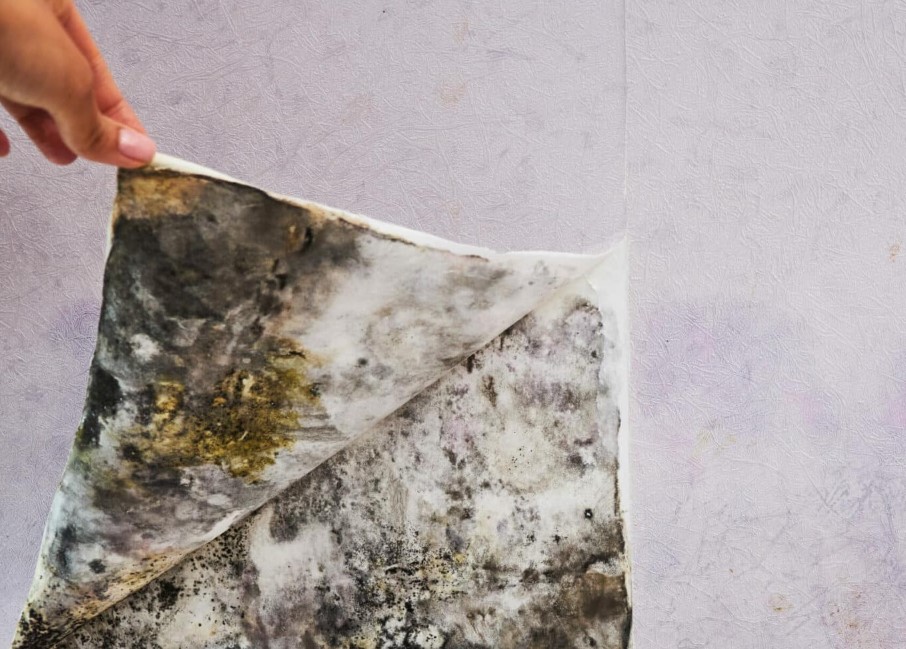
- Visual Clues: Look for black, green, or white spots on walls, ceilings, and floors.
- Musty Odors: Mold often produces a distinct musty smell.
- Health Symptoms: Unexplained respiratory issues, skin irritation, or allergy-like symptoms may indicate mold exposure.
When to Call Professionals
For severe water damage or persistent mold issues, professional help may be necessary. Experts use specialized equipment like industrial dehumidifiers, air movers, and mold remediation techniques to fully address the problem. They can also conduct tests to confirm mold presence and ensure your home is safe.
Final Thoughts
Preventing mold growth after water damage Marysville, WA requires prompt action, thorough cleaning, and ongoing vigilance. By addressing water damage quickly, maintaining proper humidity levels, and staying proactive, you can safeguard your property and health from the dangers of mold. Remember, the effort you put into prevention today can save you significant time, money, and stress in the future.