 PuroClean of McLean and West Falls Church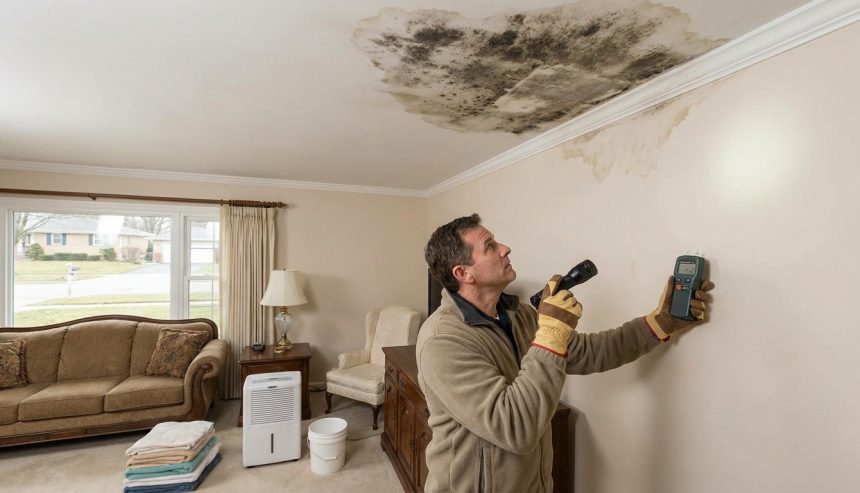
Mold on the ceiling is one of those problems that often goes unnoticed until it becomes difficult to ignore. A small stain or faint odor can quickly turn into something that affects multiple areas of the home. Many homeowners are surprised to learn how quickly ceiling mold in McLean home properties can develop, especially when moisture goes undetected. Understanding what causes it and how it spreads is the first step toward keeping your home safe and manageable.
Why Ceiling Mold Is a Growing Concern in McLean Homes
Homes in McLean are often exposed to seasonal humidity, fluctuating temperatures, and occasional heavy rainfall. These conditions make ceilings particularly vulnerable to trapped moisture. Once moisture settles into building materials, it creates the perfect environment for growth. Ceiling mold in McLean home structures is becoming more common because even minor leaks or ventilation issues can go unnoticed for long periods.
Common Causes of Ceiling Mold in McLean Homes
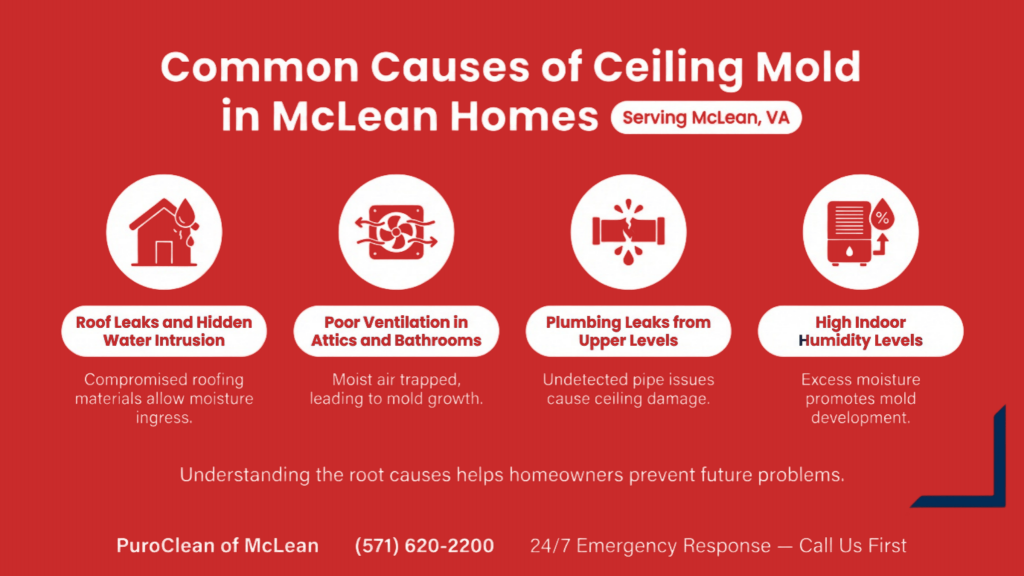
Understanding the root causes helps homeowners prevent future problems. Most mold issues begin with moisture that is left unresolved.
Roof Leaks and Hidden Water Intrusion
A damaged roof or missing shingles can allow water to seep in slowly. This moisture often collects above the ceiling, making it difficult to detect early. Over time, it leads to ceiling mold in McLean home interiors, especially after storms or prolonged rain. Even small leaks can create long-term issues if not addressed.
Poor Ventilation in Attics and Bathrooms
Bathrooms and attics generate a lot of moisture. Without proper ventilation, that moisture has nowhere to go. It settles on cooler surfaces like ceilings and encourages water damage mold to form. Exhaust fans and airflow systems play a key role in preventing buildup.
Plumbing Leaks from Upper Levels
Leaks from pipes, bathrooms, or appliances on upper floors can drip into ceiling spaces below. These leaks may remain hidden until stains appear. Water damage mold often develops in these areas because the moisture is consistent and trapped.
High Indoor Humidity Levels
Humidity inside the home can rise due to cooking, showering, or poor airflow. When levels stay high, condensation forms on ceilings and walls. This creates a damp surface where ceiling mold in McLean home environments can grow steadily.
How Water Damage Mold Develops and Spreads
Once moisture is present, mold begins to grow quickly. Understanding how it spreads can help homeowners act sooner. According to the EPA, mold can begin developing within 24–48 hours in damp conditions, making early detection critical.
Moisture Absorption in Ceiling Materials
Ceilings are often made of drywall and insulation, which absorb water easily. When moisture seeps in, it stays trapped and creates ideal conditions for water damage mold. This makes ceilings one of the most common places for hidden growth.
Airborne Spores and Cross-Contamination
Mold releases tiny spores into the air that can travel through vents and open spaces. These spores settle in other areas, leading to new growth. Ceiling mold in McLean home structures can therefore impact rooms far beyond the original source.
Signs That Mold Is Spreading Beyond the Ceiling
When mold spreads, it may appear on walls, vents, or even furniture. A persistent musty smell is often a strong indicator. Water damage mold can expand quietly, making early detection essential.
Early Signs of Ceiling Mold Homeowners Should Not Ignore
Recognizing early warning signs can prevent a small issue from becoming widespread.
Discoloration and Stains on Ceilings
Yellow, brown, or dark spots often signal moisture buildup. These stains may appear suddenly or grow over time. In many cases, they indicate ceiling mold in McLean home areas that need attention.
Musty Odors in Certain Areas
A musty smell is often one of the first signs of mold. Even if you cannot see it, the odor suggests that water damage mold may be present behind surfaces or in hidden spaces.
Peeling Paint or Bubbling Surfaces
When moisture gets trapped under paint, it causes bubbling or peeling. This is often a sign that mold is forming underneath. Ceiling mold in McLean home interiors frequently starts this way.
How Homeowners Can Stop Water Damage Mold Before It Spreads
Taking action early can prevent mold from spreading and reduce long-term impact.
Fixing Leaks Immediately
Any sign of a leak should be addressed right away. Whether it’s from the roof or plumbing, stopping the source of moisture is the most effective way to prevent water damage mold from growing further.
Improving Ventilation and Airflow
Installing or upgrading exhaust fans can help remove excess moisture from bathrooms and kitchens. Better airflow reduces the chances of ceiling mold in McLean home spaces forming due to trapped humidity.
Controlling Indoor Humidity Levels
Using dehumidifiers and keeping humidity levels balanced can make a big difference. Lower humidity reduces the conditions that allow water damage mold to thrive.
Regular Inspections and Maintenance
Routine inspections of ceilings, attics, and plumbing systems can help identify issues early. Catching problems before they worsen is key to avoiding ceiling mold in McLean home environments.
When Ceiling Mold Requires Professional Attention
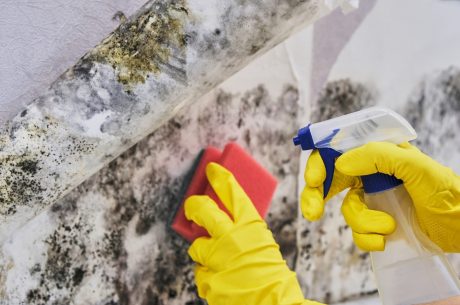
In some cases, mold problems go beyond simple fixes. If mold keeps returning or appears in multiple areas, it may indicate a deeper issue. Persistent ceiling mold in McLean home structures often requires professional assessment to locate hidden moisture sources. When water damage mold continues to spread despite efforts, expert support can help address the root cause effectively.
If you’re unsure whether to handle the issue yourself, our blog on understanding how safe DIY mold removal products are compared to professional services can help you make a more informed decision before taking the next step.
Conclusion
Ceiling mold is often the result of hidden moisture that builds up over time. From roof leaks to poor ventilation, the causes are usually preventable when caught early. By understanding how ceiling mold in McLean home spaces forms and spreads, homeowners can take simple steps to control moisture and protect their living environment. Acting quickly makes a significant difference in keeping the problem contained.
FAQs
Q1. What causes ceiling mold in McLean homes the most?
A: The most common causes include roof leaks, high humidity, and poor ventilation, all of which create moisture that allows mold to grow.
Q2. Can water damage mold spread to other rooms?
A: Yes, mold spores can travel through the air and spread to different areas, especially through ventilation systems.
Q3. How quickly can ceiling mold become a serious problem?
A: Mold can begin to grow within 24–48 hours after moisture exposure, making early action important.


 PuroClean of McLean and West Falls Church