 PuroClean of McLean and West Falls Church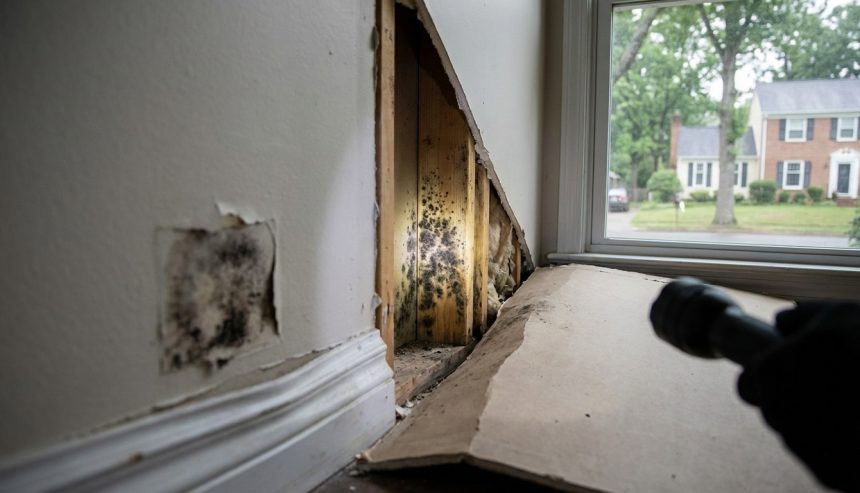
A small leak behind a wall might seem harmless at first, especially when there are no visible signs. Over time, however, moisture trapped out of sight can quietly create conditions that affect both the structure and indoor environment. Understanding hidden water damage McLean helps homeowners recognize risks before they become more difficult to manage.
Moisture that remains undetected often leads to concerns that go beyond surface-level damage. One of the most common outcomes is mold after water damage, which can develop in enclosed areas without immediate warning.
Understanding the Link Between Hidden Water Damage and Mold Growth
Water that enters hidden areas such as wall cavities or insulation tends to remain trapped if not addressed quickly. Without proper drying, these damp conditions create an environment where mold can begin to grow.
In many cases, hidden water damage McLean becomes a concern when moisture goes unnoticed for extended periods. This connection between water and mold highlights the importance of early awareness and consistent monitoring of indoor spaces.
How Hidden Moisture Builds Up Behind Walls
Water can find its way into walls through small openings or ongoing leaks that are not easily visible. Once inside, it may spread through materials like drywall or insulation, where it remains trapped.
Over time, this buildup increases the likelihood of mold after water damage, especially when airflow is limited. Because these areas are enclosed, moisture can persist longer than expected.
Common Causes of Hidden Water Damage in Homes
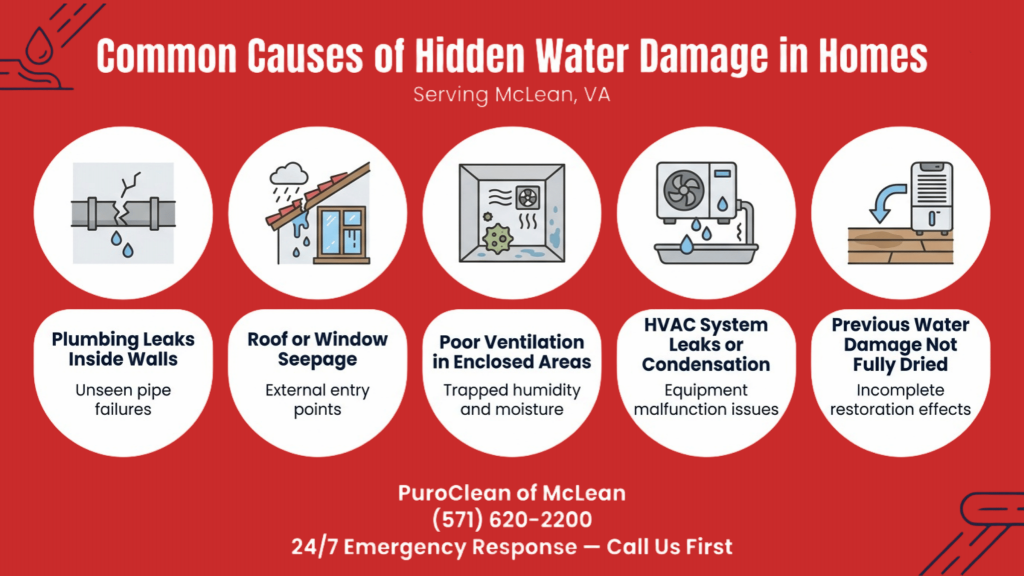
Water damage does not always come from obvious flooding or major leaks. In many homes, it develops slowly due to everyday issues that go unnoticed. Small, recurring moisture exposure can gradually build up and affect areas that are not regularly checked.
- Plumbing leaks inside walls
- Roof or window seepage
- Poor ventilation in enclosed areas
- HVAC system leaks or condensation
- Previous water damage not fully dried
These causes show how hidden water damage McLean can begin without immediate warning. Recognizing them early can help reduce the chances of further complications.
Why Mold After Water Damage Develops in Hidden Spaces
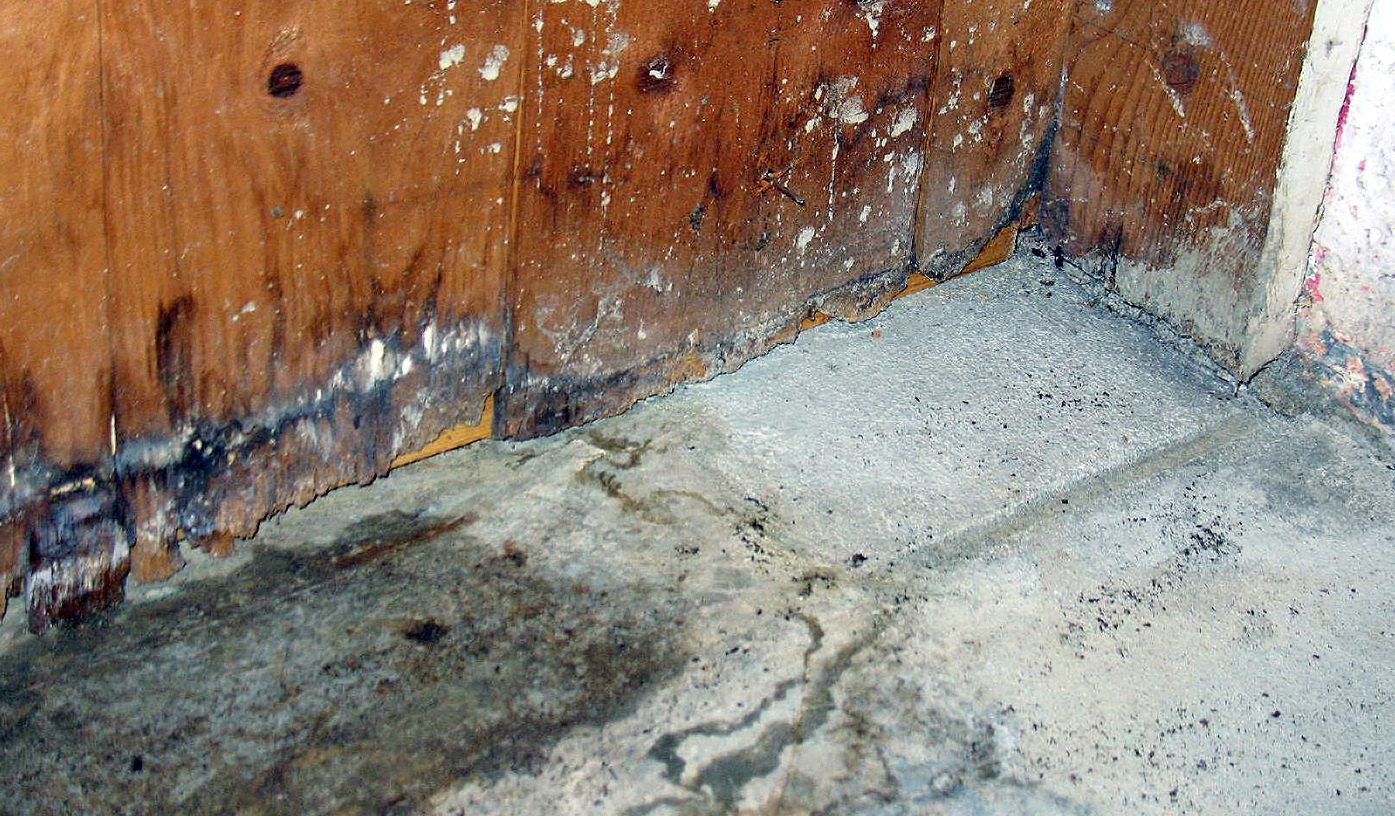
Mold growth often depends on the presence of moisture, organic materials, and limited airflow. Behind walls, these conditions can exist without being noticed.
- Dark and enclosed wall cavities
- Consistent moisture presence
- Organic materials like drywall and wood
- Lack of airflow
- Delayed detection of water issues
These factors explain why mold after water damage is more likely to develop in hidden spaces. Addressing moisture early can help reduce these risks.
Signs of Mold Growth Behind Walls
Even when mold is hidden, certain signs may indicate that something is not right within the structure of a home.
- Musty or persistent odors
- Discoloration on walls or ceilings
- Peeling paint or wallpaper
- Unexplained allergy-like symptoms
- Warped or damp surfaces
These signs may point toward hidden water damage McLean that requires closer inspection. Paying attention to these indicators can help guide timely action. As discussed in our blog on mold testing, understanding when an inspection may be urgently needed can also help homeowners decide the next steps.
How Hidden Water Damage in McLean Impacts Indoor Spaces
Damage that remains behind walls can gradually affect more than just structural materials. Moisture can weaken surfaces, reduce indoor comfort, and contribute to ongoing issues within the property.
As moisture spreads within enclosed areas, it can also affect insulation and reduce its effectiveness over time. This may lead to uneven indoor temperatures and increased strain on heating or cooling systems, which can impact overall energy efficiency.
Over time, hidden water damage McLean may also influence air quality, especially if mold begins to develop. This makes it important to consider both visible and hidden areas when evaluating the condition of a home.
Steps to Address Mold After Water Damage Early
Taking early action can help reduce the extent of damage and limit further spread of moisture-related issues. A structured approach often makes the process more manageable. Quick response can also help prevent moisture from settling deeper into building materials. Guidance from organizations like the EPA also highlights the importance of timely cleanup to reduce mold risks after water exposure.
- Identifying and stopping the water source
- Drying affected areas thoroughly
- Inspecting hidden spaces
- Removing damaged materials if needed
- Seeking professional evaluation when necessary
These steps can help address mold after water damage before it becomes more widespread. Acting early often supports better outcomes for the property.
Ways to Prevent Hidden Water Damage in the Future
Preventing water damage often starts with consistent maintenance and awareness of potential risks around the home. Small, routine checks can help identify issues before they develop into larger concerns.
- Routine inspections of plumbing and roofing
- Monitoring humidity levels indoors
- Maintaining proper ventilation
- Addressing leaks immediately
- Scheduling periodic property checks
These preventive measures can help reduce the chances of hidden water damage McLean over time. Staying proactive plays a key role in maintaining a safe indoor environment.
Conclusion
Hidden moisture inside walls can gradually lead to conditions that are difficult to detect at first. Understanding how hidden water damage McLean develops helps homeowners stay aware of potential risks and respond with greater confidence.
Being mindful of mold after water damage and its connection to trapped moisture can support better decision-making. Small steps taken early can make a meaningful difference in maintaining the condition of a home.
FAQs
Q1. How long does it take for mold to grow after water damage?
A: Mold can begin to develop within 24 to 48 hours when moisture is present. The exact timing depends on temperature, humidity, and the materials involved.
Q2. Can mold grow behind walls without visible signs?
A: Yes, mold can develop in hidden areas where moisture is trapped. It may go unnoticed until odors or surface changes appear.
Q3. What should homeowners do if they suspect hidden water damage?
A: It is helpful to investigate the source of moisture and monitor the affected area. Seeking a professional assessment can provide clarity and guidance.


 PuroClean of McLean and West Falls Church