

When life takes unexpected turns, dealing with biohazard remediation can be overwhelming. From crime scenes to accidental spills, professional help is often critical. A common question arises: “Does insurance cover biohazard cleanup pay?” The answer largely depends on your insurance policy and the specific circumstances.
What is Biohazard Cleanup?
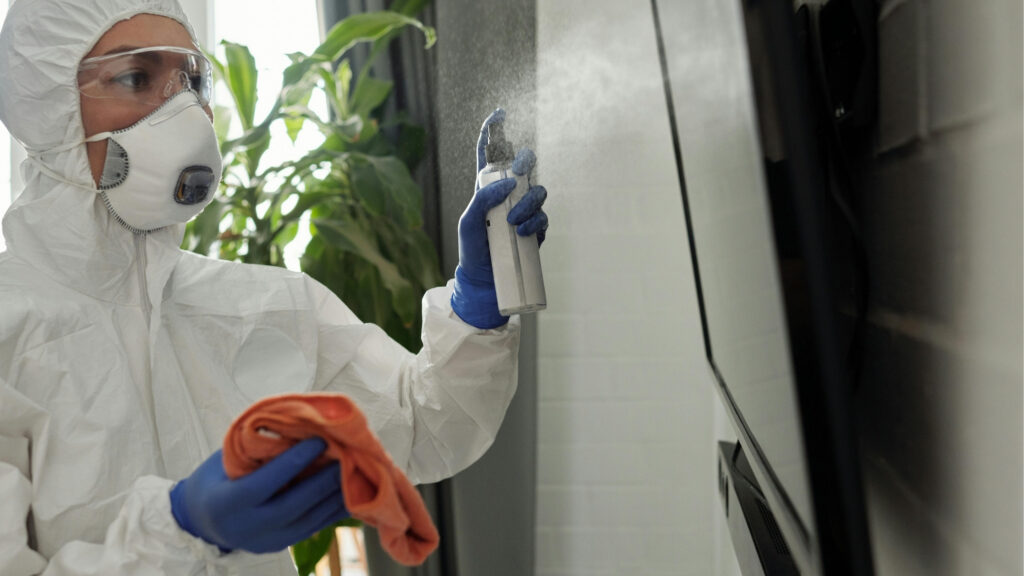
Biohazard waste removal involves the removal and sanitization of areas contaminated with hazardous substances like blood, bodily fluids, or dangerous chemicals. This critical service ensures safety and prevents disease transmission.
A professional biohazard cleanup business specializes in addressing these challenging situations. They use advanced tools, protective equipment, and strict protocols to restore safety and hygiene. Situations such as crime scenes, medical emergencies, or hoarding demand their expertise. Despite the necessity of these services, many people wonder how much does biohazard cleanup cost and whether insurance will cover the expense, which can be significant depending on the extent of contamination and the services required.
Does Insurance Cover Biohazard Cleanup Pay?
The good news is that many insurance policies offer some level of coverage for biohazard cleanup pay. Homeowners’ insurance, for instance, may cover incidents such as crime scenes or accidental deaths on the property. However, coverage is not always guaranteed—it depends on the specifics of your policy.
Covered Incidents: If the biohazard results from a covered peril (e.g., fire, vandalism, or accidental damage), your policy may include cleanup costs.
Excluded Incidents: Hoarding situations or neglect-related issues are typically excluded from coverage.
It’s essential to review your policy and consult with your insurance provider to understand what’s included and whether it will cover biohazard cleanup pay.
Factors That Affect Insurance Coverage
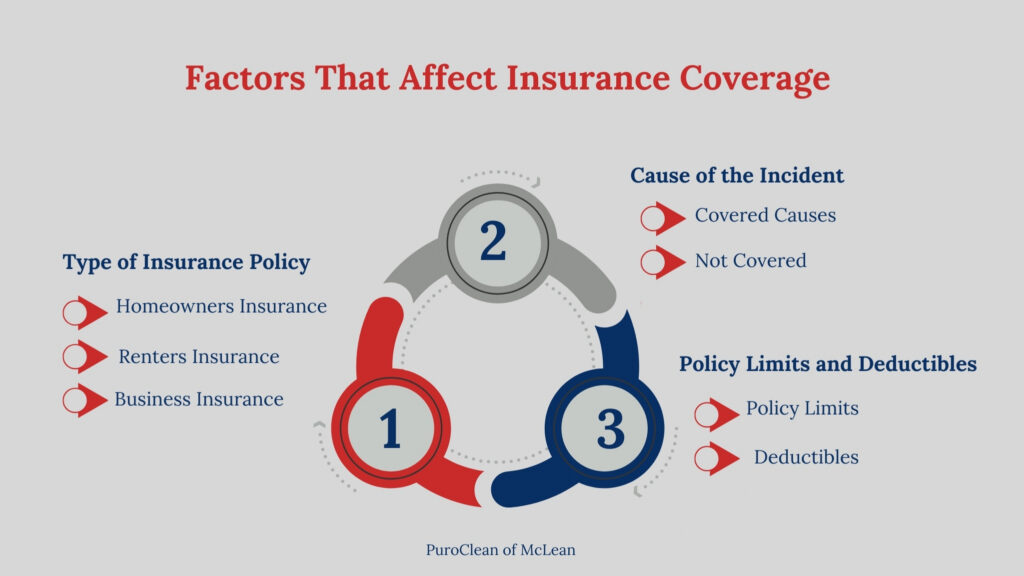
Insurance coverage for biohazard cleanup depends on several key factors, including the type of policy, the cause of the incident, and policy limits. Understanding these factors can help homeowners, renters, and business owners navigate their insurance claims more effectively.
1. Type of Insurance Policy
Insurance coverage varies based on the type of policy you hold. Homeowners, renters, and business insurance policies each have different levels of coverage for biohazard situations:
- Homeowners Insurance: Typically covers cleanup costs if the biohazard results from a covered peril, such as a crime, accidental injury, or sewage backup (if specified in the policy).
- Renters Insurance: Coverage depends on the policyholder’s individual plan and may extend only to personal belongings rather than the rental property itself.
- Business Insurance: Commercial property insurance may cover biohazard cleanup if the contamination results from covered incidents like vandalism or workplace accidents.
A biohazard waste removal service can help assess your situation and determine whether your insurance policy applies to your specific cleanup needs.
2. Cause of the Incident
Insurance companies evaluate the cause of the biohazard contamination before approving coverage. Generally, policies cover incidents considered accidental or unavoidable, but they exclude intentional harm or negligence.
- Covered Causes: Crime scenes, accidental deaths, workplace injuries, burst pipes causing sewage backups, and unforeseen medical emergencies.
- Not Covered: Mold due to long-term neglect, hoarding situations, intentional damage, or illegal activities.
Understanding the cause of contamination is essential in determining if your policy will pay for biohazard remediation.
3. Policy Limits and Deductibles
Even if a biohazard cleanup is covered, your policy limits and deductibles affect how much your insurance will pay and how much you’ll pay out of pocket.
- Policy Limits: Every insurance plan has a maximum payout amount. If cleanup costs exceed this limit, you’ll be responsible for the difference.
- Deductibles: Most policies require you to pay a deductible before insurance kicks in. If the cost of biohazard remediation is lower than your deductible, you’ll have to cover the entire expense yourself.
To avoid unexpected financial burdens, review your policy details and consult with an insurance professional or biohazard removal service to understand your coverage before a crisis occurs.
What Does Biohazard Cleanup Typically Cost?
Costs for biohazard waste removal depend on several factors:
- The type of biohazard (e.g., bloodborne pathogens, chemical spills)
- The size and scope of contamination
- Cleanup time required and the complexity of the situation
Professional hazardous cleanup businesses often provide transparent estimates tailored to the situation. Costs can vary widely, but biohazard cleanup pay from insurance can help alleviate the financial burden. Reputable companies like PuroClean of McLean can assess your needs and guide you through any insurance options available.
How to File an Insurance Claim for Biohazard Cleanup
If you’re in a situation requiring hazardous waste cleanup, follow these steps to navigate the insurance process:
- Contact Your Insurance Provider: Notify them immediately and document the incident with photos or videos. Mention your need for coverage of biohazard cleanup pay to determine if it applies.
- Get a Professional Assessment: Hire a reputable biohazard cleanup business to evaluate the damage and provide an estimate. Insurance companies often require professional assessments to verify claims.
- Submit the Claim: Include all supporting documents, such as the professional assessment and receipts for initial expenses.
- Follow Up: Stay in touch with your insurance provider to ensure smooth claim processing. Be prepared to provide additional information if requested. Can you increase the content.

Choosing the Right Biohazard Cleanup Business
Selecting the right company is essential for effective and safe cleanup. A trusted biohazard cleanup business will have the proper certifications, experience, and reputation to handle your situation.
When choosing a cleanup business, consider the following:
- Licensing and Certifications: Ensure the company complies with local and federal regulations.
- Experience: An established business is more likely to provide reliable service.
- Emergency Availability: Choose a company offering 24/7 emergency response for urgent situations.
How PuroClean of McLean Can Help
PuroClean of McLean is a trusted name in the industry, providing top-tier services for biohazard waste cleanup. Their experienced team specializes in restoring spaces after incidents requiring professional cleanup, from crime scenes to accidental spills.
Here’s why PuroClean of McLean is a leading biohazard waste cleanup business:
- 24/7 Emergency Response: They’re available whenever you need them.
- Adherence to the Guidelines of OSHA and EPA Standards: Ensuring compliance and safety.
- Tailored Solutions: Each situation receives a customized approach.
PuroClean of McLean works directly with insurance providers, simplifying claims for biohazard cleanup pay. Their compassionate team ensures the job is handled efficiently, giving you peace of mind during difficult times.
Final Thoughts
Dealing with biohazard waste cleanup is challenging, but understanding your insurance coverage can ease the burden. Many policies offer biohazard cleanup pay for covered incidents, making it easier to manage costs.
Always review your insurance policy, consult your provider, and work with a reputable biohazard cleanup business like PuroClean of McLean. Their expertise, professionalism, and commitment to safety ensure that the cleanup process is efficient and stress-free.
By hiring professionals and utilizing your insurance options, you can handle these unexpected situations with confidence and care. Remember, your safety and well-being are worth the investment in expert biohazard waste cleanup services.