


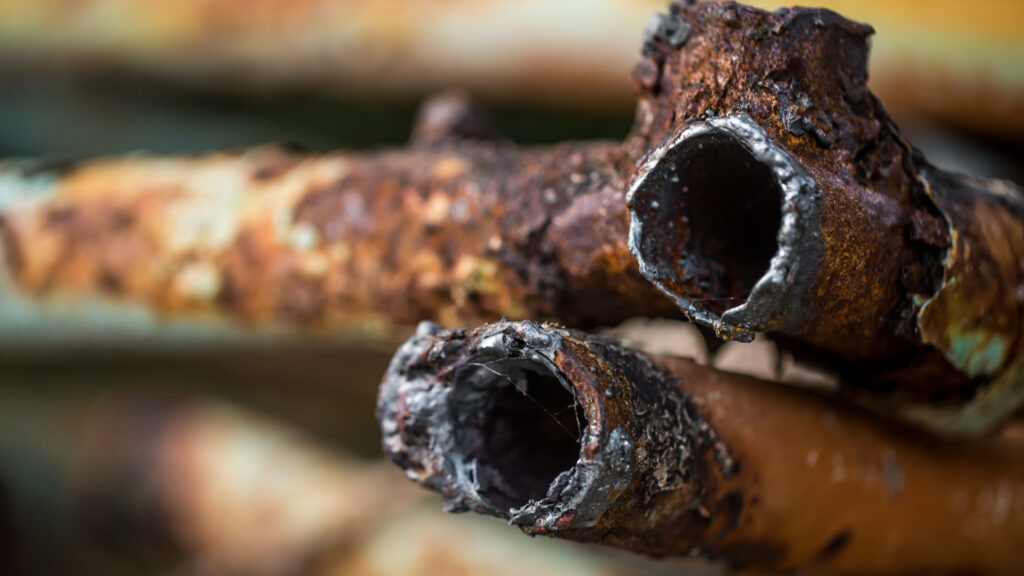
Leaky pipes are one of the most common and costly issues homeowners can face. The trouble is, most leaks start small and stay hidden behind walls or under floors. By the time you see signs of water damage, mold, or musty smells, the problem may already be serious. In places like McLean, where many homes have older plumbing, it’s important to know what to watch for and how to act fast.
This article explains how to spot the signs of a leak, why early leaky pipe repair matters, and what steps you can take to protect your home from further damage.
Understanding the Risk of Leaky Pipes
A small leak inside a wall or under a floor might not seem like a big deal at first. But over time, that slow drip can cause thousands of dollars in damage. In older McLean homes, leaky pipes often develop due to outdated materials or shifting weather conditions. When left untreated, the result is soaked insulation, warped flooring, and dangerous mold growth.
Signs You May Have a Hidden Leak
Your home may be warning you of trouble before any visible damage appears. These signs could indicate hidden leaky pipes behind walls or beneath floors.
- Water bills keep rising unexpectedly: If your water usage stays the same but your bill increases month after month, it could mean water is leaking somewhere you can’t see.
- Dripping sounds when no water is running: If you hear water moving through pipes or dripping inside the walls when all taps are turned off, a hidden leak is likely the cause.
- Paint or wallpaper starts peeling or bubbling: Moisture behind walls forces its way out, often causing wallpaper to separate from the surface in uneven or bubbly patterns.
- Dark spots or mold patches appear on walls or ceilings: Visible mold is usually the result of long-term moisture. Even small patches point to potential leaky pipes nearby.
- Water pooling under sinks or near toilets: Recurrent puddles, even small ones, are a clear sign that a pipe is leaking or a fitting is failing in that area.
- Musty smells that don’t go away: Damp, earthy odors often come from trapped moisture behind walls or under floors caused by hidden leaks.
- Floors feel soft or warped in certain spots: Softness underfoot or bulging floorboards often means water has been leaking below the surface for some time.
These signs should never be ignored. Finding and fixing leaks early prevents more serious and expensive issues down the line.
Why McLean Homes Face Higher Risks
Many McLean properties were built decades ago and still have original plumbing. Materials like galvanized steel corrode over time, and pipe joints weaken with age. Cold winters cause pipes to freeze, expand, and crack. Sloped terrain and poor drainage make water intrusion worse, especially in basements. These combined factors make leaky pipes a common problem in this region.
What Happens If You Delay Repairs
Water damage moves fast and doesn’t stop on its own. What starts as a slow leak can quickly turn into mold infestations, rotting beams, and foundation problems. Delaying leaky pipe repairs causes more than higher costs. It can put the safety and structure of your home at risk.
Some homeowners wait to call a plumber because the damage isn’t visible yet. But the longer you wait, the more water can seep into walls, floors, and other materials. That means the repairs will take longer and cost more. What could have been a simple $200 fix can easily turn into a $5,000 restoration job.
How Plumbers Handle Leaky Pipe Repair
When you call a licensed plumber, the first step is to detect a leak. Modern tools like thermal imaging cameras and moisture sensors help locate the exact source without tearing through walls. Once the issue is found, they’ll replace the damaged section or, in some cases, recommend a full pipe replacement.
If your home has older plumbing, especially galvanized steel or aging copper, a plumber might advise a full leaky pipe repair upgrade. Switching to PEX or new copper lines can prevent future leaks and improve water quality.
In cases where water has caused structural damage, contractors may need to replace drywall, flooring, or insulation. That’s why catching a leak early can dramatically reduce the cost and scope of repairs.
How to Prevent Future Water Leaks
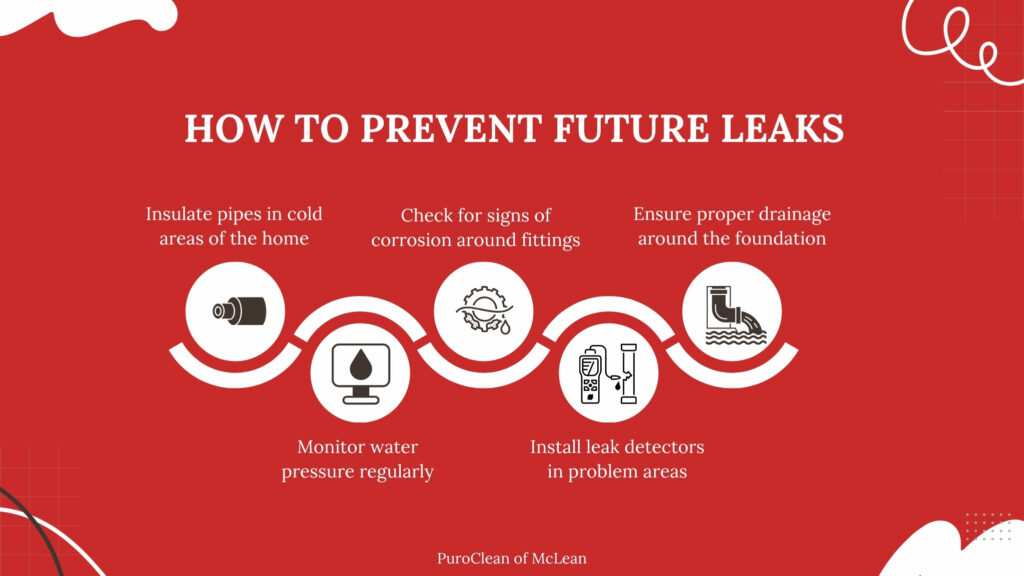
You can avoid the worst of leaky pipes by taking a proactive approach to maintenance. Here are a few key steps that protect your plumbing system and reduce risk:
- Insulate pipes in cold areas of the home: This includes basements, attics, and exterior walls where freezing is more likely in winter.
- Monitor water pressure regularly: High pressure strains your pipes and joints. Installing a regulator keeps it at a safe level.
- Check for signs of corrosion around fittings: Rust or discoloration around joints is a red flag that a leak may form soon.
- Install leak detectors in problem areas: Smart sensors placed under sinks, near water heaters, or behind washing machines offer early alerts to even tiny leaks.
- Ensure proper drainage around the foundation: Keep gutters clean and use downspout extensions to direct water away from your home.
These simple habits go a long way toward preventing unexpected plumbing emergencies and expensive leaky pipe repair projects.
Conclusion
The faster you act, the more you save. Early repairs cost less, take less time, and protect your home’s structure. In McLean, where homes often have high value and finished basements, even a minor leak can become a major issue if ignored.
Stay alert to the warning signs, invest in inspections, and take preventive steps to keep your plumbing in top condition. Protecting your home from leaky pipes and water damage in McLean is not just a maintenance task; it’s a way to preserve your property’s value and your peace of mind.
FAQs
Q1. Can leaky pipes increase humidity in my home?
A: Leaky pipes release moisture into the air, increasing humidity levels and promoting the growth of mold and mildew indoors.
Q2. Do I need to replace my whole plumbing system if I have a leak?
A: Not always. A plumber can assess the extent of the problem. In some cases, only a section of the pipe needs repair, but older homes may benefit from a full pipe replacement.
Q3. Are there specific types of pipes that are more prone to leaks?
A: Yes. Galvanized steel and polybutylene pipes are more likely to fail over time due to corrosion or material degradation.