


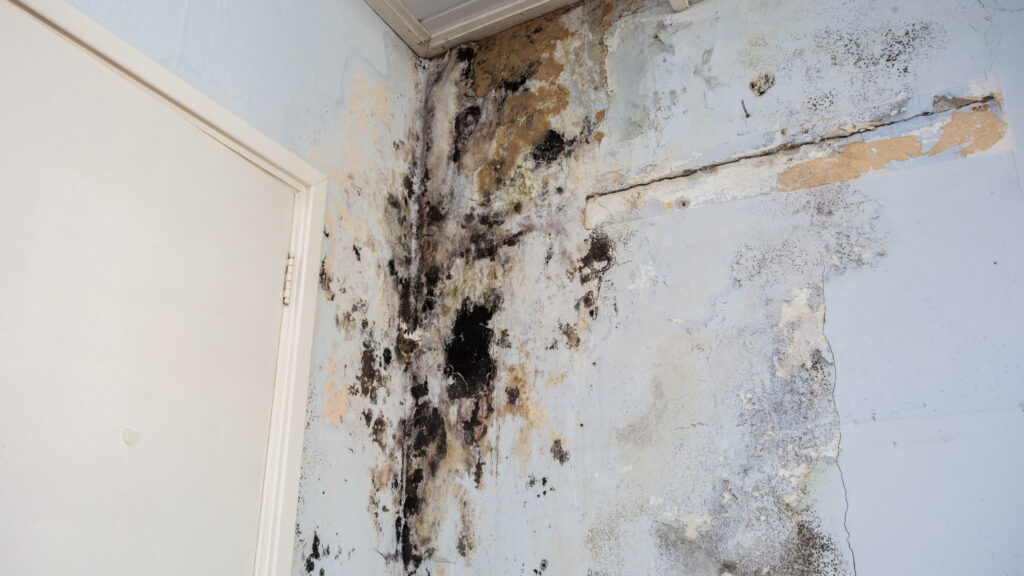
A small leak or a puddle in your McLean home may seem harmless at first, but it can quickly turn into a hidden menace: mold after water damage. What starts as a minor wet spot can transform into a spreading problem that weakens walls, damages belongings, and impacts the air you breathe. Many homeowners only notice mold once it’s visible or when health issues start appearing. Understanding how mold grows, spotting it early, and knowing how to act can save your home and protect your family before the problem spirals out of control.
Understanding Mold Growth After Water Damage
Even a small water incident can set off a chain reaction in your home. When walls, floors, or furniture stay damp, they create the perfect environment for mold after water damage to develop. Mold spores are microscopic and present everywhere, but they only flourish when moisture and organic surfaces meet. Under the right conditions, what starts as a tiny patch can spread rapidly within a day or two.
Homes in McLean face unique challenges: seasonal humidity, older construction materials, and areas like basements or crawl spaces that trap moisture. Mold doesn’t just affect appearances; it can weaken building materials and impact the air quality you and your family breathe. Knowing where mold is likely to grow and how quickly it spreads is the first step toward protecting your home. Proper water removal and drying are essential. For more guidance, see our comprehensive guide on Choosing a Water Damage Restoration Company in McLean to ensure your home is restored effectively and safely.
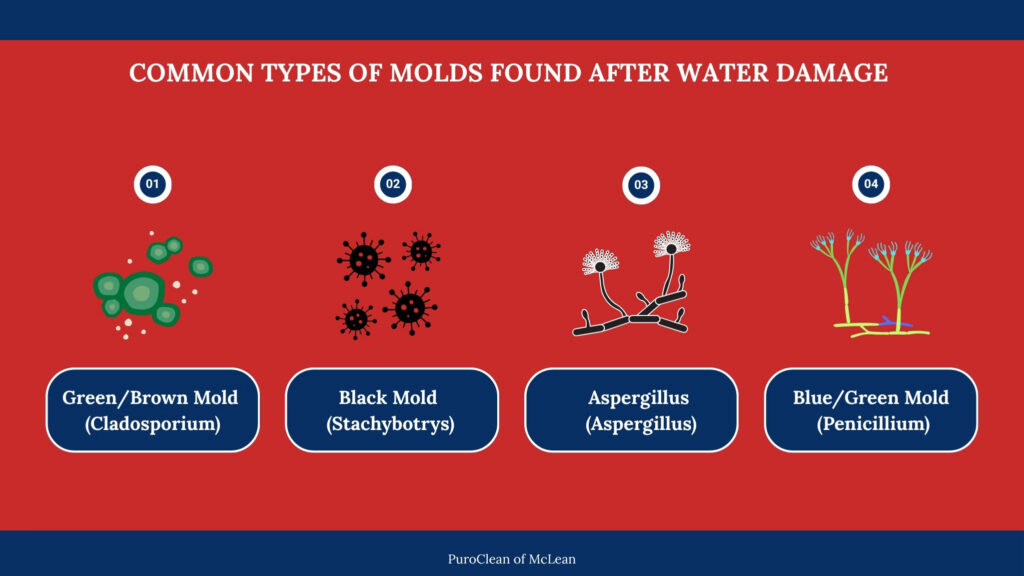
Common Types of Molds Found After Water Damage
After water exposure, different types of molds can develop in homes. Each type has distinct characteristics, and knowing them can help homeowners identify issues early and take appropriate action. Recognizing mold early is also crucial in minimizing damage to both the structure and the residents’ well-being.
Types of Molds:
- Green/Brown Mold (Cladosporium): Common in damp carpets, fabrics, and window sills. Usually dark green or brown, it grows in areas with moderate moisture.
- Black Mold (Stachybotrys): Thrives in areas with persistent water, such as basements or behind walls. Often dark green or black with a slimy texture.
- Blue/Green Mold (Penicillium): Known for fast growth on wallpaper, insulation, and materials damaged by flooding. Typically, blue or green.
- Aspergillus (Aspergillus): Often found in areas with poor airflow or high humidity, including HVAC systems and attics. It can appear white, green, or brown.
Understanding which type of mold after water damage is present can influence how you approach remediation. Prompt action not only limits the spread but also reduces potential exposure risks for your family.
Signs of Mold After Water Damage
Mold after water damage doesn’t always make itself obvious. It can grow in hidden corners like behind walls, under flooring, or inside air ducts. Being aware of the subtle signs can help homeowners catch mold early, prevent it from spreading, and reduce potential damage to property and health. According to Healthline’s guide on mold symptoms and risks, exposure to mold can also affect air quality and trigger mild to more serious health reactions, making early detection especially important for your home and family.
Visible Mold Growth
One of the most obvious indicators of mold is discoloration on surfaces. Walls, ceilings, or floors may develop dark spots or patches, and textures can appear fuzzy or slimy. These areas are often found in bathrooms, basements, or under sinks where moisture tends to linger. Even small patches should not be ignored, as mold can quickly spread if conditions remain damp.
Musty Odors
A persistent, earthy, or stale smell is another warning sign of mold. Sometimes, the odor is noticeable even when mold isn’t visible, indicating hidden growth behind walls, under flooring, or in ventilation systems. Paying attention to unusual smells is important for detecting mold early and preventing further infestation.
Health Reactions
Mold exposure can also show up through physical symptoms. Sneezing, coughing, or irritation of the eyes and skin are common, especially for individuals with allergies or respiratory sensitivities. Noticing these reactions can be an early cue to check for mold after water damage, even if it isn’t yet visible.
Common Causes of Mold After Water Damage in McLean
Mold growth often results from moisture problems that aren’t addressed quickly. Several factors contribute to mold after water damage, especially in McLean homes.
Causes of Mold:
- Leaky or burst pipes inside walls or ceilings.
- Flooding from storms or heavy rainfall.
- Poor ventilation in bathrooms, kitchens, and basements.
- High indoor humidity due to climate or household activities.
- Standing water from spills or slow drainage that remains unattended.
Most mold issues develop when moisture lingers beyond 24–48 hours. Addressing the root cause is crucial in preventing recurring problems. Regular inspections and timely repairs significantly reduce the risk of mold after water damage.
Mold Prevention McLean VA: Key Steps to Protect Your Home
Preventing mold after water damage is easier than dealing with a full-blown infestation. Homeowners in McLean can take proactive measures to minimize moisture and maintain a healthy environment.
Steps for Mold Prevention in McLean, VA:
- Dry water-affected areas quickly: Use towels, fans, or a wet/dry vacuum to remove excess water.
- Use dehumidifiers: Reduce indoor humidity, particularly in basements and bathrooms.
- Improve airflow: Open windows or use ventilation systems to keep air moving.
- Inspect and repair leaks promptly: Regularly check pipes, roofs, and appliances for signs of damage.
- Monitor high-risk areas: Look for damp spots under sinks, behind appliances, or near windows.
Consistently following mold prevention McLean VA strategies can stop mold growth before it starts. Combining vigilance with quick response ensures a safer, healthier home environment for everyone.
Conclusion
Mold after water damage is a common issue for McLean homeowners, but it doesn’t have to become a persistent problem. Understanding how mold grows, recognizing early warning signs, and taking proactive steps can save time, money, and health. Quick drying, proper ventilation, and professional remediation when necessary are all key strategies.
By staying aware and acting promptly, McLean residents can protect both their homes and families from the hidden risks of mold after water damage. Take action today by inspecting your home, addressing any moisture issues, and staying vigilant to prevent mold from spreading.
FAQs
Q1. How fast does mold grow after water damage?
A: Mold can begin growing within 24–48 hours in damp areas. Even small amounts of leftover moisture can allow spores to settle and spread, so quick action is essential.
Q2. Can I remove mold myself?
A: Small, visible patches can be cleaned safely with proper precautions. Larger infestations or hidden mold require professional remediation to fully prevent it from returning.
Q3. What are the best strategies for mold prevention in McLean, VA?
A: Dry water-affected areas promptly, use dehumidifiers, and ensure good ventilation. Regularly check for leaks and moisture to keep your home protected.