


Introduction
A sewage backup can turn a manageable plumbing problem into a serious property emergency within minutes. Contaminated water can spread through flooring, wall cavities, insulation, furniture, and HVAC areas, leaving behind hazards that ordinary cleaning cannot solve.
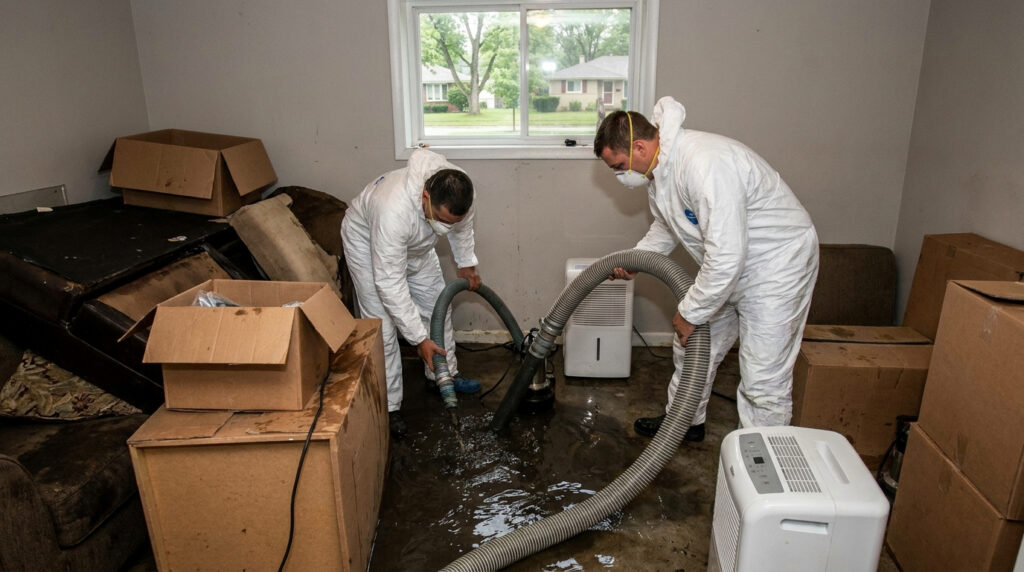
Professional water damage cleanup McLean VA teams approach these events as contamination incidents, not simple water removal jobs. Their work focuses on stopping the source, limiting spread, removing unsafe materials, cleaning affected surfaces, drying the structure, and confirming that the home is ready for normal use.
Why Sewage Backup Requires A Different Response
Clean water from a supply line and wastewater from a drain do not create the same cleanup conditions. Sewage backup water may contain bacteria, viruses, parasites, chemicals, and debris from toilets, drains, or municipal sewer lines.
Porous materials absorb contaminated water quickly. Carpet padding, insulation, particleboard cabinets, upholstered furniture, and drywall can trap contamination below the visible surface. A floor may appear dry after extraction while the subfloor or wall framing still holds moisture and residue.
Odors also create a practical clue. A persistent sewer smell often means contamination remains in a hidden cavity, drain connection, flooring layer, or material that cannot be cleaned reliably. Deodorizing without removing the source only masks the issue temporarily.
How Experts Classify The Damage
Restoration technicians assess the water source before deciding what can be cleaned and what must be removed. This classification guides protective equipment, containment, demolition, and disposal decisions.
• Category 3 water includes sewage, toilet overflows with waste, and water from contaminated drain lines.
• Visible solids, dark water, and strong sewer odors usually indicate a high contamination event.
• A backup limited to a hard, nonporous bathroom floor may need less demolition than one that reached carpeted rooms.
• Water that entered wall cavities or traveled beneath flooring requires investigation beyond the visible wet area.
Correct classification prevents a cosmetic cleanup from leaving contaminated materials behind.
The Professional Cleanup Sequence
A capable crew follows a controlled order because removing water alone does not make the space sanitary. Each stage protects the home from cross contamination and reduces the chance of hidden moisture damage.
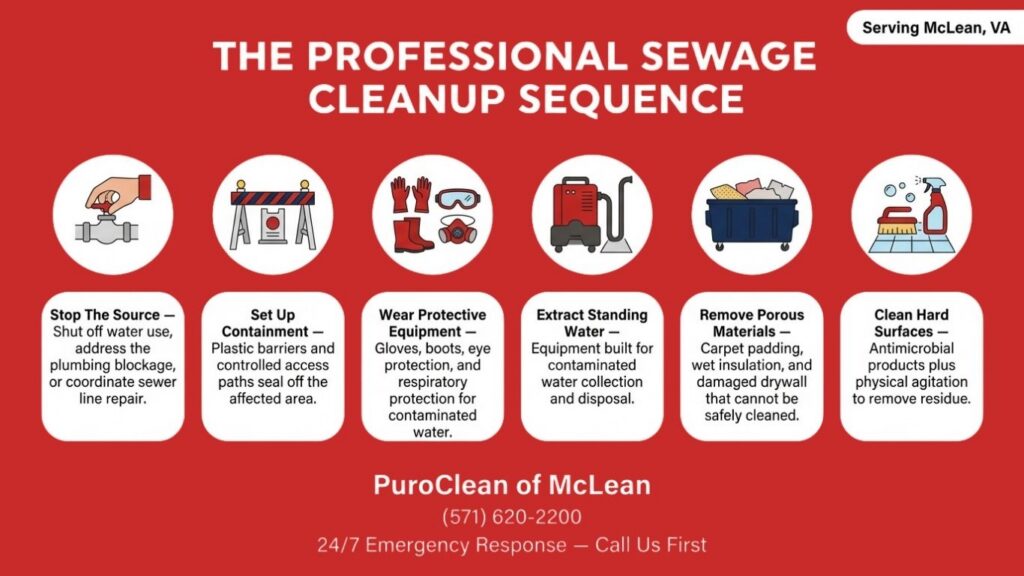
• Stop the backup source by shutting off water use, addressing a plumbing blockage, or coordinating sewer line repair.
• Establish containment with plastic barriers and controlled access paths around the affected area.
• Wear protective equipment suited to contaminated water, including gloves, boots, eye protection, and respiratory protection.
• Extract standing water using equipment designed for contaminated water collection and disposal.
• Remove affected porous materials that cannot be safely cleaned, such as carpet padding, wet insulation, and damaged drywall.
• Clean hard surfaces with appropriate antimicrobial products and physical agitation to remove residue.
• Dry structural materials with air movers, dehumidifiers, and moisture monitoring equipment.
• Document affected areas, removed materials, readings, and restoration work for insurance records.
This sequence addresses both the visible mess and the hidden conditions that can cause later problems.
Materials Experts Usually Remove Or Evaluate Closely
Not every wet item needs disposal, but sewage exposure changes the decision. Experts consider whether a material is porous, whether contamination reached its interior, and whether it can be cleaned without leaving residue behind.
• Carpet padding is commonly removed because it absorbs contaminated water throughout its thickness.
• Drywall may be cut above the water line if water wicked upward or entered the wall cavity.
• Insulation is often discarded after sewage exposure because it cannot be reliably cleaned in place.
• Laminate flooring can trap water beneath its surface and may swell, separate, or hold odor.
• Solid wood and sealed tile may be cleaned if contamination did not penetrate cracks, joints, or backing materials.
• Upholstered furniture requires close evaluation because foam and fabric can retain contaminants deep inside.
The goal is to save materials that can be restored safely while removing those that would remain a contamination risk.
Moisture Testing Prevents Hidden Damage
Drying equipment is not removed based on appearance or touch alone. Restoration teams use moisture meters, thermal imaging, and humidity readings to compare affected materials with dry areas of the same home.
For example, a technician may find that a basement wall looks dry but has elevated moisture behind baseboards. Removing a small section of trim can reveal wet drywall edges or damp framing that would otherwise remain enclosed. This targeted inspection limits unnecessary demolition while finding damage before mold or odor develops.
Technicians also monitor indoor humidity during drying. High humidity can slow evaporation and allow moisture to move into nearby rooms, closets, or stored contents. Controlled drying brings materials back toward normal moisture levels before repairs begin.
Homeowner Actions Before Help Arrives
The first hour can affect how far contaminated water travels. Homeowners should focus on safety and containment rather than trying to disinfect a large backup themselves.
• Keep children, pets, and unprotected adults away from the affected rooms.
• Avoid walking through the water and then into clean areas of the home.
• Stop using toilets, sinks, showers, washing machines, and dishwashers if the drain system is backing up.
• Turn off electricity only if it can be done without entering wet areas or touching electrical equipment.
• Move dry valuables from nearby shelves or rooms without handling contaminated items.
• Take photos of the source, standing water, and damaged belongings before cleanup begins.
• Contact a licensed plumber if a drain blockage or sewer line failure is still active.
These actions reduce spread while trained cleanup personnel prepare the site for restoration.
Common Cleanup Mistakes That Increase The Scope
Some well meant actions can push contaminated water deeper into the building or make insurance documentation harder. Avoid quick fixes that treat a sewage event like a minor spill.
• Do not use a household vacuum or regular shop vacuum on contaminated water.
• Do not run fans before contaminated materials are removed and the area is contained.
• Do not shampoo carpet or spray fragrance over sewage affected flooring.
• Do not place contaminated belongings in clean rooms, garages, or shared hallways.
• Do not close wet wall cavities or reinstall flooring before moisture readings confirm drying.
• Do not discard damaged items before photographing them and checking insurance requirements.
A careful response protects both the structure and the records needed for a smoother claim.
When Reconstruction Can Begin
Reconstruction starts only after cleaning and drying are complete. Depending on the extent of damage, this may include replacing drywall, insulation, baseboards, flooring, cabinets, or trim. Repairs should not cover structural materials until moisture readings are documented at an acceptable level.
In McLean homes with finished basements, built-in cabinetry, or wood flooring, the restoration plan often needs to balance material matching with contamination control. A professional team can identify where repairs should stop and where replacement is the safer long-term choice.
Conclusion
Sewage backups demand a methodical response because contaminated water can travel farther than the visible puddle. Fast extraction matters, but safe removal of affected materials, detailed cleaning, moisture verification, and proper repairs matter just as much. For sewage damage restoration, choose a team that can explain what was affected, show moisture findings, document removed materials, and provide a clear plan for returning the home to a clean condition. If a sewage backup has reached finished areas of your McLean home, arrange professional assessment promptly before contamination and moisture spread further.
FAQs
Q: Can I clean up a small sewage backup myself?
A: A small overflow on a sealed, nonporous surface may be manageable with proper protective equipment and disinfection. If water touched carpet, drywall, baseboards, cabinets, insulation, or multiple rooms, professional cleanup is the safer choice.
Q: Does homeowners insurance cover sewage backup cleanup?
A: Coverage depends on the policy and whether it includes sewer or drain backup protection. Take photos, keep damaged items until the insurer provides instructions, and ask the restoration company for detailed documentation.
Q: How long does sewage backup restoration take?
A: Water removal and material removal may occur on the first day, while drying commonly takes several days. Reconstruction timing depends on the extent of demolition, material availability, and insurance approval.