


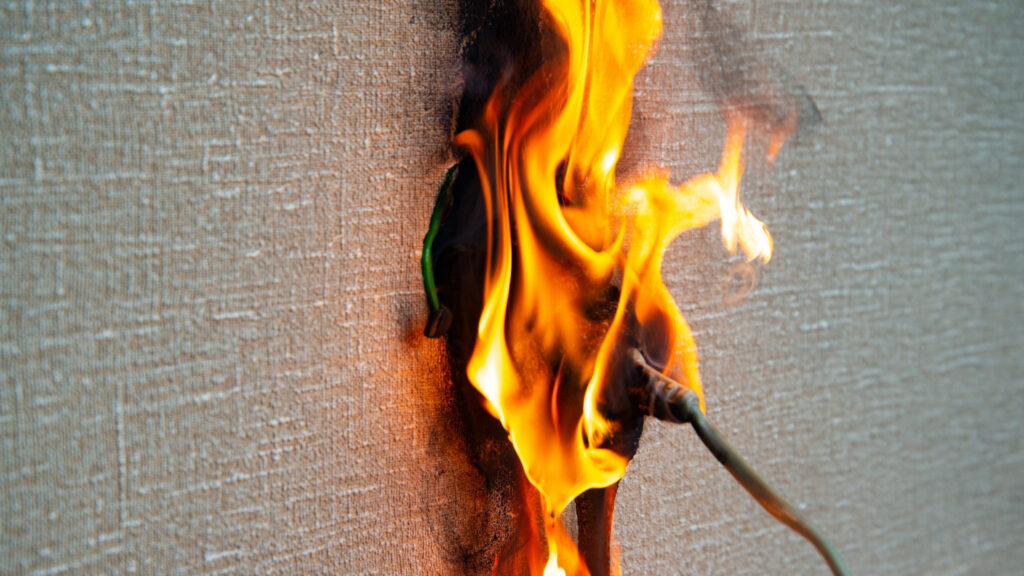
McLean, Virginia, is renowned for its luxurious homes featuring expansive square footage, premium appliances, and intricate electrical layouts. These high-end properties offer unmatched comfort and modern functionality. But beneath the beauty lies a risk that many homeowners often overlook: the potential for electrical fire hazards. With higher energy demands and complex systems, these homes require extra vigilance to remain safe.
It’s easy to assume that newer or well-maintained homes are immune to such issues, but the reality is quite the opposite. Sophisticated systems can hide warning signs until it’s too late, and minor oversights can have catastrophic results. Understanding where these electrical fire hazards originate is key to prevention.
The Reality of Electrical Fires in Upscale Homes
Every year, electrical fires cost homeowners billions in damages. In luxury neighborhoods like McLean, the scale and complexity of home systems add layers of vulnerability. Larger properties often contain more circuits and devices, which increases the likelihood of problems going undetected without regular inspections.
Outdated infrastructure, overloaded systems, and a false sense of security can lead to devastating outcomes. Recognizing where most electrical fire hazards emerge helps homeowners safeguard their investments and loved ones.
Common Causes of Electrical Fire
While McLean’s homes are known for their elegance and advanced technology, these very features can introduce unique electrical fire risks. Electrical systems under constant load or hidden behind walls can fail silently. Understanding the most frequent causes of electrical fire hazards is the first step toward prevention. Below are key contributors to these risks:
Overloaded Circuits in Luxury Homes
From gourmet kitchens with double ovens to garages equipped with EV chargers, the electrical load in high-end homes is substantial. When demand exceeds capacity, wires can overheat and ignite surrounding materials, one of the most common electrical fire hazards in large residences.
Aging Wiring Behind the Walls
Older McLean estates may still rely on knob-and-tube or aluminum wiring—both outdated and prone to faults. As insulation degrades, the chance of arcing increases, creating silent but serious electrical fire risks hidden behind walls.
Improper Lighting Installations and Dimmers
High-wattage bulbs in the wrong fixtures or unlicensed lighting work can push circuits beyond their safe limits. When combined with dimmers or retrofitted automation, the risks multiply, especially if wiring isn’t rated for the increased load.
Extension Cords and Overused Power Strips
Temporary power solutions often become permanent. Extension cords used under rugs or for high-draw appliances like heaters and entertainment systems can fray and overheat, becoming dangerous electrical fire hazards over time.
Space Heaters and Fireplace Inserts
Portable heaters and electric fireplace units add cozy ambiance but can become fire hazards if misused. When placed too close to flammable materials or left unattended, they increase the chances of ignition, particularly in bedrooms and basement areas.
Smart Home Tech Overloads
Smart thermostats, lighting, and security systems require consistent, well-balanced power. Improperly installed hubs or retrofitted automation can cause circuits to overload and devices to overheat, compounding electrical fire hazards.
Faulty Built-In Appliances
Hardwired appliances such as ovens, dishwashers, and wine fridges may develop internal faults over time. If left uninspected, they can trigger arching or short-circuiting within appliance housing, often unnoticed until it’s too late.
DIY Modifications and Renovation Shortcuts
Luxury home upgrades—heated floors, built-in speakers, or recessed lighting—introduce risk when performed without permits or professional oversight. Mistakes in grounding or load balancing during DIY work can significantly increase electrical fire hazards.

How to Prevent Electrical Fires in High-End Homes
Prevention is key in minimizing electrical fire risks. Here’s how McLean homeowners can stay protected:
- Schedule Annual Inspections: Hire a licensed electrician to assess wiring, panel capacity, outlets, and overall system health.
- Modernize Electrical Components: Replace outdated panels, breakers, and wiring with equipment that supports today’s energy demands.
- Install AFCIs and GFCIs: These interrupters detect abnormal current flow and shut down power before a fire can start.
- Use Outlets Wisely: Plug high-wattage appliances into dedicated outlets. Avoid power strips for permanent use.
- Invest in Quality Surge Protectors: Protect sensitive electronics from voltage spikes and overheating with certified devices.
- Educate Your Household: Teach family members to recognize warning signs: buzzing sounds, flickering lights, discolored outlets, or burning odors.
These simple yet critical actions significantly reduce electrical fire hazards in McLean homes.
What to Do If an Electrical Fire Starts
If a fire ignites due to an outlet, appliance, or electrical component:
- Cut the Power at the Breaker: Shut off power if safe to do so to stop the electrical current.
- Use Baking Soda or a Class C Extinguisher: Never use water. Use a Class C extinguisher or baking soda to smother the fire.
- Evacuate and Call 911: If the fire escalates or cannot be controlled, exit the home and seek emergency help.
Being prepared and reacting quickly is just as essential as prevention.
Conclusion
McLean homes may feature cutting-edge technology and impeccable design, but they are not immune to electrical fire risks. In fact, their complexity often increases vulnerability. By identifying hazards early, upgrading outdated systems, and relying on professional expertise, McLean homeowners can enjoy peace of mind and long-lasting safety.
If you’ve noticed electrical irregularities or need support after a fire, PuroClean of McLean is here to guide you through a fast and secure fire restoration process. Our experts work quickly to minimize damage, restore safety, and help you regain peace of mind.
FAQ
Q1. What does a faulty electrical spark smell like?
Ans: – A faulty spark often smells like burning plastic, rubber, or chemicals, signaling overheating or insulation failure.
Q2. Can high humidity increase electrical fire risks?
Ans: – Yes. Moisture can corrode electrical components or cause short circuits, especially in unsealed outlets.
Q3. Are battery-operated smart devices completely safe?
Ans: – Not entirely. They can still overheat or catch fire if damaged, overcharged, or stored improperly.
Q4. How often should electrical panels be inspected?
Ans: – Every 3–5 years for newer systems, and annually for homes over 20 years old or with major upgrades.
Q5. Can outdoor lighting lead to indoor electrical fire hazards?
Ans: – Yes, if poorly grounded or wired into indoor circuits, landscape lighting can contribute to internal system failures.