


Water in the basement can quickly turn from a small annoyance into a major problem, leading to structural damage, health risks, and costly repairs. Knowing how to prevent, address, and solve water issues is crucial for any homeowner. Let’s dive into the causes of basement flooding, effective water extraction methods, and prevention strategies to keep your basement dry and safe.
Why Do Basements Flood? Common Causes Uncovered
Before we jump into solutions, understanding why basements flood is key. Here are the main culprits:
1. Heavy Rain and Poor Drainage: Heavy rainfall can overwhelm home drainage systems. Without proper grading around your home, water can pool and seep into the basement.
2. Foundation Cracks: Over time, small cracks in the foundation can allow water to trickle in. As water pressure builds outside, it finds its way through these cracks.
3. Faulty Sump Pump: A sump pump is your first line of defense against basement flooding, but if it fails, there’s nothing to stop water from entering.
4. Hydrostatic Pressure: Water naturally presses against basement walls from the outside, and without proper waterproofing, this pressure can force water into your basement.
5. Leaking Pipes or Appliances: Basements often house water heaters, washing machines, and plumbing systems. A water leak from a pipe or broken appliance can lead to unexpected water buildup.
Emergency Water Extraction: Act Fast to Save Your Basement
A quick action in emergency water extraction can be the difference between saving your basement or facing extensive damage. Acting fast minimizes the risks of mold growth, structural damage, and loss of personal belongings.
Water in your basement isn’t just inconvenient—it poses health risks too. Standing water can breed bacteria, encourage mold growth, and weaken the foundation of your home. The key to managing this is immediate action, using effective extraction techniques with advanced water extraction equipment that can make a real impact in minimizing damage and restoring your basement quickly.
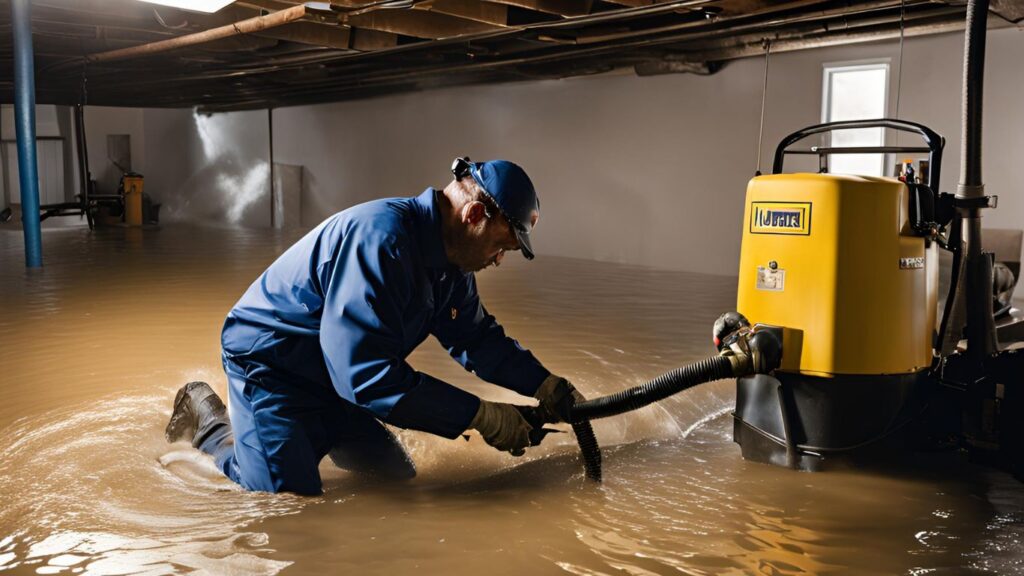
DIY Water Extraction Techniques That Work
While calling professionals is advisable for severe flooding, there are a few DIY techniques you can use to start the extraction process immediately. Here are some quick and effective methods for removing water from your basement:
- Use a Wet/Dry Vacuum: Great for shallow pooling, this tool quickly suctions water. Move methodically across the area to absorb all moisture.
- Water Pumping System: For deeper water, use a sump or utility pump, positioning it at the lowest point to pump out water efficiently. This water extraction equipment is ideal for handling significant amounts of water in the basement.
- Set Up Fans and Dehumidifiers: After water removal, fans and dehumidifiers help dry out lingering moisture, preventing mold.
- Absorb with Towels or Mops: For minor pooling, towels, and mops work well to stop water from spreading.
- Use Absorbent Materials or Sandbags: For active leaks, sandbags or absorbent barriers keep additional water out, allowing you to focus on extraction.
Remember, these DIY methods are most effective when used immediately after spotting water in your basement. Quick action is the key to saving your basement and keeping repair costs low.
When to Bring in the Pros
Certain water extraction scenarios demand more than a DIY solution and knowing when to call in professional help can save you time, money, and stress. Here are a few clear indicators that it’s time to bring in the experts:
- Significant Water Depth: If water levels are more than a couple of inches deep or continue to rise, you’re dealing with a more serious situation. Professionals have industrial-grade water extraction equipment to handle larger volumes of water quickly and effectively.
- Contaminated Water (Sewage or Flood Water): If the water is contaminated by sewage, chemicals, or other hazardous materials, it’s essential to let professionals handle it. Contaminated water poses health risks, and professionals have the proper equipment and protective gear to remove it safely.
- Structural Damage Risk: If there’s a risk of structural damage—like sagging walls, soaked insulation, or compromised flooring—it’s best to call in experts.
- Mold Growth Has Already Started: If water has been present for over 24-48 hours, mold growth may already be setting in. Professional water extraction teams also handle mold remediation, ensuring a complete and safe cleanup.
- Extensive Basement Finishes or Valuable Items at Risk: If your basement is finished or holds valuable items that are at risk, professional intervention can help you recover more quickly and prevent further losses.
In cases like these, professional water extraction services have specialized water extraction equipment and expertise that DIY methods can’t replace. Bringing in the pros ensures that your basement is thoroughly dried, safe from mold, and free from any residual water damage.

Step-by-Step Process of Water Extraction by Professionals
Professional water extraction follows a detailed process designed to address the immediate water problem and protect against future damage. Here’s how the experts, with their advanced water extraction equipment, handle it:
- Assessment and Inspection: Professionals start by assessing the flooded area and identifying the water source. This inspection helps them determine the severity of the situation, potential contamination (such as sewage or chemicals), and which tools and techniques will work best.
- Ensuring Safety and Shutting Off Utilities: Before extraction begins, the team ensures safety by turning off electricity and gas in the affected area. This reduces risks like electrical shock and makes the environment safer for the extraction process.
- Water Extraction Using Industrial-Grade Equipment: For large volumes of water, professionals use industrial-strength pumps to remove standing water quickly.
- Removing Damaged Materials: To prevent mold, it’s crucial to remove materials such as carpets, drywall, and insulation.
- Drying and Dehumidification: After the main water is removed, experts use high-powered fans, air movers, and dehumidifiers to dry out the space completely.
- Sanitizing and Cleaning: Professionals sanitize the contaminated area to kill bacteria, eliminate odors, and restore a clean environment.
- Final Inspection and Moisture Testing: Once everything appears dry, professionals conduct a thorough inspection, using moisture meters to confirm that no hidden water remains.
- Restoration and Repairs: Depending on the extent of the damage, professional services may include restoring the basement to its original condition. This can involve replacing drywall, carpeting, or repainting, ensuring the space is fully usable again.
Long-Term Solutions to Keep Basements Dry
A flood-free basement isn’t just about quick fixes—it requires a proactive, long-term strategy. Keeping water out of your basement involves preventative measures that address the root causes of flooding, from drainage issues to structural vulnerabilities. By investing in these solutions, you can protect your home, prevent costly repairs, and keep your basement dry and safe all year round.

1. Install a Sump Pump: A reliable sump pump with a battery backup is invaluable; it actively prevents flooding by pumping water out before it enters your basement, providing critical protection during heavy rains and power outages.
2. Seal Foundation Cracks: Repair cracks and waterproof your basement walls. Concrete sealants are effective at keeping out moisture, providing an extra layer of defense.
3. Grade Your Landscape: Ensure the ground around your home slopes away from the foundation to prevent pooling water. Proper grading channels rainwater away, reducing pressure on basement walls.
4. Maintain Gutters and Downspouts: Clogged gutters lead to water overflow, which can seep into your basement. Keep gutters clear and downspouts extended at least 3 feet away from the foundation.
5. Install French Drains: French drains capture and redirect groundwater, preventing it from building up near your basement. They’re ideal for homes prone to high groundwater levels.
Conclusion
Basement flooding can be overwhelming, but with the right knowledge and tools, you can handle it efficiently. At PuroClean of McLean, we know that understanding the causes, acting quickly, and implementing preventive measures can go a long way in keeping your basement dry and safe. When in doubt, our professional water extraction services are your best defense.
Equipped with advanced tools, our experts swiftly remove water, prevent mold growth, and restore your basement to a clean, dry condition. We address hidden moisture and repair water-damaged areas, giving you peace of mind with thorough, expert care. Don’t wait until small issues become costly problems—invest in prevention, and when needed, call PuroClean of McLean to protect your home from the lasting impacts of water damage.