 PuroClean of McLean and West Falls Church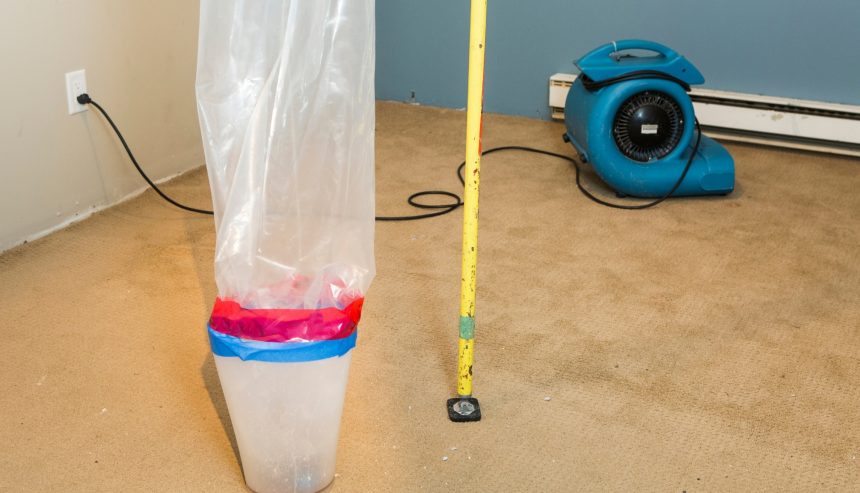
Water damage can disrupt your life in an instant. Whether it’s the result of a burst pipe, roof leak, storm, or appliance failure, the aftermath can be costly, stressful, and damaging to your property. It’s not just about drying a wet carpet. Moisture can seep deep into walls, foundations, and personal belongings, causing mold growth, structural issues, and long-term financial burdens.
To protect your home or business and recover quickly, it’s critical to understand the water damage restoration process. This step-by-step guide outlines what professionals do when disaster strikes, when you should seek expert help, and how to properly cleanup water damage to restore your space safely and efficiently.
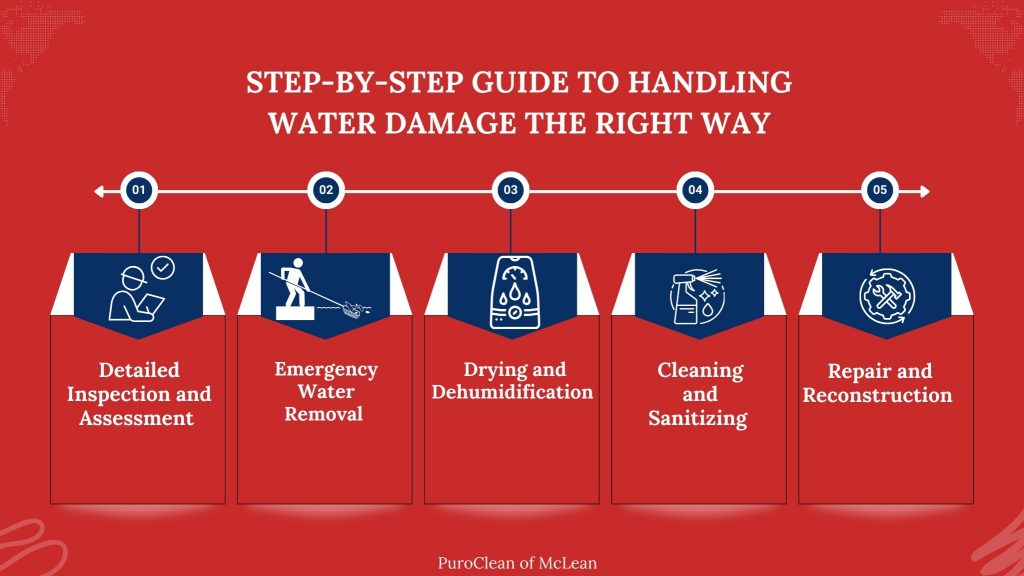
A Step-by-Step Guide to Handling Water Damage the Right Way
The water damage restoration process is designed to assess, remove, dry, clean, and repair damage caused by water intrusion. It’s not just about removing puddles. It’s a systematic approach to ensure structural safety, prevent mold, and restore indoor environments to their original condition.
Understanding each stage of the process can help homeowners and property managers make informed decisions during emergencies and avoid long-term complications.
Step 1: Detailed Inspection and Assessment
The first step in the damage restoration process is a comprehensive inspection. Restoration professionals identify the source of the water, evaluate how far it has spread, and categorize the type of water involved: clean, gray, or black water.
Advanced tools like infrared cameras and moisture meters are used to detect hidden moisture inside walls, floors, and ceilings. Without proper assessment, underlying damage may go untreated, leading to bigger problems in the future.
Step 2: Emergency Water Removal
Once the assessment is complete, professionals begin extracting standing water using industrial-grade vacuums and pumps. This rapid response phase is crucial to limit further damage.
During this phase, the team may also move furniture or remove carpets and baseboards to access saturated areas. Effective extraction is key to successful recovery and one of the most critical parts of the damage restoration process.
Even small areas can harbor moisture that damages structural materials or fuels mold growth. Fast, professional action during this stage minimizes those risks and forms the foundation for effective restoration.
Step 3: Drying and Dehumidification
After water removal, the next step is drying and dehumidifying the affected space. Specialized equipment, including commercial air movers and dehumidifiers, is deployed to eliminate moisture trapped in materials.
Technicians monitor humidity and temperature levels daily to ensure complete drying. This is one of the most time-sensitive and essential parts of the water damage restoration process, as improper drying can lead to mold, odor issues, and weakened structural components.
This step may take anywhere from 24 hours to several days, depending on the severity of the damage and the materials affected.
Step 4: Cleaning and Sanitizing
Once the area is dry, restoration professionals begin to clean up the damaged residue. This includes disinfecting affected areas to eliminate bacteria, mold spores, and other contaminants, especially in cases involving gray or black water.
Furniture, personal belongings, and surfaces are treated with antimicrobial and antibacterial agents. Deodorization techniques such as air scrubbers and fogging may also be used to eliminate musty or unpleasant odors left behind after the incident.
Proper cleaning ensures that the space is not only dry but also safe and livable again. It is a vital step that supports both health and indoor air quality during the water damage restoration process.
Step 5: Repair and Reconstruction
The final step of the water damage restoration process is rebuilding and repairing what was lost. Depending on the damage, this could involve patching drywall, reinstalling flooring, or rebuilding parts of the structure altogether.
Some restoration companies offer full reconstruction services, so you don’t have to hire multiple contractors. Whether it’s replacing baseboards or fully restoring an entire basement, the goal is to return your home or business to its pre-damage condition or better.
At this point, the job shifts from cleanup water damage to total restoration, helping clients recover both function and peace of mind.
Specialized Services During Restoration
Some properties may require additional services alongside the main damage restoration process. Mold remediation is often necessary if water was left untreated for more than 48 hours. It involves isolating affected areas, removing contaminated materials, and applying fungicidal treatments.
If the HVAC system has been affected, cleaning and disinfecting the ductwork is critical to prevent the spread of mold and bacteria throughout the property. Content restoration may also be needed. Items like photographs, documents, furniture, and electronics can be cleaned, dried, or restored using specialized techniques. Restoration experts evaluate each item to determine whether it can be salvaged during the cleanup water damage phase.
Insurance and Documentation
One of the most overlooked parts of the water damage restoration process is handling insurance. Many restoration companies work directly with insurance providers to simplify the claims process. They help document damages, photograph affected areas, and provide reports needed to support your claim.
It’s important to contact your insurance company immediately after discovering water damage. Depending on your policy, not all water-related incidents are covered. Floods, for example, often require a separate policy.
Thorough documentation, professional assessment, and timely action increase the likelihood of claim approval and reduce delays.
Preventing Future Water Damage
While no one can predict every emergency, there are practical ways to reduce the risk of future incidents. Installing water leak detectors in vulnerable areas, sealing gaps around windows and doors to prevent seepage, and regularly maintaining your sump pump and backflow valves can go a long way in protecting your home.
You should also inspect appliances, plumbing, and roofing regularly, especially before storm season. Being proactive minimizes the need for future emergency responses and reduces the likelihood of going through the damage restoration process again.
Final Thoughts
Water damage can be devastating, but the damage restoration process offers a clear, professional path to recovery. From immediate assessment and extraction to drying, sanitizing, and rebuilding, each phase plays a critical role in restoring safety and comfort.
Attempting to cleanup water damage on your own may seem cost-effective at first, but without the right tools and expertise, hidden issues can easily resurface. Partnering with a certified restoration team ensures that the job is done thoroughly, safely, and in compliance with health standards. When water strikes, act fast and trust the process that has been developed to bring your home from disaster.
FAQs
Q1. How long does the water damage restoration process take?
A: The timeline can vary based on the extent of damage, but typically ranges from 3 to 7 days. Larger or more severe cases may require longer periods for drying and repair.
Q2. Is mold guaranteed after water damage?
A: Not necessarily. If moisture is removed quickly and effectively, mold can be prevented. However, delays increase the risk significantly.
Q3. Are restoration companies available 24/7?
A: Yes. Most damage restoration companies offer emergency services around the clock to mitigate urgent risks.
Q4. What type of water damage is not covered by insurance?
A: Standard homeowners’ insurance often excludes flood damage. Coverage varies depending on the source of the water and your specific policy.
Q5. Can water-damaged electronics be saved?
A: Sometimes. Restoration experts can dry and clean electronics, but success depends on the duration of exposure and how quickly action is taken.


 PuroClean of McLean and West Falls Church