


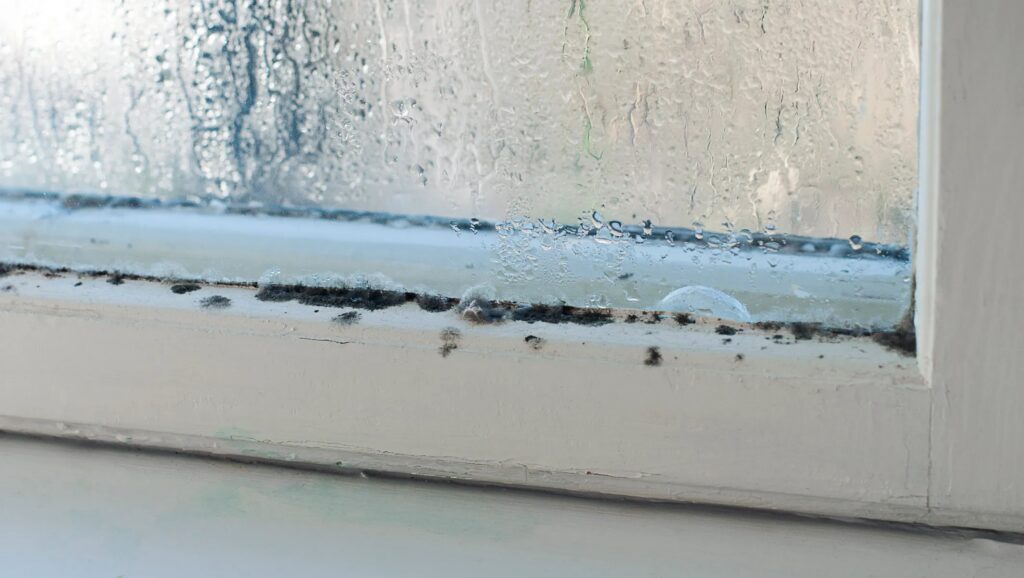
The winter months bring cozy nights indoors, but also increase the risk of mold growth. As we seal up our homes against the cold, we can inadvertently trap moisture, creating the perfect breeding ground for mold. This insidious problem can lead to a range of health issues, from allergies and respiratory problems to more serious conditions. Yes, winter in Florida typically occurs from December to February. The coldest month is usually January.

When does winter start in Florida?
- The winter solstice is on December 21.
- Meteorological winter begins on December 1.
- The first cooler air usually arrives in mid-October.
How cold does it get in Florida?
- January is the coldest month, with average lows of 63°F (17°C) and highs of 76°F (24°C) in Miami.
- It’s rare for Florida to have snow, but it has happened.
What to expect during winter?
- Freezing iguana warnings may occur in January.
- Cold fronts can bring freezing temperatures and a slim chance of snow flurries.
Where to visit in Florida during winter?
- Saint Augustine, Sarasota, and Fort Lauderdale are popular destinations.
- January and February are the least crowded months.
Mold thrives in damp, dark environments. During the winter, factors like reduced sunlight, increased indoor humidity, and condensation can all contribute to its growth. This blog post will explore the key areas where mold can flourish in your home and provide practical tips for prevention and control.
Understanding Mold and Its Impact
Mold is a type of fungus that grows in a variety of forms, from fuzzy patches to slimy growths. It reproduces through microscopic spores that can easily spread throughout your home.
Health Effects of Mold Exposure:
- Respiratory Issues: Mold can trigger or worsen allergies, asthma, and other respiratory problems. Symptoms may include coughing, sneezing, wheezing, and difficulty breathing.
- Eye and Skin Irritations: Mold exposure can cause eye irritation, skin rashes, and even sinus infections.
- Neurological Symptoms: In some cases, mold exposure has been linked to headaches, fatigue, and cognitive difficulties.
- Immune System Weakening: Prolonged exposure to mold can weaken the immune system, making you more susceptible to other illnesses.
Common Mold Hiding Spots in Your Home
Mold can appear in various locations throughout your home. Here are some of the most common areas to check:
- Bathrooms: High humidity levels from showers, baths, and even everyday activities like brushing teeth can create ideal conditions for mold growth. Look for mold in grout, around sinks and tubs, on shower curtains, and even on ceiling tiles.
- Kitchens: Kitchens can be a breeding ground for mold due to spills, food debris, and high humidity from cooking and dishwashing. Check under sinks, around appliances, and in corners and crevices.
- Basements: Basements are particularly susceptible to mold due to their proximity to the ground, which can lead to moisture issues. Look for mold on walls, floors, ceilings, and around windows.
- Attics: Poor ventilation and condensation can lead to mold growth in attics. Check for signs of mold on insulation, framing, and stored items.
- Crawl Spaces: Similar to basements, crawl spaces can be damp and dark, creating ideal conditions for mold.
- Around Windows and Doors: Condensation can form on windows and doors, especially during the winter months. Check for mold growth around window frames, door jambs, and in window sills.
- Behind Furniture: Mold can grow behind furniture, especially in areas with poor air circulation.
- On Textiles: Mold can grow on fabrics like carpets, curtains, and upholstered furniture, especially if they become damp.
Preventing Mold Growth in Your Home
Proactive measures are key to preventing mold growth. Here are some essential tips:
1. Control Indoor Humidity:
- Aim for 35-45% Relative Humidity: Use a hygrometer to monitor indoor humidity levels.
- Dehumidifiers: Utilize dehumidifiers, especially in basements and other moisture-prone areas.
- Proper Ventilation: Use exhaust fans during showers, cooking, and dishwashing.
- Limit Moisture Sources: Fix leaky pipes and faucets promptly.
2. Improve Ventilation:
- Open Windows: When weather permits, open windows to allow for fresh air circulation.
- Use Exhaust Fans: Ensure proper ventilation in bathrooms, kitchens, and laundry rooms.
- Check HVAC Systems: Clean or replace HVAC filters regularly to improve air quality.
3. Regular Cleaning and Maintenance:
- Vacuum Regularly: Vacuum carpets, rugs, and hard floors frequently to remove mold spores and other allergens.
- Clean Surfaces: Wipe down surfaces regularly with a damp cloth or disinfectant.
- Inspect for Leaks: Regularly check for leaks in pipes, roofs, and around windows and doors.
- Maintain Gutters and Downspouts: Ensure proper drainage to prevent water from accumulating around your foundation.
4. Address Specific Areas:
- Bathrooms: Use mold-resistant caulk and sealants around tubs, showers, and sinks. Clean shower curtains and bath mats regularly.
- Kitchens: Wipe down countertops and appliances after each use. Clean spills immediately.
- Basements: Use a dehumidifier and improve drainage. Consider installing a sump pump.
- Attics: Ensure proper ventilation and insulation.
- Crawl Spaces: Cover the soil with a moisture barrier and improve ventilation.
5. Choose Appropriate Materials:
- Mold-Resistant Paints and Sealants: Use mold-resistant paints and sealants in bathrooms, kitchens, and other high-humidity areas.
- Washable Rugs and Fabrics: Opt for washable rugs and fabrics in areas prone to moisture.
- Avoid Wall-to-Wall Carpeting: Consider using tile, hardwood, or other moisture-resistant flooring in bathrooms, kitchens, and basements.
6. Store Items Properly:
- Avoid Storing Items in Damp Areas: Keep books, paper, and clothing away from damp areas like basements and crawl spaces.
- Use Airtight Containers: Store items in airtight containers to protect them from moisture.
7. Prevent Condensation:
- Proper Insulation: Ensure proper insulation in your attic and walls to prevent temperature fluctuations and condensation.
- Seal Air Leaks: Seal any air leaks around windows, doors, and other openings to prevent cold air from entering and warm air from escaping.
8. Address Allergens:
- Regularly Clean Bedding: Wash bedding in hot water weekly to remove dust mites and other allergens.
- Use Air Purifiers: Consider using air purifiers with HEPA filters to remove allergens from the air.
- Control Pet Dander: Keep pets out of bedrooms and groom them regularly.
9. Professional Mold Remediation
If you suspect a mold problem in your home, it’s crucial to address it promptly. Attempting to remediate mold yourself can be dangerous and may not be effective.
When to Call a Professional:
- Visible Mold Growth: If you see visible mold growth in any area of your home.
- Musty Odor: If you notice a musty or earthy odor in your home.
- Health Concerns: If you or someone in your household experiences health problems that may be related to mold exposure.
- Extensive Water Damage: If you have experienced significant water damage, such as a flood or a burst pipe.
PuroClean of Melbourne: Your Trusted Partner for Mold Remediation
PuroClean of Melbourne offers professional mold remediation services to restore your home to a safe and healthy environment. Our experienced technicians utilize industry-leading techniques and equipment to:
- Assess the Mold Problem: Conduct a thorough inspection to determine the extent of the mold infestation.
- Develop a Remediation Plan: Create a customized remediation plan based on the specific needs of your home.
- Remove Mold Safely and Effectively: Utilize specialized equipment and techniques to safely remove mold from all affected areas.
- Restore Your Home: Repair any water damage and restore your home to its pre-loss condition.
- Prevent Future Mold Growth: Provide recommendations for preventing future mold growth.
Contact PuroClean of Melbourne Today For Mold Restoration in Florida
Don’t let mold compromise the health and safety of your family. Contact PuroClean of Melbourne today for a free mold inspection and a no-obligation quote.
PuroClean of Melbourne property restoration experts are available 24/7 to help with fire damage, water damage restoration, mold remediation, biohazard cleanups, and more. As the “Paramedics of Property Damage®,” we are the first responders of property restoration, providing emergency service when you truly need it. We assist both residential and commercial clients. To schedule an appointment with the PuroClean of Melbourne office, please visit our website or call us at (321) 378-2400.
Instagram | Facebook | Direction | Check Reviews | Yelp
Conclusion
By following these preventative measures and addressing any mold issues promptly, you can create a healthier and more comfortable indoor environment for your family. Remember, early detection and intervention are key to preventing the spread of mold and minimizing its impact on your health.
Disclaimer: This blog post is for informational purposes only and should not be considered medical or professional advice. 1 If you have concerns about mold exposure or its impact on your health, consult with a qualified healthcare professional.