


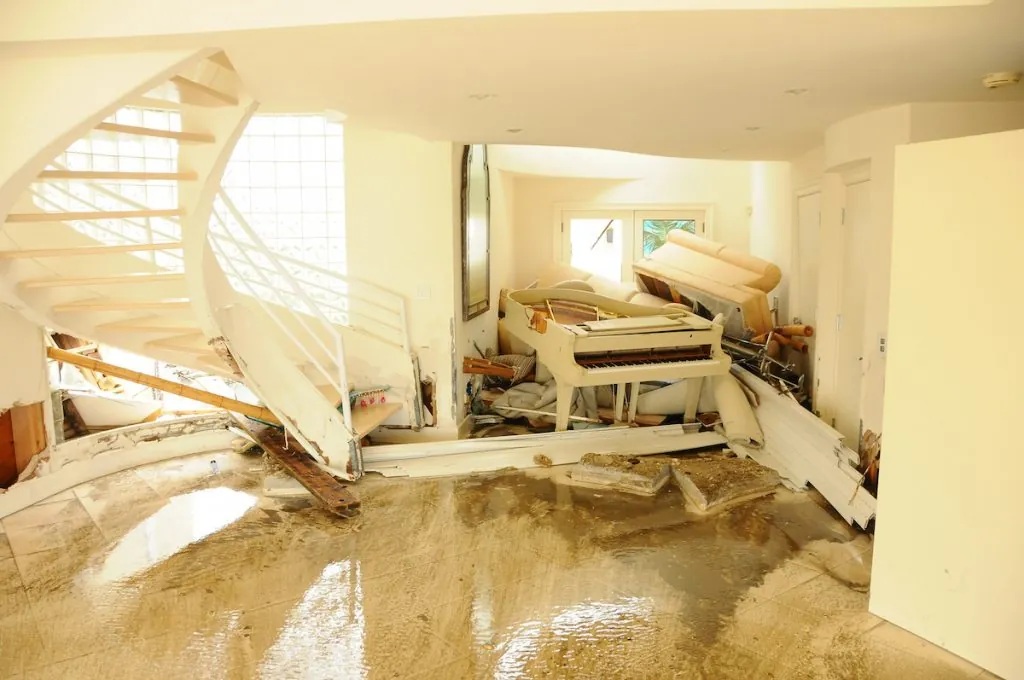
The silence that follows a flood is often the most unsettling. After the water recedes, you’re left with a surreal landscape of loss, where everything you’ve worked for and held dear has been touched by a destructive force. Among the most visible and heart-wrenching casualties are often the pieces of furniture that make a house a home the dining table where you gather for family meals, the comfortable armchair where you read, or the cherished antique dresser passed down through generations.
Water Damage Restoration in Melbourne, FL
The thought of losing these items forever can be overwhelming. The financial burden is one thing, but the emotional weight of a lost heirloom or a piece with special meaning can feel immense. You may be asking yourself, “Is this salvageable?” and “Where do I even begin?”

At PuroClean of Melbourne, we understand these feelings completely. We’ve seen firsthand the devastation that water damage can cause, and we’ve also seen the incredible resilience of homeowners determined to reclaim their lives. While water damage restoration is our expertise, we believe in empowering our community with knowledge. That’s why we’ve put together this comprehensive guide on how to restore flood-damaged furniture. Our goal is to equip you with the information you need to take immediate action, understand the limitations of DIY restoration, and know when to call in the professionals—the “Paramedics of Property Damage” who can truly save your cherished belongings.
Read Also: Flash Flood Facts: 15 Must-Know Facts in 2025
Natural catastrophes can strike at any time and affect anyone. Although locations in flood zones are prone to flooding, a terrible storm might cause flooding where it wouldn’t normally occur. Flooding may cause significant damage to your home and its contents, including flood-damaged furniture.
If you have furniture that was damaged in a flood, don’t worry. There is hope for restoring it. Whether or not your wet furniture can be saved after a flood will depend on the type of furniture you have and the magnitude of flooding in your home. Solid wood furniture has a better chance of being salvaged than upholstered or particleboard furniture because they are less porous.
Water damage restoration is usually more detailed than a normal furniture restoration project and, therefore, better left to professionals. There are some steps you can choose to take without the assistance of a professional company. Here is some more information about flood-damaged furniture and what you should consider if you want to restore your furniture piece after a less impactful flood.
This guide will walk you through the entire process, from the crucial first steps to the detailed restoration techniques for different types of furniture. We’ll also be upfront about the challenges and the critical moments when a professional’s touch is not just helpful but essential.
The Immediate Aftermath: Safety and Initial Assessment
The first moments after a flood are a race against the clock, but before you rush into action, you must prioritize your safety. Floodwater is a toxic soup of bacteria, chemicals, and other contaminants. There are also hidden dangers like live electrical wires and weakened structural elements.
Your Safety Comes First:
- Wear Protective Gear: Always wear waterproof boots, heavy-duty gloves, and a mask to protect yourself from contaminated water and potential mold spores.
- Cut the Power: Do not enter a flooded area until the main power supply has been turned off. Even a few inches of water can be a deadly conductor of electricity.
- Assess Structural Integrity: Be mindful of compromised floors, walls, and ceilings. If you have any doubts, do not enter the building.
Once you’ve ensured your safety, you can begin the initial assessment of your furniture. This step is critical because it will help you differentiate between what can be saved and what is a lost cause. This is a difficult but necessary part of the process.
Differentiating Between Salvageable and Unsalvageable Items:
Not all furniture is created equal when it comes to water damage. The materials, construction, and the type of floodwater (clean vs. contaminated) all play a significant role.
- Unsalvageable Items:
- Particleboard, MDF, and Other Compressed Woods: These materials are essentially sawdust and glue. When they absorb water, they swell, lose their structural integrity, and often disintegrate. The glue also breaks down, making them impossible to restore to their original form. There is no saving furniture made from these materials after significant water exposure.
- Heavily Contaminated Items: If your furniture has been exposed to “black water” (sewage) or other highly contaminated water, it’s often a health hazard. The porous nature of wood and fabric makes it impossible to fully sanitize. The risk of illness from bacteria and pathogens is too high. In these cases, it is safest to discard the items.
- Items with Severe Structural Damage: If a piece has been completely submerged for a long time, the wood may have split, joints may have come apart, and the overall structure may be compromised. While some repairs are possible, it may not be worth the effort and expense.
- Potentially Salvageable Items:
- Solid Wood Furniture: This is the most promising category. Solid wood, while susceptible to warping and swelling, can often be dried, cleaned, and refinished. The key is acting quickly and correctly.
- Metal Furniture: Metal items are generally durable. The main concern is rust, which can be cleaned and treated.
- Upholstered Furniture (with a caveat): Upholstery can be very difficult to restore. The fabric, padding, and foam can absorb a tremendous amount of water and become a breeding ground for mold. However, some items, particularly those with a sturdy wood frame and removable covers, may be salvageable with professional cleaning and drying.
The Golden Rule: Documentation is Key
As you assess the damage, take a moment to document everything. Use your smartphone to take detailed photos and videos of the damage, both before and after you move items. This documentation will be invaluable when you file an insurance claim, providing a clear record of the losses you’ve incurred.
What Causes Water-Damaged Furniture?
The main reason furniture becomes water-damaged is due to the moisture it absorbs. This can come from a number of sources, including:
- Flooding
- Hurricanes
- Rain
- Seawater
- Leaky roofs or windows
How Does Water Damage Furniture?
When furniture absorbs water, it may create a number of issues. Wood, fabric, and leather goods respond differently to water damage. Here’s how:
Wood Furniture
Wooden furniture is affected by water damage in a few different ways. The most common problem is that the wood swells and warps. Swollen wood furniture is not just unsightly, but in many instances, it can make the furniture difficult to use or even cause it to break. The other issue with wooden furniture is that moisture content can cause the wood to rot. If the water damage is left untreated, the furniture can eventually fall apart.
Upholstered Furniture
Upholstered furniture is more likely to become water-damaged than wooden furniture because it absorbs more excessive moisture. The fabric on upholstered furniture can become moldy and mildewed if it’s exposed to water for too long. The foam inside the cushions can also become wet and start to smell bad.
Leather Furniture
Leather furniture is also susceptible to water damage. If the leather gets wet, it can start to rot and crack. In extreme cases, the leather can even fall apart.
The Race Against Mold: Immediate Actions
Once you’ve identified which pieces might be saved, the clock starts ticking. Mold can begin to grow on wet surfaces in as little as 24 to 48 hours. Your immediate actions will determine whether your furniture can be saved.
Step 1: Move the Furniture to a Dry, Ventilated Space
The first and most critical step is to get the furniture out of the standing water and into a clean, dry, well-ventilated area. This could be a garage, a covered patio, or a spare room with windows.
- Careful Handling: Wet furniture is heavy and structurally compromised. Be careful when lifting and moving items to avoid causing further damage. Lift from the base, and use an extra person to help with larger pieces.
- Elevate the Items: Do not place the wet furniture directly on a concrete floor or against a wall. Use plastic blocks, sawhorses, or even paint cans to elevate the furniture and allow air to circulate around all sides.
Step 2: Initial Cleaning and Deodorizing
This is not a deep clean, but a crucial first step to remove surface mud, silt, and grime.
- Wipe Down: Using a clean, dry cloth, wipe off as much surface debris as you can. A soft brush can help with hard-to-reach areas.
- Basic Disinfection: Create a mild cleaning solution (e.g., a few drops of dish soap in a bucket of water) and use it to gently wipe down all surfaces. For a more thorough disinfection, a solution of one part bleach to ten parts water is often recommended, but be careful with this on finished wood as it can cause discoloration. Always test a small, inconspicuous area first.
Step 3: Begin the Drying Process
Drying is the single most important part of the restoration process. It’s a slow and deliberate task that requires patience.
- Maximize Airflow: Open windows and doors to allow fresh air to circulate. Use fans, both box fans and oscillating fans, to create a strong airflow directed at the furniture.
- Utilize a Dehumidifier: A dehumidifier is a game-changer. It pulls moisture directly from the air, dramatically speeding up the drying process and preventing mold growth.
- Separate Components: For items like dressers, remove all the drawers. For upholstered pieces, take off all removable cushions and covers. This ensures that every surface gets the airflow it needs.
What Should I Do About Water Damage?
It’s important to act quickly and inspect your home and its contents as fast as possible. The more time that passes after a flood, the bigger the damage will be. You should reach out to a water damage remediation and restoration company immediately. PuroClean has the tools and knowledge to help you mitigate water damage and restore salvageable items.
Take photos of flood-damaged furniture; they will help you when filing an insurance claim. When deciding which items to salvage, take into account the severity of the damage, sentimental value, and the cost of restoration. A water damage restoration company can help you work through this process.
If possible, move salvageable furniture to a dry area to begin the drying process. If a piece of furniture is too heavy to move, consider placing wood blocks or aluminum foil under the legs to protect it from the wet floor.
How Can I Restore My Flood-Damaged Furniture?
There are a few different ways to repair furniture that has been water-damaged. The best way to determine the appropriate method to restore your furniture depends on the type of furniture and the type of damage it has sustained.
If The Furniture Is Wet
Wood furniture must be air-dried with the help of fans in a shaded and well-ventilated area. Furniture should not be exposed to direct sunlight, as it may cause wood to crack or distort. It’s also important to dry wood furniture slowly to avoid warping. This is because saturated wood expands when wet but shrinks when dry; if the process happens too quickly, warping will occur. Solid wood furniture is more resistant to water damage and can usually be salvaged.
First, the entire furniture surface must be clear of any dirt or mildew. Then, the piece should be dried completely and re-glued where necessary. Don’t attempt to use force to open or close swollen doors or drawers. To help solve the problem, air should be allowed to circulate until the wood dries fully.
Upholstered furniture that has been soaked in floodwater is usually not worth saving, as contaminants are very hard to remove. If you choose to restore heavily soaked upholstered furniture, professional restoration services are required.
Upholstered furniture can sometimes be salvaged if it just comes in contact with a small amount of clean water during the flooding. In this case, separate upholstery fabrics and other colored items to prevent color bleeding, then completely dry the furniture to prevent mold or mildew.
A Deep Dive into Different Furniture Types
Now we get to the specifics. The restoration process varies significantly depending on the material of the furniture.
Restoring Solid Wood Furniture
Solid wood is resilient, but it requires a careful hand. The goal is to dry it slowly and evenly to prevent warping, cracking, and splitting.
1. Disassembly: The more you can take apart, the better. Remove drawers, doors, and all hardware (hinges, knobs, pulls). Clean and dry the hardware separately.
2. The Slow Drying Process: This is where most people make mistakes.
- No Direct Heat: Do not use heaters, blow dryers, or direct sunlight. Rapid drying causes the wood to contract unevenly, leading to severe cracking and warping.
- Controlled Environment: Continue to use fans and dehumidifiers. Place spacers or small blocks of wood between drawers and their frames to allow air to circulate freely.
- Monitor for Warping: As the wood dries, you may notice some warping. If possible, gently clamp the piece to a flat surface to help it retain its shape.
3. Cleaning and Sanitizing:
- Remove Water Stains: Water can leave a dark stain on wood. For minor stains, you can try a mixture of baking soda and water, or a specialized wood stain remover. For deeper stains, you may need to sand and refinish the area.
- Mildew Removal: If you see any signs of mildew, use a stiff brush and a solution of equal parts white vinegar and water. Scrub the affected area, and then wipe it dry.
- Final Cleaning: Once the wood is completely dry, use a wood cleaner to remove any remaining grime and prepare the surface for refinishing.
4. Refinishing:
- Stripping: Use a chemical stripper to remove the old finish. This is an essential step to ensure the new finish adheres properly.
- Sanding: Sand the wood, starting with a coarse grit (around 100-120) and moving to a finer grit (220) for a smooth surface.
- Sealing and Finishing: Apply a wood sealer to prevent future moisture damage. Then, apply your chosen stain and a protective top coat (polyurethane, varnish, etc.). Make sure to apply a sealant to the underside and all unexposed surfaces to prevent future moisture absorption.
Restoring Upholstered Furniture
This is the most challenging category for DIY restoration. The internal structure of upholstered furniture is a perfect environment for mold and mildew.
1. Initial Assessment: Is it worth the risk and effort? If the item has been submerged for a long time, or if the water was contaminated, it’s almost always unsalvageable. The foam and padding inside will likely never dry completely and will become a permanent source of mold.
2. The Professional Approach: This is one area where we at PuroClean of Melbourne strongly advise calling a professional. We have the specialized equipment and expertise to handle this safely and effectively.
- Industrial-Grade Extraction: We use powerful wet vacuums to extract as much water as possible from the fabric, padding, and foam.
- Deep Cleaning: Our technicians use EPA-approved, hospital-grade cleaning agents to kill bacteria, mold, and other pathogens.
- Deodorizing: We have advanced deodorization techniques to eliminate the musty, foul odors that floodwater leaves behind.
- Advanced Drying: We use industrial-strength dehumidifiers and air movers to create a controlled drying environment that is much more effective than DIY methods.
3. If You Must DIY (Warning: High Risk):
- Remove All Covers and Cushions: Wash any removable, machine-washable covers immediately.
- Extract Water: Use a wet/dry shop vac to suck as much water as you can from the furniture.
- Dry Thoroughly: Position fans and a dehumidifier to create a constant airflow. Do not assume the item is dry just because the outside feels dry. The interior can remain wet for weeks, leading to hidden mold growth.
Restoring Metal and Leather Furniture
Metal Furniture:
- Rust is the Enemy: The key is to dry metal furniture as quickly as possible to prevent rust.
- Cleaning and Treatment: Use a wire brush and a commercial rust remover to scrub away any rust.
- Restoration: Once clean and dry, prime and repaint the metal to protect it from future corrosion.
Leather Furniture:
- Slow Drying: Never use direct heat on leather. It will become brittle, crack, and shrink. Gently wipe away all mud and water, then let the leather dry slowly in a well-ventilated room.
- Conditioning: As the leather dries, it loses its natural oils. Once it is completely dry, you must apply a high-quality leather conditioner to restore its suppleness and prevent cracking. Apply the conditioner generously and rub it in with a soft cloth.
The Role of Professional Restoration Services
While a DIY approach can be effective for some items, there are countless reasons why calling a professional is the smartest, safest, and most effective course of action. Water damage restoration is a science, and it requires specialized knowledge and equipment.
Why DIY Often Falls Short:
- Hidden Moisture: A moisture meter is a specialized tool that professionals use to detect hidden water within walls, under floors, and deep within furniture frames. You can’t see or feel this hidden moisture, and it’s a primary source of mold growth.
- Inadequate Drying: A household fan and dehumidifier are simply not powerful enough to handle a significant water damage event. Our professional-grade equipment can dry materials faster and more thoroughly.
- Health and Safety: Floodwater is a serious health hazard. Our technicians are trained to handle contaminated materials safely and to use EPA-approved disinfectants that kill bacteria and mold without harming you or your family.
- Mold Mitigation: If mold has already started to grow, a simple cleaning won’t cut it. Our team is trained in mold remediation, and we know how to contain the problem and safely remove all traces of it.
Read Also: What to Do If There is Flooding in Brevard County in 2025
The PuroClean of Melbourne Advantage:
When you call us, you’re not just getting a cleaning service; you’re getting a dedicated partner in your recovery. Here’s what you can expect from our comprehensive restoration process:
- 24/7/365 Emergency Response: We are always on call. The faster we arrive, the better the chance of saving your furniture and property. We are the “Paramedics of Property Damage” for a reason.
- Detailed Assessment: Our certified technicians use state-of-the-art moisture detection equipment to identify all areas affected by water, including those you can’t see. We’ll create a detailed plan and provide you with a transparent quote.
- Water Extraction and Structural Drying: We use powerful pumps and extractors to remove all standing water, followed by a strategic setup of air movers and dehumidifiers to thoroughly dry the area and your furniture.
- Cleaning and Disinfection: We apply powerful, professional-grade cleaning and sanitizing agents to kill bacteria, viruses, and mold. We also use specialized techniques to clean and restore wood and other materials.
- Odor Removal: We have advanced deodorization techniques that don’t just mask odors but eliminate them at their source, leaving your home smelling fresh and clean.
- Direct Insurance Communication: We can work directly with your insurance company to streamline the claims process, providing them with the detailed documentation and reports they need.
Conclusion: Don’t Face This Alone
Restoring flood-damaged furniture is a daunting task, but it is not an impossible one. By acting quickly, assessing the damage carefully, and understanding the limitations of DIY solutions, you can significantly increase the chances of saving your cherished items.
However, the most effective and safest way to handle a flood event is to trust the professionals. The emotional and financial stress of a flood is immense; don’t add to it by risking your health or the structural integrity of your belongings.
If you’ve experienced water damage in your home, the best thing you can do for your furniture—and your peace of mind—is to call in the experts. Don’t face this alone. Contact PuroClean of Melbourne today for a rapid, expert response to your water damage emergency. We’re here to help you get back to normal, restoring not just your furniture, but your life.
Call PuroClean of Melbourne Today for Help with Water Damage Remediation and Restoration!
While you can work to restore your furniture, remember that water damage is often a bigger problem than what you can see. From burst pipes to natural floods, a swift and professional response is essential to prevent mold growth and further structural damage.
That’s where PuroClean of Melbourne comes in. Our trained and certified professionals are standing by 24/7 to provide fast, effective water damage remediation and restoration services. We don’t just clean up the mess; we restore your home to a pre-damage condition.
For a fast response and expert help, contact your local PuroClean office today at (321) 321-3213. You can also explore our full range of services on our website.