


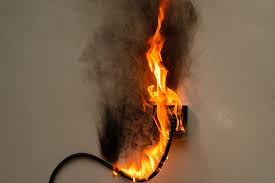
When a small fire breaks out in your Melbourne, Florida home, the immediate response is often one of relief once the flames are extinguished. The fire didn’t spread. The structure is intact. The damage seems minimal. However, what many homeowners fail to realize is that the fire itself is only part of the problem. Smoke damage, invisible toxins, and hidden residues can pose serious health risks and cause long-term structural deterioration that manifests months or even years after the incident.
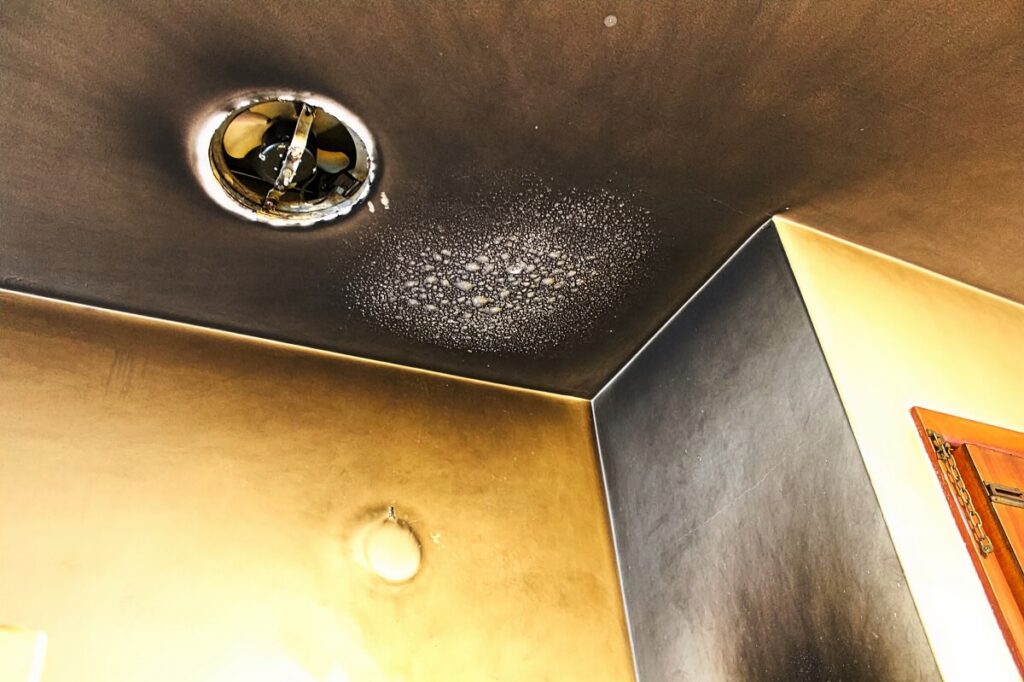
In 2026, as homes become increasingly filled with synthetic materials and modern furnishings, the composition of smoke damage has evolved dramatically. Today’s fires produce a complex cocktail of toxic chemicals that require specialized knowledge and equipment to properly remediate. This comprehensive guide explores the critical aspects of smoke damage cleanup that homeowners commonly overlook, potentially compromising their family’s health and their property’s value.
The Invisible Threat: Understanding Modern Smoke Composition
The smoke produced by today’s household fires is fundamentally different from what previous generations encountered. Modern homes contain synthetic materials, plastics, treated fabrics, electronics, and composite building materials that release hazardous chemicals when burned. These materials produce smoke containing volatile organic compounds (VOCs), carbon monoxide, formaldehyde, benzene, and other carcinogenic substances.
Unlike the primarily carbon-based soot from wood fires of the past, contemporary smoke damage involves acidic residues that actively corrode metal, etch glass, and deteriorate various building materials. The particles are microscopically small, allowing them to penetrate deep into porous surfaces, infiltrate HVAC systems, and embed themselves in areas that seem completely untouched by the fire.
Many homeowners make the critical mistake of assuming that if an area doesn’t show visible soot or smell strongly of smoke, it hasn’t been affected. This misconception leads to incomplete cleanup efforts that leave harmful residues throughout the home. Smoke particles travel through the smallest cracks, settle in hidden cavities, and continue releasing toxic fumes long after the fire is extinguished.
The First Critical Hours: Why Immediate Action Matters
The window for preventing permanent smoke damage is surprisingly short. Within the first 24 to 48 hours after a fire, acidic soot begins chemically bonding with surfaces, making removal exponentially more difficult. Metal fixtures start corroding, painted surfaces yellow and discolor, and porous materials absorb smoke residues deep into their structure.
During this critical period, homeowners often make several devastating mistakes. The first is attempting to clean smoke damage themselves without understanding proper techniques. Using standard household cleaners or water on smoke-damaged surfaces can actually drive the residue deeper into materials or cause chemical reactions that worsen the damage. Scrubbing without the correct cleaning agents can permanently stain surfaces or spread contamination to previously unaffected areas.
Another common error is failing to secure the property properly. Opening windows and doors without proper ventilation strategies can distribute smoke particles throughout the entire home rather than removing them. Running the HVAC system before professional inspection can circulate contaminated air and embed particles throughout the ductwork, requiring extensive system remediation.
The psychological impact of seeing your home damaged also plays a role in decision-making. Homeowners desperate to return to normalcy may rush the cleanup process, focusing on cosmetic improvements while neglecting the thorough decontamination necessary for a safe living environment. This understandable desire to move forward quickly often results in incomplete remediation that creates problems down the road.
Hidden Areas Where Smoke Damage Lurks
Professional restoration technicians understand that smoke follows the path of least resistance, traveling through your home in ways that defy intuition. While you might focus on the room where the fire occurred, smoke particles settle in locations throughout the property that homeowners rarely consider.
HVAC Systems and Ductwork: Your heating and cooling system acts as a distribution network for smoke particles. Even if the fire occurred in a single room with the door closed, any HVAC operation during or after the fire can spread contamination throughout every room the system serves. The interior of ducts, the air handler unit, and the filter housing require specialized cleaning that goes far beyond simply replacing the air filter.
Wall Cavities and Insulation: Smoke infiltrates wall cavities through electrical outlets, light switches, and any penetrations in drywall. Once inside these spaces, it contaminates insulation material, which acts like a sponge for smoke particles. This hidden damage continues releasing odors and harmful substances even after all visible surfaces have been cleaned. In many cases, contaminated insulation must be completely removed and replaced.
Attic Spaces: Heat and smoke naturally rise, making attics particularly vulnerable to extensive contamination even from small fires on lower floors. The porous nature of attic insulation, combined with typically poor ventilation, creates an environment where smoke damage persists indefinitely without professional intervention. Homeowners rarely venture into their attics, allowing this contamination to go unnoticed while it impacts indoor air quality.
Behind Kitchen Cabinets and Appliances: Spaces behind installed cabinetry, appliances, and built-in fixtures provide perfect hiding spots for smoke residue. These areas are difficult to access and clean thoroughly, yet they contribute significantly to persistent smoke odors. The backs of cabinets, the walls behind refrigerators, and the spaces around plumbing and gas lines all require attention during proper remediation.
Inside Closed Storage Areas: Closets, cabinets, and drawers that were closed during the fire may seem protected, but smoke infiltrates these spaces through the smallest gaps. Contents stored in these areas absorb smoke particles and continue emitting odors. Many homeowners discover months later that clothing, linens, and personal items they thought were safe are actually contaminated.
Subflooring and Carpet Padding: When smoke residue settles on carpets, it doesn’t stop at the surface. It penetrates through the carpet fibers into the padding beneath and can even stain subflooring. Surface cleaning of carpets addresses only a fraction of the problem, which is why professional restoration often involves removing and replacing both carpeting and padding in affected areas.
The Health Implications of Incomplete Cleanup
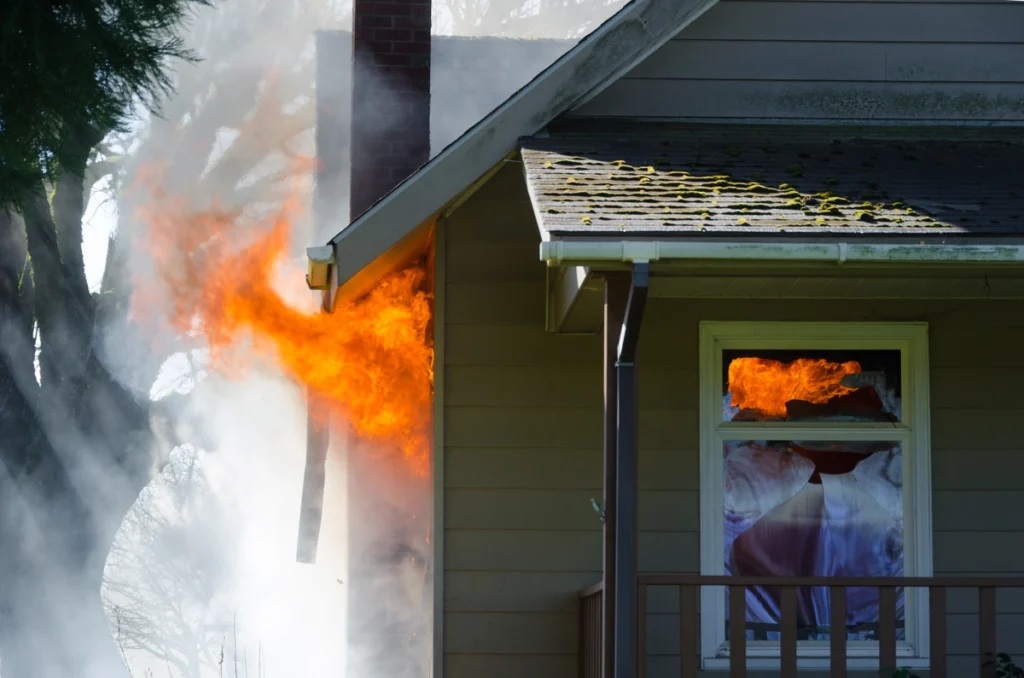
The health consequences of living in a home with residual smoke damage extend far beyond unpleasant odors. The complex mixture of chemicals present in modern smoke creates both immediate and long-term health risks that many homeowners underestimate.
Respiratory issues top the list of health concerns. Smoke particles and residual VOCs irritate the respiratory system, potentially triggering asthma attacks, chronic bronchitis, and other pulmonary conditions. Children, elderly individuals, and those with pre-existing respiratory conditions face heightened vulnerability. What starts as occasional coughing or throat irritation can develop into serious chronic conditions when exposure continues over months or years.
Neurological effects from smoke exposure have gained increasing attention in recent years. Chemicals like benzene, formaldehyde, and other VOCs released by smoke-damaged materials can cause headaches, dizziness, difficulty concentrating, and memory problems. Long-term exposure to these neurotoxins poses risks that researchers are still working to fully understand.
Skin irritation and allergic reactions commonly occur in homes with inadequate smoke cleanup. Residual acidic compounds cause rashes, itching, and aggravate existing skin conditions. Touching contaminated surfaces transfers these irritants directly to skin, and particles settling on bedding and furniture create constant exposure during sleep and rest.
The psychological toll cannot be overlooked either. The persistent smoke odor serves as a constant reminder of the traumatic event, potentially contributing to anxiety, stress, and difficulty sleeping. Beyond the emotional impact, these odors signal the presence of harmful contaminants that your body instinctively recognizes as threats, creating a subconscious stress response even when you’ve consciously tried to move past the incident.
Professional Assessment: Why DIY Isn’t Enough
The gap between homeowner perception and actual smoke damage severity represents one of the most significant challenges in fire restoration. Without professional training and specialized equipment, accurately assessing the full extent of smoke damage proves nearly impossible.
Professional restoration companies utilize tools that detect contamination invisible to the naked eye. Thermal imaging cameras identify heat signatures indicating hidden hot spots and areas of deep smoke penetration. Moisture meters detect elevated humidity levels that signal potential for secondary damage. Air quality testing equipment measures the concentration of harmful particles and chemicals, providing objective data about indoor air safety.
The visual inspection alone requires trained expertise. Restoration professionals understand how different types of fires create specific damage patterns. They recognize the subtle signs of damage progression and can predict which materials will fail over time without intervention. This knowledge prevents homeowners from investing in superficial repairs while underlying problems continue developing.
Documentation provided by professional assessments serves critical purposes beyond guiding the restoration process. Detailed reports with photographs and test results support insurance claims, providing evidence of both visible and hidden damage. This documentation protects homeowners from potential disputes with insurance adjusters who might question the necessity of extensive restoration work.
The liability aspect deserves consideration as well. Professional restoration companies carry insurance and certifications that protect homeowners. If cleaning methods damage property or fail to adequately remediate contamination, licensed professionals assume responsibility. DIY cleanup places all risk on the homeowner, with no recourse if methods prove inadequate or cause additional harm.
The Restoration Process: What Proper Cleanup Entails
Comprehensive smoke damage restoration follows a systematic process that addresses both visible and hidden contamination. Understanding these steps helps homeowners recognize why professional services prove essential and what to expect during the restoration journey.
Initial Assessment and Documentation: The process begins with thorough documentation of all damage. Professionals photograph and catalog affected areas, test air quality, and create detailed inventories of damaged contents. This initial assessment establishes baseline conditions and guides the restoration plan.
Emergency Stabilization: Immediate steps prevent damage progression. This includes boarding up openings, tarping roof damage, securing utilities, and implementing temporary climate control. These protective measures stop the introduction of additional moisture, contaminants, or security risks while the full restoration plan develops.
Content Pack-Out: Salvageable personal belongings undergo specialized cleaning off-site. Professional facilities use ozone treatment, thermal fogging, ultrasonic cleaning, and other advanced techniques to restore items that appear hopelessly damaged. This service removes contaminated contents from the property, making structural cleanup more effective.
Air Scrubbing and Ventilation: Industrial air scrubbers equipped with HEPA filters and activated carbon remove airborne particles and odors. Strategic ventilation creates negative air pressure in damaged areas, preventing cross-contamination to unaffected spaces. This process continues throughout the restoration, maintaining air quality and preventing re-contamination of cleaned surfaces.
Surface Cleaning and Decontamination: Different surfaces require specific cleaning approaches. Professionals use dry cleaning sponges for walls and ceilings, specialized degreasers for kitchen areas, and appropriate solvents for various materials. The cleaning process follows a top-to-bottom, cleanest-to-dirtiest approach that prevents spreading contamination.
HVAC System Remediation: Complete cleaning of the heating and cooling system includes all ductwork, the air handler, coils, and registers. In severe cases, sections of ductwork may require replacement. The system receives antimicrobial treatment to prevent mold growth and ensure it won’t recontaminate the space once restoration completes.
Structural Remediation: This phase addresses hidden damage within walls, ceilings, and subflooring. Contaminated insulation gets removed and replaced. Damaged drywall, particularly in areas of heavy smoke exposure, may require removal and replacement rather than just cleaning. Wood framing receives treatment to seal in any remaining odor and prevent continued off-gassing.
Deodorization: Professional deodorization goes far beyond masking smells with air fresheners. Techniques include thermal fogging, which uses heat to disperse deodorizing particles that penetrate materials the same way smoke did, neutralizing odors at the molecular level. Ozone treatment, when properly applied in unoccupied spaces, oxidizes odor-causing molecules. Hydroxyl generators provide continuous deodorization safe for use in occupied environments.
Final Testing and Clearance: The restoration concludes with air quality testing to verify successful decontamination. Professional clearance provides peace of mind and documentation that your home meets safety standards for reoccupation.
The Cost of Cutting Corners
Homeowners facing deductibles and potential premium increases often feel tempted to minimize restoration costs by handling cleanup themselves or accepting minimal insurance settlements. This short-term cost savings frequently results in far greater long-term expenses.
Incomplete remediation leads to persistent health problems that generate medical expenses and lost work productivity. The ongoing exposure to toxins creates cumulative health effects that worsen over time. When family members develop chronic respiratory conditions or other health issues related to smoke exposure, the medical costs quickly dwarf what comprehensive restoration would have cost initially.
Property value takes a significant hit when smoke damage isn’t properly addressed. Persistent odors and visible damage make homes difficult to sell, and disclosure requirements mandate informing potential buyers about the fire history. Homes with known fire damage that wasn’t professionally restored sell for substantial discounts, and buyers often demand credits for proper remediation before closing.
Secondary damage from inadequate cleanup creates escalating repair costs. Acidic residues continue corroding metal, etching glass, and deteriorating materials. What could have been prevented with thorough initial cleanup becomes progressively more expensive to repair. Mold growth frequently develops in areas with elevated moisture and organic material from smoke residue, requiring additional remediation that could have been avoided.
The insurance implications of incomplete restoration deserve careful consideration. If you accept a settlement for limited cleanup but problems persist or develop later, reopening the claim becomes difficult or impossible. Insurance companies may argue that the policy limits were exhausted or that new damage represents a separate, unreported incident. Documenting proper professional restoration from the outset protects your interests if complications arise.
Working with Your Insurance Company
Navigating the insurance claim process after fire damage requires understanding your policy and advocating effectively for proper restoration coverage. Many homeowners accept initial settlement offers without realizing they’re entitled to more comprehensive coverage.
Your homeowner’s insurance policy likely includes provisions for professional cleaning, temporary living expenses during restoration, and replacement of damaged contents. Understanding these coverages helps ensure you receive the full benefits you’ve paid for through your premiums. Restoration companies experienced in insurance work can review your policy and identify all applicable coverages.
Documentation becomes your most powerful tool in insurance negotiations. Professional assessments, detailed photographs, air quality test results, and comprehensive remediation plans provide evidence supporting your claim. Insurance adjusters respect documentation from certified restoration professionals and are more likely to approve comprehensive work when presented with clear technical justification.
Independent adjusters hired by your insurance company represent the insurance company’s interests, not yours. While many adjusters act professionally and fairly, their primary obligation is minimizing claim costs for their employer. Having your own documentation and professional advocacy helps level the playing field and ensures your interests receive proper consideration.
Time limits on filing supplemental claims require attention. If hidden damage becomes apparent after initial settlement, you must file supplemental claims promptly according to policy terms. Professional restoration companies discover hidden damage during their work and can document it for supplemental claims before time limits expire.
The Melbourne, Florida Context: Climate Considerations
Melbourne’s humid subtropical climate creates unique challenges for smoke damage restoration. The combination of high humidity, salt air from proximity to the coast, and warm temperatures accelerates damage progression and complicates the restoration process.
Humidity provides the moisture necessary for mold growth in areas where smoke residue has deposited organic material. The warm Florida climate creates ideal temperatures for mold proliferation, meaning that fire-damaged homes in Melbourne face elevated mold risk compared to drier climates. Professional restoration must address this dual threat of smoke contamination and potential biological growth.
Salt air corrosion compounds the problems caused by acidic smoke residue. Metal surfaces in Melbourne homes already face corrosion pressures from coastal salt exposure. When combined with acidic smoke residue, corrosion accelerates dramatically. Window frames, door hardware, appliances, and HVAC components require particularly thorough cleaning and protection in the local environment.
The hurricane season adds another dimension to fire restoration planning. Damaged structures become more vulnerable to hurricane damage, making rapid restoration especially important. Securing fire-damaged properties before storm season protects against compound damage that could result if a hurricane strikes before restoration completes.
Florida’s building codes and insurance requirements reflect the state’s unique risk profile. Restoration must comply with current building codes, which may have changed since the home’s original construction. Professional restoration companies understand local code requirements and ensure work meets all applicable standards.
Protecting Your Home’s Future
Once professional restoration completes, maintaining your home’s condition requires ongoing attention and preventive measures. The fire may be over, but protecting your property investment continues.
Installing comprehensive smoke detection and fire suppression systems provides the first line of defense against future incidents. Modern systems integrate with home automation, providing alerts to your phone and automatically contacting emergency services. This technology can minimize damage by enabling faster response when problems occur.
Regular HVAC maintenance takes on added importance after fire restoration. Professional cleaning and filter changes prevent accumulation of particles that could trigger odor problems or reduce air quality. Annual inspections catch potential issues before they become serious problems.
Maintaining detailed records of your restoration proves valuable in multiple ways. If you sell your home, providing documentation of professional restoration and clearance testing reassures buyers and protects property value. These records also support any future insurance claims by establishing baseline conditions after complete professional remediation.
Reviewing and updating your insurance coverage ensures adequate protection against future incidents. The restoration process often reveals gaps in coverage or limits that proved inadequate. Working with your insurance agent to address these gaps prevents unpleasant surprises if disaster strikes again.
Conclusion: The True Cost of Getting It Right
Smoke damage cleanup after a small fire represents one of those situations where the cost of doing things properly pays dividends that far exceed the initial investment. Professional restoration protects your family’s health, preserves your property value, ensures compliance with insurance requirements, and provides peace of mind that your home is truly safe.
The aspects of smoke damage that homeowners miss aren’t just minor oversights they’re significant health and safety issues that have real consequences. Hidden contamination in HVAC systems, wall cavities, and other concealed spaces continues impacting indoor air quality long after visible damage has been addressed. Modern smoke’s complex chemical composition requires specialized knowledge and equipment to properly remediate.
As we navigate 2026, the restoration industry continues advancing its understanding of smoke damage and developing more effective remediation techniques. Taking advantage of this expertise means choosing professional restoration over well-intentioned but inadequate DIY efforts.
For Melbourne homeowners who have experienced fire damage, the path forward begins with professional assessment and comprehensive restoration. The investment in proper cleanup protects what’s likely your largest financial asset and, more importantly, protects your family’s health and wellbeing. Don’t let what you miss about smoke damage cleanup create problems that compound over time. The cost of getting it right is always less than the cost of getting it wrong.
If you’re facing the aftermath of a fire in the Melbourne area, reaching out to certified restoration professionals should be your first step. With 24/7 availability and comprehensive services spanning fire, water, and mold remediation, experienced local restoration companies stand ready to help you navigate this challenging situation and restore your home to safe, healthy conditions. The small fire may be out, but the work of true restoration is just beginning and doing it right makes all the difference.
Connect With Us on Social Media!
Instagram | Facebook | Direction | Check Reviews | Yelp