


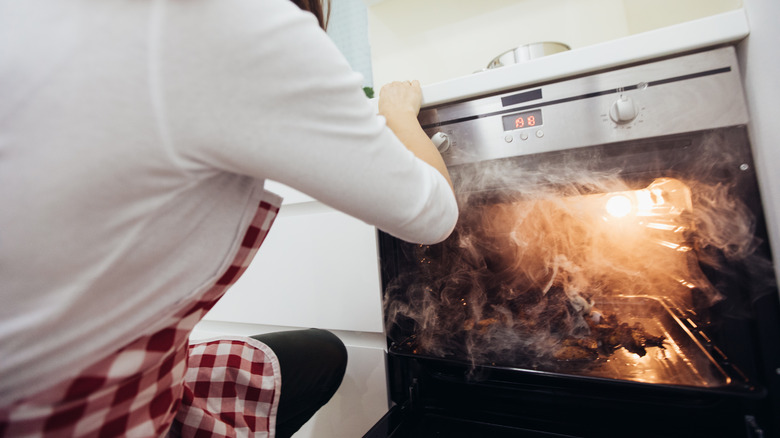
It happens faster than you expect. One moment dinner is in the oven. The next moment there is smoke, then flames, and a situation that can shift from manageable to catastrophic in under two minutes if the wrong decisions are made.
Oven fires are one of the most common household fire events in the United States, and they are especially prevalent in Florida, where year-round cooking, high humidity affecting appliance performance, and older kitchen equipment in Melbourne’s established neighborhoods all contribute to elevated kitchen fire risk. According to the National Fire Protection Association, cooking is the leading cause of home fires and home fire injuries in the country, and the oven is one of the most frequent points of ignition.
The good news is that oven fires are survivable and, in many cases, containable without permanent damage to your home, provided you respond correctly in the first critical moments. The bad news is that many homeowners respond incorrectly, and those mistakes turn a contained oven fire into a kitchen fire that spreads to cabinets, ceilings, and beyond.
At PuroClean of Melbourne, we respond to fire and smoke damage situations throughout Melbourne, Palm Bay, Viera, Rockledge, Cocoa, Titusville, and all of Brevard County. This guide is our honest, practical advice for Melbourne homeowners on exactly what to do, and what absolutely not to do, when an oven fire occurs.
First: Know the Difference Between a Contained Oven Fire and a Kitchen Fire
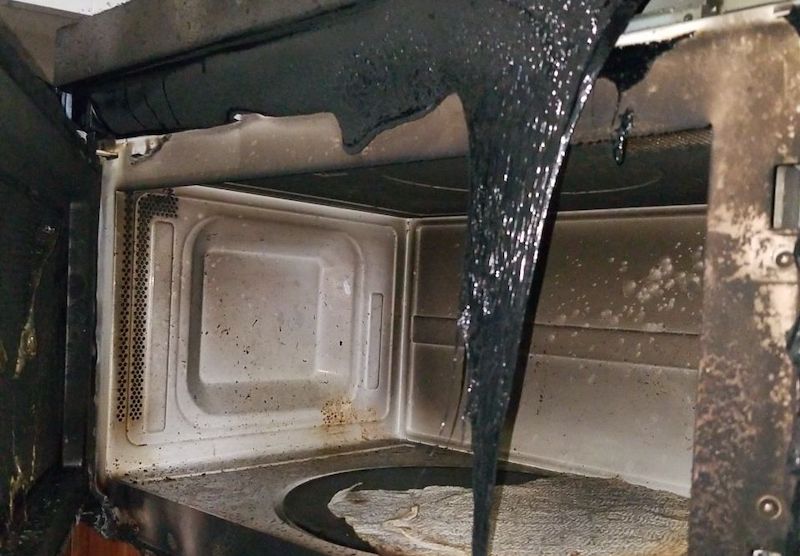
Before we walk through the response steps, it is important to understand that not all oven fires are the same. There are two fundamentally different scenarios, and they call for different responses.
Scenario One: Fire Contained Inside the Oven
This is the more manageable situation. Grease, food drippings, or a forgotten piece of food ignites inside the oven cavity. Flames are visible through the oven window or when you open the door, but the fire has not yet escaped the oven. In this scenario, if you act quickly and correctly, you may be able to extinguish the fire without it spreading beyond the appliance. This is the scenario where the steps in this guide are most directly applicable.
Scenario Two: Fire That Has Spread Beyond the Oven
If flames have reached your cabinets, countertops, range hood, or ceiling, the situation has escalated beyond a contained oven fire. At this point, your only priority is getting every person and animal out of the home immediately and calling 911 from outside. Do not attempt to fight a kitchen fire that has spread to surrounding surfaces. Get out, close doors behind you to slow the fire’s spread, and let the Melbourne Fire Department handle it.
Critical Safety Rule: If you have any doubt about whether a fire is truly contained within the oven, treat it as an escaped fire. Evacuate immediately and call 911. No meal, no appliance, and no property is worth a life.
What to Do Immediately During a Contained Oven Fire
If the fire is confirmed to be contained inside the oven and has not yet spread to surrounding surfaces, here are the steps to take in order.
Step 1: Do Not Open the Oven Door
This is the single most important rule during a contained oven fire and the most frequently broken one. Opening the oven door introduces a rush of oxygen that can rapidly intensify the fire and allow it to escape the oven cavity. Keep the door closed. Most oven fires, deprived of additional oxygen, will self-extinguish within a few minutes if the door remains sealed. Watch through the oven window if your oven has one, but keep your hands away from the handle.
Step 2: Turn Off the Heat Source Immediately
Reach for the oven controls, not the door. Turn off the oven completely. If you have an electric oven, this cuts the heating element. If you have a gas oven, turning the controls to off shuts off the gas supply to the burner. Removing the heat source is essential to allowing the fire to burn itself out. If you cannot safely reach the oven controls without getting close to flames that have escaped the oven, do not attempt to do so. Evacuate instead.
Step 3: Turn Off the Range Hood Fan If It Is Running
Range hood exhaust fans draw air upward and outward, which can feed oxygen to an oven fire and pull smoke and heat toward combustible cabinet materials above the range. If your range hood fan is on, turn it off. This is a quick action that can meaningfully reduce the fire’s access to additional oxygen.
Step 4: Stay in the Kitchen and Monitor the Fire Closely
As long as the fire remains visibly contained inside the oven, stay in the kitchen and watch it. Have your phone in hand and be ready to call 911 immediately if the situation changes. You are watching for two things: signs that the fire is self-extinguishing as oxygen is depleted inside the sealed oven, and any signs that flames, smoke, or heat are escaping through oven seals, vents, or the door frame. If you see the latter, move immediately to evacuation.
Step 5: Have a Class K or ABC Fire Extinguisher Ready But Do Not Use It Prematurely
If you have a kitchen-appropriate fire extinguisher, get it ready. However, do not use it inside the oven cavity unless the fire has escaped the oven and is spreading. Using a fire extinguisher inside a sealed oven is unnecessary if the door is closed and the heat has been cut, and it will make a significant mess that complicates cleanup. Reserve the extinguisher for use if the fire escapes the oven and begins spreading to surrounding surfaces. If you use it, use short bursts aimed at the base of the flames, not the top.
Step 6: If the Fire Does Not Self-Extinguish Within a Few Minutes, Call 911
An oven fire that is not diminishing within two to three minutes of the heat being cut and the door remaining closed is a fire that is finding additional fuel or oxygen somewhere. At this point, call 911 immediately. Do not continue to wait. Alert every person in the home to be ready to evacuate, and begin moving toward exits while keeping the call with emergency services. Melbourne Fire Rescue is equipped and trained to handle kitchen fires, and calling them is always the right choice when a fire is not clearly resolving.
Step 7: Once Extinguished, Ventilate the Kitchen
After the fire is confirmed fully extinguished and the oven has cooled, open windows and exterior doors to ventilate smoke from the kitchen. Do not run your HVAC system during or immediately after a fire event, as this will pull smoke particles and soot into your ductwork and distribute them throughout the entire home, significantly expanding the scope of smoke damage and cleanup. Use natural ventilation through open windows and doors only at this stage.
After the Fire Is Out: What Happens Next
Even a brief, contained oven fire leaves behind damage that is not always immediately visible. Understanding what happens after the flames go out is critical for Melbourne homeowners who want to protect their property and their family’s health.
Smoke and Soot Damage Are Not Just a Surface Problem
The smoke produced by an oven fire, whether from burning grease, food, plastic components, or the oven’s internal materials, contains a complex mixture of carbon particles, chemical compounds, and acidic residues. These particles are microscopic, which means they penetrate far beyond what you can see. Smoke from even a short oven fire can deposit soot and odor-causing compounds on walls, ceilings, inside cabinets, on fabric surfaces, and inside HVAC systems throughout the kitchen and adjacent rooms.
Read Also: The Ultimate Guide to Kitchen Fire Recovery: Oven Fires, Extinguisher Safety, and Restoring Your Melbourne Home – PuroClean of Melbourne
Soot is also chemically active. It continues to cause damage after the fire is out, etching into painted surfaces, discoloring grout and tile, and permanently staining porous materials if not properly neutralized and cleaned within a limited window of time. This is not a job for standard household cleaning products. Soot requires professional-grade chemical treatments and specialized cleaning techniques to address properly.
Smoke Odor Penetrates Deeply and Persists
One of the most common complaints we hear from Melbourne homeowners after a kitchen fire is that the smell simply will not go away, even after they have cleaned everything they can see. This is because smoke odor compounds, called polycyclic aromatic hydrocarbons, bond to surfaces at a molecular level and off-gas for weeks or months if not professionally treated. Standard air fresheners, candles, and even professional-grade cleaning products cannot fully address this without the right equipment. Professional odor neutralization using hydroxyl generators, ozone treatment, or thermal fogging is typically required to fully eliminate fire and smoke odor after a kitchen fire.
Hidden Structural Damage Is Common After Oven Fires
The heat generated inside an oven during a fire event can be intense enough to damage the oven’s surrounding cabinetry, the wall behind the appliance, the countertop, and the flooring beneath the range. In Melbourne homes with older construction, where kitchen materials may already be showing age, this heat damage can compromise structural integrity in ways that are not immediately obvious. A professional assessment after any oven fire, even one that appeared fully contained, is always worth completing before you assume your kitchen is fully safe to use.
Your Oven May Not Be Safe to Use
After any oven fire, the appliance itself needs to be inspected before it is used again. Internal components including heating elements, temperature sensors, wiring insulation, and door seals can be damaged by fire and heat in ways that create fire or electrical hazard upon reuse. Do not assume a fire-damaged oven is safe to operate just because it powers on. Have it inspected by a qualified appliance technician before using it again.
What NOT to Do During or After an Oven Fire
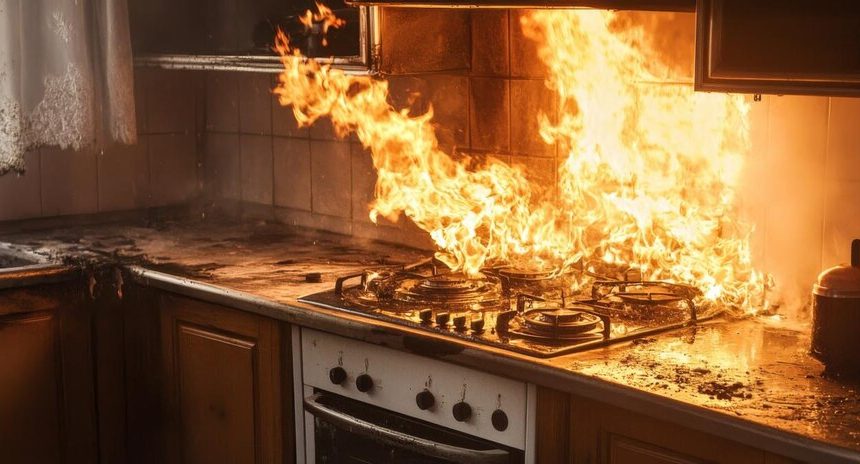
Some of the most well-intentioned responses to oven fires make the situation significantly worse. Here is what to avoid.
Do Not Throw Water on an Oven Fire
This is perhaps the most dangerous mistake a homeowner can make during an oven fire. Water thrown onto burning grease or a hot oven causes a violent steam explosion that can propel burning material outward, instantly spreading the fire and causing serious burns. Never use water on a grease or oven fire under any circumstances.
Do Not Use Flour or Other Powders
Flour, baking powder, and similar dry powders are highly combustible and can cause flash ignition when thrown on a fire. Only baking soda, which is chemically different from baking powder and flour, has any fire suppression effect on small grease fires, and even then it is only appropriate for very small, contained stovetop fires and should not be used in an oven cavity.
Do Not Open the Oven Door to Check on the Fire
We have covered this above, but it bears repeating because the instinct to open the door is strong. Resist it. A closed oven door is your most effective tool for containing an oven fire. Opening it even briefly can cause an immediate and dramatic escalation.
Do Not Begin DIY Cleanup of Soot and Smoke Damage
Attempting to clean soot with standard household cleaners, dry cloths, or even wet wiping can physically grind soot particles deeper into porous surfaces, permanently setting stains and odors that a professional could have addressed with proper technique and chemistry. Wait for professional assessment before attempting any post-fire cleaning beyond removing immediate safety hazards.
Do Not Turn On Your HVAC System
Running your heating or air conditioning system after a fire pulls smoke-laden air through your ductwork and deposits soot throughout the entire home. Keep the system off until a fire restoration professional has assessed the situation and cleared the HVAC system for use.
Common Causes of Oven Fires in Melbourne Homes
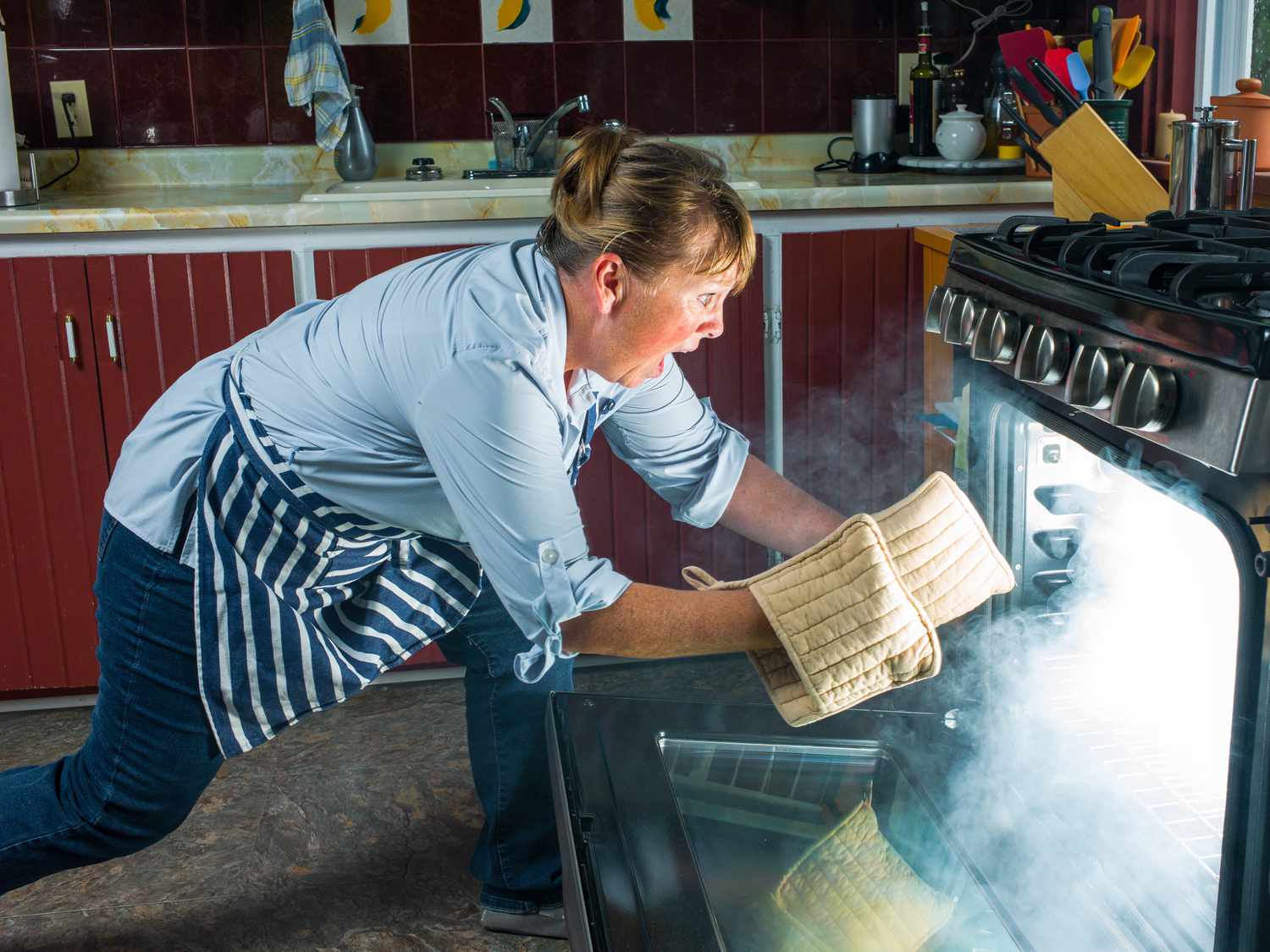
Understanding why oven fires start is the first step in preventing them. These are the most common causes the PuroClean of Melbourne team sees after responding to kitchen fire damage in Brevard County.
- Grease and food debris buildup on oven floors and walls that ignites when the oven reaches high temperatures. This is the most common cause and the most preventable. Regular oven cleaning significantly reduces this risk.
- Forgotten food items left in the oven, including pizza boxes, food storage containers, cookware, or bakeware that was placed inside for temporary storage and overlooked before preheating.
- Oven self-clean cycles, which heat the oven to extremely high temperatures to incinerate residue, can ignite heavy grease buildup that would not have burned at normal cooking temperatures. Always clean major grease deposits manually before running a self-clean cycle.
- Foil-lined oven floors that block air circulation and trap heat in ways that can damage heating elements and ignite food residue. Avoid lining the oven floor with foil.
- Faulty heating elements or temperature sensors in aging ovens, particularly common in Melbourne’s older residential neighborhoods where kitchen appliances may have been in service for fifteen years or more.
- Cooking oils and fats spattering onto oven walls and igniting, particularly when cooking at high temperatures or using convection settings that circulate hot air more aggressively.
Fire and Smoke Damage Restoration: What PuroClean of Melbourne Does
When PuroClean of Melbourne responds to a fire and smoke damage situation, whether from an oven fire, a kitchen fire, or any other fire event, here is what our certified restoration process covers.
Read Also: The Ultimate Guide to Kitchen Fire Recovery: Oven Fires, Extinguisher Safety, and Restoring Your Melbourne Home – PuroClean of Melbourne
Emergency Assessment: Our team assesses the full scope of visible and hidden damage, including smoke penetration into walls, ceilings, and HVAC systems, and develops a comprehensive restoration plan.
Structural Cleaning and Soot Removal: Using professional-grade chemical sponges, wet cleaning agents, and appropriate techniques matched to each surface type, we remove soot deposits from all affected surfaces without causing additional damage.
Odor Neutralization: We deploy hydroxyl generators, thermal fogging, and other professional odor elimination technologies to neutralize smoke odors at the molecular level, not just mask them.
HVAC and Ductwork Inspection: If smoke has entered the HVAC system, we coordinate ductwork cleaning and inspection to prevent smoke particles from being redistributed throughout the home.
Content Cleaning: Smoke-damaged belongings including furniture, clothing, documents, and personal items can often be professionally cleaned and restored. We assess contents and advise on what can be saved.
Structural Repairs and Reconstruction: From cabinet replacement to drywall repair, painting, and flooring restoration, PuroClean of Melbourne handles the full reconstruction scope so you do not have to coordinate multiple contractors.
Insurance Documentation: We provide detailed documentation of all damage and all work performed to support your insurance claim and work directly with your adjuster throughout the process.
How to Reduce Oven Fire Risk in Your Melbourne Home
Prevention is always better than restoration. Here are the most effective steps Melbourne homeowners can take to reduce kitchen and oven fire risk.
- Clean your oven regularly, paying particular attention to the oven floor where grease and food debris accumulate. Make oven cleaning part of your routine home maintenance schedule, not just something done when you notice visible buildup.
- Never leave cooking unattended when using high heat settings, broiling, or the self-clean cycle. These are the highest-risk scenarios for oven fires.
- Check your oven interior before preheating. Make a habit of looking inside before turning the oven on, especially in households where the oven interior is sometimes used for storage.
- Keep a properly rated kitchen fire extinguisher in your kitchen and know how to use it. Class K extinguishers are designed specifically for cooking fires. An ABC extinguisher also provides coverage for kitchen fire scenarios. Check your extinguisher pressure gauge regularly and have it inspected annually.
- Replace aging ovens that have a history of temperature irregularities, sparking, or damaged seals. In Melbourne’s established neighborhoods, it is not uncommon to find ovens that are twenty or more years old, and aging appliances carry significantly elevated fire risk.
- Install and maintain working smoke detectors in and adjacent to your kitchen. Brevard County building codes require working smoke detectors in residential properties, and they are your earliest warning system for a developing fire.
PuroClean of Melbourne: Fire and Smoke Damage Restoration Experts
An oven fire, even one that appears fully contained and minor, can leave behind smoke damage, soot deposits, lingering odor, and hidden structural issues that require professional assessment and restoration. Attempting to address fire damage without professional help consistently results in incomplete cleanup, persistent odor, and long-term damage to surfaces and materials that could have been fully restored.
Read Also: My Oven Caught on Fire: Is It Safe to Use Again? – PuroClean of Melbourne
PuroClean of Melbourne is available 24 hours a day, 7 days a week to respond to fire and smoke damage situations throughout Melbourne, Palm Bay, Viera, Rockledge, Cocoa, Titusville, and all of Brevard County. Our IICRC-certified team handles everything from initial emergency response and assessment through complete structural restoration, and we work directly with your insurance company every step of the way.
If your Melbourne home has experienced an oven fire or any fire and smoke damage event, do not wait to call. The faster professional restoration begins, the more of your home and belongings can be saved.
Fire or Smoke Damage in Your Melbourne Home? Call Us Now.
PuroClean of Melbourne responds to fire and smoke damage emergencies throughout Brevard County 24 hours a day, 7 days a week. One call gets you a certified team and a direct line to your insurance company.
PuroClean of Melbourne
739 North Dr, Melbourne, FL 32934
Phone: (321) 378-2400
Email: [email protected]
Open 24 Hours | 7 Days a Week | Emergency Response Available
PuroClean of Melbourne proudly serves Melbourne, Palm Bay, Viera, Rockledge, Cocoa, Titusville, and all of Brevard County, Florida.
Connect With Us on Social Media!
Instagram | Facebook | Direction | Check Reviews | Yelp | Linkedin | Youtube | Twitter | BBB