


For home and commercial property owners in Melbourne, Florida, encountering indoor fungal growth is a common but highly unsettling experience. The unique coastal climate of the Space Coast features year-round warmth, heavy seasonal downpours, and intense humidity levels that act as natural catalysts for biological growth. The moment you discover a dark patch spreading behind a bathroom vanity or notice a faint discoloration on a laundry room ceiling, your mind likely jumps to the worst possible conclusion: toxic black mold.
The phrase black mold has become a major source of anxiety in the real estate and property management industries, often associated with severe health warnings and immense structural repair costs. However, not all fungal growth that appears dark or fuzzy belongs to a high risk toxic species. Many instances of indoor growth are actually common, less hazardous household varieties that are much easier to resolve.
Misidentifying the type of growth can lead to unnecessary panic, or worse, cause property owners to downplay a genuinely hazardous environmental threat. Understanding the specific scientific differences between toxic black mold and common household strains is essential for making smart, cost-effective decisions for your building asset. PuroClean of Melbourne is committed to empowering our community with transparent, ethical insights so you can safeguard your family health and your property equity effectively.
If you are concerned about a suspicious dark stain or a persistent musty smell inside your home or workplace, call PuroClean of Melbourne today at (321) 378-2400 for a rapid, professional assessment.
Defining Common Household Mold Strains
Common household mold refers to several widespread fungal genera that regularly colonize indoor environments whenever elevated ambient humidity or minor moisture issues occur. The most frequently encountered varieties include Cladosporium, Penicillium, and Aspergillus.
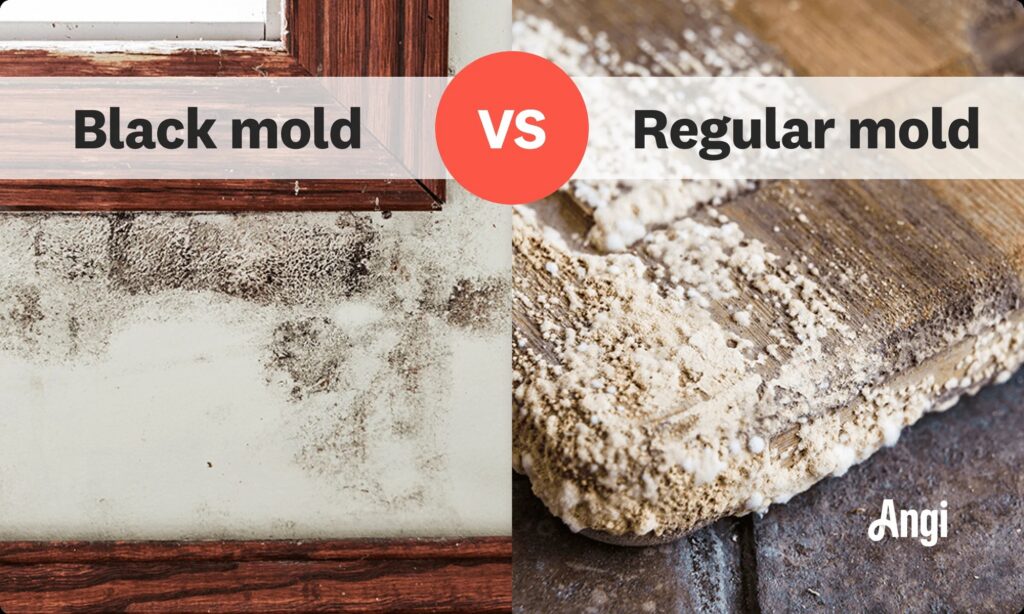
These common varieties are highly adaptable and can grow on a wide variety of surfaces under moderate moisture conditions. They do not require a major structural flood to thrive; simple condensation on a window frame, steam from a hot shower, or high indoor relative humidity above 60 percent is often enough to spark colonization. In terms of appearance, common strains exhibit a diverse color spectrum, ranging from light green and powdery gray to velvet white, yellow, or even brown.
While common household mold strains are generally less hazardous than toxic varieties, they should never be ignored. Over time, high concentrations of these common spores can still degrade underlying building materials, ruin personal property, and trigger allergic reactions, sneezing, and sinus irritation in sensitive or asthmatic individuals.
The Scientific Reality of Toxic Black Mold
When property damage restoration experts talk about toxic black mold, they are typically referring to a specific genus known as Stachybotrys chartarum. Unlike common, highly adaptable household molds, Stachybotrys chartarum is a slow growing, fastidious organism that requires very specific, extreme environmental conditions to establish a colony.
Toxic black mold cannot grow from simple bathroom steam or brief window condensation. It requires continuous, long-term saturation of high cellulose building materials, such as the paper backing of drywall, structural wood framing, insulation, or pressed fiberboard panels. This means that an active black mold infestation is almost always an indicator of an unaddressed structural crisis, such as a long-term hidden plumbing leak, a slow roof failure, or severe, unresolved flooding from a major Florida storm.
Visually, Stachybotrys chartarum has a distinct appearance. It typically features a dark, slimy, or gelatinous surface texture, though it can appear dry and powdery once its moisture source is completely cut off. It is usually dark black or deep charcoal green, and it produces a distinct, heavy, earthy odor that smells like rotting wood or wet soil.
The Key Operational Differences: A Deep Comparison
To help you evaluate a potential environmental issue on your property, it helps to analyze how these two categories of fungal growth differ across core metrics:
- • Moisture Requirements: Common household mold thrives on minor ambient humidity and brief condensation cycles. Toxic black mold requires complete, continuous saturation for a period of at least 7 to 12 days to germinate and grow.
- • Preferred Structural Substrates: Common strains grow easily on non-porous tile grout, painted surfaces, fabrics, and plastics. Black mold grows almost exclusively on organic, high-cellulose substrates like drywall backing, wood studs, and cardboard panels.
- • Textural Presentation: Common mold is typically dry, fuzzy, or velvety in texture. Black mold often exhibits a wet, slimy, shiny, or gelatinous appearance when actively growing.
- • Biological Defense Mechanisms: Common strains release standard airborne allergens that affect sensitive individuals. Stachybotrys chartarum produces a specific class of chemical compounds called mycotoxins, which can present more significant health risks over prolonged exposure periods.
Why You Cannot Diagnose Mold by Color Alone
A common mistake made by property managers and homeowners is assuming that any mold that looks dark black is automatically dangerous Stachybotrys. In reality, color is a highly misleading diagnostic tool in structural microbiology. Many completely harmless or low-risk strains of Cladosporium or Aspergillus present as dark black or charcoal green depending on the specific material they are consuming and the relative humidity of the room.
Conversely, early-stage toxic black mold can sometimes look light gray or greenish-brown before its dark pigmentation fully develops. Attempting to guess the type of mold visually is impossible. The only accurate, scientifically valid method to determine what type of organism has colonized your property is through professional mold testing Melbourne FL, combined with certified independent laboratory analysis.
The Critical Role of Professional Mold Testing and Inspection
Investing in a professional, data-driven environmental assessment eliminates all guesswork and provides a clear blueprint for action. Certified inspectors do not rely on visual observations; they deploy highly specialized diagnostic equipment to map out your entire indoor ecosystem accurately.
A comprehensive professional assessment includes several vital phases:
- 1. Precise Structural Moisture Mapping: Utilizing advanced infrared thermal imaging cameras and digital moisture meters to trace hidden water paths behind drywall, revealing the exact source of water fueling the growth.
- 2. Calibrated Spore Air Sampling: Drawing a specific volume of indoor air through collection cassettes to measure the exact concentration of airborne spores, comparing your indoor air quality directly against natural outdoor control baselines.
- 3. AIHA-Accredited Laboratory Verification: Sending all surface swabs and air samples to an independent laboratory certified by the American Industrial Hygiene Association to identify the precise genus and species involved.
- 4. Formal Pre-Remediation Protocol: Providing a legally defensible documentation report that outlines the precise boundaries of contamination and a step-by-step remediation plan required for property insurance claim approval.
The PuroClean Solution: Ethical, Turnkey Property Remediation
At PuroClean of Melbourne, we advocate for the highest ethical standards in the property damage restoration industry. To avoid any conflict of interest, we work alongside completely independent, third-party licensed mold assessors. This ensures that your test results remain completely unbiased, giving you accurate data and transparent, itemized estimates without any inflated findings.
Whether your property is facing a minor common household mold issue or a major toxic black mold crisis, our IICRC-certified technicians possess the advanced equipment and scientific training required to resolve the problem completely. We follow the strict safety guidelines outlined in the Institute of Inspection, Cleaning and Restoration Certification S520 standard to ensure your indoor space is returned to a safe, sterile condition.
Our comprehensive service framework provides complete peace of mind:
- • 24/7/365 Emergency Dispatch: Our response vehicles are always fully equipped and ready to deploy at any hour to stop water migration and minimize structural damage.
- • Advanced Structural Containment: We establish strict negative pressure enclosures using heavy-duty physical barriers and commercial HEPA air filtration to prevent any cross-contamination during cleanup.
- • Full-Scale Turnkey Capabilities: From initial emergency water extraction and moisture drying to complete mold remediation, molecular deodorization, and full structural reconstruction, we handle the entire project from start to finish.
- • Direct Insurance Coordination: We work directly with all major insurance carriers, providing precise documentation and thermal maps to help accelerate your property claim approval process.
Secure a Clean, Healthy Indoor Environment Today
Do not leave the structural health of your property assets and the air quality of your home to chance or uncertified handymen. The longer hidden moisture and mold remain unaddressed inside your structural framing, the further the contamination will spread, driving up total repair costs and extending the overall disruption to your life or business operations.
Trust the dedicated local experts who are deeply committed to bringing your property back to pre-loss conditions safely, ethically, and efficiently. Whether you are dealing with a hidden musty odor or require a comprehensive property moisture assessment, our professional team is standing by around the clock to assist you.
Contact the trusted property damage restoration specialists at PuroClean of Melbourne today to secure your property assets and restore absolute peace of mind.
SUSPECT MOLD GROWTH? CALL US NOW: (321) 378-2400
Available 24 Hours a Day, 7 Days a Week for Certified Local Assistance.