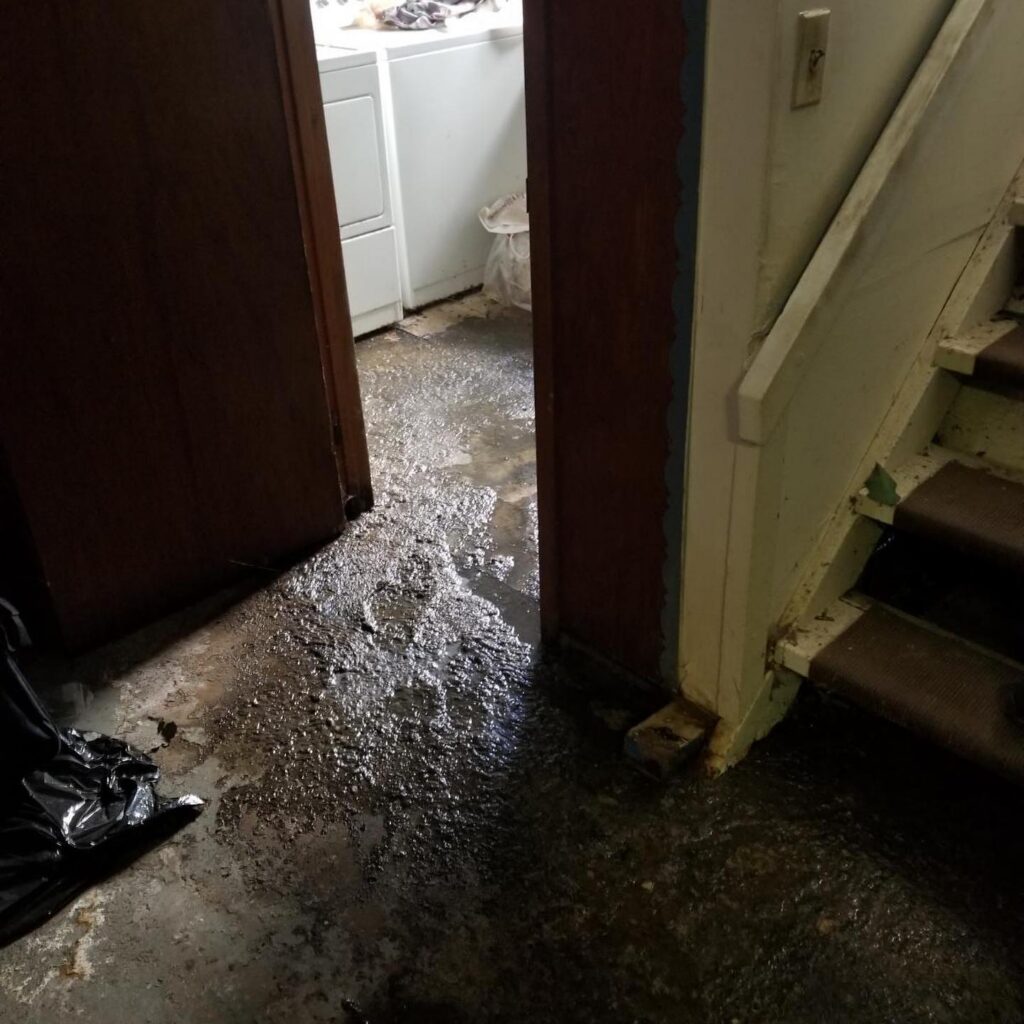
A sewer main line backup is one of the most severe property emergencies a homeowner can experience.
When the primary drain line connecting a home to the municipal wastewater system or a private septic network, becomes obstructed or overwhelmed, raw wastewater reverses direction. Instead of flowing safely away from the structure, sewage forces its way up through low-lying interior drains, toilets, shower stalls, and floor drains.
[ Municipal Main Line / Septic System ]
│
│ (Obstruction / Lift Station Outage / Heavy Rain)
▼
[ Reversed Flow Up Building Lateral Line ]
│
▼
[ Low-Lying Fixtures: Toilets, Tubs, Floor Drains ]
│
▼
[ Category 3 Blackwater Overflow Into Living Space ]
In Melbourne, Florida, specific environmental and infrastructural factors elevate the risk of main sewer line failures:

- Subtropical Storms & Heavy Rainfall: Tropical storms, summer squalls, and severe weather drop immense volumes of water in short spans. Inundated ground soil saturates sewer lateral lines, and stormwater infiltration into municipal main lines can overload the system’s capacity.
- Municipal Lift Station Disruptions: The City of Melbourne relies on 96 municipal wastewater lift stations to pump sewage across flat coastal topography to regional reclamation plants. Power outages during severe storms or mechanical pump failures at a local lift station can stall municipal wastewater movement, causing pressure to build and back up into nearby residences.
- Tree Root Intrusion in Older Neighborhoods: In mature Melbourne communities—such as historic Eau Gallie, Melbourne Village, and downtown residential districts—legacy clay or cast-iron sewer lines are vulnerable to invasive root systems from live oaks and palms. Roots enter pipe joints seeking moisture, creating dense blockages that catch solid waste.
- Fats, Oils, Grease (FOG) and Non-Flushable Wipes: Accumulated cooking oils, greases, and non-biodegradable wipes create stubborn blockages (“fatbergs”) inside building lateral lines. Unlike toilet paper, synthetic wipes do not dissolve quickly, anchoring grease and solid waste inside main drain channels.
Category 3 “Blackwater” Biohazards & Severe Health Risks
Under the Institute of Inspection, Cleaning and Restoration Certification (IICRC) S500 Standard for Professional Water Damage Restoration, wastewater originating from a sewer main line is classified as Category 3 Water (Blackwater).
Category 3 water is grossly contaminated and contains dangerous pathogenic agents, heavy metals, toxic organic chemicals, and biological hazards. Inhaling or coming into direct contact with sewage water creates acute, potentially life-threatening health risks.
+———————————————————————————–+
| CATEGORY 3 PATHOGEN HAZARD PROFILE |
+———————————————————————————–+
| PATHOGEN TYPE | SPECIFIC AGENTS PRESENT | HEALTH IMPACT ON OCCUPANTS |
+——————+——————————–+——————————-+
| Bacterial | E. coli, Salmonella, Shigella, | Gastroenteritis, bloody |
| | Campylobacter, Leptospira | diarrhea, kidney damage |
+——————+——————————–+——————————-+
| Viral | Hepatitis A, Norovirus, | Acute liver infection, severe |
| | Rotavirus, Enteroviruses | dehydration, stomach flu |
+——————+——————————–+——————————-+
| Parasitic | Giardia lamblia, Cryptosporidium| Chronic intestinal cramps, |
| | Entamoeba histolytica | persistent illness, vomiting |
+——————+——————————–+——————————-+
| Toxic Gases | Hydrogen Sulfide (H2S), | Respiratory irritation, |
| | Methane (CH4), Ammonia Vapors | dizziness, asphyxiation risk |
+——————+——————————–+——————————-+
Bacterial Exposure Risks
Raw sewage contains millions of colony-forming units (CFUs) of pathogenic bacteria per milliliter. Escherichia coli (E. coli), Salmonella, and Shigella cause severe bacterial gastroenteritis, intense abdominal cramping, fever, and dehydration. Leptospira bacteria, transmitted via urine-contaminated wastewater, can cause Leptospirosis, leading to liver damage, kidney failure, and meningitis.
Viral & Parasitic Contaminants
- Hepatitis A Virus: Transmitted through the fecal-oral route present in raw sewage, causing severe acute liver inflammation, fatigue, jaundice, and long-term recovery requirements.
- Norovirus & Rotavirus: Highly contagious viruses causing sudden, severe intestinal inflammation and vomiting.
- Giardia & Cryptosporidium: Microscopic parasites protected by hard outer shells that survive standard household cleaning agents, surviving on damp building surfaces for weeks.
Hazardous Off-Gassing (Sewer Gas VOCs)
As organic matter decomposes inside an enclosed home, sewage off-gasses dangerous chemical compounds:
- Hydrogen Sulfide (H2S): Colorless gas with a characteristic rotten-egg odor. High concentrations cause eye irritation, respiratory paralysis, nausea, and central nervous system distress.
- Methane (CH4): Highly flammable asphyxiant gas that displaces oxygen in enclosed indoor spaces.
Emergency Action Matrix: Immediate Steps vs. Professional Intervention

When a main line backup occurs, property owners must take immediate containment measures within the first 15 minutes while dispatching professional biohazard technicians.
| Operational Phase | Action Items for Property Owner | Professional Technical Execution |
| Immediate Response (0–15 Minutes) | • Evacuate children, pets, and vulnerable individuals. • Cease ALL water usage (no flushing or sink use). • Turn off main water line if safe. • Shut off electricity to flooded rooms at breaker box. | • Emergency dispatch of certified biohazard team. • Dispatch of specialized truck-mounted extraction equipment. • Review of municipal utility reports in surrounding Melbourne grid. |
| Containment Phase (15–60 Minutes) | • Do NOT attempt DIY cleaning with household mops/vacuums. • Close interior doors to seal off affected rooms. • Take photo/video documentation for insurance claims. | • Entry wearing full OSHA-compliant Level B/C PPE. • Deployment of HEPA negative air containment machines. • Isolation barrier installation over affected air vents. |
| Remediation Phase (Hours 1–24) | • Contact property insurance representative to report backup. • Provide access to main cleanout line outside home. | • High-volume Category 3 water extraction. • Controlled cut-out of contaminated drywall (minimum 24″ above flood line). • Antimicrobial washing & structural drying setup. |
Comprehensive Fast Extraction and Remediation Protocol
Eliminating a Category 3 sewage backup requires specialized extraction machinery, aggressive structural removal, broad-spectrum sanitization, and atmospheric controls.
[ Step 1: Utility & Site Safety Containment ]
│
▼
[ Step 2: High-Volume Industrial Extraction ]
│
▼
[ Step 3: Controlled Demolition of Porous Materials ]
│
▼
[ Step 4: Multi-Stage Antimicrobial & Disinfection ]
│
▼
[ Step 5: Structural Drying & HEPA Air Scrubbing ]
│
▼
[ Step 6: Moisture & ATP Clearance Testing ]
Step 1: Immediate Safety Containment & Utility Contact
Before extraction begins, technicians establish safety perimeters:
- PPE Equipping: Technicians equip NIOSH-approved respirators (N95 or full-face P100 organic vapor masks), liquid-impermeable Tyvek suits, double nitrile/heavy-duty rubber gloves, and rubber steel-toe boots.
- Negative Pressure Air Washing: HEPA-filtered negative air machines exhaust air to the outdoors, preventing foul odors and airborne bio-contaminants from circulating into unaffected living areas.
- City Utility Reporting: If the main blockage stems from the public sewer main, technicians coordinate with the City of Melbourne Public Works & Utilities Department (Emergency Line: 321-255-4622 / Standard Line: 321-608-5130) to clear the municipal line.
Step 2: High-Volume Industrial Extraction
Standing wastewater must be extracted immediately to halt secondary absorption into building materials:
- Dedicated Blackwater Vacuums: Using dedicated, heavy-duty truck-mounted vacuum extraction systems or submersible trash pumps. These units are kept strictly separate from clean-water extraction fleets to avoid cross-contamination.
- Compliant Waste Disposal: Extracted blackwater is contained and disposed of directly through approved municipal sanitary sewer dump locations in accordance with Florida Department of Environmental Protection (FDEP) guidelines—never pumped into yards, driveways, or storm drains.
Step 3: Controlled Cut-Out of Contaminated Porous Materials
Under IICRC S500 guidelines, porous building materials exposed to Category 3 wastewater cannot be effectively decontaminated and must be removed:
- Flooring Removal: Carpeting, carpet padding, luxury vinyl plank (LVP) with porous backing, laminate, and hardwood underlayment that absorbed sewage are removed, double-bagged in contractor biohazard bags, and discarded.
- The “Flood-Cut” Rule: Drywall and wall insulation are cut away a minimum of 24 inches above the highest visible water mark to ensure all moisture wicking and bacterial migration zones are completely removed.
- Non-Porous Salvage: Hard concrete slab floors, exposed structural wood framing, and masonry walls are retained for intensive deep cleaning and chemical decontamination.
Step 4: Multi-Stage Antimicrobial Wash & Disinfection
Once contaminated materials are removed, structural surfaces undergo aggressive decontamination:
- Detergent Pressure Scrubbing: Hard surfaces are scrubbed with industrial-grade surfactant cleaners to break up grease, bio-films, and organic solids.
- EPA-Registered Sporicide/Disinfectant Application: Technicians apply hospital-grade, EPA-registered broad-spectrum antimicrobials. These solutions eliminate E. coli, Hepatitis, Norovirus, and fungal spores on contact.
- Enzymatic Odor Digestion: Specialized enzyme treatments digest micro-particles of organic waste trapped within wood grain and concrete pores, permanently neutralizing sewer odors.
Step 5: High-Capacity Structural Drying & Air Filtration
Trapped moisture behind framing leads to rapid mold proliferation within 24 to 48 hours in Melbourne’s humid climate.
- Low-Grain Refrigerant (LGR) Dehumidifiers: Industrial LGR dehumidifiers extract vapor from the air, dropping relative humidity below 45% to pull moisture out of structural timber and concrete.
- Axial Air Movers: Directional air movers circulate high-velocity dry air across exposed floor plates and wall studs.
- Continuous HEPA Filtration: Air scrubbers constantly filter airborne particulates down to 0.3 microns, scrubbing the indoor air throughout the drying cycle.
Municipal Responsibility vs. Homeowner Responsibility in Melbourne
Determining financial and operational responsibility for a sewer backup depends on where the physical blockage occurs.
[ Home Interior ] ───> [ Lateral Cleanout ] ───|─── [ Property Line ] ───> [ City Main Line ]
│ (Private Property) │ (Public Property) │
└───────────────────────────────────────────────┴─────────────────────────────────────┘
RESPONSIBILITY: RESPONSIBILITY:
Homeowner / Insurance City Public Works
- Private Sewer Lateral Line (Homeowner Responsibility): The pipe running from inside the home to the property line or utility easement is the property owner’s responsibility. Blockages caused by tree roots, broken pipes on private land, or flushed wipes fall under the homeowner’s maintenance duties.
- City Sewer Main Line (Municipal Responsibility): The large collection pipes running down public streets or easements, along with regional lift stations, are maintained by the City of Melbourne. If a municipal main or lift station fails, public works crews clear the street pipe, though homeowners must still arrange interior property restoration through their private insurance policies.
- Insurance Endorsement Considerations: Standard Florida homeowners insurance policies often exclude sewer backups unless a specific Water Backup and Sump Overflow Endorsement is attached to the policy. PuroClean of Melbourne assists homeowners by providing line-item Xactimate® estimates, detailed moisture logs, and digital photo records required by insurance adjusters.
Why Choose PuroClean of Melbourne for Sewer Backup Remediation
When blackwater enters your home, every minute counts. PuroClean of Melbourne provides immediate emergency response backed by technical certifications and complete restoration capabilities.
- IICRC & Biohazard Certified Technicians: Fully trained in IICRC S500 Water Damage Restoration, S540 Trauma/Biohazard Remediation, and OSHA Bloodborne Pathogen Standards.
- 24/7/365 Emergency Dispatch: Emergency response teams arrive on-site across Melbourne and Brevard County with dedicated blackwater extraction equipment.
- Complete Turnkey Services: As a licensed Florida General Contractor, we manage everything from initial sewage extraction and biohazard sanitization to structural rebuilds, drywall installation, painting, and new flooring.
- Direct Insurance Billing: We document every phase of the cleanup process and bill your insurance carrier directly, minimizing financial stress during a crisis.
24/7 Emergency Sewer Main Backup & Extraction Response
If raw sewage or Category 3 blackwater has backed up into your home in Melbourne, Viera, Palm Bay, or surrounding Brevard County areas, do not wait. Contact the certified biohazard extraction team at PuroClean of Melbourne immediately.
- 24/7 Emergency Dispatch: (321) 378-2400
- Facility Location: 739 North Dr, Melbourne, FL 32934 (Coastal Technology Center)
- Service Area: Serving all residential and commercial properties in Melbourne, Eau Gallie, Viera, Suntree, Palm Bay, and Brevard County