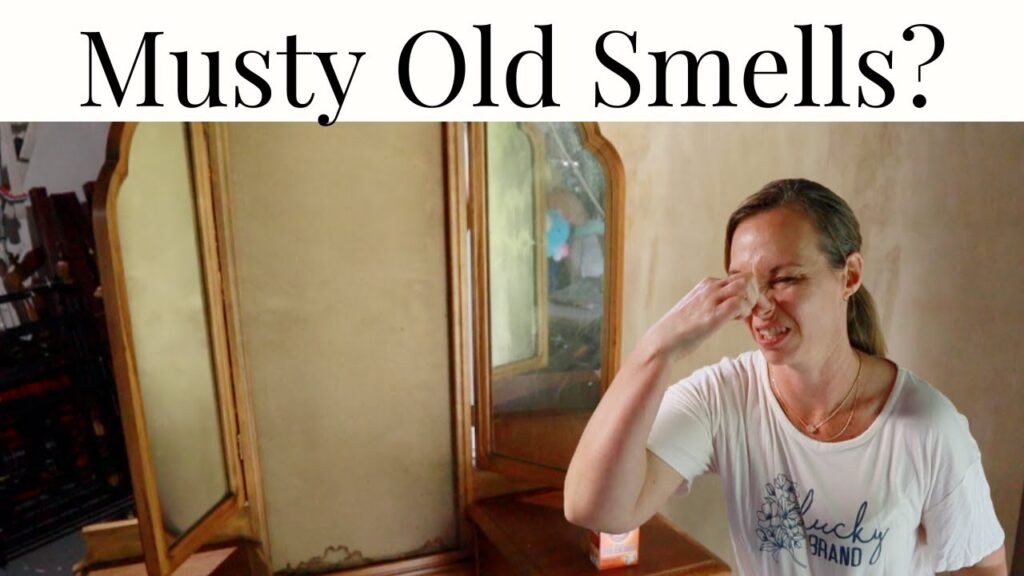
Few home maintenance frustration points match spending hours deep cleaning a house only to be greeted by the same stale, earthy, damp odor the moment you walk back through the front door.
Many homeowners in Melbourne, Florida respond by spraying heavier aerosol air fresheners, burning scented candles, or mopping repeatedly with pine-scented cleaners. Unfortunately, these surface efforts are entirely ineffective at solving the underlying problem.
To eliminate a musty odor, one must understand its chemical origin. A musty smell is not the scent of dust or old furniture; it is the direct off-gassing of active microbial life.

As microscopic mold spores and bacteria feed on damp organic building materials (such as paper-faced drywall, wood studs, carpet padding, or cellulose insulation), they release gaseous chemical byproducts known as microbial Volatile Organic Compounds (mVOCs).
[ Hidden Moisture Intrusion ] + [ Organic Material (Drywall/Wood) ]
│
▼
[ Active Microbial Germination ]
│
▼
[ Off-Gassing of Microbial Volatile Organic Compounds (mVOCs) ]
│
▼
[ Persistent Musty Odor Penetrating Drywall & Living Spaces ]
Because mVOC gases easily pass through porous drywall, baseboards, carpet fibers, and electrical outlet covers, you will smell hidden microbial growth long before a physical mold colony becomes visible. Washing surface floors or spraying scented aerosols layers artificial perfumes over the top of mVOC gases without stopping the biological process generating them.
In Brevard County’s climate, where ambient relative humidity frequently tops 80% and central air conditioning runs constantly, a persistent musty odor after cleaning is a clear sign of a hidden moisture problem. Here are the ten primary reasons your Melbourne home continues to smell musty despite your best cleaning efforts.
Ten Hidden Causes of Musty Odors in Melbourne Homes
[ 10 HIDDEN MOISTURE & mVOC SOURCES ]
│
┌──────────────────┬───────────┴───────────┬──────────────────┐
▼ ▼ ▼ ▼
[ HVAC Ductwork ] [ In-Wall Leaks ] [ Crawlspaces ] [ Slab Moisture ]
Duct condensation Pinhole plumbing Ground vapor Capillary wicking
and dirty coils drips in drywall rising under floor through concrete
│ │ │ │
└──────────────────┴───────────┬───────────┴──────────────────┘
▼
[ PERSISTENT MUSTY ODOR AFTER CLEANING ]
1. Active Fungal Amplification Hidden Inside Wall Cavities
The most common culprit behind an unresolvable musty odor is active mold growth hidden behind finished drywall. Slow plumbing drips from water supply lines, leaking shower pans, or wind-driven rain penetrating exterior stucco cracks supply continuous moisture to wall studs and the paper facing of drywall.
Because the interior cavity is dark and warm, mold species like Aspergillus and Penicillium flourish. Millions of microscopic spores and mVOC gases off-gas through electrical switch plates, baseboard seams, and HVAC returns directly into your living room.
2. Contaminated HVAC Ductwork and Dirty Evaporator Coils
Central air conditioning systems recirculate air throughout your home multiple times per hour. If your AC system operates with uninsulated flex ducts in a 130°F attic, cold supply air creates condensation on duct surfaces.
Additionally, if the air handler’s internal evaporator coil or condensate drain pan becomes clogged with biological sludge, air passing through the handler picks up mVOC gases from microbial growth inside the unit. Every time your AC turns on, it blasts a burst of musty, damp air through supply registers into every room.
3. Ground Vapor Emissions in Raised Crawlspace Foundations
In historic and barrier island communities across Brevard County (such as Indialantic, Melbourne Beach, Eau Gallie, and Melbourne Village), many homes are built on raised crawlspace foundations. Unsealed dirt floors allow groundwater to evaporate continuously into the dark space beneath floor joists.
Driven by the Stack Effect (thermal buoyancy), warm air escaping through attic vents pulls humid, mVOC-laden air from the crawlspace upward through plumbing penetrations and subfloor gaps directly into your living areas.
[ Warm Air Escapes Attic Vents ]
▲
│
[ Air Pulled Up Through Subfloor Gaps ]
▲
│
[ Unsealed Crawlspace Off-Gassing mVOCs ]
4. Capillary Moisture Wicking from Concrete Slab Leaks
A majority of single-family homes in Melbourne and Palm Bay sit on concrete slab-on-grade foundations. Concrete is a porous material that draws ground moisture upward via capillary action.
If a pinhole supply line leak develops beneath the slab, or if soil drainage is poor around foundation footings, water wicks upward through the concrete subfloor into carpet padding, luxury vinyl plank (LVP) underlayment, or hardwood flooring. The trapped moisture dissolves floor adhesives and fosters subfloor mold growth that smells strongly musty.
5. Water-Damaged Carpet Padding Beneath Surface-Cleaned Carpet
Homeowners frequently rent carpet cleaning machines to wash carpets, believing this will eliminate musty room smells. However, surface carpet cleaners inject water deep into the carpet pile.
If the underlying carpet padding or plywood subfloor was previously saturated by an unaddressed water leak, adding fresh water from a carpet cleaner re-activates dormant mold spores within the padding. The carpet surface may look clean, but the damp padding beneath generates a stronger musty odor than before.
6. Leaking Windows and Sliding Glass Door Sub-Sills
Coastal storms and afternoon thunderstorms drive rain directly against window frames and sliding glass door tracks. If perimeter caulking or head flashing has degraded, water forces its way past the frame into the rough wood opening.
The moisture collects unseen inside the framing beneath the sill, saturating insulation and drywall plates. Over time, this localized moisture pocket generates a persistent musty odor near exterior walls.
7. Clogged Air Handler Condensate Lines and Overflow Pans
During Florida summers, a central AC unit extracts gallons of water from indoor air every day. This water drains out through a PVC condensate line.
Over time, algae and bacterial slime clog the drain line, causing the primary drain pan inside the air handler closet to overflow. Water saturates the closet drywall, subflooring, and platform insulation. Because air handler closets are often kept closed, the trapped moisture festers and generates an overpowering musty odor in central hallways.
[ AC Unit Condensation ] ───> [ Algae Clogs Drain Line ] ───> [ Pan Overflows ]
│
▼
[ Musty Air Recirculated ] <─── [ Drywall & Platform Saturated ] ─────┘
8. Unconditioned Closet Micro-Climates and High Humidity
When indoor relative humidity remains consistently above 60%, unconditioned micro-climates form in tightly closed spaces like walk-in closets, pantries, and linen cabinets.
With little airflow, elevated humidity allows mold spores to feed on organic cotton clothing, leather shoes, cardboard storage boxes, and wooden shelving. You can scrub your bedroom floors, but opening a closet door releases a strong, concentrated wave of musty air.
9. Attic Roof Sheathing Leaks Above Ceiling Insulation
Minor roof leaks caused by damaged shingles, compromised ridge vents, or degraded pipe boots often do not show up immediately as ceiling drywall water stains.
Instead, rainwater trickles down yellow pine roof trusses and collects in thick cellulose or fiberglass attic insulation. The saturated insulation acts like a wet sponge resting on top of your ceiling drywall, providing continuous moisture for fungal amplification that off-gasses downward into living areas.
10. Front-Loading Washing Machine Rubber Gasket Sludge
Sometimes the musty odor is not coming from your walls or floors, but from a major household appliance. Front-loading washing machines feature thick rubber door gaskets designed to trap water.
If detergent residue, lint, and standing water sit inside the folds of the rubber seal, dark mold sludge forms rapidly. Every time you wash clothes or leave the washer door closed, the appliance releases a pungent musty smell that fills the laundry room and adjacent hallways.
Diagnostic Methods: How Professionals Find the Invisible Source
Attempting to locate hidden moisture by cutting open drywall at random is expensive, destructive, and ineffective. Professional restoration companies use non-invasive diagnostic tools to locate hidden water sources and map the exact boundary of hidden moisture.
+———————————————————————————–+
| NON-INVASIVE MOISTURE DIAGNOSTIC TOOLKIT |
+———————————————————————————–+
| DIAGNOSTIC TOOL | PHYSICAL MECHANISM | FIELD APPLICATION |
+—————————-+——————————-+———————–+
| FLIR Thermal Cameras | Measures surface temperature | Identifies cold blue |
| | variations via evaporative | moisture paths behind |
| | cooling | drywall and ceilings |
+—————————-+——————————-+———————–+
| Pinless Moisture Meters | Transmits radio frequency | Scans hardwood, LVP, |
| | signals into materials | and tile without |
| | | damaging surfaces |
+—————————-+——————————-+———————–+
| Deep Penetrating Pin Probes| Measures electrical | Verifies exact %MC |
| | resistance across wood fibers | deep inside structural|
| | | framing studs |
+—————————-+——————————-+———————–+
| Air Spore Trap Sampling | Calibrated vacuum pumps draw | Quantifies airborne |
| (Independent Assessor) | air over glass slides | spore counts & genera |
+———————————————————————————–+
FLIR Infrared Thermal Imaging
Thermal imaging cameras do not see through walls; instead, they detect subtle surface temperature differentials created by evaporative cooling. As moisture evaporates from drywall, wood studs, or ceiling plaster, it cools the surface. On a thermal camera display, wet areas show up as distinct cold blue or purple shapes, allowing technicians to pinpoint the exact path of hidden leaks behind finished surfaces.
Electronic Moisture Mapping
Once thermal anomalies are identified, technicians verify moisture levels using electronic moisture meters:
- Pinless Meters: Scan underneath tile, hardwood, LVP, and drywall without leaving holes or marks.
- Pin-Type Probes: Feature insulated pins that are driven directly into structural wood studs or joists to measure exact Percent Moisture Content (%MC). Wood framing with a moisture content above 16% to 19% indicates active risk for fungal amplification, while readings above 20% trigger wood-decay rot.
The Path to Restoration: The PuroClean Protocol
When non-invasive diagnostics confirm that hidden moisture and mold growth are causing the musty odor in your Melbourne home, swift remediation executed under strict industry standards is required.
Operating from our central facility at 739 North Dr in the Coastal Technology Center, PuroClean of Melbourne follows strict Institute of Inspection, Cleaning and Restoration Certification (IICRC) standards for water damage restoration (S500) and mold remediation (S520).
[ Step 1: Thermal Moisture & Odor Diagnostics ]
│
▼
[ Step 2: Source Repair & Water Elimination ]
│
▼
[ Step 3: Critical Containment & HEPA Air Scrubbing ]
│
▼
[ Step 4: Controlled Material Extraction & HEPA Vacuuming ]
│
▼
[ Step 5: Advanced LGR Dehumidification & Structural Drying ]
│
▼
[ Step 6: EPA Antimicrobial Wash & Molecular Deodorization ]
│
▼
[ Step 7: Turnkey Structural Reconstruction ]
Diagnostic Moisture and Odor Mapping
Our certified technicians map the full extent of hidden water intrusion using FLIR thermal cameras and electronic moisture meters to pinpoint the exact source of the mVOC off-gassing.
Source Repair Coordination
We ensure the underlying moisture source—whether an in-wall plumbing drip, clogged AC condensate line, or window flashing gap—is completely repaired before restoration begins.
Critical Containment and HEPA Air Scrubbing
Technicians construct 6-mil plastic containment chambers and deploy HEPA air scrubbers under negative pressure. This ensures that disturbed mold spores, dust, and odor molecules cannot spread into clean living areas during cleanup.
Controlled Extraction of Contaminated Materials
Building materials that have suffered deep fungal penetration and moisture decay (such as saturated drywall, ruined carpet padding, or decaying baseboards) are carefully cut away, double-bagged in biohazard bags, and removed. Exposed framing is vacuumed using commercial HEPA equipment.
Advanced LGR Dehumidification and Structural Drying
We deploy industrial Low-Grain Refrigerant (LGR) dehumidifiers and high-velocity axial air movers to dry structural framing below 15% wood moisture content, ensuring mold cannot return.
EPA-Registered Antimicrobial Treatment and Molecular Deodorization
Exposed wall studs, floor joists, and concrete masonry are treated with EPA-registered, broad-spectrum antimicrobials. To eliminate lingering mVOC gases, we deploy hydroxyl generators or thermal foggers that neutralize odor molecules at the atomic level.
Turnkey Structural Reconstruction Services
As a licensed Florida General Contractor, PuroClean of Melbourne handles the entire rebuild process under one roof. Once drying and remediation are certified, our in-house construction division installs new drywall, flooring, trim, and paint, returning your home to pre-loss condition.
Diagnostic Comparison Matrix: Musty Odor Causes vs. Solutions
The following matrix connects observable musty odor symptoms with their hidden building science causes and recommended professional solutions:
| Observed Odor Pattern | Hidden Moisture / Building Cause | Affected Structural Materials | Recommended Professional Solution |
| Musty smell bursts when AC turns on | Contaminated evaporator coils, clogged drain pan, or wet ductwork | Air handler, duct lining, closet platform drywall | HVAC duct cleaning, coil sanitization, LGR closet drying |
| Musty odor strongest near baseboards | In-wall plumbing leak, slab leak, or capillary moisture wicking | MDF baseboards, lower drywall, subflooring | FLIR thermal mapping, in-wall cavity drying, baseboard replacement |
| Musty smell in walk-in closets | Elevated indoor humidity (> 60% RH) with low airflow | Clothing, drywall facing, wooden shelving | Whole-home dehumidification, mold remediation, closet ventilation |
| Musty odor strongest on 1st floor | Crawlspace ground vapor emissions or unsealed dirt floor | Floor joists, subflooring, plumbing penetrations | Crawlspace encapsulation, reinforced vapor barrier, joist drying |
| Musty smell after carpet cleaning | Saturated carpet padding or wet plywood subfloor | Carpet backing, carpet pad, plywood subfloor | Subfloor moisture extraction, padding replacement, HEPA vacuuming |
Frequently Asked Questions (FAQ)
1. Why does my house still smell musty after I used bleach and scented cleaners everywhere?
Chlorine bleach and scented cleaners only treat surface soils and layer artificial perfumes over top of active odors. Bleach consists primarily of water and sodium hypochlorite; when applied to porous drywall or wood, the chlorine stays on the surface while the water soaks in, feeding the hidden fungal root system (hyphae). The musty odor persists because active mold colonies hidden inside wall cavities or under flooring continue to release microbial Volatile Organic Compounds (mVOCs) into your indoor air.
2. Can a musty odor in my Melbourne home make my family sick?
Yes. A musty odor is proof of active microbial off-gassing (mVOCs) and indicates elevated airborne mold spore loads. Inhaling mVOC gases and microscopic fungal spores can trigger chronic allergic reactions, sinus congestion, dry coughing, throat irritation, severe asthma attacks, itchy eyes, and persistent headaches, particularly in children, seniors, and immune-compromised individuals.
3. How do I know if the musty smell is coming from my AC system or my walls?
Pay attention to when the odor is strongest. If a wave of musty air hits immediately when your central air conditioning turns on, the source is likely located inside the air handler closet, on dirty evaporator coils, or within damp ductwork. If the musty odor is concentrated in one specific room, near baseboards, or inside a closet regardless of whether the AC is running, the source is likely an in-wall plumbing leak, window intrusion, or subfloor moisture issue. Professional thermal imaging can confirm the exact moisture location.
4. Will running a room air purifier eliminate a musty house smell?
Standard HEPA room air purifiers can capture airborne dust and mold spores passing through their filters, but they cannot eliminate the underlying source of a musty odor. As long as wet drywall, damp insulation, or subfloor moisture continues to feed hidden mold colonies, new mVOC gases will be generated continuously. Air purifiers provide temporary relief, but permanent odor removal requires locating and drying the hidden moisture source.
5. Will my Florida homeowners insurance cover the cost of finding and fixing hidden mold causing musty odors?
Insurance coverage depends on the underlying cause of the moisture intrusion. In Florida, if the musty odor stems from a sudden and accidental covered peril (such as a burst supply pipe, a hot water heater rupture, or storm damage to a roof), homeowners insurance generally covers water mitigation, structural drying, and mold remediation subject to policy sub-limits. However, odors resulting from long-term deferred maintenance or chronic high humidity are typically excluded. PuroClean of Melbourne works directly with insurance adjusters to support your claim.
6. Where is PuroClean of Melbourne located, and how fast can you respond to my property?
Our central commercial facility is located at 739 North Dr in the Coastal Technology Center, Melbourne, FL 32934. Because our facility is positioned near major Brevard County thoroughfares like Interstate 95 and US Highway 1, our certified response teams can reach residential and commercial properties across Melbourne, Viera, Palm Bay, Indialantic, and surrounding Space Coast communities within 60 minutes or less, 24 hours a day, 7 days a week.
7. Partner with Melbourne’s Trusted Odor & Restoration Experts
When a persistent musty odor refuses to go away after deep cleaning, don’t rely on temporary air fresheners or surface sprays. Partner with the certified professionals who diagnose root causes, eliminate hidden moisture, and restore your indoor air quality.
PuroClean of Melbourne is your trusted single-source solution for complete property recovery. From FLIR thermal moisture mapping and psychrometric structural drying to certified mold remediation and turnkey reconstruction, One Call Does It All.
Our comprehensive property damage restoration services include:
- 24/7 Emergency Water Extraction & Structural Drying
- Advanced FLIR Thermal Imaging & Moisture Diagnostics
- IICRC Certified Mold & Odor Remediation
- Fire, Smoke & Soot Damage Restoration
- OSHA & FDOH Compliant Biohazard, Sewage & Trauma Cleanup
- Turnkey Structural Reconstruction & General Contracting
MUSTY ODOR DIAGNOSTICS & REMEDIATION IN MELBOURNE, FL
Eliminate musty odors at their source and restore healthy indoor air quality. Contact the certified, compassionate experts at PuroClean of Melbourne today for professional diagnostics and immediate 24/7 assistance.
- 24/7 Direct Emergency Line: (321) 378-2400
- Facility Location: 739 North Dr, Melbourne, FL 32934 (Coastal Technology Center)
- Service Area: Serving Melbourne, Viera, Palm Bay, Indialantic, Melbourne Beach, West Melbourne, Suntree, Eau Gallie, Melbourne Village, and all surrounding Brevard County communities.